How to Grow a Simple Salad Garden at Home Fast and Fresh
You want fresh, crunchy salads without spending a fortune or decoding seed catalogs like a botanist? Good news: you can grow a simple salad garden at home with almost no drama. A few containers, some seeds, water, and sunshine—boom, you’re in business. You’ll harvest in weeks, not months, and your fridge will look like a farmers market threw a tiny party.
Pick Your Salad Dream Team
You don’t need 20 plant varieties. Keep it tight and tasty. Start with quick growers that don’t demand much attention.
- Lettuce mixes (cut-and-come-again): Mesclun, baby romaine, leaf lettuce. Fast, forgiving, delicious.
- Spinach and arugula: Spinach for mellow, arugula for peppery bite. Grow both and feel fancy.
- Herbs that love salads: Parsley, basil, dill, mint, cilantro. They elevate everything.
- Bonuses: Radishes (fast!), green onions, and cherry tomatoes if you’ve got patience.
Starter Packs That Make Sense
– Absolute Beginner: Lettuce mix + radishes + basil
– Shady Balcony: Spinach + lettuce + mint
– Sun-Drenched Patio: Arugula + basil + cherry tomatoes (for extra credit)
Sun, Space, and Containers (AKA Your Salad Real Estate)
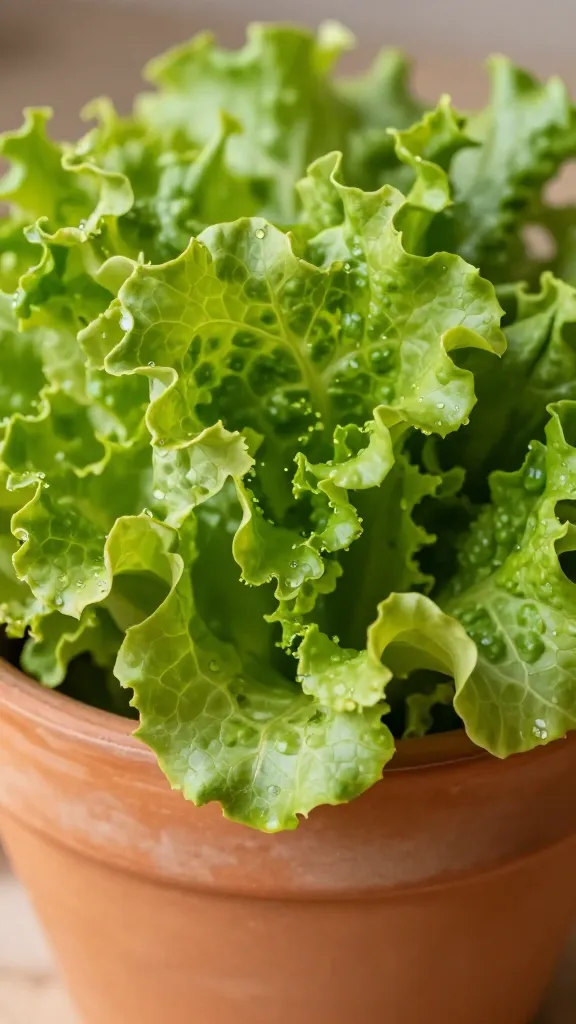
You can grow salads on a windowsill, balcony, patio, or backyard strip. The plants won’t judge you. They just want light and decent soil.
- Light: Aim for 4–6 hours of sun. Lettuce tolerates partial shade; tomatoes need more, FYI.
- Containers: Anything with drainage works—window boxes, grow bags, buckets with holes.
- Depth goals: Lettuce and herbs: 6–8 inches. Radishes and green onions: 8–10 inches. Tomatoes: 12+ inches, at least.
- Spacing: Sow salad mixes densely; herbs need a bit more room. Don’t overcrowd tomatoes (they’re divas).
Soil That Won’t Sabotage You
Skip garden soil in pots. Use a quality potting mix with compost and perlite. For raised beds, blend 50% topsoil, 30% compost, 20% aeration (perlite, pine bark, or coarse sand). Keep it light, not brick-like.
Seeds vs. Starts: What’s Worth It
You can sow most salad greens directly. They germinate fast and save cash.
- Buy seeds for: Lettuce mixes, arugula, spinach, radish, cilantro, dill.
- Buy starts for: Basil (if you want pesto ASAP), tomatoes (unless you enjoy waiting).
- Pro tip: Pick “cut-and-come-again” varieties. You harvest leaves and the plant keeps producing. Little plant, big energy.
Planting Made Ridiculously Simple
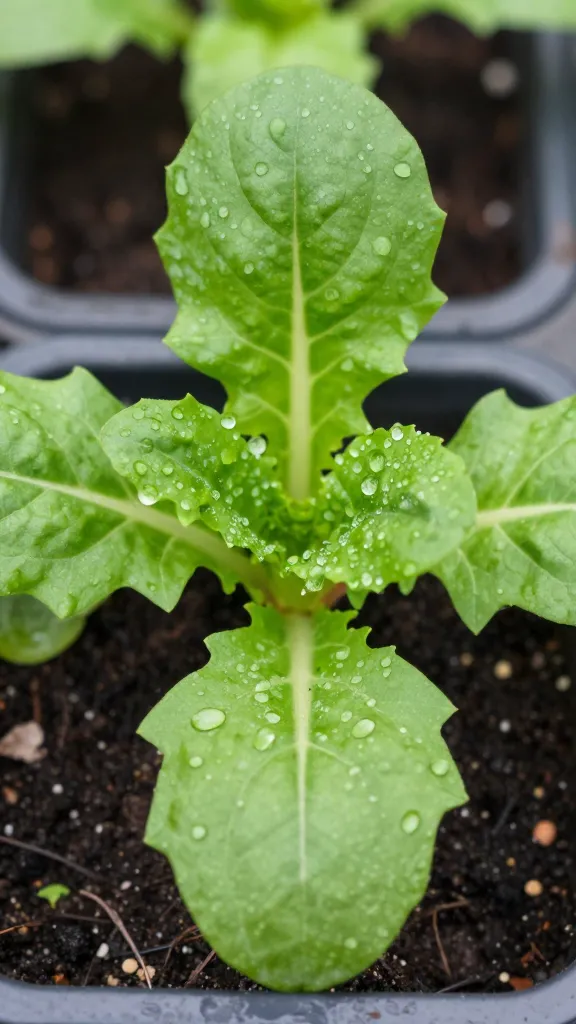
No need to overthink it. Plant, water, wait, nibble.
- Prep containers: Fill with potting mix. Moisten until it feels like a wrung-out sponge.
- Sow greens: Sprinkle seeds lightly on top. Cover with a paper-thin layer of soil. Greens prefer shallow sowing.
- Radishes and onions: Plant about 1/2 inch deep, an inch apart. They don’t like roommates.
- Starts (herbs/tomatoes): Pop them in at the same depth they lived in their nursery pots.
- Water: Gentle shower so seeds don’t blast off to another zip code.
Spacing and Succession
– Thin, don’t sulk: Snip extra seedlings with scissors. Eat them. Baby greens = free microgreens.
– Stagger plantings: Sow a new row every 1–2 weeks so you never run out. IMO, this is the secret sauce of salad success.
Watering and Feeding (Without Overdoing It)
Salad greens want consistent moisture. Not mud. Not dust. A nice middle.
- Test the soil: Stick a finger in. If the top inch feels dry, water.
- Morning routine: Water early so leaves dry quickly. Less disease, more crunch.
- Fertilizer: Use a balanced, organic liquid feed every 2–3 weeks. Greens don’t need steak and lobster—just a snack.
- Mulch: A thin layer of straw or shredded leaves keeps moisture steady and weeds quiet.
Pests, Heat, and Other Drama
You’ll share with a few critters. The goal isn’t zero pests; it’s zero meltdowns.
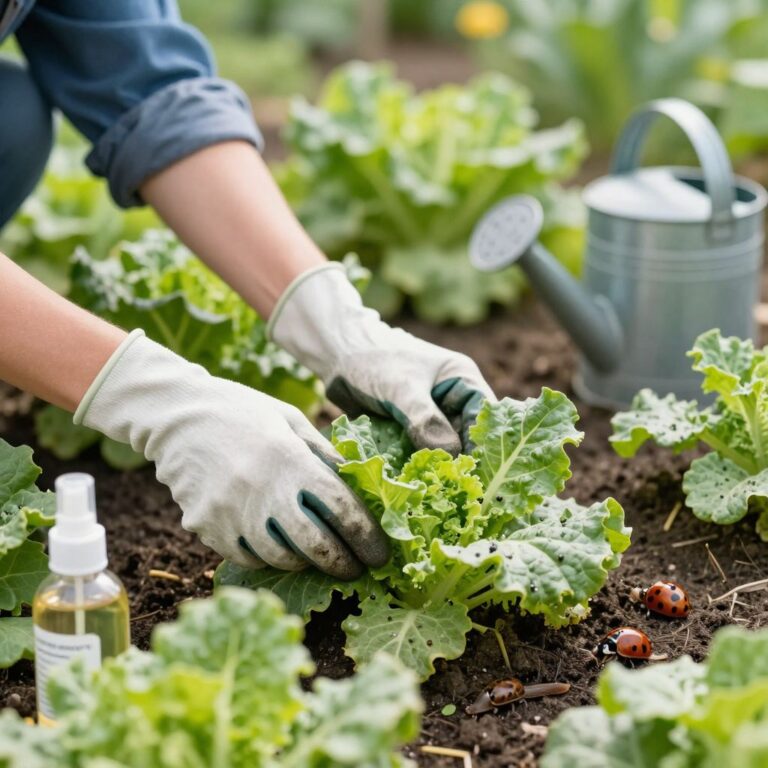
- Aphids: Blast with water or use insecticidal soap. Introduce ladybugs if you want tiny garden bouncers.
- Slugs: Beer traps, copper tape, or go out at night with chopsticks like a stealth ninja.
- Heat waves: Lettuce bolts (flowers) when it’s hot. Provide afternoon shade or switch to heat-tolerant varieties.
- Wind and sun scorch: Move containers or use shade cloth. Stable, happy plants taste better. Science-ish.
Companions That Play Nice
– Basil near tomatoes: Classic friends.
– Dill near lettuce: Attracts beneficial insects.
– Mint: Keep it in its own pot, or it will colonize like it just discovered a new planet.
Harvest Like a Pro (and Keep It Coming)
You can eat way sooner than you think. Baby greens show up in 3–4 weeks, full leaves in 5–7.
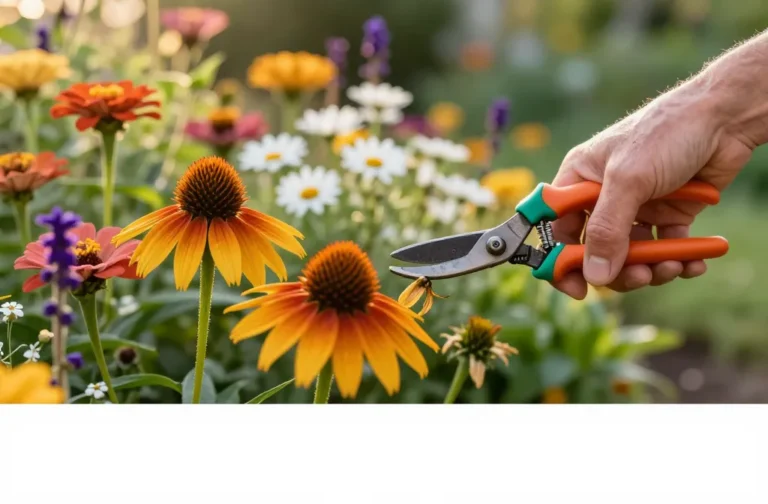
- Cut-and-come-again: Snip outer leaves with scissors, leave the center to regrow.
- Whole-head harvest: Cut at the base when it looks lush and smug.
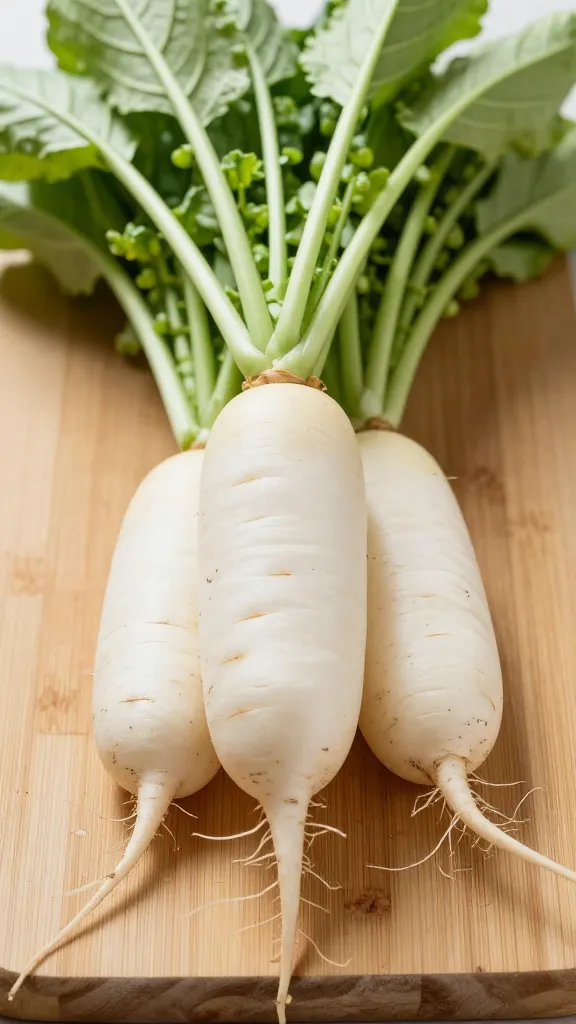
- Radishes: Pull when bulbs look round and smooth. Wait too long and they go spicy and woody—rude.
- Herbs: Pinch tips regularly to keep them bushy and productive.
After-Harvest TLC
– Rinse in cool water, spin dry, and store in a container with a paper towel.
– If you overpicked, make pesto, chimichurri, or a quick herb oil. Waste nothing, eat everything.
Quick Wins for Every Season
You can grow salads most of the year with a few tweaks.
- Spring/Fall: Peak season for lettuce, spinach, arugula. Fast, sweet, easy.
- Summer: Grow heat-tolerant greens (oak leaf lettuce, Malabar spinach) and harvest in the morning. Provide shade.
- Winter (mild climates): Use fabric row covers or a cold frame. Greens love cool weather.
FAQ
How much space do I need to start?
One window box or two medium pots can grow enough greens for a couple of salads a week. Add a larger container or a 2×4-foot raised bed and you’ll feed a small household without breaking a sweat.
Can I grow salad greens indoors?
Yes, near a bright south-facing window or with a simple LED grow light. Keep lights 6–12 inches above plants and run them 12–14 hours daily. Greens don’t mind indoor life as long as they get consistent light and water.
How do I stop my lettuce from turning bitter?
Harvest early in the day, water consistently, and protect from afternoon heat. Pick leaves young—older, stressed plants taste like they hold grudges. Switch to heat-tolerant or bolt-resistant varieties in summer.
Do I need fertilizer if I used compost?
A little supplemental feeding helps, especially in containers where nutrients wash out. Use a gentle organic liquid feed every couple of weeks. Think “smoothie,” not “energy drink.”
What’s the easiest combo for total beginners?
A shallow trough of lettuce mix, a pot of basil, and a quick row of radishes. Low effort, fast results, and you’ll feel absurdly capable in about a month. IMO, that trio builds instant gardening confidence.
How often should I replant?
Sow new greens every 1–2 weeks for a steady supply. Replace tired plants after 6–8 weeks, or switch crops with the season. Succession planting keeps the salad train rolling.
Wrap-Up: Your Salad, Your Rules
You don’t need a big yard, fancy tools, or a degree in horticulture. You just need seeds, containers, sunlight, and the patience of…well, two to three weeks. Start small, harvest often, and tweak as you go. Before long, you’ll toss a bowl of greens you grew yourself and wonder why you ever paid $6 for a plastic box of leaves. FYI: your salads are about to taste way better.