How to Grow Marigolds From Seed for Easy Color All Summer
Marigolds don’t overthink life—and that’s exactly why they’re the perfect seed-starting flower. You toss in some seeds, give them sun, and they show up with bold, happy blooms like they own the place. Want easy color all summer with almost zero drama? Let’s grow marigolds from seed and make your garden look like it got a professional glow-up for the cost of a latte.
Why Marigolds Make Sense (and Cents)
Marigolds check every beginner-friendly box. They sprout fast, grow fast, and bloom like they mean it. Plus, they don’t need fancy soil or coddling.
Bonus points:
- Ridiculously easy to grow: Great germination and low maintenance.
- Sun lovers: They thrive in heat and full sun.
- Versatile: Perfect for borders, beds, containers, and veggie patches.
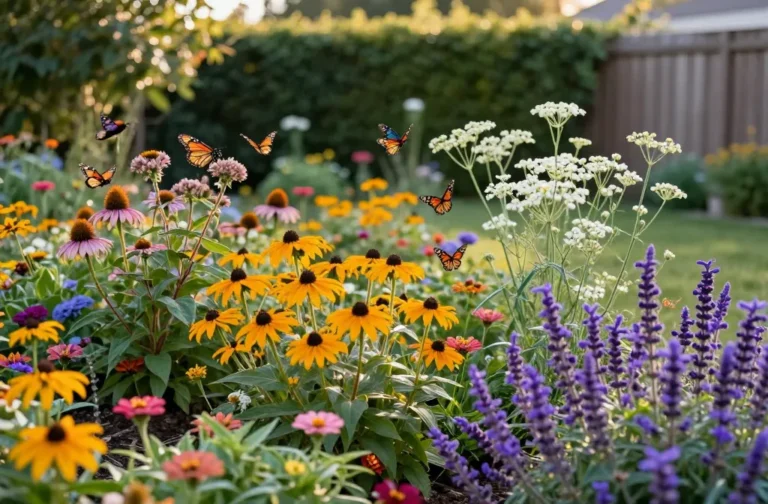
- Pollinator-friendly: Bees and butterflies approve.
- Long bloom season: Color from early summer to frost if you deadhead.
Pick Your Player: Types of Marigolds
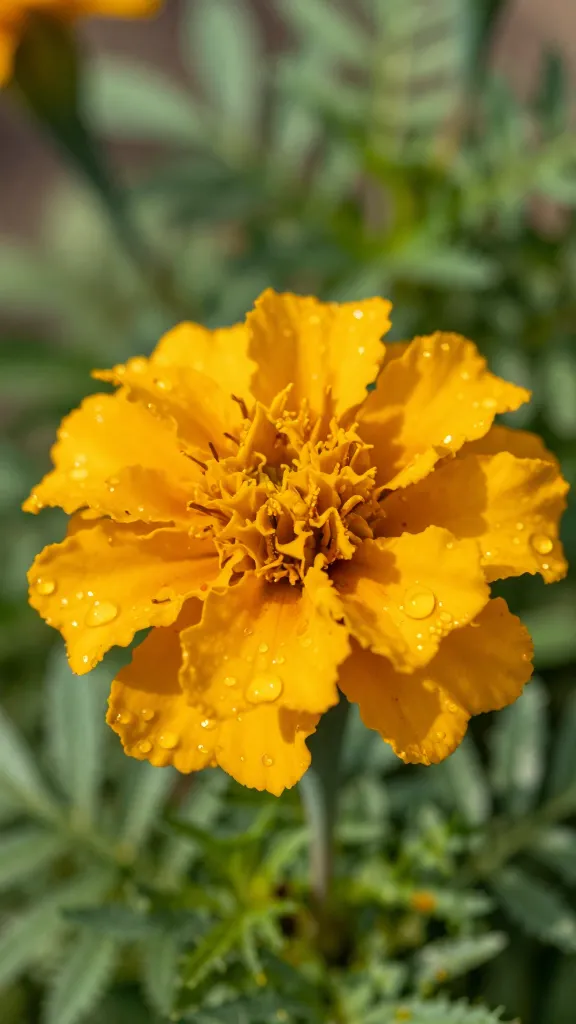
Marigolds aren’t one-size-fits-all. Choose based on height, flower style, and vibe.
- French marigolds (Tagetes patula): Compact, bushy, 6–12 inches tall. Great for edging and pots. Tons of colors and bicolors.
- African/American marigolds (Tagetes erecta): Tall and showy, 18–36 inches. Big, fluffy pom-poms. Ideal for back-of-the-border drama.
- Signet marigolds (Tagetes tenuifolia): Delicate, ferny foliage with small, edible flowers. Zesty citrus flavor—yes, really.
FYI: “African” vs. “French” doesn’t mean they come from those places. It’s just old-school naming nonsense.
When to Start Seeds (and Where)
You can start marigolds indoors or direct-sow outside. Both work. Choose your style.
Indoors (for a head start)
Start seeds 4–6 weeks before your last frost date. That gives you sturdy seedlings ready to bloom early.
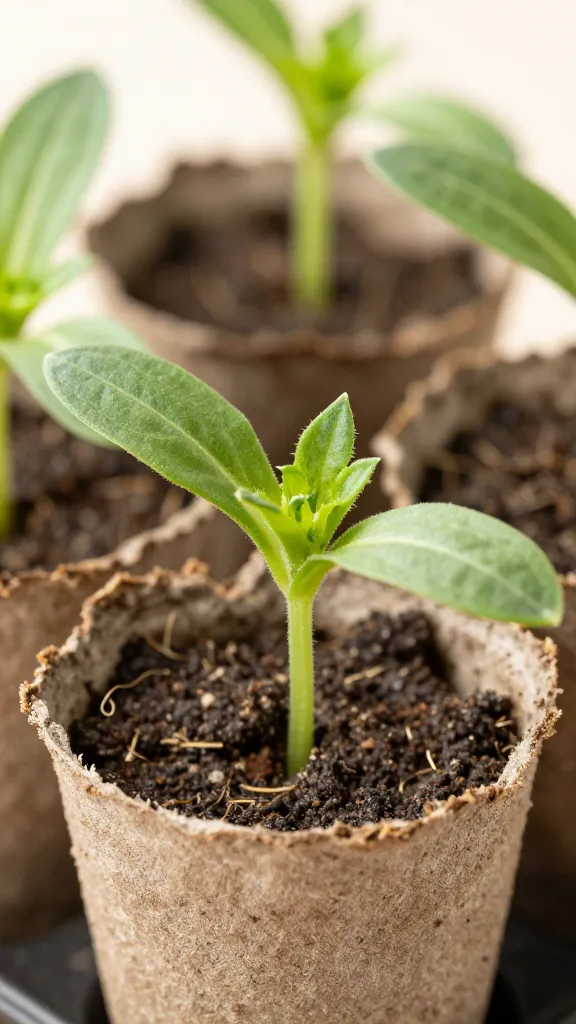
- Use a tray with cells or small pots. Drainage holes are non-negotiable.
- Fill with sterile seed-starting mix. Not garden soil. Not potting mix with bark chunks.
- Sow seeds 1/4 inch deep. They need darkness to germinate.
- Keep the mix moist (not soggy) and warm, around 70–75°F.
- Expect sprouts in 3–7 days. They don’t mess around.
Direct Sowing (low effort, still great)
After danger of frost passes and soil warms, scatter seeds where you want color. Rake lightly to cover about 1/4 inch. Water gently. You’ll see seedlings in a week if the soil stays moist.
Light, Water, and the “Don’t Baby Them” Rule
Marigolds thrive with tough love. Smother them, and they sulk.
- Sun: Give them 6–8 hours of full sun for best blooms.
- Water: Water deeply once or twice a week. Let the top inch of soil dry between waterings.
- Soil: Average, well-drained soil works. They hate soggy roots.
- Fertilizer: Go light. Too much nitrogen = lots of leaves, not many flowers. IMO, a slow-release balanced fertilizer at planting time is plenty.
Hardening Off Seedlings
Grew them indoors? Don’t throw them into full sun like a plot twist. Hardening off prevents sunburn and wind shock.
- Day 1–2: Bright shade for 2–3 hours.
- Day 3–4: Morning sun for 3–4 hours.
- Day 5–7: Half-day sun, then full-day sun by the end of the week.
Keep them out of strong wind the first few days. Water lightly if they wilt.
Planting and Spacing (aka Don’t Create a Jungle)
Overcrowding reduces air flow and invites problems. Give your marigolds elbow room.
- French marigolds: Space 8–10 inches apart.
- Signet marigolds: Space 10–12 inches apart.
- African marigolds: Space 12–18 inches apart.
Plant at the same depth they grew in their cell or pot. Backfill, firm gently, and water to settle the soil. Add a light mulch (straw or shredded leaves) to reduce weeds and keep moisture even.
Container Tips
Marigolds love pots as long as you nail the basics:
- Choose a pot with drainage holes. No, the decorative cachepot without a hole doesn’t count.
- Use high-quality potting mix. Not garden soil—it compacts and drowns roots.
- Water when the top inch dries. Containers dry out faster than beds.
- Pinch the first buds on tall types to encourage bushy growth.
Quick Care Routine for Season-Long Color
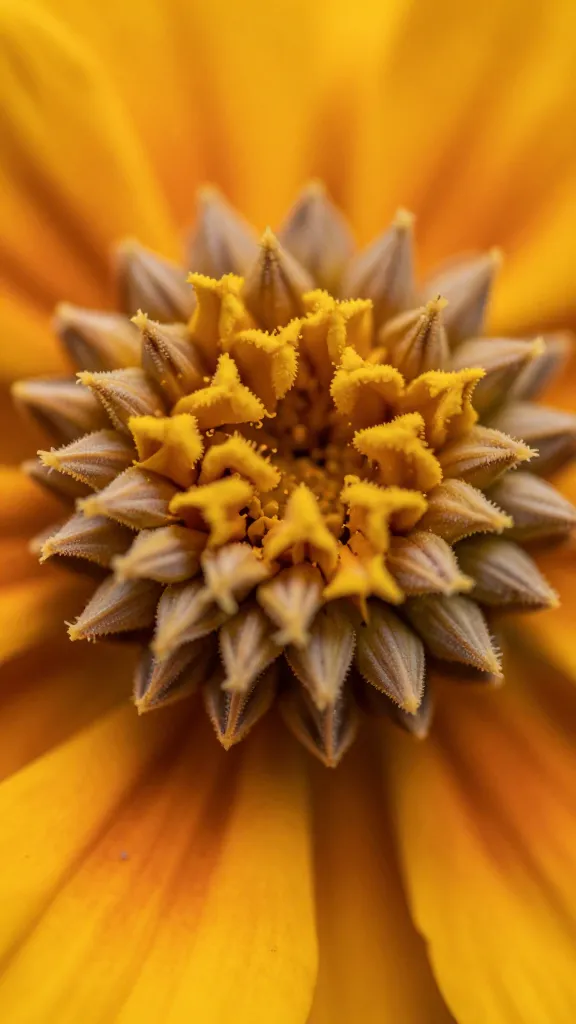
This is the part where you do a little and get a lot.
- Deadhead spent blooms weekly to push continuous flowers. Snip just above a set of leaves.
- Pinch for shape: When seedlings hit 6 inches, pinch the tip once. You’ll get more branches and more blooms.
- Water wisely: Morning is best. Aim for the soil, not the leaves, to avoid fungal drama.
- Stake the tall ones: African marigolds can flop in storms. A simple bamboo stake keeps them classy.
Pests and Problems (and Why You’ll Probably Dodge Them)
Marigolds resist most pests, but nothing’s perfect.
- Aphids: Blast with water or use insecticidal soap. Ladybugs will handle the rest.
- Spider mites: Dry, hot conditions invite them. Increase humidity and spray undersides of leaves.
- Powdery mildew: Happens with poor airflow. Space plants properly and water the soil, not the leaves.
- Slugs/snails: Rare, but they’ll nibble seedlings. Use traps or pellets if needed.
FYI: A heavy, constant fertilizer hand creates leafy giants with fewer flowers. Resist the urge.
Seed Saving: Free Flowers Next Year
Want the ultimate gardening life hack? Save your own seeds. It’s absurdly easy.
- Let a few blooms dry on the plant until they turn brown and papery.
- Pluck the spent heads and pull apart the base. You’ll find a fan of black-and-tan needle-like seeds.
- Dry the seeds for a few days on a paper towel.
- Store in a labeled paper envelope in a cool, dry spot.
Note: Hybrids may not come true-to-type next year, but half the fun is seeing what you get. If you want consistent results, stick with open-pollinated varieties.
Companion Planting and Design Ideas
Marigolds bring more than color—they bring balance to the garden party.
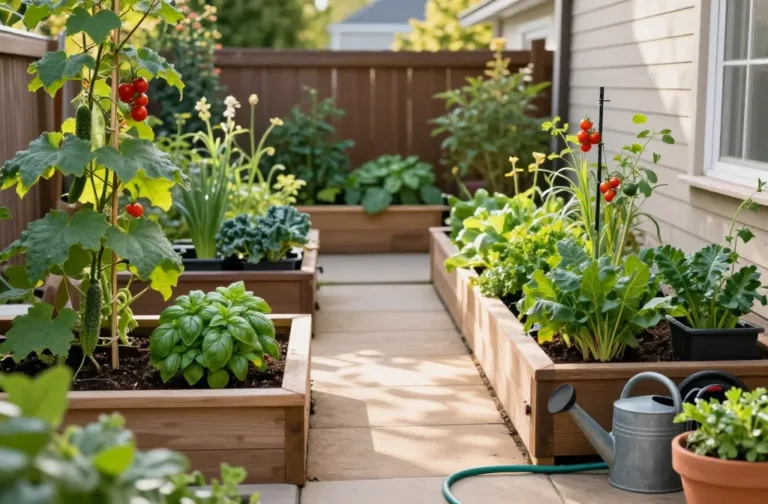
- Veggie patch MVP: Plant near tomatoes, peppers, and beans for pollinator traffic and general good vibes.
- Edging genius: French marigolds line pathways and keep everything looking tidy.
- Color combos: Pair gold/orange marigolds with purple salvia or deep-blue lobelia for contrast that pops.
- Containers: Mix signet marigolds with herbs like basil and thyme. Pretty and practical.
So… Do Marigolds Repel Pests?
Short answer: Sort of, but not like a forcefield. Their scent can confuse some pests, and certain varieties help suppress soil nematodes over time. But don’t expect them to single-handedly defend your tomatoes like tiny floral bodyguards. Think “supporting role,” not “superhero.”
FAQ
Do marigold seeds need light to germinate?
Nope. They prefer darkness. Cover seeds with about 1/4 inch of mix and keep them warm and moist. You’ll see sprouts within a week if you nail the temperature.
Why are my marigold seedlings tall and floppy?
They’re stretching for light. Move them to a brighter window or use a grow light 2–4 inches above the tops. A small fan on low also strengthens stems. Next time, start them with strong light from day one.
Can I grow marigolds in shade?
They’ll tolerate light shade, but they bloom less and look meh. For best color and compact plants, give them full sun for most of the day. Shade-grown marigolds = more leaves, fewer flowers.
How often should I fertilize marigolds?
Sparingly. Mix a slow-release fertilizer into the soil at planting, then maybe a light liquid feed midseason if growth stalls. Overfeeding kills bloom production, IMO.
Are marigolds edible?
Signet marigold petals are edible and taste citrusy. Use them in salads, butter, or as garnish. Avoid eating African/French marigold petals in quantity—they’re more bitter and resinous.
What’s the fastest way to get nonstop blooms?
Give them full sun, moderate water, and deadhead weekly. Pinch young plants once, avoid heavy fertilizer, and don’t crowd them. That combo keeps the flower factory running.
Wrap-Up: Easy Seeds, Big Payoff
Marigolds deliver instant garden gratification with almost no hassle. Start a tray indoors, or sprinkle seeds outside once it’s warm, then give them sun and a little space. Keep the water reasonable, snip off old blooms, and watch them crank out color for months. Cheap, cheerful, and reliable—honestly, they’re the low-drama friends every garden needs.