The Secret to How to Refresh Old Potting Soil Instead of Throwing It Away
You’ve got tubs of tired potting soil hanging around, right? It looks dusty, smells meh, and your plants roll their eyes at it. Good news: you don’t need to toss it. You can rehab that sad dirt into a thriving, plant-loving mix with a few tweaks and a little patience.
Know What “Tired” Soil Actually Means
Old potting soil usually loses nutrients, structure, and microbial life. It compacts, drains poorly, and plants struggle. You’ll also find old roots, salt buildup, and maybe a fungus gnat or three. Cute.
What’s the fix? You restore structure, reintroduce life, and top up nutrients. Think spa day, but for dirt.
Do a Quick Health Check First
Before you start mixing like a TV chef, inspect the soil. You’ll save yourself time (and heartbreak).
- Smell test: Healthy soil smells earthy. Sour or rotten smells = anaerobic funk. Spread it to dry and recover it, or ditch that batch if it’s truly gross.
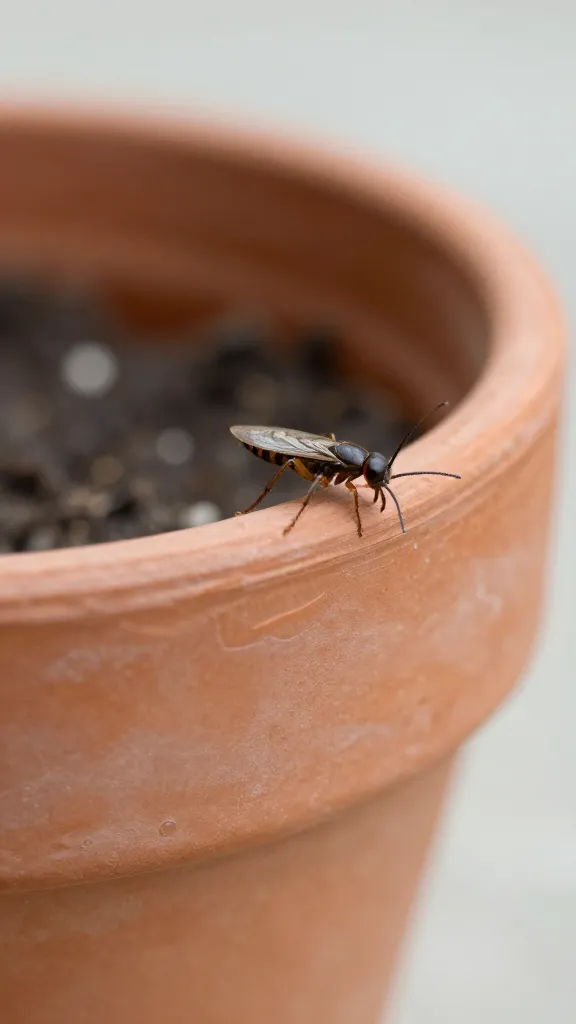
- Pest patrol: See fungus gnats, larvae, or white fuzz? Bake or solarize the soil (details below) before you reuse it.
- Texture check: Grab a handful. If it forms a dense clump and stays that way, it needs fluff and drainage.
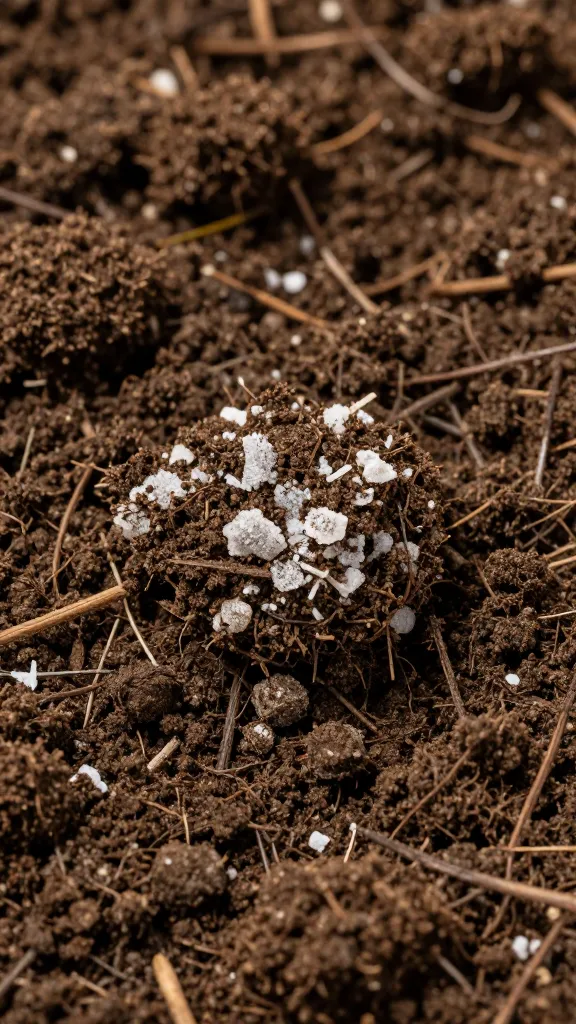
- Salt crust: White crust on top screams fertilizer salt. You’ll need to flush it.
When to Toss Instead of Fix
If the soil hosted diseased plants (root rot, blight), or smells like sewage even after drying, skip the rehab. IMO, it’s not worth risking your healthy plants.
Clean It Up: Prep and Pasteurize
You don’t need lab gear. You just need a plan.
- Remove roots and debris: Pull old roots, perlite dust, sticks, and any mystery gunk. A mesh sieve helps.
- Flush salts: For container soil with fertilizer buildup, put soil in a colander or fabric pot and run water through it until runoff clears. Let it drain well.
- Dry it out: Spread soil on a tarp in the sun for a day or two. This reduces gnats and resets moisture.
Low-Tech Pest Control Options
– Solarization: Spread soil in a thin layer on a black plastic sheet, cover with clear plastic, and leave in full sun 2–3 days (hot weather works best).
– Oven pasteurization: For small batches, bake slightly moist soil at 180–200°F (82–93°C) for 30 minutes. FYI, it smells earthy; crack a window.
– Microwave: Not my favorite, but you can nuke a small, moist batch for a few minutes. Let it cool fully.
Note: Pasteurizing knocks back bad stuff but also reduces good microbes. We’ll add them back, promise.
Rebuild the Structure: Fluff, Drain, Repeat
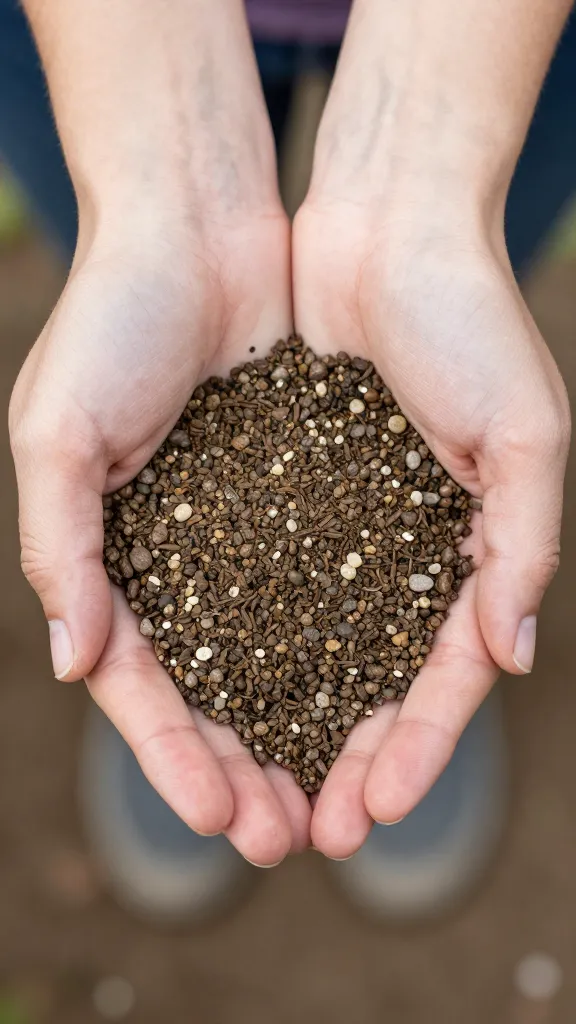
Old potting soil compacts. Plants hate compact. You’ll add ingredients that create air pockets and improve drainage.
Great structure boosters:
- Perlite or pumice: Lightens and aerates. Perlite floats; pumice sinks. Both work.
- Coconut coir: Adds moisture retention without getting soggy. Rinse if it’s salty.
- Bark fines (orchid or pine): Adds chunky structure and long-term aeration.
- Compost (mature, screened): Improves texture, adds life and nutrients.
My Go-To Refresh Ratios
– General houseplants: 2 parts old soil + 1 part compost + 1 part perlite/pumice + 0.5 part coir
– Succulents/cacti: 2 parts old soil + 1.5 parts perlite/pumice + 0.5 part compost + 0.5 part bark fines
– Leafy edibles in pots: 2 parts old soil + 1 part compost + 1 part coir + 0.5 part perlite
Mix thoroughly. Aim for a light, crumbly feel that drains but doesn’t run through like a sieve.
Recharge Nutrients and Microbes
Old soil runs on empty. You’ll top it off like a car that forgot oil changes for a year.
Slow-release nutrition options:
- Compost: MVP for nutrients and microbes. Use 20–30% of your final mix.
- Worm castings: 10–20% adds gentle nutrients and beneficial microbes. Plants adore it.
- Organic fertilizers: A balanced granular (e.g., 4-4-4) mixed in at label rates keeps things steady.
- Biochar (charged): Adds habitat for microbes and buffers nutrients. Pre-soak in compost tea or fertilizer first.
Kickstart the Soil Life
– Compost tea: Drench the refreshed mix with a simple compost tea or diluted fish/seaweed fertilizer.
– Mycorrhizae: Dust roots or mix into the soil when potting. It helps roots explore and absorb more.
– Leaf mold: A handful brings diverse microbes. IMO, it’s underappreciated magic.
Tune the Mix to Your Plants
One size fits nobody. Customize based on what you grow.
- Herbs and Mediterranean plants: Like it lean and fast-draining. Go heavy on perlite/pumice and bark. Easy on compost.
- Tropical foliage: Wants moisture plus air. Add coir and bark, keep perlite moderate.
- Seed starting: Use only a portion of refreshed soil (25–30%) with sterile seed mix to reduce damping-off risk.
- Heavy feeders (tomatoes, peppers): Mix in extra compost and a slow-release organic fertilizer. Top-dress mid-season.
pH and Extras
– pH balance: Most potting mixes land around 6–7. Add a pinch of garden lime if you use lots of coir or acidic compost.
– Moisture management: A teaspoon of wetting agent (yucca extract or a tiny bit of mild soap) in the first watering helps re-wet hydrophobic mixes.
– Grit for drainage: For succulents, add 10–20% coarse sand or chicken grit. Skip play sand—it compacts.
Pot, Water, and Maintain Like a Pro
You rebuilt the soil—don’t sabotage it with bad habits.
- Right pot, right hole: Use containers with proper drainage. Add a mesh over holes to stop soil loss. No rocks at the bottom (myth alert).
- Watering: Water deeply, then let the top inch dry (or more for succulents). Adjust for season and plant size.
- Top-dress each season: Add 0.5–1 inch of compost or worm castings to keep nutrients coming.
- Fertilize smart: Light, regular feeding beats occasional heavy dumps. Your plants will flex, not sulk.
Storage Tips for Extra Mix
– Store in a lidded tote or roll-top bag.
– Keep it slightly moist to support microbes, but not soggy.
– Label the mix (date + ingredients). Future you will say thanks.
FAQs
Can I reuse potting soil that had mold or fungus gnats?
Yes, with treatment. Dry the soil thoroughly, then solarize or oven-pasteurize it to reduce pests and spores. Rebuild structure and re-inoculate microbes afterward. Gnats hate drier top layers, so add a thin layer of sand or grit on top when you pot up.
How often can I refresh the same soil?
Indefinitely, as long as you maintain it. Each season, remove old roots, add compost or worm castings, and adjust drainage. Think of it like sourdough starter—you keep feeding it, it keeps giving back.
Do I need to sterilize every time?
No. If the previous plant was healthy and you don’t see pests, skip sterilization. Overdoing it wipes out beneficial life. FYI, a healthy microbe community helps prevent future problems.
Is garden soil okay to mix in?
I wouldn’t. It compacts in containers and can introduce pathogens. If you want “real soil” vibes, use screened compost plus a bit of leaf mold and charged biochar instead. Better airflow, fewer headaches.
What if my refreshed soil still dries out too fast?
Boost water retention: add more coir, compost, or a pinch of vermiculite. Mulch the top with fine bark or coco chips to slow evaporation. And check pot size—tiny pots dry like a hairdryer hit them.
Can I use coffee grounds or eggshells directly?
In small amounts, sure, but compost them first for best results. Fresh grounds can clump and skew moisture; eggshells take ages to break down. Compost turns them into plant-friendly goodness faster.
Wrapping It Up
Refreshing old potting soil isn’t a chore—it’s a cheat code. You rescue your budget, cut waste, and give plants a cushy home that actually drains and feeds them. Rebuild structure, recharge nutrients, reintroduce life, and tailor the mix to your plant squad. Do that, and your “old” soil performs like new—IMO, even better. Happy mixing!