When to Deadhead Flowers and Which Plants Need It Most Now
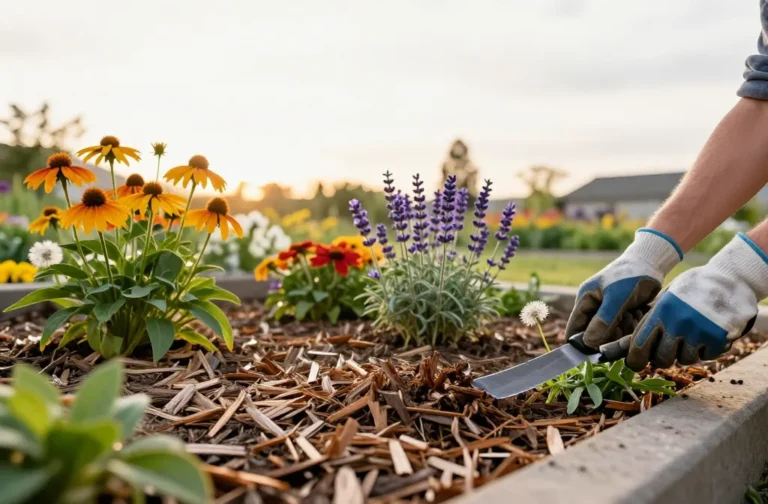
Deadheading sounds a little dramatic, right? But it’s just gardener-speak for snipping off spent blooms so your plants put energy into fresh flowers instead of making seeds. Do it right, and you’ll squeeze extra color from your beds, keep things tidy, and maybe even wow the neighbors. Do it wrong, and… well, nothing explodes, but you’ll miss out on bonus blooms.
Why Deadheading Works (And Why Plants Care)
Plants have one mission: make seeds and ensure the next generation. Flowers are their billboards. Once a flower fades and starts setting seed, the plant often slows down on new blooms. When you remove the spent flowers, you basically trick the plant into trying again.
Result: more flowers, longer bloom time, and a cleaner-looking garden. Also fewer random seedlings popping up where you didn’t plan them. Win-win.
When To Deadhead: The Simple Timing Rules
You don’t need a lunar calendar or a microscope. Follow these easy cues:
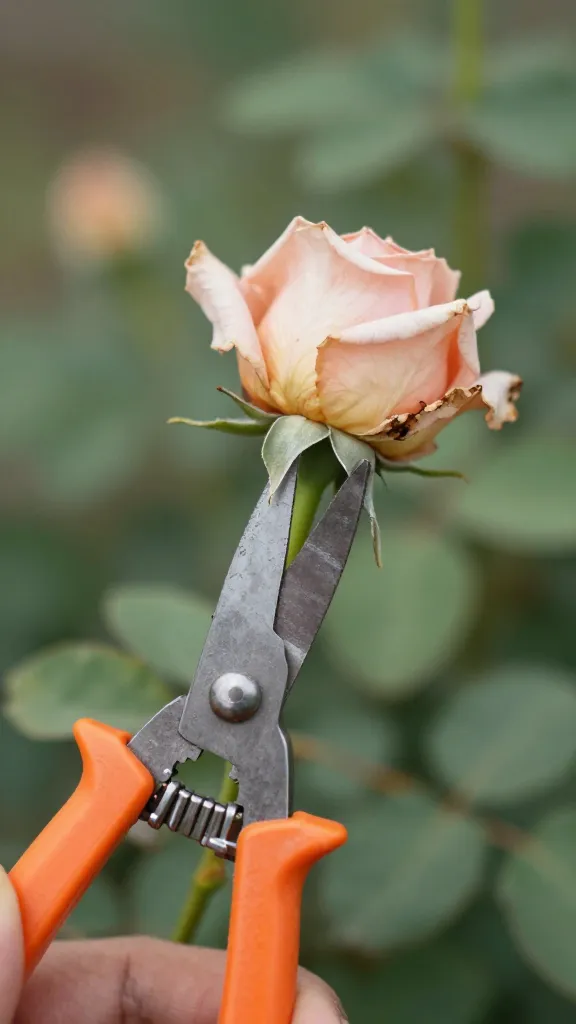
- Catch blooms just as they fade. When petals wilt, brown, or drop, snip.
- Don’t wait for seed pods to develop. If you see swelling pods, the plant’s already in seed mode.
- Deadhead regularly during peak bloom. A quick weekly sweep works wonders.
- Stop late in the season if you want winter interest. Seed heads on coneflowers or ornamental grasses look gorgeous and feed birds.
Morning vs. Evening
Deadhead when it’s cool (morning or evening). Midday heat stresses plants. Also, FYI, you’ll wilt too.
Which Plants Benefit Most (And Which Don’t)
Some plants throw a party when you deadhead. Others shrug. Here’s who to prioritize:
Big Winners: Deadhead Often
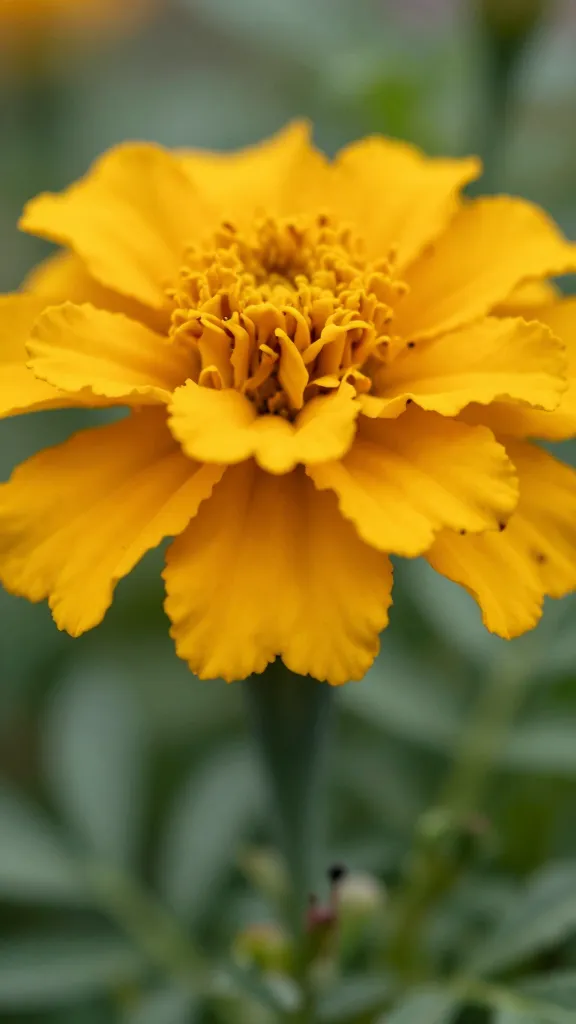
- Annuals: Petunias, marigolds, zinnias, cosmos, geraniums (pelargoniums), snapdragons, calibrachoa. These pump out blooms nonstop if you keep spent flowers off.
- Repeat-blooming perennials: Coreopsis, salvia (perennial types), dianthus, veronica, catmint (Nepeta), shasta daisy (to tidy and encourage more), gaillardia.
- Shrubs with repeat blooms: Roses (especially floribunda and hybrid tea), reblooming hydrangeas like Endless Summer (light tidy helps), butterfly bush (Buddleja).
Occasional Winners: Deadhead Strategically
- Early perennials: Delphiniums, lupines — cut back after the first flush to encourage a smaller second act.
- Daylilies: Snap off spent blooms daily; remove finished scapes to keep plants neat and encourage steady flowering.
- Dahlias: Religiously deadhead for constant color until frost. They live for attention, IMO.
Don’t Bother (or Be Careful)
- Self-cleaning annuals: Calibrachoa (many varieties), impatiens, some new petunias drop spent blooms on their own. Light grooming only.
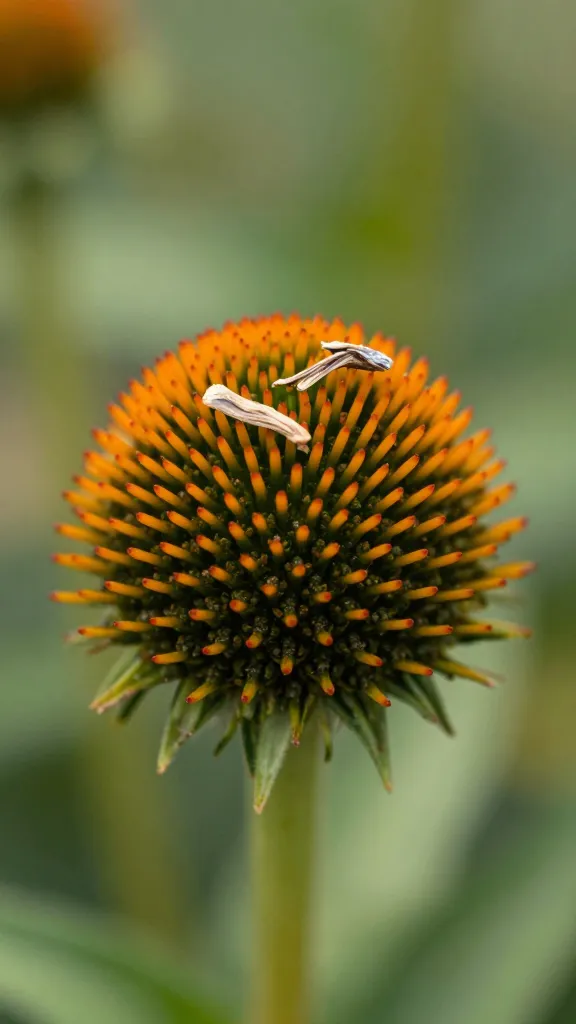
- Plants grown for seed heads: Echinacea, rudbeckia, ornamental grasses — birds love them, and they look pretty in winter.
- Bulbs: Tulips and daffodils — remove spent flowers so they don’t set seed, but leave the foliage until it yellows. Don’t chop the leaves early.
- Woody shrubs with single seasonal bloom: Lilacs, forsythia — deadheading won’t spark a second bloom. You can remove spent clusters for looks, but it’s optional.
How To Deadhead Without Stressing Your Plants
Think of it as a tiny haircut. Precision helps, but perfection isn’t required.
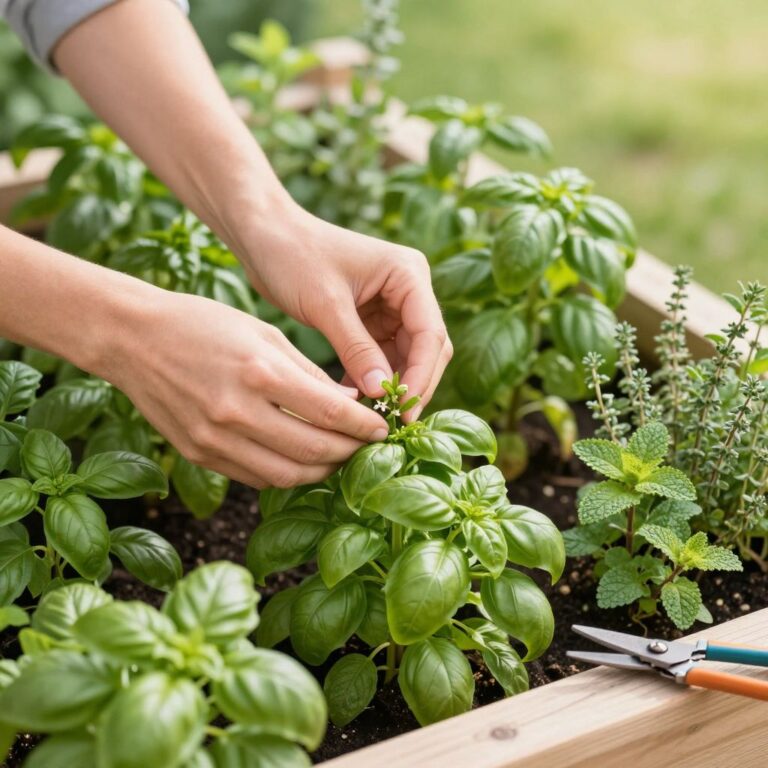
- Use sharp, clean tools. Snips or scissors for thin stems; pruners for woody stems. Pinch soft annuals with your fingers if you must.
- Cut to a leaf node or side bud. Find the first set of healthy leaves below the spent flower and cut just above it at a slight angle.
- For clusters (like yarrow or salvia), remove the whole flower stalk down to the next side shoot with buds.
- For daisies and cone-shaped blooms, follow the stem down to a new lateral bud and cut there.
- Sanitize if disease shows up. Wipe blades with alcohol between plants when you see fungus or spots.
Shear vs. Snip
Some plants prefer a quick buzz cut after a big flush:
- Shear back catmint, coreopsis, and hardy geraniums by one-third to one-half. They’ll push fresh foliage and more blooms.
- Snip individually on roses, dahlias, and zinnias for cleaner stems and better rebloom.
Plant-by-Plant Quick Guide
Roses: Cut just above a five-leaflet leaf facing outward. For shrub and landscape roses, you can simply remove spent clusters back to a strong leaf.
Geraniums (pelargoniums): Snap or cut entire flower stalks at the base.
Petunias: Remove the spent bloom with a bit of stem; occasionally pinch back leggy growth by one-third.
Salvia (perennial or annual): Cut spent spikes to the next set of leaves; shearing after a flush works too.
Coreopsis: Shear mid-season for a strong encore.
Dahlias: Look for a spent bloom (pointed center) vs. a bud (rounded, smooth). Cut to the next set of leaves.
Zinnias: Cut stems back to a set of leaves; enjoy longer vase life too.
Coneflowers/Rudbeckia: Deadhead early for more blooms, or leave later flowers for birds.
Lavender: After the first bloom, shear back spent wands without cutting into woody stems; you’ll get a lighter second show.
Common Mistakes (And How To Avoid Them)
- Cutting too high: Leaving a stub invites disease and looks messy. Cut just above a leaf node.
- Going too hard, too late: Aggressive late-season shearing can push tender new growth that frost zaps. Ease up after late summer.
- Ignoring foliage on bulbs: You can remove spent blooms, but never remove green leaves early. They recharge next year’s show.
- Deadheading plants that set hips or decorative fruit: Roses with showy hips (rugosa types) look great in fall; don’t deadhead if you want those.
- Not watering or feeding after a big cut: Plants need a little support to rebound. Give water and a light, balanced feed.
Pro Tips For Maximum Bloom Power
- Pair deadheading with grooming. Remove yellow leaves and weak stems so plants channel energy where it counts.
- Fertilize lightly during active bloom. Use a balanced or bloom-leaning fertilizer, but don’t overdo nitrogen (you’ll grow leaves, not flowers).
- Mulch smart. A 2-3 inch layer keeps roots cool and reduces stress, which equals more blooms. IMO, it’s the laziest way to look like you work hard.
- Water deeply, not constantly. Stress suppresses rebloom. Let soil dry slightly between waterings for most flowering plants.
- Track bloom cycles. If a plant restarts 2-3 weeks after a shear, set a reminder so you time cuts before vacations. You’ll come home to color, not crispy stalks.
FAQ
Do I have to deadhead every day?
Nope. A quick weekly check works for most gardens. If you grow dahlias, zinnias, or petunias, you’ll get better results with a midweek touch-up, but you don’t need to baby them daily.
Can I compost the spent flowers?
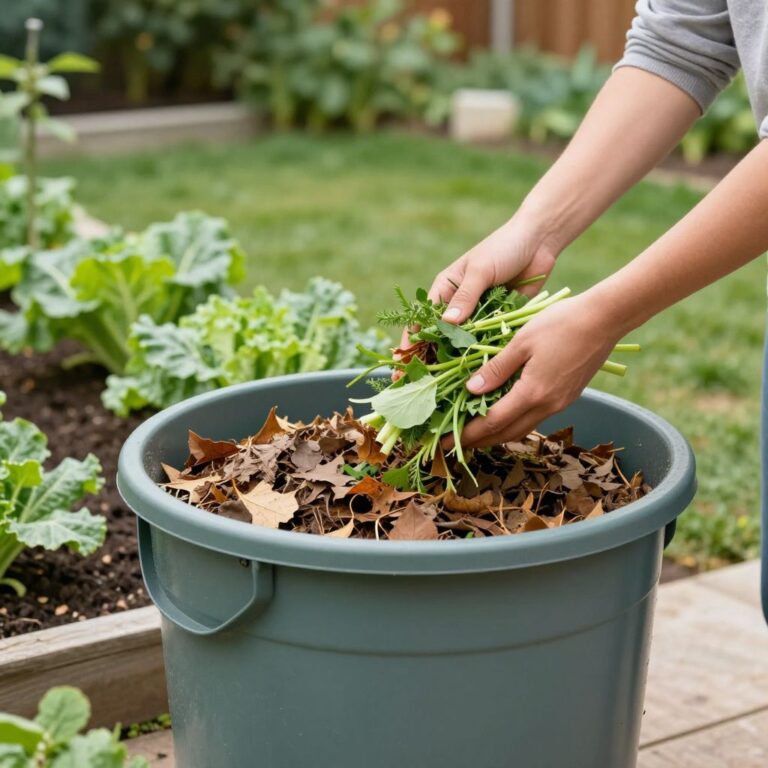
Yes. Toss healthy trimmings into your compost. Skip anything with visible disease or pests; bag and trash those so you don’t spread problems.
Why did my plant stop blooming even though I deadhead?
Check light, water, and nutrients. Many bloomers need full sun, regular moisture, and a little fertilizer. Heat waves can also pause flowering; plants catch their breath, then bounce back when temps cool.
Should I deadhead in extreme heat or drought?
Lightly, if at all. Focus on watering and shade. Heavy pruning during stress can slow recovery, so wait until conditions improve before major cuts.
What about wildflowers—should I deadhead them?
Depends on your goal. If you want natural reseeding and a meadow vibe, let seed heads mature. If you want tidy beds and fewer volunteers, deadhead selectively.
Will deadheading make plants bushier?
Often, yes. Cutting above a leaf node encourages branching. More branches usually mean more blooms. It’s basically free plant multiplication without the chaos.
Wrap-Up: Snip Smart, Bloom Longer
Deadheading isn’t fussy, and it pays off fast. Prioritize heavy bloomers like annuals, repeat-blooming perennials, and roses. Cut just above healthy leaves, shear the right plants after big flushes, and ease up late season if you want pretty seed heads. Keep it simple, stay consistent, and your garden will flex all season, FYI.