15 Best Plants for a Butterfly Garden Full of Color and Movement Guide
Want your yard to look like a living kaleidoscope? Plant the right flowers and butterflies will RSVP yes all season. These 15 picks crank up color, nectar, and nonstop flutter. Ready for a garden that basically moves on its own?
Let’s stack your beds with nectar magnets, host plants, and non-stop bloomers so butterflies never want to leave. Sun hat on, watering can ready? Let’s go.
1. Milkweed Mania: Monarchs’ Ride-Or-Die
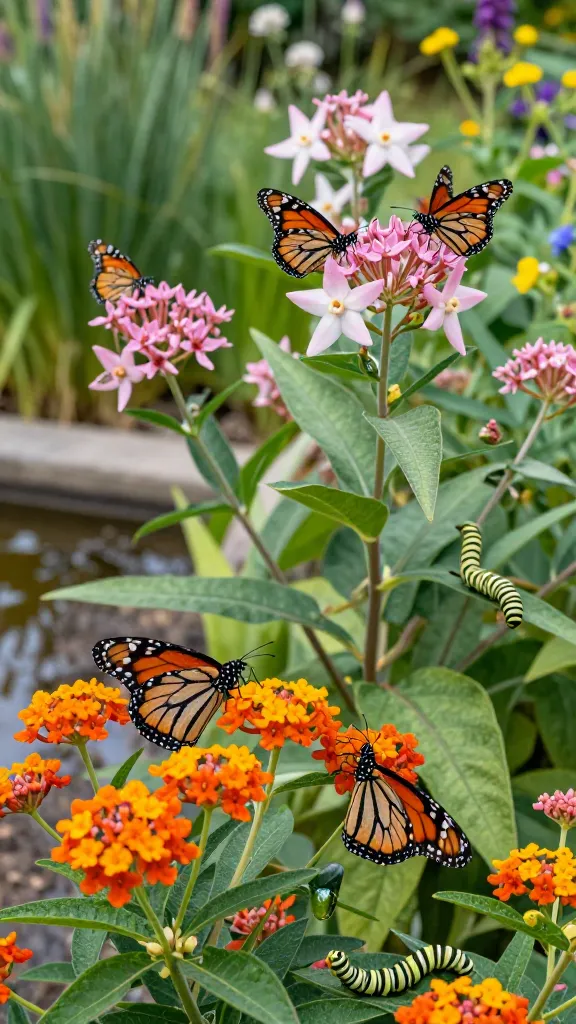
Milkweed isn’t optional—Monarchs need it to lay eggs and feed their caterpillars. It also pumps out nectar for tons of species, so it’s a crowd-pleaser with VIP perks.
Top Picks
- Swamp Milkweed (Asclepias incarnata): loves moist soil, pink blooms
- Butterfly Weed (Asclepias tuberosa): drought-tough, blazing orange
- Showy Milkweed (Asclepias speciosa): big, starry flowers
Plant local species and skip pesticides. You’ll fuel Monarchs and boost your whole pollinator scene.
2. Coneflower Glow-Up: Easy, Breezy, Nectar-Fueled
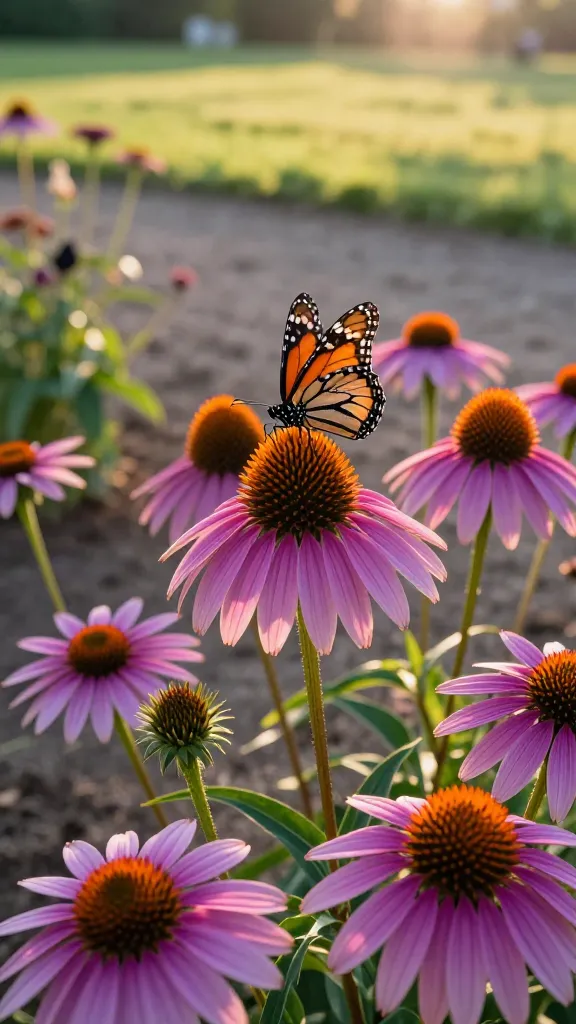
Coneflowers (Echinacea) deliver long-lasting color with zero drama. Butterflies love the landing-pad centers and steady nectar drip.
Tips
- Pick purples and pinks for reliable nectar (fancy doubles can underperform)
- Deadhead to extend bloom, leave late-season seeds for birds
- Full sun and well-drained soil—don’t overwater
Perfect for beginner gardeners who want months of action with minimal effort. Seriously, it’s set-and-forget.
3. Lantana Fireworks: Heat-Loving Butterfly Magnet
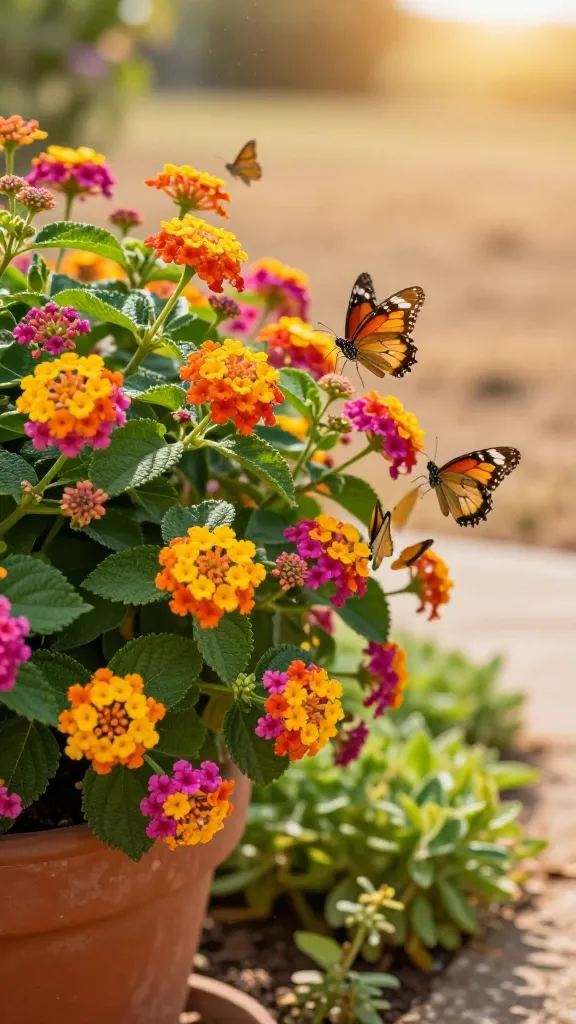
Lantana throws confetti all summer—clusters shift colors as they age, which butterflies adore. It thrives in heat where other plants tap out.
Why It Slaps
- Nonstop blooms in hot, dry spots
- Compact patio pots or sprawling groundcover
- Attracts Swallowtails, Skippers, and Sulphurs
Use it to color-bomb sunny edges and containers. Bonus: it shrugs off neglect—IMO, a power move.
4. Butterfly Bush, But Make It Responsible
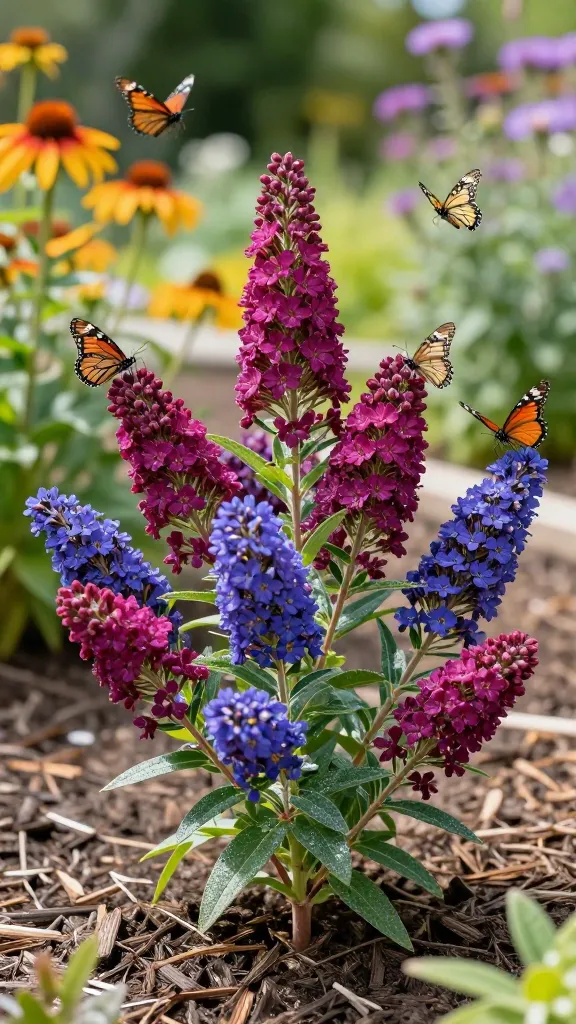
Butterfly bush (Buddleja) smells amazing and draws in clouds of butterflies. However, some species go invasive—choose sterile or native-friendly cultivars.
Do It Right
- Look for sterile types like ‘Blue Chip’ or ‘Miss Molly’
- Prune in early spring to keep it blooming and tidy
- Full sun and decent drainage = flower factory
When planted responsibly, it’s a nectar buffet that keeps wings flapping from summer to frost.
5. Joe-Pye Weed: Tall, Fluffy, And Unbelievably Popular
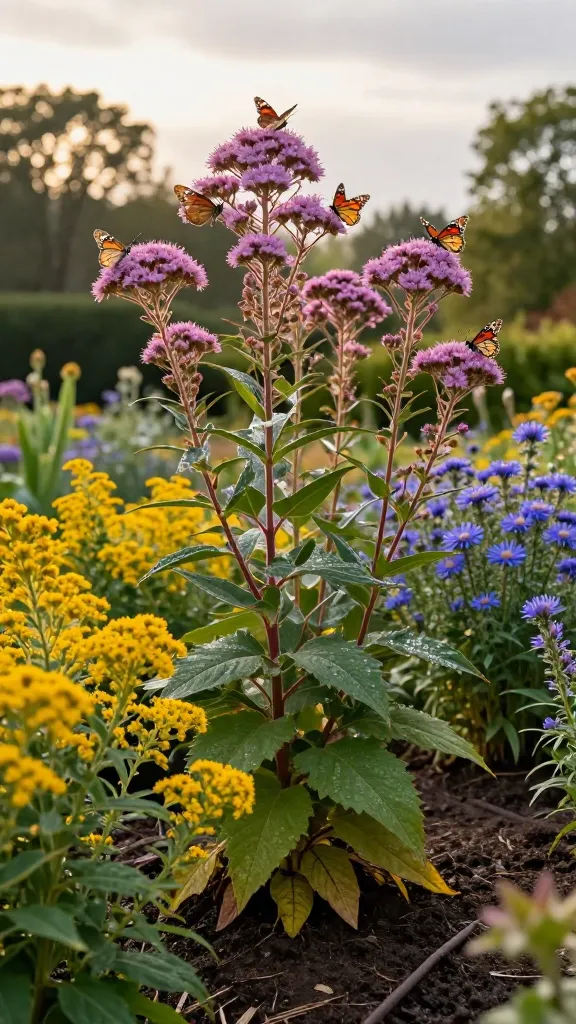
Joe-Pye weed (Eutrochium) stacks big mauve plumes at exactly the height butterflies love. It’s a late-summer nectar bomb that fills a crucial food gap.
Placement
- Back-of-border drama, 4–7 feet tall
- Moist soil or rain garden hero
- Pairs with goldenrod and asters for fall fireworks
Use it to anchor your garden and keep migration-season butterflies tanked up.
6. Zinnias For Days: Annuals With Instant Gratification

Zinnias throw color like they’re getting paid for it. Single and semi-double forms give butterflies easy access to nectar.
Grower Notes
- Direct sow after frost for fast, cheap color
- Choose ‘Benary’s Giant’ or ‘Profusion’ series
- Deadhead for nonstop blooms; space for airflow
Great for cutting, great for kids, great for butterflies—honestly, what can’t they do?
7. Aster Encore: Autumn Nectar Lifeline
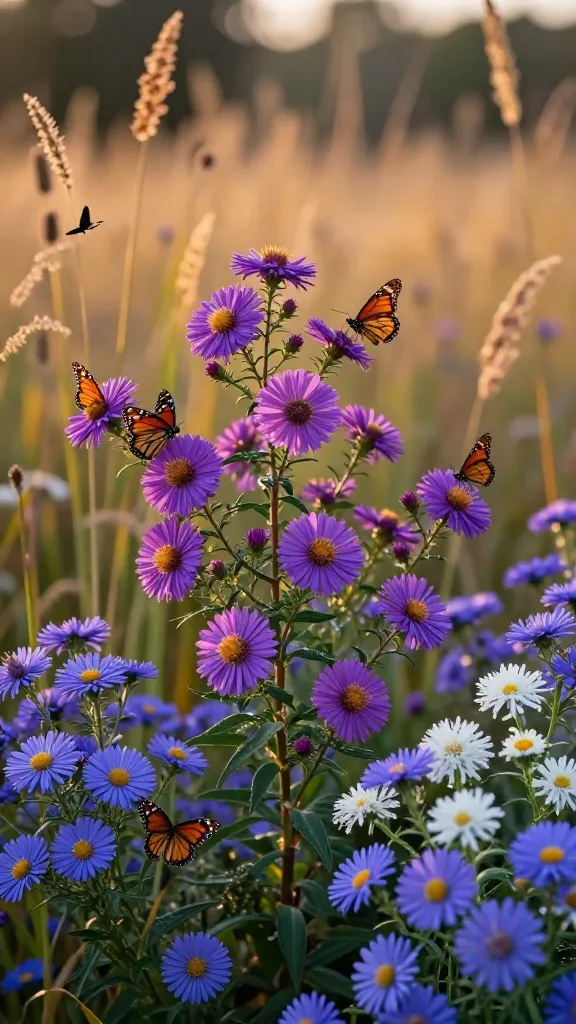
Asters light up the fall garden when everything else clocks out. Migrating butterflies rely on their late nectar to fuel long trips.
Best Bets
- New England Aster (Symphyotrichum novae-angliae): tall, saturated color
- New York Aster (S. novi-belgii): tons of blooms, compact options available
- Calico Aster: airy clouds of tiny flowers
Blend asters with grasses for a wild, natural look that feeds butterflies late in the season.
8. Black-Eyed Susan: Sunny Faces, Zero Fuss
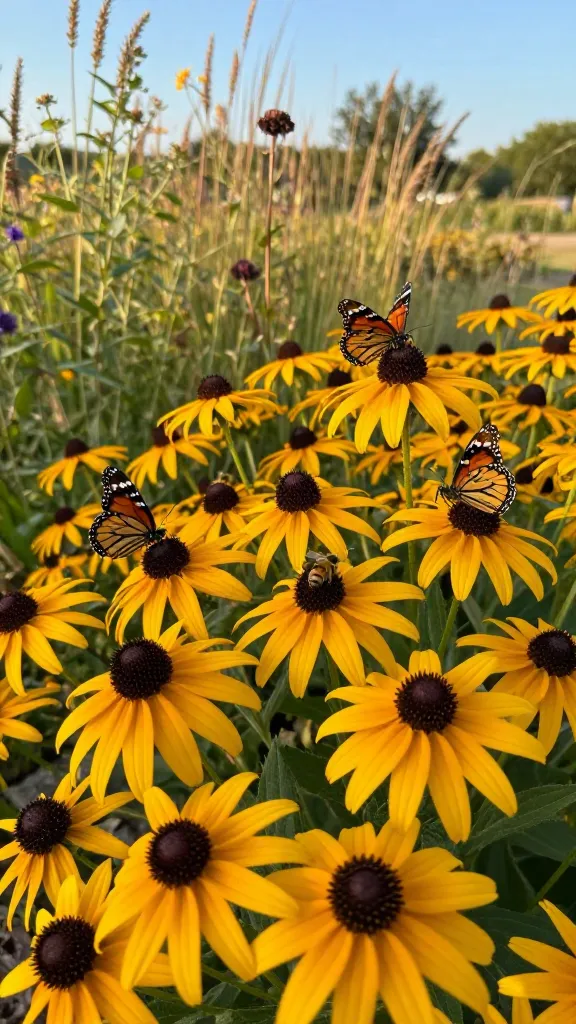
Black-eyed Susans (Rudbeckia) shine in mid-to-late summer with bold yellow petals and chocolate centers. Butterflies and bees pile on like it’s brunch.
Key Points
- Full sun, average soil, drought-tolerant once established
- Try ‘Goldsturm’ for reliability or native R. hirta for annual punch
- Leave seedheads for winter birds
Ideal for beginners who want serious color and pollinator traffic without babysitting.
9. Verbena Bonariensis: Airy Stems, Big Payoff
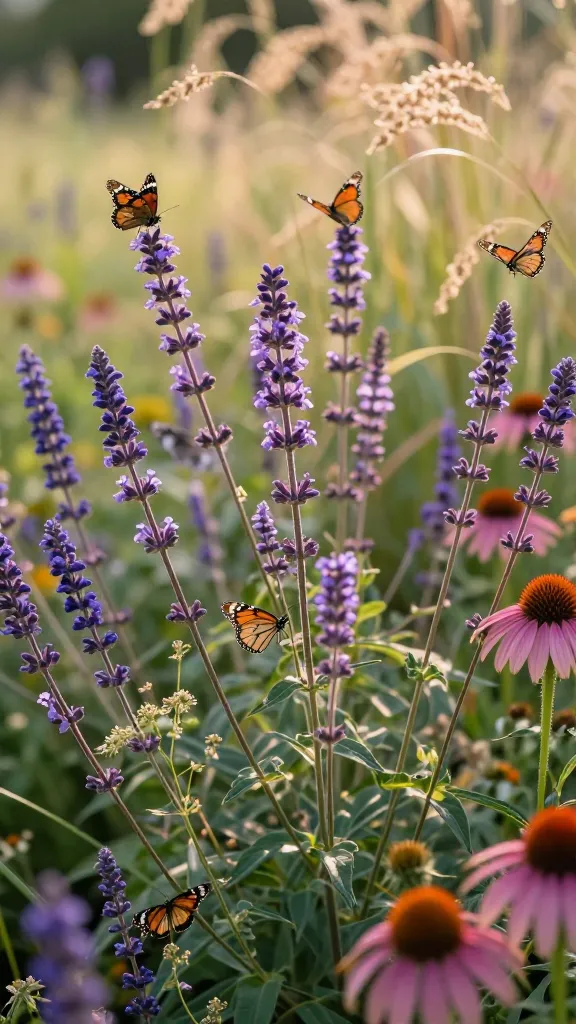
Tall verbena floats purple clusters at eye level—perfect for butterfly landings. It threads through beds without hogging space.
Why Gardeners Love It
- Self-seeds lightly for a naturalized look
- Plays well with coneflowers, salvias, and grasses
- Bloom machine from early summer to frost
Use it to add height, movement, and constant butterfly action with hardly any maintenance.
10. Salvia Superchargers: Nectar On Tap
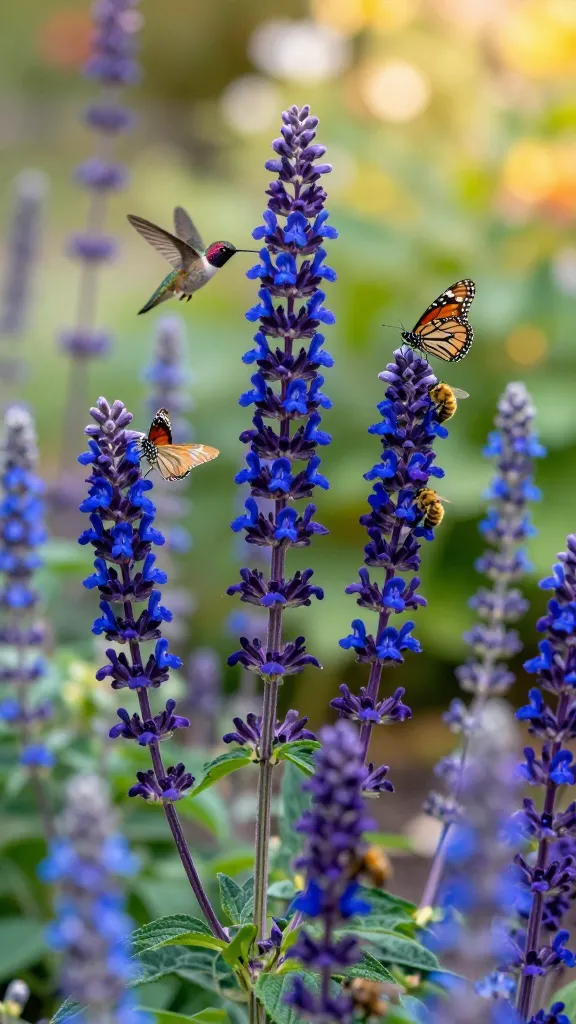
Salvias pump out spikes of nectar-rich flowers in juicy blues and purples. Butterflies, bees, and hummingbirds create a constant buzz (literally).
Top Types
- Salvia guaranitica (‘Black and Blue’): hummingbird fave, butterflies approve
- Salvia nemorosa (‘Caradonna’, ‘May Night’): sturdy perennials
- Mealycup Sage (S. farinacea): reliable annual in cooler zones
Cut back after the first flush and you’ll get encore performances all season. Trust me, it’s worth the snip.
11. Pentas Party: Starry Blooms, Summer-Long
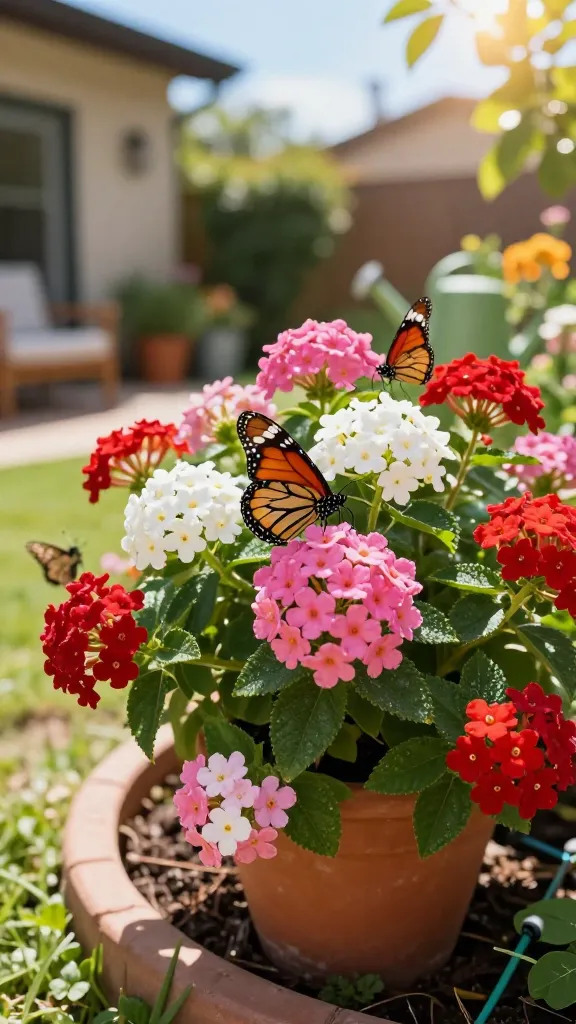
Pentas (Pentas lanceolata) deliver clusters of star-shaped flowers that scream “nectar bar open.” They love heat and keep churning out color.
Growing Notes
- Full sun and consistent moisture
- Great in containers near patios for close-up butterfly selfies
- Mix reds, pinks, and whites for a candy-shop vibe
Use pentas when you want dependable, summer-long traffic—especially in hot climates.
12. Purple Passion: Blazing Star (Liatris)
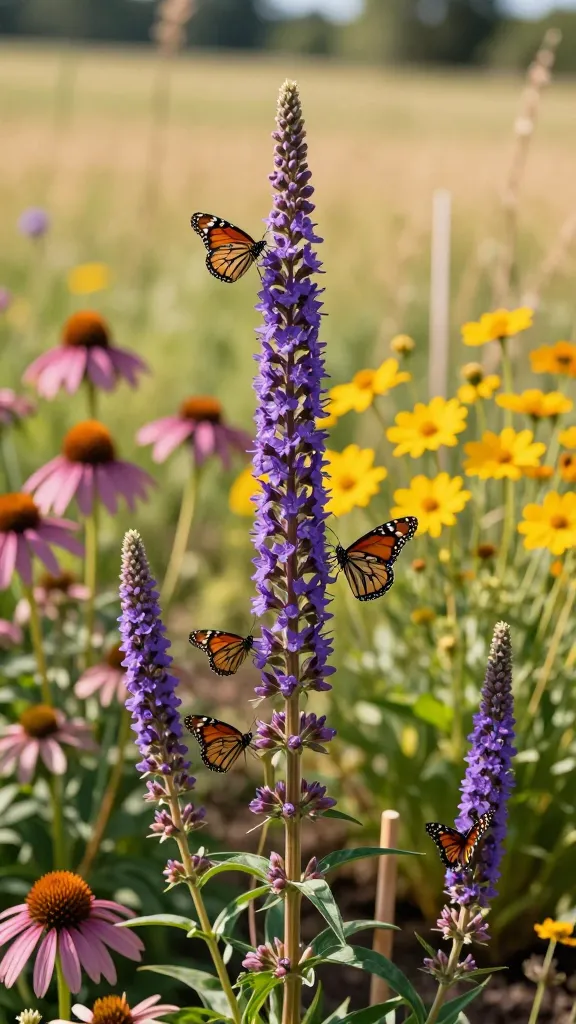
Liatris sends up vertical purple wands that bloom from top to bottom—quirky and irresistibly sippable. Butterflies swarm these like it’s a VIP lounge.
Planting How-To
- Full sun, well-drained soil; drought-tolerant
- Plant corms in spring; stake tall varieties if windy
- Combine with prairie pals like coneflower and coreopsis
Great for structured height and that prairie-chic look with high ecological value.
13. Sedum Spectacle: Late-Season Nectar And Structure
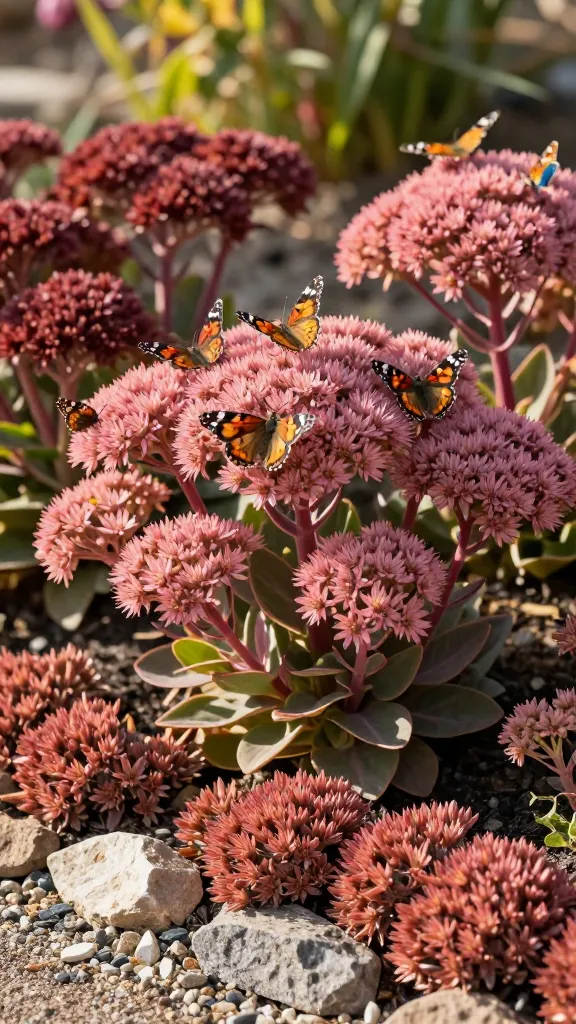
Sedum (Stonecrop) brings chunky texture and nectar-rich clusters right when butterflies need a fall snack. It laughs at drought and poor soil.
Best Cultivars
- ‘Autumn Joy’/‘Herbstfreude’: pink to russet heads, butterfly magnet
- ‘Matrona’: dusky stems, elegant vibe
- Low-growers for rock gardens and edges
Perfect for low-water designs that still deliver major late-season traffic and color.
14. Parsley, Dill, And Fennel: Host Plants With Perks
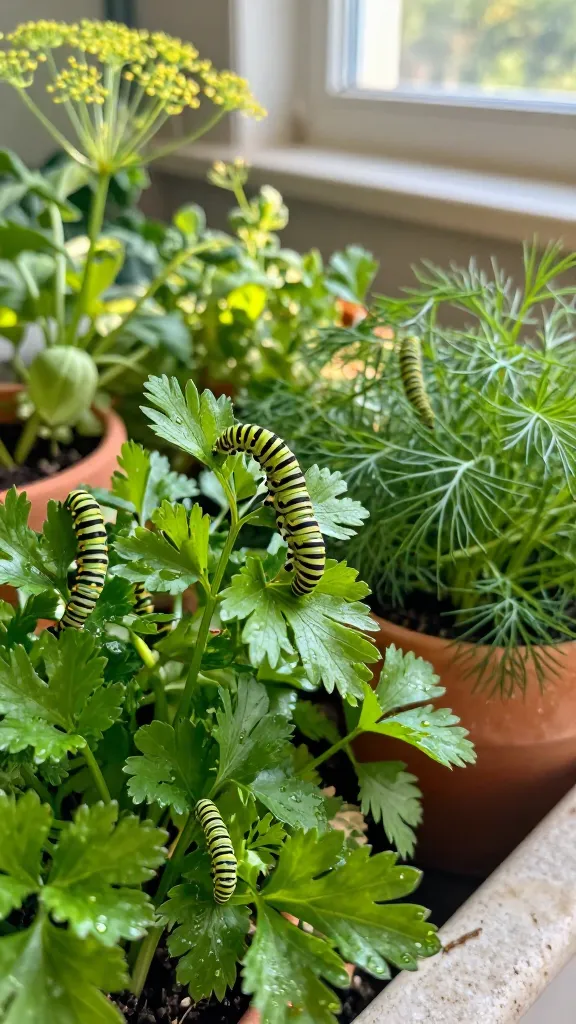
You want butterflies? Feed the babies. Swallowtail caterpillars adore parsley, dill, and fennel—and you can cook with them, too.
Pro Tips
- Plant extra so you don’t resent hungry caterpillars
- Cluster in a sunny kitchen bed or large pots
- Skip sprays (FYI: even “organic” can harm larvae)
These herbs turn your garden into a Swallowtail nursery and your meals into something special. Win-win.
15. Native Goldenrod: Fall Finale, Not A Sneeze Trigger
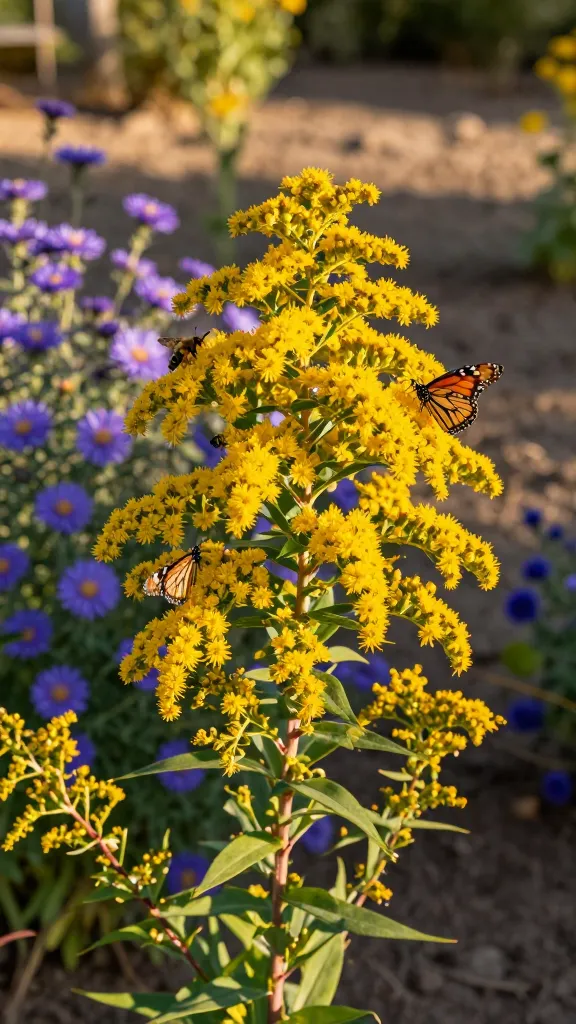
Goldenrod (Solidago) wears bright gold plumes and fuels monarchs and friends before migration. And nope, it doesn’t cause allergies—ragweed does.
Smart Choices
- Look for clumping types like ‘Fireworks’ or S. rugosa ‘Fireworks’
- Pair with asters for peak fall drama
- Full sun, average soil; drought-tough once established
Use goldenrod to light up autumn beds and keep the nectar train rolling until frost. Your butterflies will thank you—loudly, in flaps.
Quick Setup Cheatsheet (Because You’re Busy)
Want a plan that hums right away? Mix bloom times, heights, and host plants so butterflies can live, snack, and party in one place.
- Early: Salvia, Lantana, Zinnias
- Mid: Coneflower, Black-eyed Susan, Liatris, Pentas, Verbena bonariensis
- Late: Asters, Sedum, Joe-Pye Weed, Goldenrod
- Hosts: Milkweed (Monarchs), Parsley/Dill/Fennel (Swallowtails)
Cluster in sunny patches, water deeply but less often, and leave some leaf litter for overwintering. You’ll level up biodiversity fast.
Design Like A Pollinator Pro
Think layers, blocks, and color waves—big sweeps of one plant guide butterflies like runway lights. Add water (shallow dish with pebbles) and a few flat rocks for sunbathing.
- Group 3–7 of each species for easy targeting
- Use tall anchors (Joe-Pye, asters) in back; mid-layers (coneflower, rudbeckia) center; fillers (zinnias, lantana) front
- Mix textures: spires (salvia), domes (sedum), clouds (verbena)
Result: movement, color, and a garden that feels alive from spring to frost. Trust me, it’s addictive.
Care That Actually Works
Butterflies prefer “imperfect” gardens. Lose the pesticides, mow less, and let a few plants go to seed.
- Water new plants weekly for the first month, then taper
- Deadhead annuals for more blooms; shear salvias for round two
- Leave standing stems over winter for shelter; clean up in early spring
Low-fuss habits equal high returns in pollinators and color. Your future self will thank you.
Local Matters (Like, A Lot)
Match plants to your region for better results and happier butterflies. Native species evolved with local pollinators—built-in chemistry, no guesswork.
- Check regional native plant lists from extensions or native plant societies
- Buy pesticide-free starts (ask your nursery, it matters)
- Observe which flowers local butterflies hit—and plant more of those
Local choices supercharge nectar quality and caterpillar survival. It’s the secret sauce of a real butterfly haven.
Make It Kid-Proof And Pet-Smart
Got kiddos or curious pups? You can still go wild with color while staying mindful. Many ornamentals are safe, but always double-check.
- Place milkweed and herbs where you can monitor caterpillars
- Use fencing or edging if pets trample beds
- Keep mulch light and pathways clear for easy viewing
Everyone gets to enjoy the show without stress. That’s a backyard win.
Bonus Bloom Extensions
Want more months of butterflies? Stagger bloomers and sneak in shoulder-season plants.
- Spring boosters: early salvias, native phlox
- Summer engines: zinnias, lantana, pentas
- Fall finishers: asters, sedum, goldenrod, Joe-Pye
Plan the relay and your garden won’t have an off switch. More blooms = more wings, simple as that.
Final Touches That Matter
Small tweaks make a big difference. Add a muddy “puddle” spot for minerals, tuck in flat stones for basking, and keep a few wild corners.
- Shallow dish with sand + water for puddling
- Rocks in sun for warm landing pads
- Leaf litter in a quiet corner for overwintering
These little hospitality upgrades turn visits into long stays. Hotel Butterfly: now open.
Maintenance Without The Drama
Butterfly gardens don’t need perfection—just consistency. Focus on water, deadheading, and zero chemicals.
- Water deeply in the morning during heat waves
- Cut back leggy annuals midseason for a fresh flush
- Spot-pull weeds while soil is moist—quick and painless
Do the basics and your plants will pay you back in color and motion, all season long.
Ready to build your flutter factory? Start with three to five plants from this list and watch the wings roll in. Keep adding layers each season, and soon your garden will look—and sound—like magic in motion.