The Secret to How to Grow Cherry Tomatoes in Containers Successfully
Cherry tomatoes don’t ask for a backyard. They’ll happily thrive on a balcony, patio, or sunny windowsill and still crank out bowls of sweet, snackable jewels. Want that summer flavor without wrestling raised beds or rabbits? Containers to the rescue. Let’s set you up for a season of effortless, brag-worthy cherry tomatoes.
Pick the Right Variety (aka Set Yourself Up to Win)
Not all cherry tomatoes behave the same. Some act like polite houseguests; others try to climb your entire railing. Choose wisely.
- Determinate (bushy) types: Great for small spaces and minimal staking. Try ‘Tumbler’, ‘Patio Princess’, or ‘Tiny Tim’.
- Indeterminate (vining) types: Produce longer and usually taste amazing, but they grow tall. ‘Sungold’, ‘Sweet 100’, ‘Black Cherry’, and ‘Juliet’ (technically a mini-plum) are crowd favorites.
- Hanging baskets: Trailing types like ‘Tumbler’ or ‘Maskotka’ spill over the edges and look cute while feeding you.
Seed vs. Starter Plants
If you want fruit sooner, grab a healthy starter plant from a nursery. If you love the process (and bargains), start seeds indoors 6–8 weeks before your last frost. IMO, beginners should start with a nursery plant for instant gratification.
Choose Containers That Don’t Cramp Your Tomatoes’ Style
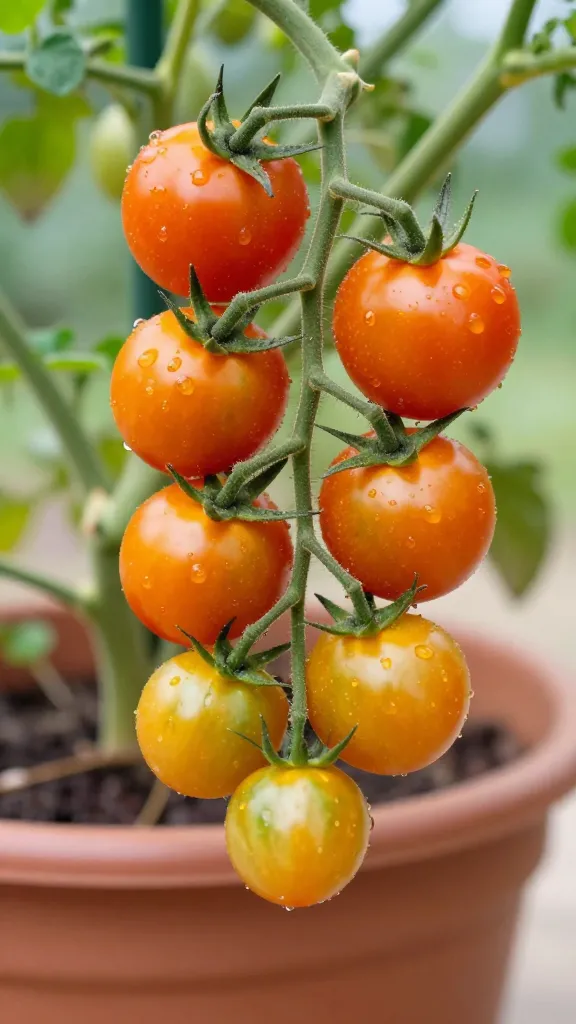
Tomatoes grow big roots. Give them space and they’ll reward you.
- Size: Use at least a 5-gallon pot for bush types and 7–10 gallons for vining types. Bigger = fewer watering headaches.
- Material: Fabric grow bags drain well and keep roots happy. Glazed ceramic looks classy but weighs a ton. Plastic works fine, just ensure drainage holes.
- Depth: Aim for 12–16 inches deep. Shallow pots dry out too fast and stress plants.
Drainage Matters More Than You Think
No holes? No tomatoes. Drill or poke several holes, then elevate the pot on feet or bricks so water escapes. Soggy roots = sulky plants.
Soil and Feeding: The Real Secret Sauce
Garden soil compacts and suffocates roots in containers. Skip it.
- Potting mix: Use a high-quality, soilless mix with peat or coco coir, perlite, and compost. Light and fluffy = happy roots.
- Pre-charge nutrients: Blend in slow-release organic fertilizer at planting. Tomatoes eat like teenagers.
- Calcium boost: Add a handful of crushed eggshells or use a balanced fertilizer with calcium to help prevent blossom-end rot.
Fertilizer Schedule (Simple and Effective)
– At planting: Mix slow-release granules per bag instructions.
– After 3–4 weeks: Start a liquid feed every 10–14 days. Use a tomato-specific or bloom formula once flowers appear.
– Pro tip: If the plant grows tons of leaves but few flowers, ease up on nitrogen and switch to a bloom booster. FYI, more leaves don’t equal more tomatoes.
Sun, Water, and Support: The Daily Habits
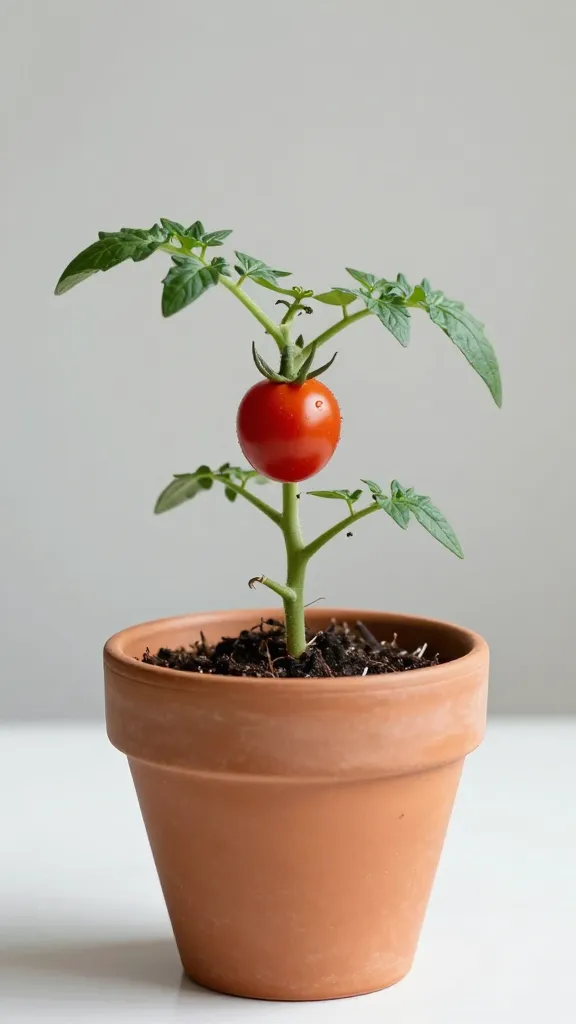
Think of this as your plant’s morning routine. Nail it and you’ll harvest nonstop.
- Sunlight: 6–8 hours of direct sun minimum. More sun = sweeter fruit. Indoors? Use a strong grow light 12–14 hours/day.
- Watering: Keep soil evenly moist, not drenched. Water deeply until it drains from the bottom, then let the top inch dry before watering again.
- Mulch: Add 1–2 inches of straw, shredded leaves, or coco chips on top. It keeps moisture steady and roots cool.
- Support: Cage or stake at planting. A small tomato can turn into an octopus overnight and laugh at your late cage attempt.
How to Avoid Watering Drama
– Morning watering beats evening watering to reduce disease risk.
– On hot days, containers can need water daily. In heat waves, sometimes twice.
– Consider a drip line or self-watering container if you travel. Your neighbor “promising to water” is not a system, IMO.
Planting Like a Pro
Plant deep. Tomatoes grow roots along their buried stems, which creates a stronger plant.
- Remove lower leaves, leaving the top cluster intact.
- Dig a deep hole or trench in the pot.
- Bury 2/3 of the stem, leaving only the top leaves above the soil.
- Water thoroughly to settle the mix and eliminate air pockets.
- Install your cage or stake immediately. Future you will thank you.
Companions and Neighbors
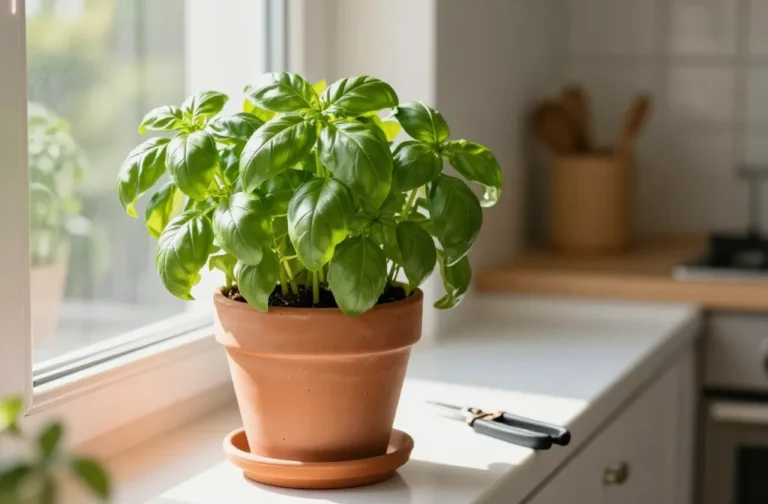
Basil grows well with tomatoes, looks great, and boosts your caprese game. Avoid overcrowding the pot with multiple heavy feeders. One tomato per container is the rule. Your plant wants the whole apartment, not a roommate.
Pruning, Pollination, and Keeping Things Tidy
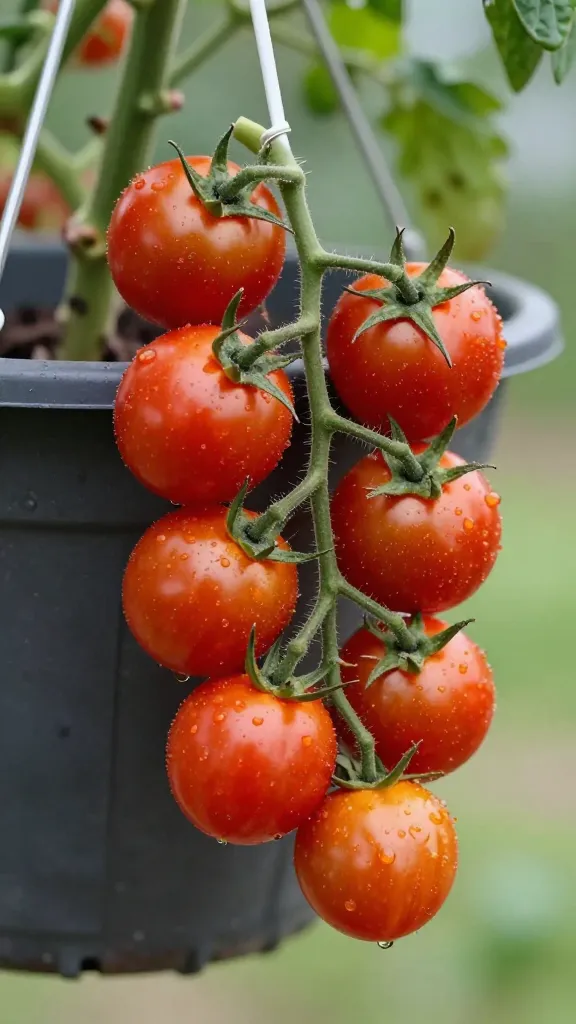
Cherry tomatoes can get wild, especially indeterminate types.
- Pruning: For vining types, pinch suckers below the first flower cluster to focus energy on fruit. Don’t go Edward Scissorhands—keep some foliage to shade fruit.
- Airflow: Remove crowded interior leaves for better airflow. Good airflow reduces disease and makes your plant less of a fungus rave.
- Pollination: Outdoors, bees handle it. Indoors, gently shake the plant or tap flower clusters daily around midday. You can also use an electric toothbrush near the blossoms to vibrate pollen loose. Yes, really.
When and How to Harvest
– Pick when fruits turn fully colored and slightly soft.
– Harvest often to encourage more production.
– If rain or a heat wave looms, pick at blush stage and ripen indoors on the counter.
Pests and Problems (And How to Clap Back)
Container growing dodges lots of drama, but not all of it.
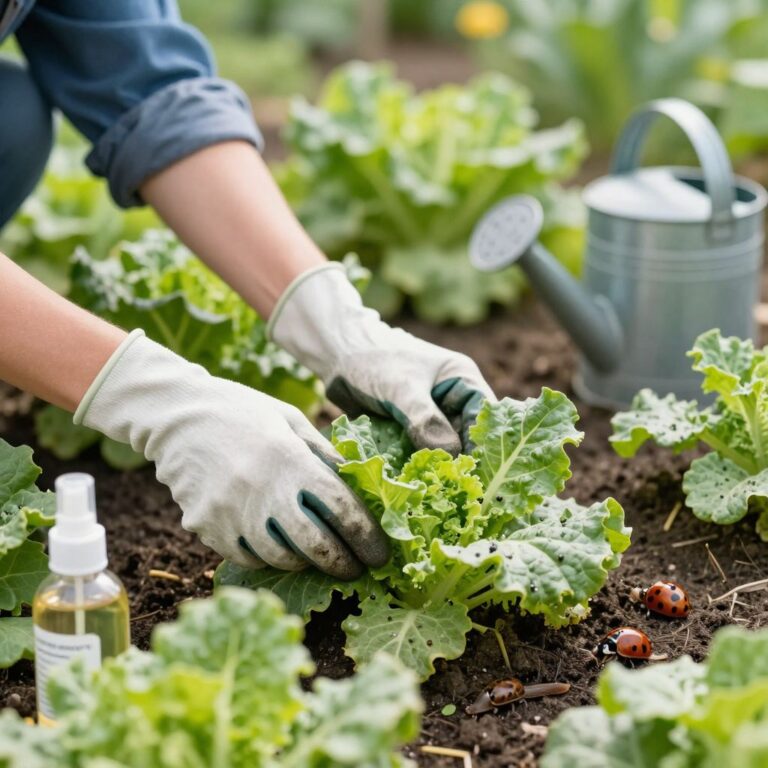
- Aphids/whiteflies: Blast with water, then spray insecticidal soap weekly until gone. Ladybugs help outdoors.
- Spider mites: Leaves look speckled and dusty. Increase humidity and use neem or miticide labeled for edibles.
- Blossom-end rot: Black, sunken bottoms on fruit. Usually inconsistent watering and low calcium uptake. Keep moisture steady and use a fertilizer with calcium.
- Leaf spots (early blight, septoria): Remove affected leaves, improve airflow, avoid wetting foliage, and use copper or bio-fungicides as needed.
- Sunscald: Pale, papery patches on fruit. Leave some foliage for shade and avoid aggressive pruning in heat.
Weather Hacks
– Heat over 90°F/32°C? Flowers can drop. Provide afternoon shade or move pots temporarily.
– Cold nights below 55°F/13°C slow growth. Use a light frost cloth or bring containers close to a warm wall.
– Windy balcony? Tie stems to stakes in multiple spots and rotate pots for even growth.
FAQ
How many cherry tomato plants can I put in one container?
One plant per 5–10 gallon pot is ideal. Crowding reduces airflow, invites disease, and starves roots. Give each plant its own space and it will produce more than two cramped together.
Can I grow cherry tomatoes indoors year-round?
Yes, with a strong full-spectrum grow light, proper airflow, and consistent feeding. Position lights 12–18 inches above the canopy and run them 12–14 hours daily. Hand-pollinate by gently shaking the plant when flowers open.
Why are my flowers dropping without fruit?
Usually heat stress, inconsistent watering, or low light. Keep moisture steady, ensure 6–8 hours of strong sun (or strong lights), and provide shade during extreme heat. Gently shake the plant to help pollination if bees can’t access it.
How often should I fertilize container tomatoes?
Use slow-release fertilizer at planting, then switch to a liquid feed every 10–14 days once the plant starts flowering. If you see lots of leaves but not many blooms, reduce nitrogen and use a bloom-focused formula. Balance matters more than brand.
What’s the best potting mix recipe?
Any high-quality potting mix works. If you want a DIY blend: 40% peat or coco coir, 40% high-quality compost, 20% perlite, plus a handful of organic fertilizer and a bit of lime if you use peat. Keep it light, well-draining, and nutrient-rich.
Do I need to prune determinate cherry tomatoes?
Not much. Determinates stay compact and set fruit in a shorter window. Just remove dead or crossing branches and any leaves touching the soil. Save the heavier pruning for indeterminate vines.
Conclusion
You don’t need a yard—or even much patience—to grow cherry tomatoes in containers. Pick a variety that fits your space, give it a big pot with great soil, feed on schedule, and water like you mean it. Support, prune lightly, and harvest often. Do that, and your balcony will turn into a snack bar, FYI the best kind.