How to Stop Slugs and Snails from Eating Your Garden Overnight
Wake up to chewed leaves and slime trails, and suddenly your garden feels personal. The good news? You do not need a full-time slug patrol or a bucket of weird chemicals to win this battle.
These seven tactics work fast, make sense, and give your plants a fighting chance before sunset. Ready to stop those midnight munchers from treating your garden like an all-you-can-eat buffet?
1. Catch Them Out in the Open
Slugs and snails love darkness, moisture, and a good hiding spot, which makes them pretty predictable. If you know where they hang out, you can grab a lot of them before they start snacking.
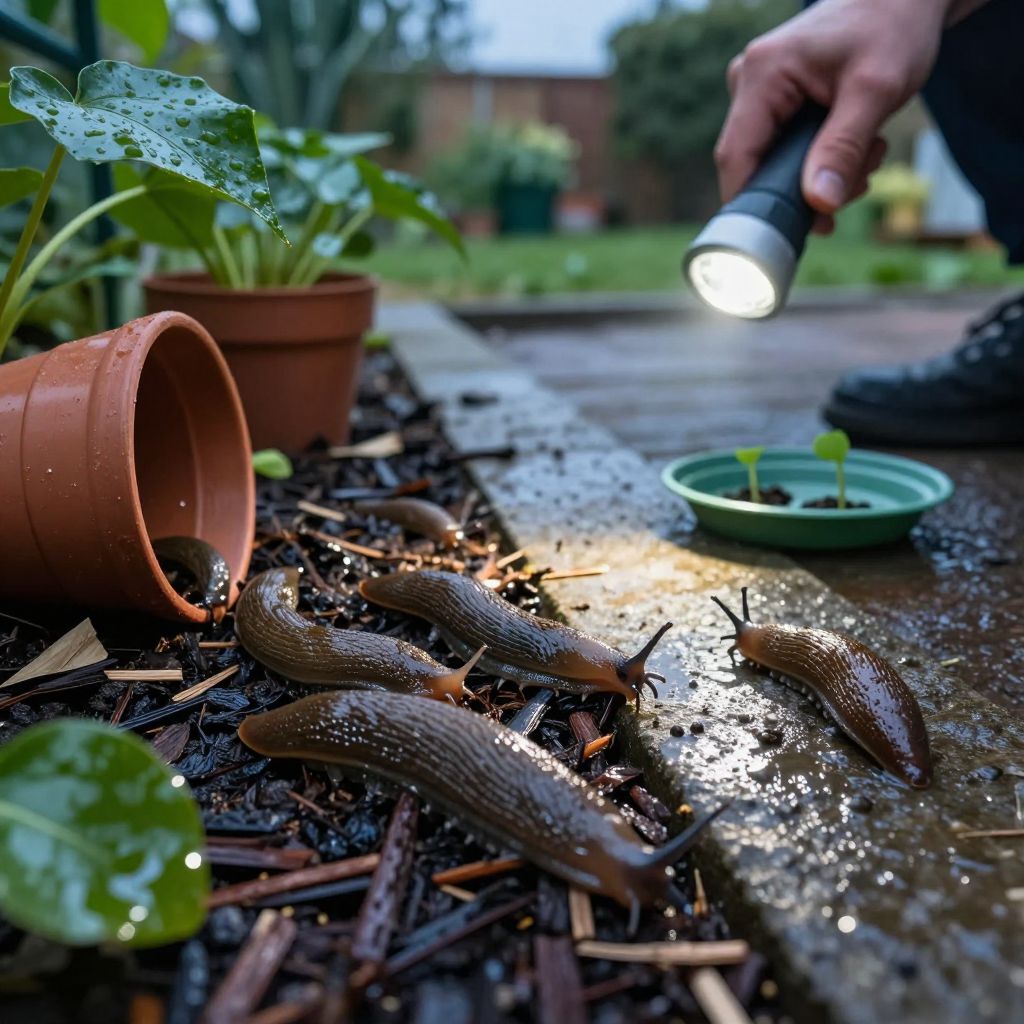
Where to Check
- Under pots and saucers
- Along damp boards or stones
- In mulch piles and leafy debris
- Around tender seedlings at dusk
Head out with a flashlight early in the evening or right after rain. A quick hand-pick session sounds old-school, but honestly, it works.
This method fits small gardens especially well and gives you immediate results when you need relief fast.
2. Build a Dry Zone Around Your Plants
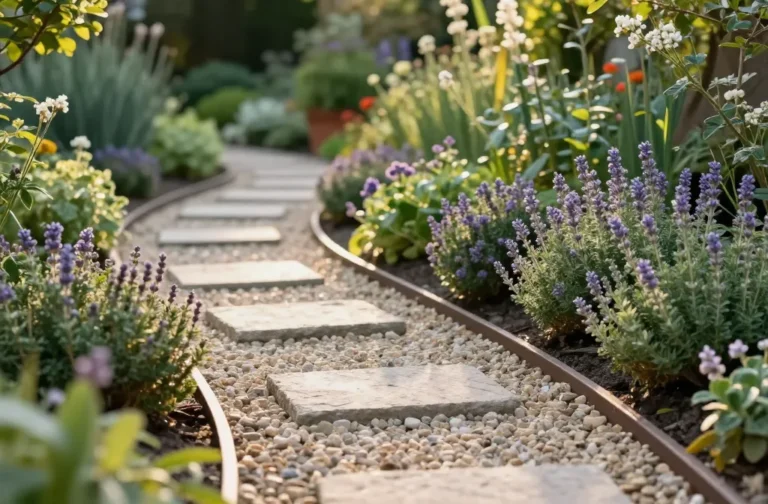
Slugs and snails hate rough, dry barriers, so give them fewer cozy routes to your prized plants. Think of this as putting a “not welcome here” sign in the garden.
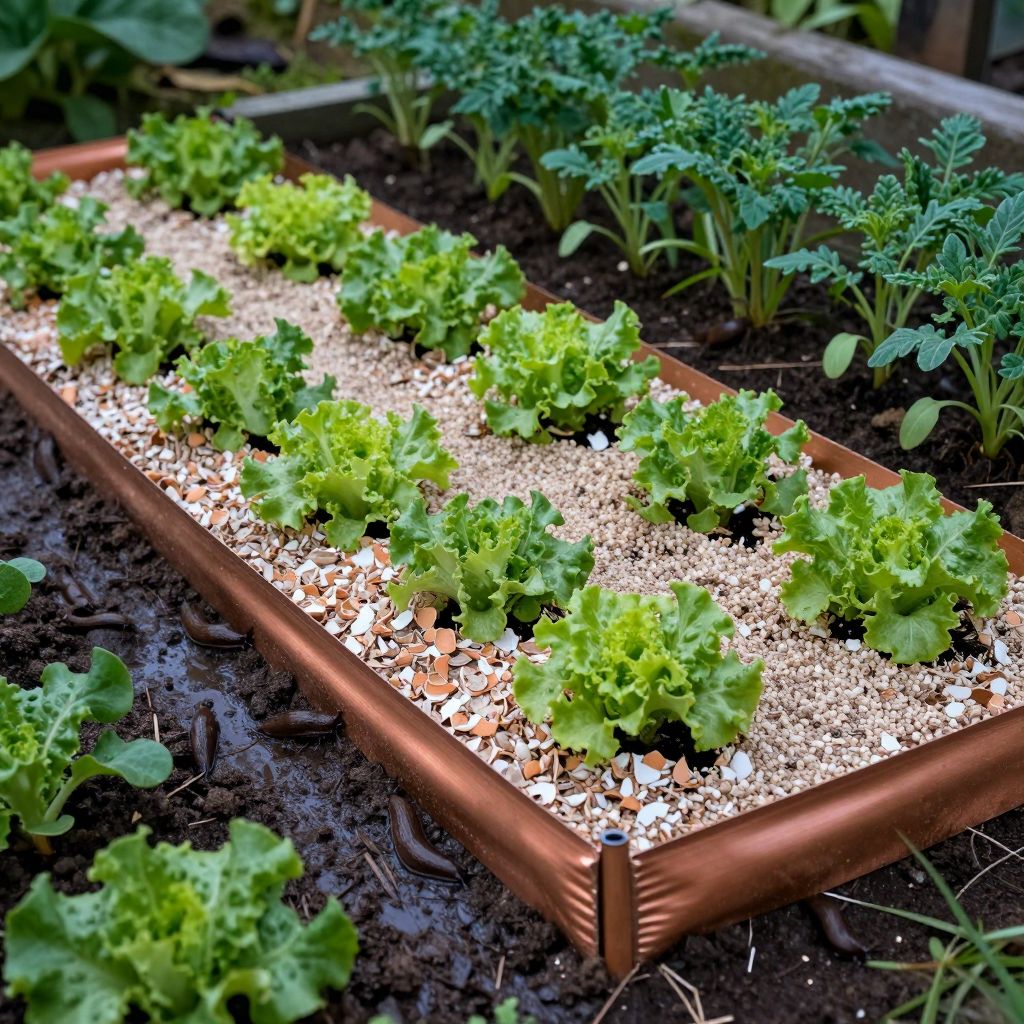
Barrier Ideas
- Crushed eggshells
- Diatomaceous earth
- Sharp horticultural grit
- Copper tape around pots
Keep barriers dry and refresh them after rain, because soggy defenses lose their attitude. FYI, copper works best on containers and raised beds where you can make a clean ring.
Use this approach around vulnerable seedlings, lettuces, and herbs that slugs seem to target first.
3. Water in the Morning, Not at Night
Wet soil invites slugs like free pizza. If you water in the evening, you basically roll out the red carpet for them.
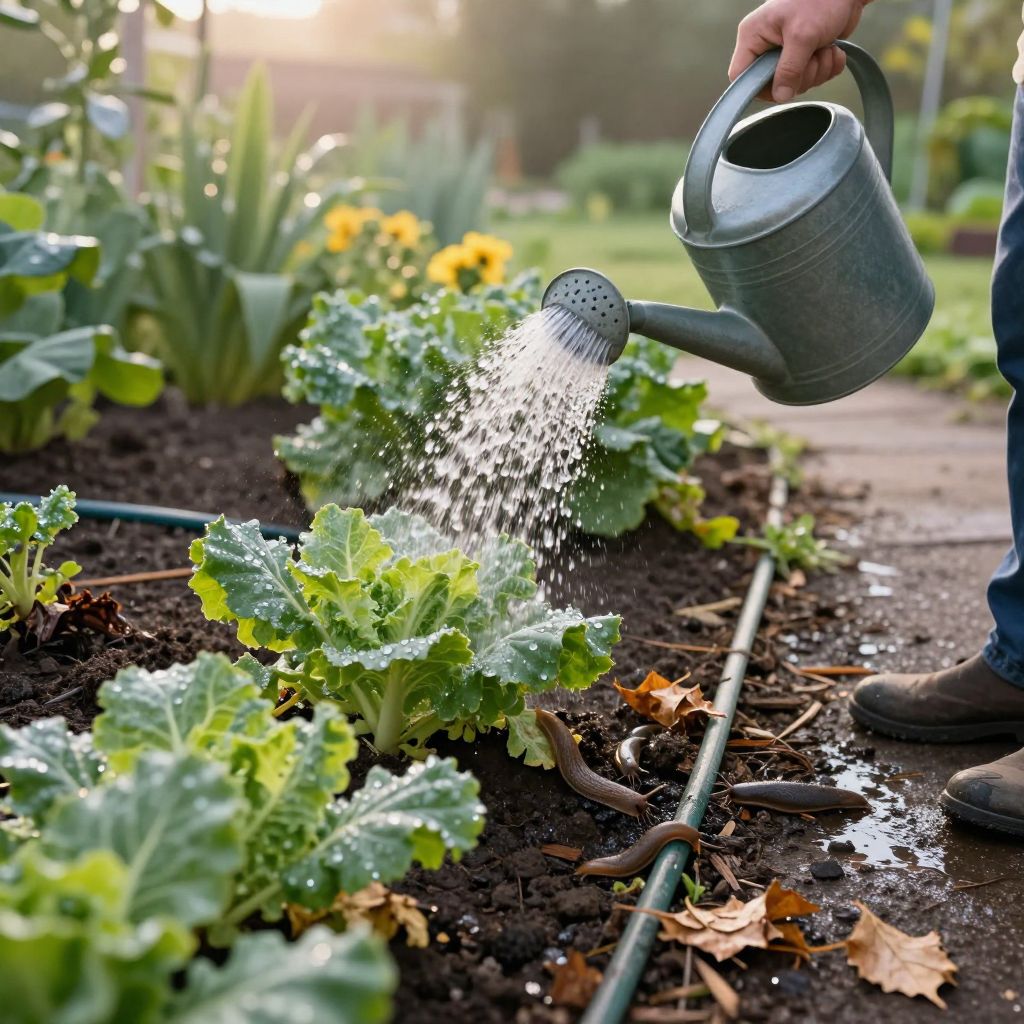
Morning watering gives leaves and soil time to dry before nightfall. That one habit change can make a bigger difference than you expect, especially in shady spots.
Extra Help
- Water at the base of plants, not overhead
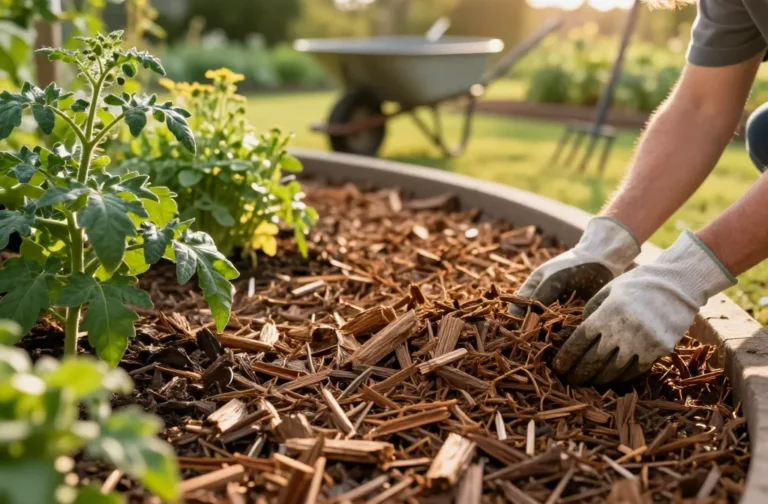
- Avoid soaking mulch late in the day
- Check drip systems for leaks
Dryer evenings mean fewer slugs cruising around your beds. IMO, this is one of the easiest wins in the whole list.
4. Remove Their Secret Hideouts
Slugs and snails need cool, damp shelter during the day, and your garden probably offers plenty if you look closely. Clean up those hideouts, and you make the whole area less appealing.
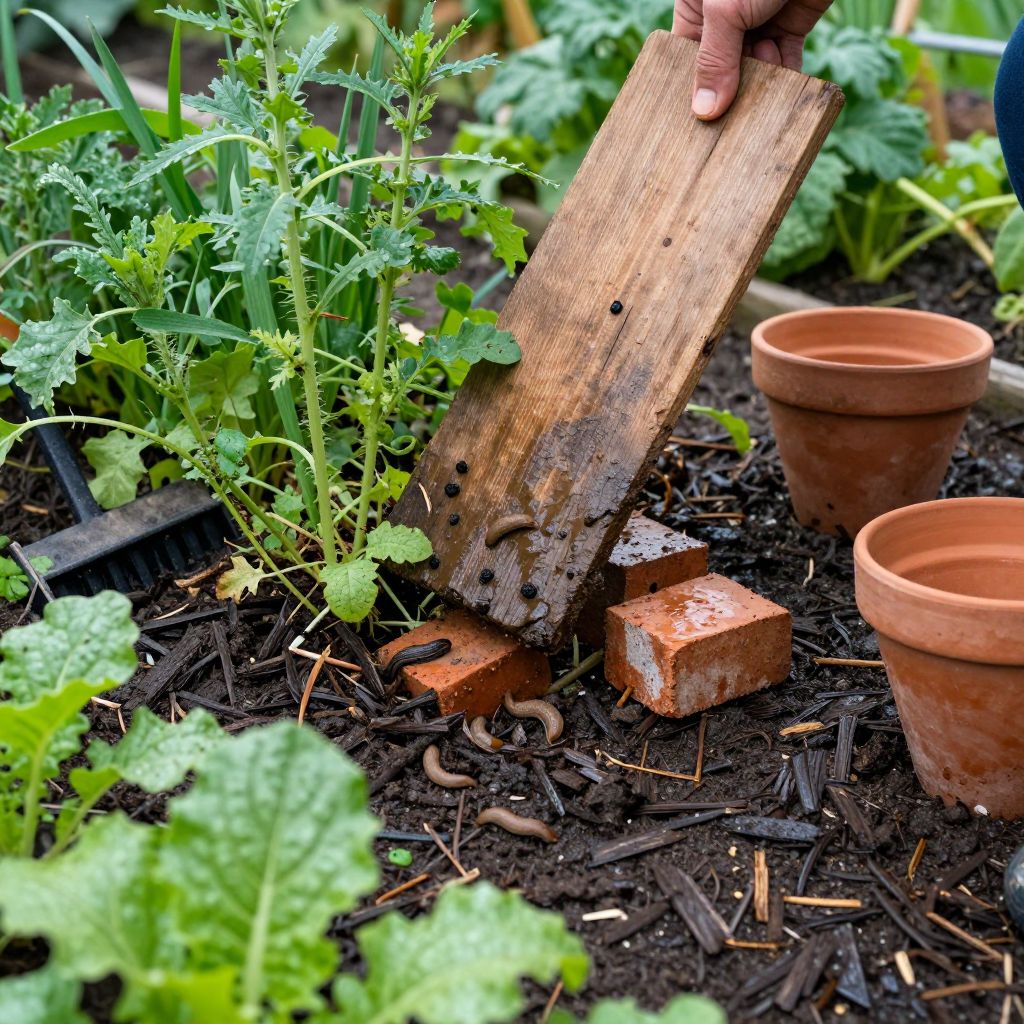
Watch for These Hiding Spots
- Dense weeds
- Old boards and bricks
- Overcrowded containers
- Thick, wet mulch touching stems
Lift pots off the ground, thin crowded plants, and clear debris from the soil surface. Seriously, the less shelter they have, the less they multiply near your crops.
This step works best as regular maintenance, not a one-time clean-up mission.
5. Use Bait Traps That Actually Work
Slug traps can cut numbers quickly when you set them up the right way. They give you a sneaky way to lure pests away from your plants and remove them without endless searching.
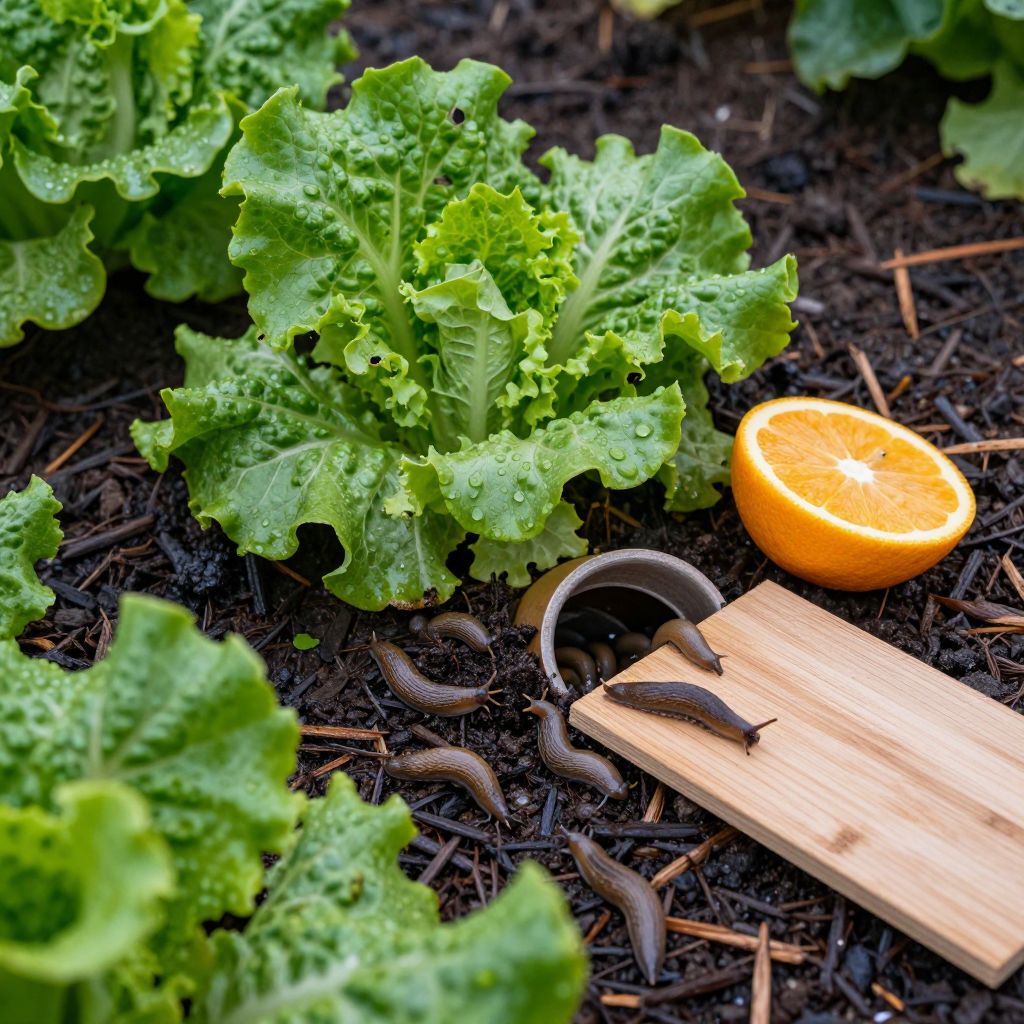
Simple Trap Options
- Shallow beer traps
- Upside-down citrus halves
- Boards laid near beds for morning checks
Place traps close to damaged areas, but not right against plant stems. Empty them often, because no one wants a weird swampy science project in the garden.
Use traps when you see active feeding, especially after warm rain or during humid spells.
6. Protect Seedlings Like They’re Royalty
Young plants get hit hardest because slugs love soft, tender growth. If you want to save the garden overnight, start with the tiniest, most delicious-looking victims first.
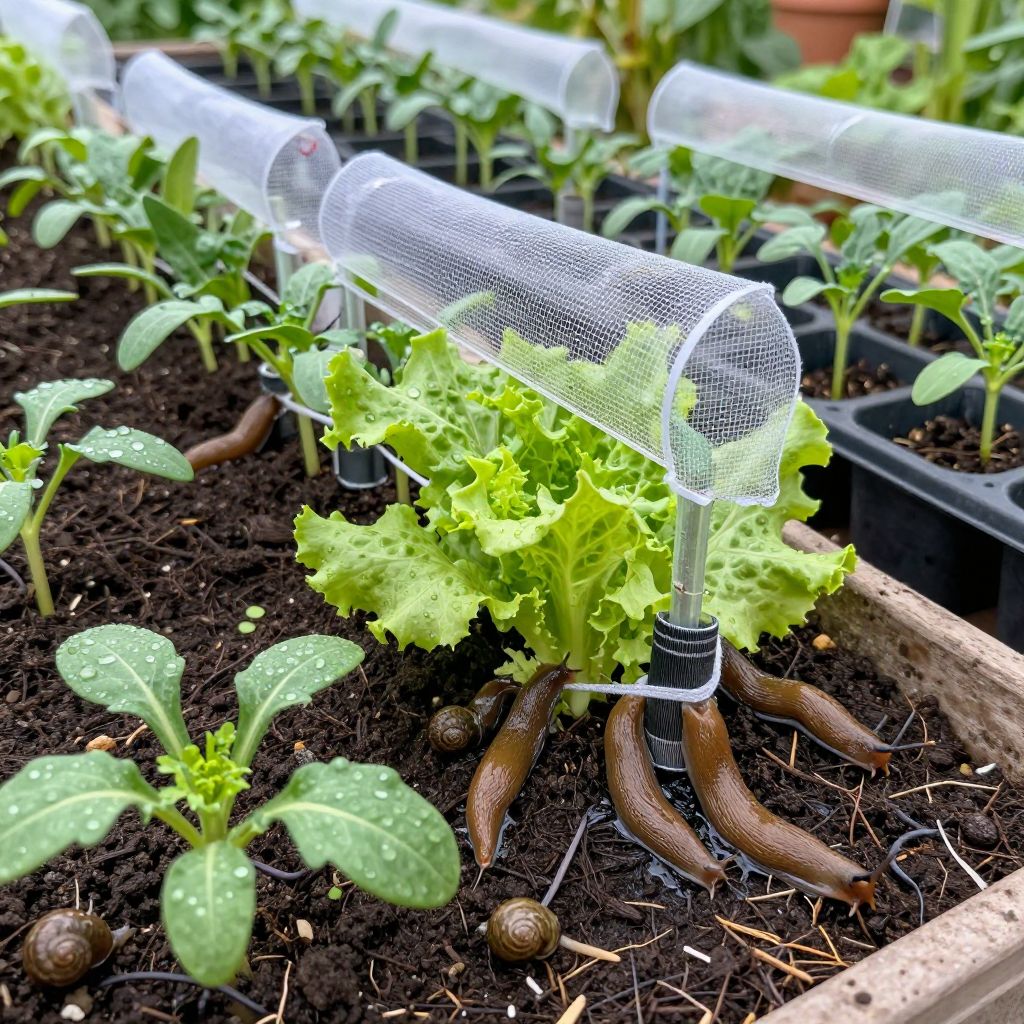
Best Protection Gear
- Slug collars around stems
- Mini cloches or mesh covers
- Raised seed trays
- Fine netting for young beds
Physical protection buys you time while plants grow stronger. Trust me, it feels much better to protect a tomato seedling than to stare at a half-eaten stub the next morning.
Use this tactic whenever you plant new lettuce, brassicas, beans, or anything else that disappears suspiciously fast.
7. Invite Garden Allies to the Party
Nature already has some slug hunters on payroll, so let them do a little work for you. Birds, frogs, toads, hedgehogs, and ground beetles all help keep slug numbers in check.
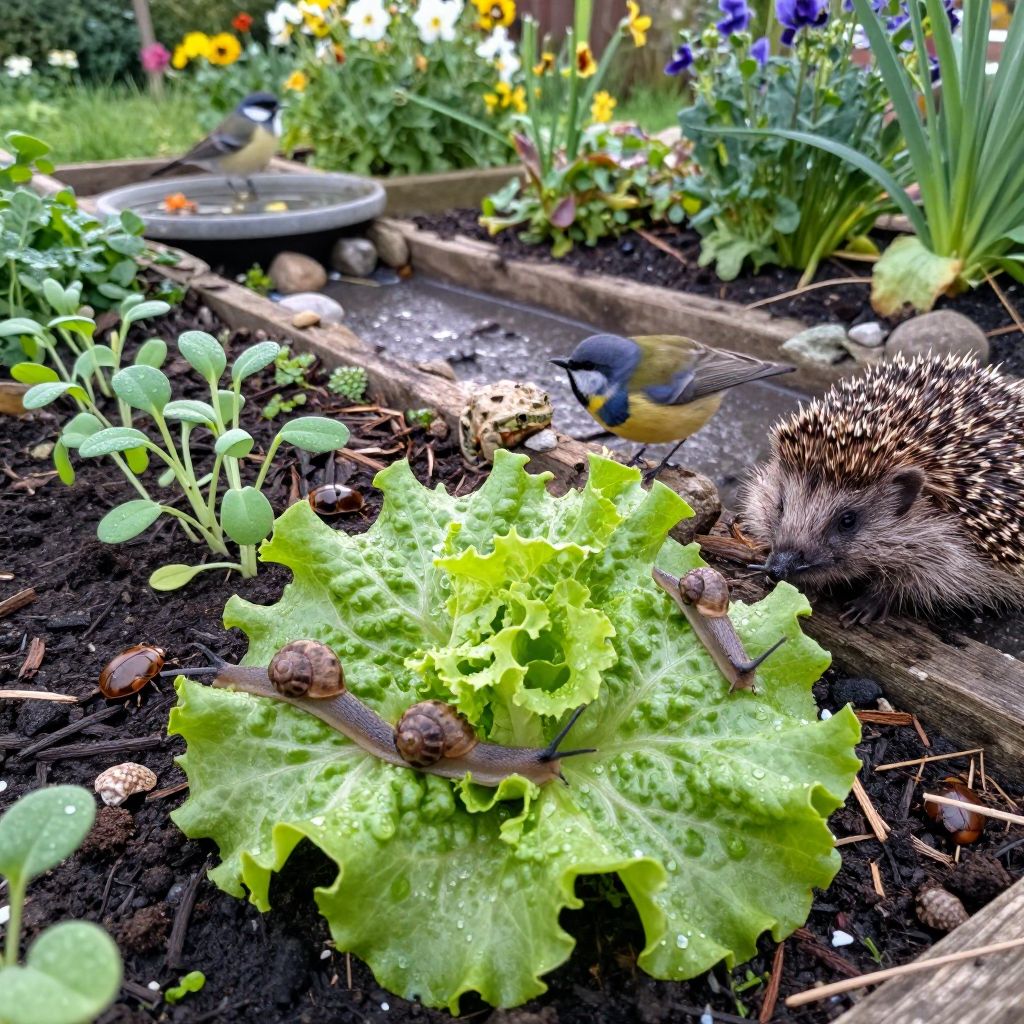
Ways to Attract Helpers
- Add a shallow water source
- Keep a small wildlife corner
- Avoid broad-spectrum pesticides
- Leave a few natural shelters nearby
A garden with more life usually struggles less with pest explosions. You want balance, not a sterilized wasteland where slugs somehow still win.
This approach works best as a long-term strategy, and it helps the whole garden ecosystem stay healthier over time.
Slug damage can feel ridiculously dramatic, especially when you check the garden in the morning and find half your leaves missing. But with a few smart habits, you can turn the tables and keep your plants in the game.
Start with one or two of these fixes tonight, then stack on the rest as you go. Your garden will not become slug-proof overnight, but it can absolutely become slug-hostile fast.