How to Choose the Best Spot for a Vegetable Garden Fast
You want tomatoes that taste like summer, not disappointment. The secret? Location. The best garden spot sets you up for fewer pests, less fuss, and way better harvests. Let’s cut the fluff and find that goldilocks zone in your yard where veggies thrive and you don’t hate your life.
Sunlight: The Non-Negotiable
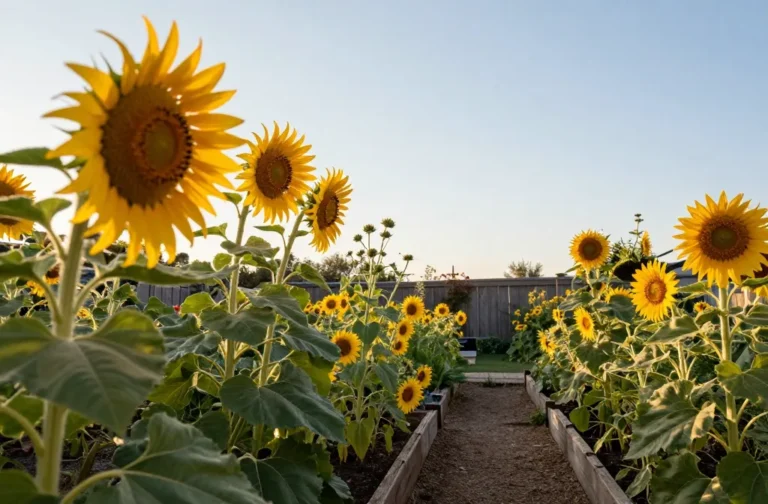
You can’t outsmart the sun. Most vegetables need 6–8 hours of direct sunlight. That’s not dappled shade. That’s legit, sunglasses-on, full sun.
How to check it:
- Pick a few candidate spots. Walk out every couple of hours and note where the sun hits.
- Use an app (Sun Seeker, Sun Surveyor) to map sun paths. FYI, trees cast long shadows in spring and fall.
- Watch seasonal changes. A perfect June spot might flop in October.
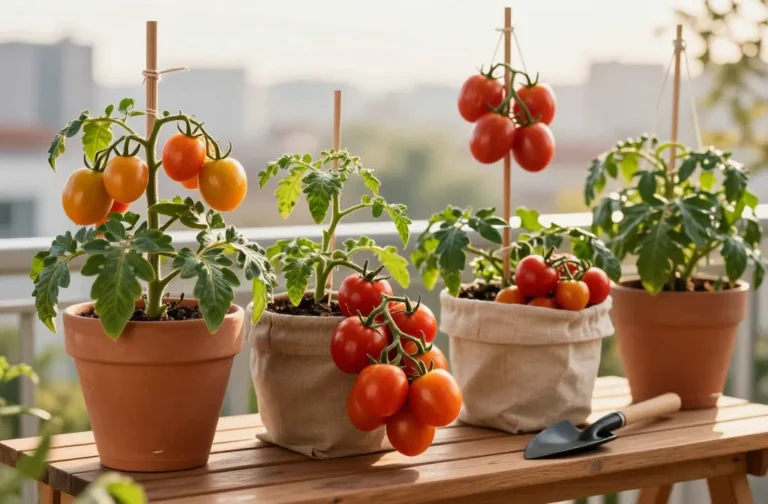
What loves full sun: Tomatoes, peppers, eggplant, squash, melons, cucumbers, beans, and corn.
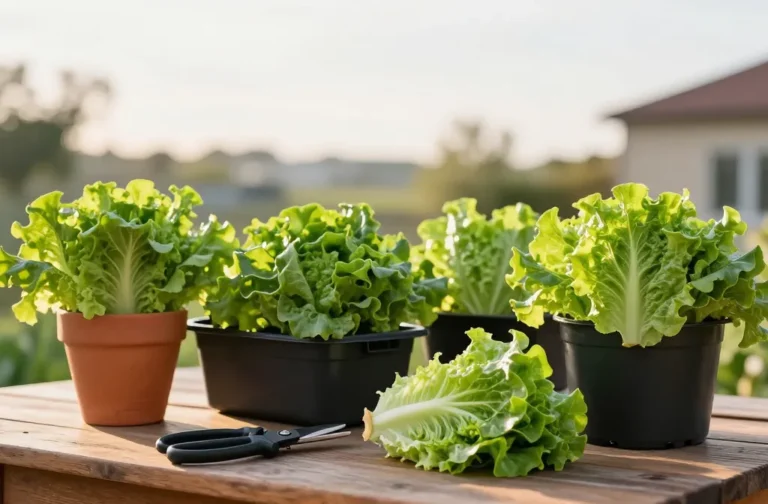
What tolerates partial sun (4–6 hours): Lettuce, spinach, kale, chard, peas, radishes, herbs like mint and parsley.
South-Facing Wins (Usually)
South-facing areas soak up the most sun. East-facing spots work for greens and herbs. West-facing can scorch in hot climates—great for peppers, less great for delicate greens.
Soil: Your Underground Boss

You can’t see it, but your plants definitely feel it. Aim for loamy, well-draining soil that holds moisture but doesn’t suffocate roots.
Quick tests you can do today:
- Drainage test: Dig a 12-inch hole, fill it with water, let it drain. Fill again. If it drains in 2–4 hours, you’re golden. If it lingers overnight, nope—raise the bed or pick a new spot.
- Texture test: Moisten a handful. If it forms a ribbon longer than 2 inches, you’ve got clay. If it won’t hold together at all, it’s sandy. Loam sits happily in between.
- pH test: Use a simple soil kit. Most veggies prefer pH 6.0–7.0. Outside that, nutrients lock up like a phone with a forgotten passcode.
Fixing Less-Than-Perfect Soil
No spot is perfect. That’s fine.
- Clay-heavy? Add compost and coarse sand. Consider raised beds.
- Sandy? Add compost and leaf mold. Mulch to keep water around.
- Compacted? Broadfork or aerate, then top with compost. Avoid walking on beds.
IMO, compost solves 80% of garden drama.
Water: Close, Consistent, and Convenient
If watering feels like a trek with a sloshing bucket, you’ll skip it on hot days. Then your plants will stage a leafy protest.
Pick a spot near:
- A hose spigot or rain barrel (ideally within one hose length).
- A flat area where water doesn’t puddle or run off.
- Somewhere you’ll actually see it daily. Out of sight, out of water.
Bonus Points for Smart Irrigation
Drip lines and soaker hoses beat sprinklers. They keep leaves dry (less disease) and water roots directly. Add a timer and suddenly you’re consistent without thinking about it. Lazy? Efficient? Both.
Wind, Heat, and Microclimates
Every yard has microclimates. Learn them like gossip.
What to watch:
- Wind tunnels: Corners and wide-open areas can stress plants. Add a fence, hedge, or low windbreak.
- Heat traps: South-facing walls and patios radiate warmth—great for early tomatoes and peppers. Just watch for reflected scorch in mid-summer.
- Frost pockets: Low areas collect cold air. If frost lingers there in spring, plant uphill.
Use Structures Wisely
Fences block wind and deer. Walls hold heat. Trees? They steal water and shade your garden while pretending to be helpful. Keep vegetable beds at least 10–15 feet away from thirsty tree roots, more if you can.
Access and Layout: Make It Easy, Make It Fun
You’ll weed more and harvest more if the garden doesn’t fight you.
Design tips:
- Paths first: Make aisles wide enough for a wheelbarrow (24–30 inches).
- Bed sizing: 3–4 feet wide so you never step on soil. Length? Whatever fits.
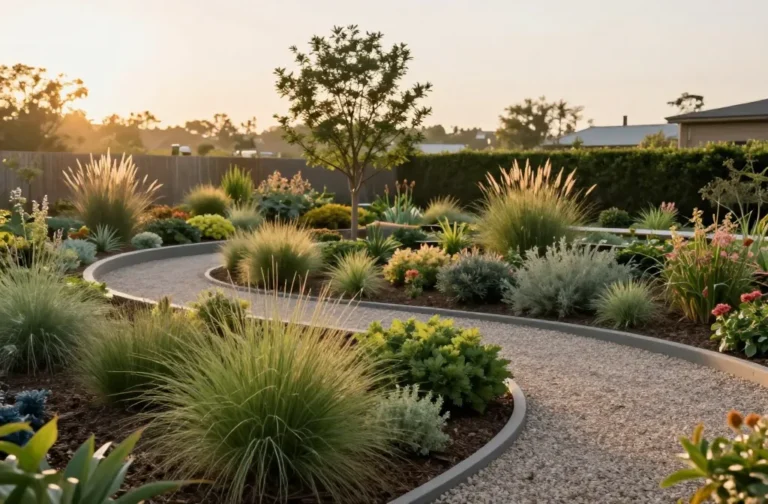
- Mulch paths: Wood chips or gravel reduce mud and weeds.
- Tool stash: Keep hand tools, twine, and pruners right there. Less walking, more growing.
Keep It Close to the Kitchen
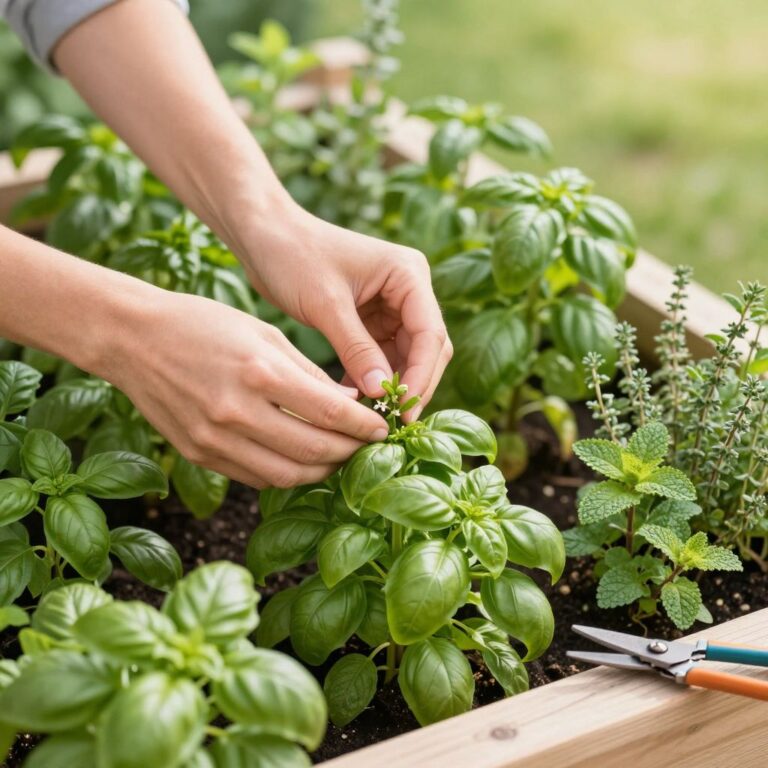
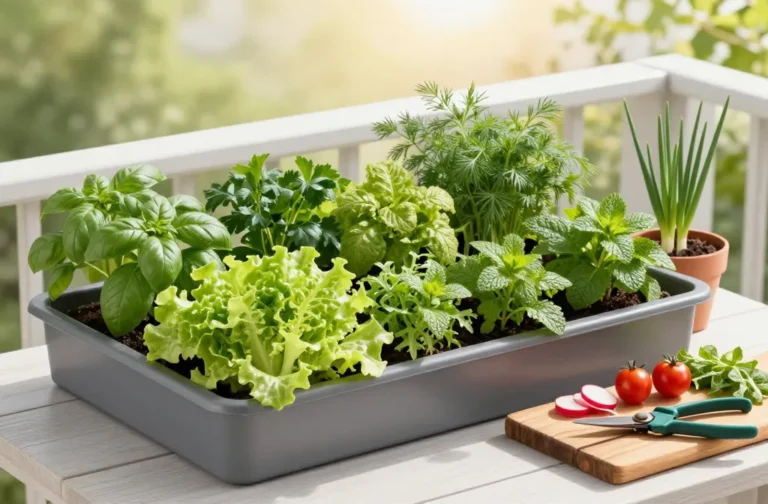
Place herbs and greens nearest the door. You’ll snip them more often and catch pest issues early. Also, late-night basil in slippers? Chef’s kiss.
Pests, Pets, and People
Pick a spot you can defend without going full fortress mode.
Scout for:
- Deer highways: Look for droppings or tracks. If they roam, plan a 6–8 foot fence or a smaller, fully enclosed bed area.
- Rabbits and groundhogs: Use 2–3 foot fencing with 6 inches buried.
- Dogs and kids: Raised beds are your friends. Clearly mark paths. Bribe everyone with strawberries.
Neighborly Considerations
Avoid property lines where spray drift or runoff from lawns might hit your veggies. Also, don’t plant right under the HOA president’s bedroom window unless you like drama.
Test Before You Commit
Not sure? Try a low-stakes trial first.
Mini experiments:
- Plant a few containers in two different spots. Track growth and yield.
- Lay out a small bed and grow quick crops (radishes, lettuce). Compare sun, pests, and watering ease.
- Start with raised beds where soil seems iffy. You can always expand later.
FYI, you’ll learn more from one season of testing than from 20 garden blogs. Yes, including this one.
Practical Red Flags (Hard Pass)
- Soil contaminated by past industrial use or near old painted structures (lead risk). Test if unsure.
- Spots with standing water after rain.
- Areas under big trees (roots + shade = veggie sadness).
- Places you never walk by—out of sight equals weedy neglect.
Putting It All Together: Your Ideal Spot Checklist
Use this quick hit list and you’re 90% there:
- Sun: 6–8 hours direct light for most crops.
- Soil: Drains in 2–4 hours, loamy texture, pH around 6–7.
- Water: Easy hose access or drip system potential.
- Microclimate: Sheltered from harsh wind, no frost pockets.
- Access: Near the house, clear paths, manageable bed sizes.
- Protection: Fence or plan for critters and kids.
- Clean history: No contamination or spray drift zones.
IMO, if a spot nails five of these, you can work with it. All seven? Chef apron on.
FAQ
Can I grow vegetables in partial shade?
Yes, but choose your crops wisely. Leafy greens, herbs like mint and parsley, peas, and radishes tolerate 4–6 hours of sun. Fruiting plants like tomatoes and peppers still want full sun, or they sulk and underperform.
Do I need raised beds, or can I plant in the ground?
Both work. Raised beds warm faster in spring, drain well, and help if your soil is rough or contaminated. In-ground beds excel if you already have good soil and want deeper root zones. Start where your soil dictates.
How close should my garden be to the house?
Close enough that you’ll visit daily—ideally within 50–75 feet of a door. You’ll water, weed, and harvest more often when it’s convenient. Also, you’ll actually notice when a tomato hornworm shows up for a buffet.
What if my yard is windy?
Use windbreaks. A semi-permeable barrier (like lattice, hedges, or a slatted fence) slows wind better than a solid wall and reduces turbulence. Stake taller plants and consider low tunnels or row cover during rough spells.
How do I deal with sloped ground?
Terrace it or run beds along the contour to slow runoff. Build level beds to keep water where roots need it. Mulch heavily to prevent erosion, and use drip irrigation so water doesn’t race downhill.
Is it safe to garden near a road?
Busy roads can bring pollutants and salt spray. If you must, set beds as far back as possible, use hedges as buffers, and wash produce thoroughly. Testing soil for heavy metals is smart if traffic is heavy or the road is old.
Conclusion
Your garden’s success starts long before you plant a seed. Choose a spot with strong sun, friendly soil, easy water access, and a microclimate you understand. Keep it close, keep it protected, and don’t overcomplicate it. Pick a good place, start small, learn fast—and get ready for tomatoes that actually taste like tomatoes.