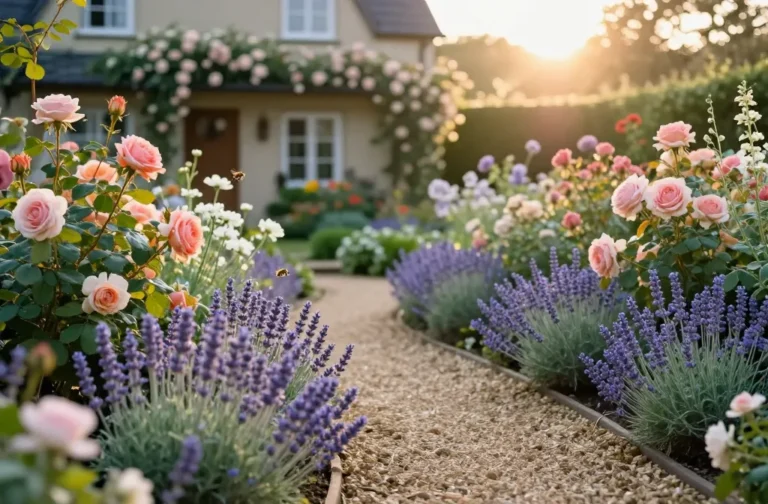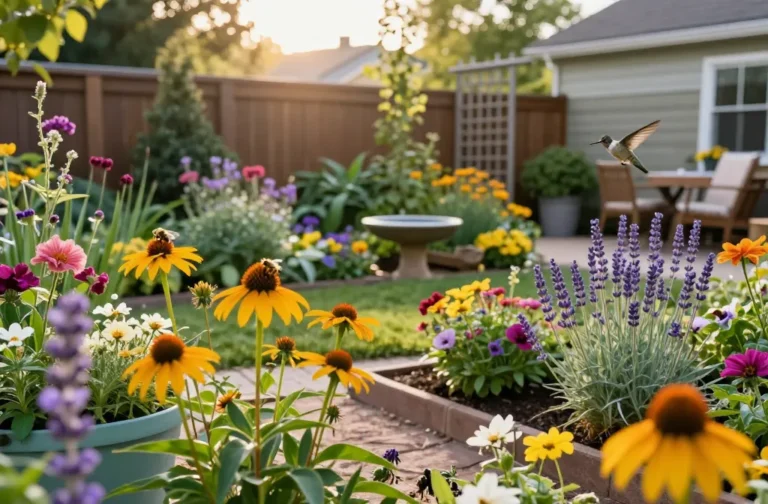
How to Design a Small Flower Bed Along a Fence That Pops
A bare fence line can look… meh. But add a slim ribbon of flowers and—bam—instant charm. You don’t need a huge yard or fancy equipment, just a plan and a weekend. Ready to turn that fence into a mini garden runway? Let’s design a small flower bed that actually looks intentional (and not like you sprinkled seeds and hoped for the best).
Pick the Perfect Spot (and Read the Fence)
You’ll work with what you’ve got, so start by checking sun exposure. Watch the fence line for a day and note where you get full sun (6+ hours), part sun (3–5 hours), or shade. Plants care about this more than anything.
Also, consider the fence type. Solid wood or vinyl fences cast deeper shade and block breezes. Wire or picket fences let light through and can support climbers. FYI: fences reflect heat, so sun-loving plants along a south-facing fence will party hard—just keep them watered.
Make Space Realistic
For a small bed, go 18–30 inches deep. You’ll fit layers without crowding the path. If space feels tight, curve the edge a bit—it tricks the eye and softens the fence line.
Sketch a Simple Layout You’ll Actually Follow
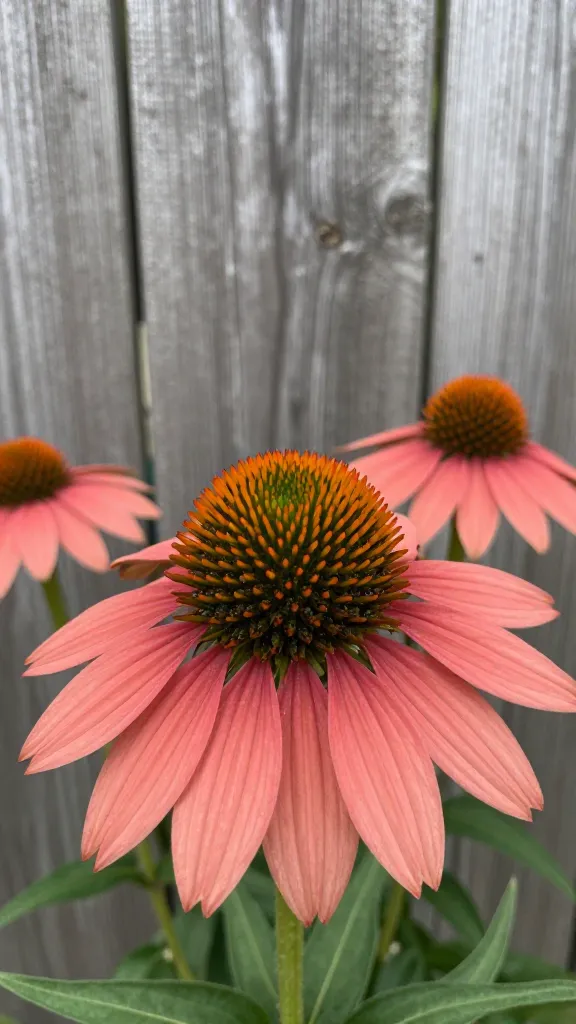
No need for a masterpiece. Draw a quick rectangle and plan for three tiers:
- Back row: taller anchors (24–36 inches) against the fence
- Middle row: mid-height bloomers (12–24 inches)
- Front row: low edgers (6–12 inches) to spill over the edge
Repeat plants in groups of 3 or 5. It looks cohesive and keeps things from feeling like a botanical thrift store. IMO, symmetry near a gate or entry looks sharp, but feel free to freestyle.
Climbers or No Climbers?
If you can attach things to the fence (check HOA rules), add one climber for vertical drama:
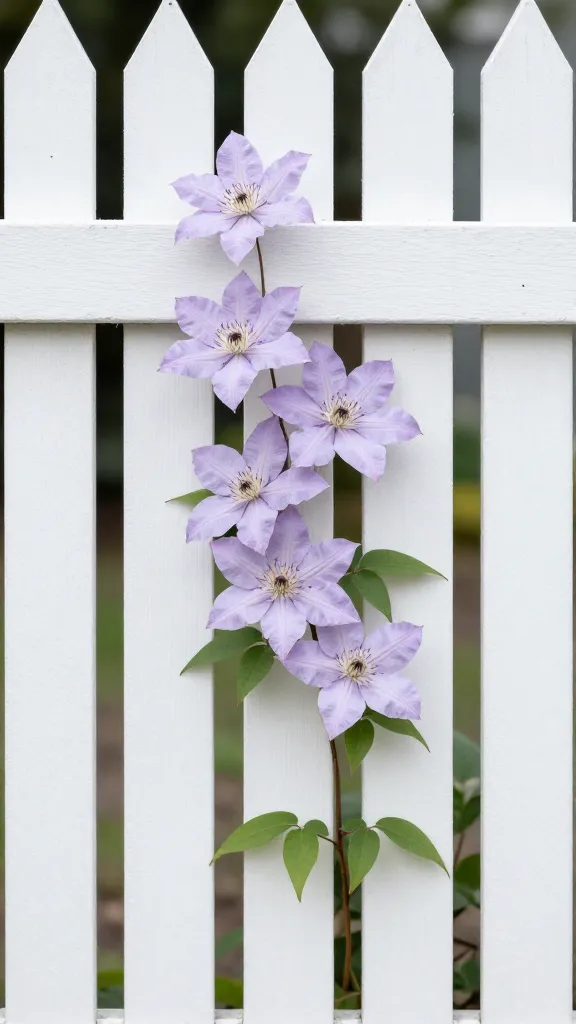
- Sunny: clematis, climbing rose, black-eyed Susan vine
- Shady: climbing hydrangea, sweet autumn clematis (tolerates part shade)
No attachment allowed? Use a narrow obelisk or freestanding trellis. Boom—problem solved.
Choose Plants That Thrive, Not Just Survive
Pick plants for your light and climate first. Then mix perennials for backbone and annuals for color all season. You want a long bloom parade, not a two-week wonder.
Foolproof combos by light:
- Full sun: Back: coneflower, Russian sage, dwarf ornamental grasses. Middle: catmint, dwarf yarrow, salvias. Front: creeping thyme, sweet alyssum, dwarf marigolds.
- Part sun: Back: hydrangea ‘Little Lime’, hardy geranium (taller types), foxglove (biennial but worth it). Middle: heuchera, coreopsis, hardy fuchsia (in mild climates). Front: lamium, dwarf campanula, lobelia.
- Shade: Back: hosta (large-leaf types), astilbe, fern clumps. Middle: heuchera, brunnera, Japanese forest grass. Front: sweet woodruff, dwarf hosta, polka dot plant (annual).
Color strategy that always works:
- Pick 2–3 main colors and 1 accent. Example: purples + whites with a pop of chartreuse foliage.
- Repeat colors down the bed for rhythm.
- Use foliage contrasts (fine grass + big leaf hosta) to keep interest even when blooms take a break.
Small-Space Superstar Plants
- Dwarf grasses: ‘Hameln’ fountain grass, blue fescue
- Compact perennials: ‘Little Lime’ hydrangea, ‘Caradonna’ salvia, ‘Pixie’ coneflower
- Long-blooming annuals: verbena, calibrachoa, cosmos (sun); impatiens, torenia (shade)
Prep the Soil Like You Mean It
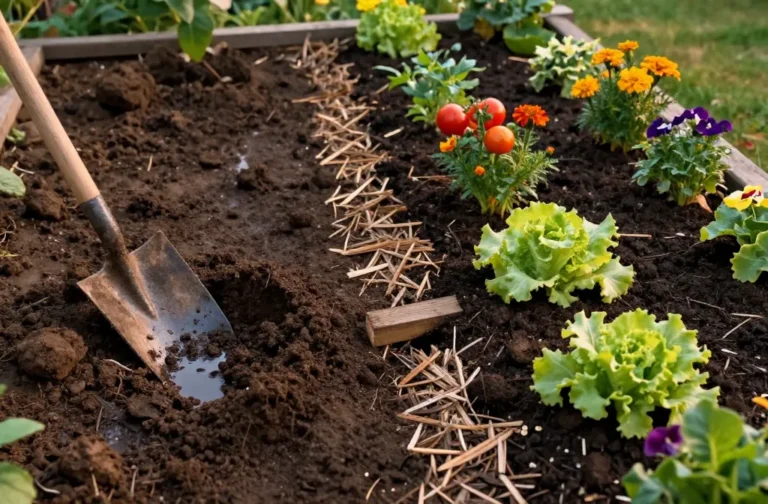
Good soil turns “meh” plants into show-offs. Edge the bed with a flat spade, remove grass, and loosen soil 8–10 inches deep. Mix in 2–3 inches of compost. If your soil drains like a bathtub, add pine bark fines or grit for texture.
Quick soil checklist:
- Test drainage: a hole filled with water should empty in under 4 hours.
- pH matters less than consistent moisture and organic matter (for most ornamentals).
- Mulch 2 inches after planting to lock in moisture and keep weeds away.
FYI: Keep mulch a few inches off the fence to avoid rot and ant condos.
Planting Day: Fast, Clean, Done
Lay plants out first, still in pots, and step back. Adjust heights and colors until it feels balanced. Dig holes as deep as the pots and a bit wider. Set plants level with the soil line—no burying crowns.
Spacing tips that save you later:
- Perennials: 12–18 inches apart (check tags, but don’t believe the “spreads politely” hype blindly).
- Grasses: give them room; crowding = floppy mess.
- Annuals: tighter spacing is fine for instant fullness.
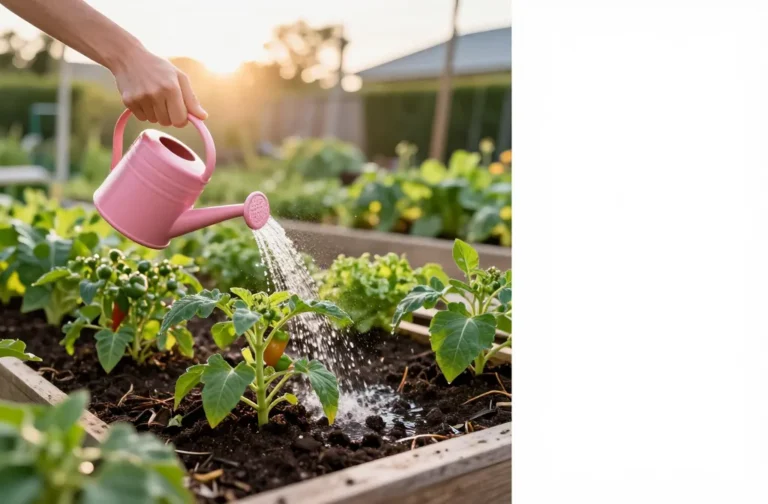
Water deeply after planting. Add your mulch layer. Step back and admire how professional you look.
Edging That Actually Elevates
A crisp edge makes the whole bed look intentional:
- Natural spade edge: cheapest, cleanest, needs a refresh every spring.
- Steel or aluminum edging: slim, modern, lasts forever.
- Stone or brick: classic, but keep it low so plants steal the show.
Keep It Thriving Without Becoming Yard Staff
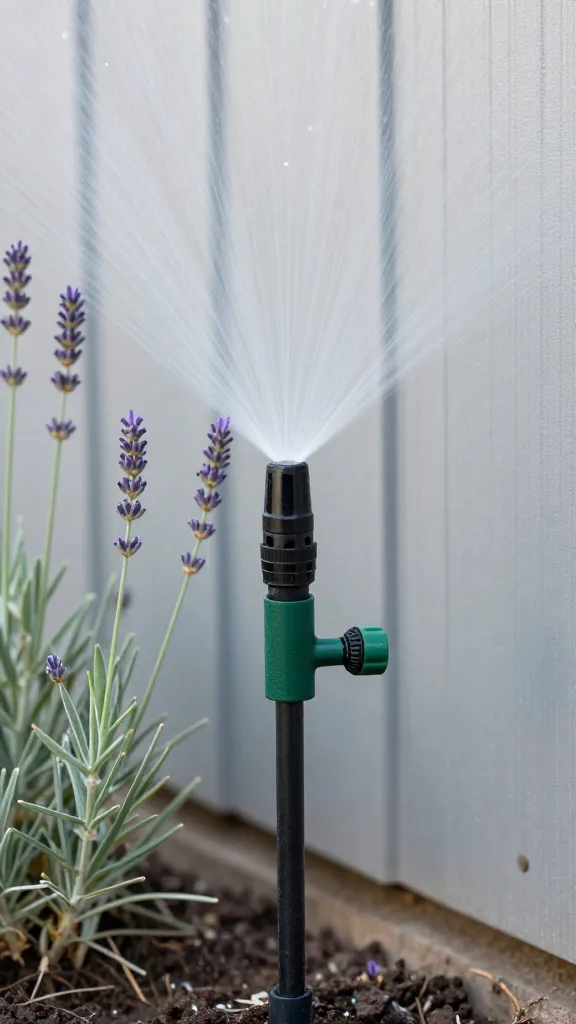
You want low-effort, high-reward care. Here’s the realistic routine:
- Water: Deep soak 1–2 times weekly in the first season. Drip line on a timer = freedom.
- Feed: Mix slow-release fertilizer in spring. Organic compost top-up each year keeps soil happy.
- Groom: Deadhead spent blooms, trim floppers after storms, and cut back perennials in late winter.
- Weeds: Mulch + quick weekly pass. Five minutes now saves tears later.
Small Bed Design Upgrades
- Path pop: Add a stepping stone to a gate or hose spigot—practical and cute.
- Fence accents: Hang a small mirror, mount a birdhouse, or add fairy lights.
- Four-season interest: One evergreen (boxwood ball, dwarf holly) keeps structure in winter.
Smart Plant Pairings Along a Fence (Sample Recipes)
Sunny, 24-inch-deep bed:
- Back: 3 coneflowers ‘PowWow White’, 3 dwarf fountain grasses
- Middle: 5 catmint ‘Walker’s Low’, 3 salvias ‘Caradonna’
- Front: drift of sweet alyssum and creeping thyme
Part-sun cottage vibe:
- Back: 2 ‘Little Lime’ hydrangeas flanking a trellis with clematis
- Middle: 5 coreopsis, 3 heuchera (dark foliage)
- Front: lamium strip with white lobelia tucked in
Shady elegance:
- Back: 3 large hostas, 3 astilbes
- Middle: 5 heuchera, 3 brunnera
- Front: sweet woodruff edge with dwarf hosta accents
IMO, repeat one plant every 3–4 feet to tie the whole thing together.
Common Mistakes to Dodge
- Planting too close to the fence: Leave 6–12 inches so you can paint, clean, and keep airflow.
- Ignoring mature size: Today’s cute 1-gallon shrub becomes tomorrow’s fence-eating monster.
- One-and-done watering: New beds need consistent moisture their first season.
- Bloom boredom: Mix early, mid, and late bloomers plus foliage interest to avoid dead zones.
FAQ
How deep should a small flower bed along a fence be?
Aim for 18–30 inches. That depth allows a back-middle-front layout without crowding. If your space is tighter, use dwarf plants and a single curving sweep for movement.
Can I plant right against the fence?
Leave at least 6 inches, ideally 12. You’ll protect the fence from rot, keep airflow around plants, and actually reach things when you need to weed or stain.
What flowers bloom the longest in a small bed?
Catmint, salvias, coneflowers, coreopsis, and calibrachoa crank out color for months in sun. In shade, go for heuchera (foliage color all season), impatiens, and torenia. Deadhead and they’ll keep the party going.
Do I need landscape fabric?
Skip it in flower beds. It tangles roots, blocks compost from integrating, and weeds still show up on top. Use 2 inches of mulch and pull the random invaders—faster and healthier for your soil.
How do I add winter interest?
Include one evergreen or structural element: a small boxwood, dwarf holly, or a slim obelisk. Leave seed heads on coneflowers or grasses for texture (and bird snacks). Your fence line won’t look sad in January.
What’s the easiest watering setup?
A 1/2-inch drip line with emitters every 12 inches on a simple timer. It waters the soil (not the leaves), saves water, and keeps blooms happy while you drink iced tea and take credit for your efficiency.
Wrap-Up: Your Fence Just Got an Upgrade
Design the bed by light, layer heights, and repeat colors for flow. Prep the soil, plant with space to grow, and mulch like you mean it. Add one vertical element and one evergreen for year-round vibes. Keep the care simple and consistent, and that once-boring fence will become your favorite slice of the yard—no giant budget or gardening diploma required.