How to Water a Raised Bed Garden the Right Way for Thriving Yields
You built that beautiful raised bed, filled it with dreamy soil, and planted your future salsa. Now what? You water it… but how much, how often, and when? Overwater and your plants drown. Underwater and they sulk like teenagers without Wi‑Fi. Let’s dial in a simple, smart watering routine so your raised bed thrives without you babysitting it with a hose 24/7.
Why Raised Beds Need a Different Watering Game
Raised beds drain fast. That’s awesome for roots and aeration but terrible for forgetful waterers. The soil mix often includes compost and pine bark, which hold moisture differently than in-ground soil.
Translation: you can’t water like you would a lawn. You need to water a little deeper, a little smarter, and watch your plants more than your calendar.
How Much Water Do Raised Beds Actually Need?
Short answer: enough to hydrate the root zone (usually 6–12 inches deep), not just the topsoil.
– For new plantings or seeds: keep the top inch consistently moist.
– For established plants: aim for about 1–1.5 inches of water per week, total, including rain.
– In heat waves or wind: you may need to double that. Sorry. Blame the sun.
Quick Depth Check
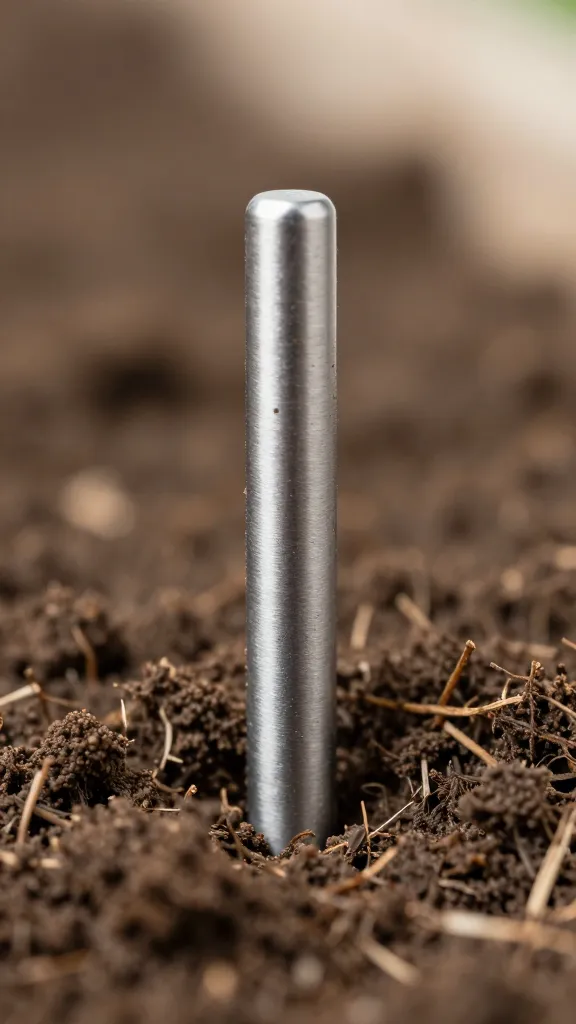
– Stick your finger in the soil up to your second knuckle. Dry? Water.
– Use a cheap moisture meter if you want numbers. Aim for “moist,” not “soggy.”
– Dig a small test hole after watering. If moisture reached 6–8 inches down, you nailed it.
Pro tip: Water so slowly that the bed absorbs it instead of shedding it off the sides.
Timing: When to Water for Happy Roots
Water early morning. You reduce evaporation, you wake up the plants, and you dodge fungal drama. Evening watering works if mornings hate you, but give leaves time to dry before night.
– Morning (5–9 a.m.) = best.
– Late afternoon (4–6 p.m.) = acceptable.
– Noon in July = you’re basically hydrating the air.
What About Rain?
Rain lies. A drizzle doesn’t count. Use a rain gauge (or a cup left outside) to see what actually fell. If you didn’t get at least half an inch in a soaking event, water anyway.
Tools That Make Watering Way Easier

You don’t need fancy gear, but a little setup saves you time and plants.
Best options IMO:
– Soaker hoses: Porous hoses that seep water along the bed. Great for even, deep watering.
– Drip irrigation: Tubing with emitters near plants. Most efficient and customizable.
– Watering wand: For hand-watering, it lets you aim at soil, not leaves.
How to Set Up Soaker or Drip the Right Way
– Lay lines 6–12 inches apart across the bed.
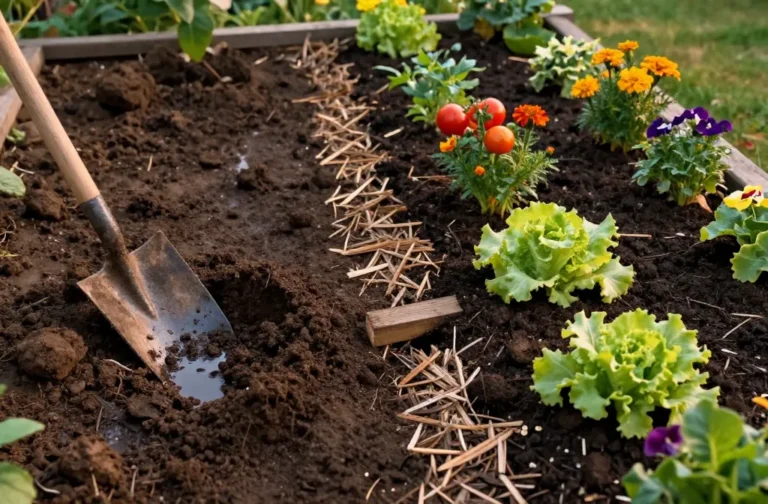
– Bury or pin them under mulch.
– Use a timer. Start with 20–30 minutes every other day, then adjust by checking soil moisture.
– Add a pressure regulator and filter if your kit recommends it. Your emitters will last longer and not clog.
FYI: Sprinklers look fun but waste water through evaporation and wet foliage (hello, mildew).
Watering Technique: Slow, Deep, Consistent
Let’s talk technique, because the “how” matters.
– Water at the base: Leaves don’t drink. Roots do.
– Go slow: Let water soak in. Fast flow = runoff and shallow roots.
– Cycle soak: If water puddles, water for 5 minutes, wait 10, repeat.
– Focus on root zones: Row or plant spacing? Target those lines, not empty paths.
How Long Should You Water?
It depends on your setup and soil mix. Use these ballparks, then tweak:
– Soaker hose: 30–60 minutes to deliver about 1 inch of water.
– Drip emitters (1 GPH): 60 minutes gives 1 gallon per emitter. Two emitters per big plant is common.
– Hand watering: Apply slowly for 10–20 seconds per plant, revisit, and repeat until the soil feels moist 6 inches down.
Test it once: Place a tuna can under the soaker or sprinkler. When it fills to 1 inch, you know your runtime for a weekly deep soak.
Soil and Mulch: Your Secret Moisture Managers
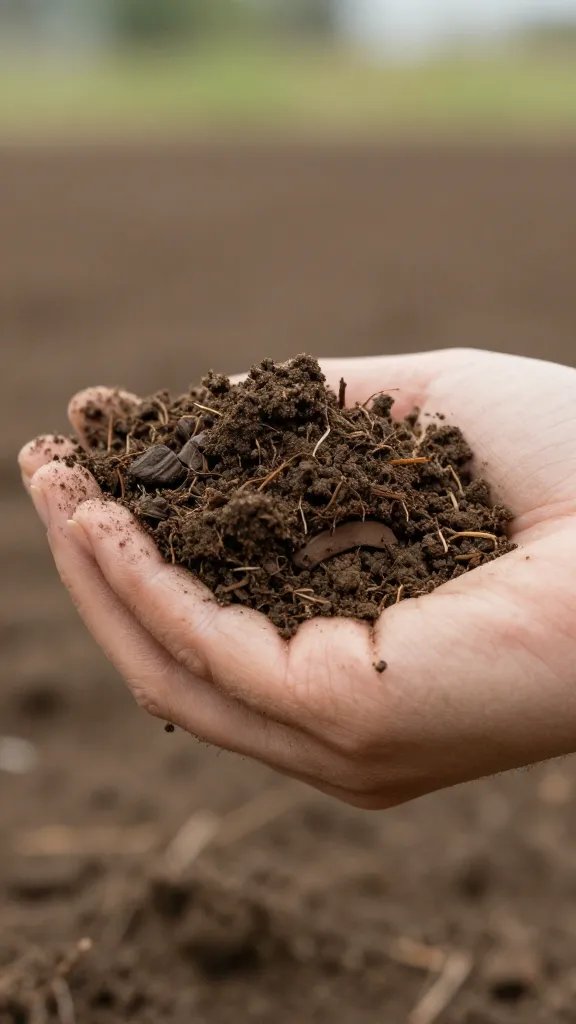
Great soil = less stress. Raised beds shine because you control the mix.
– Build a moisture-savvy mix: About 40% compost, 40% high-quality topsoil, 20% aeration material (coarse sand, pine bark fines, or perlite).
– Add organic matter yearly: Compost boosts water-holding capacity and feeds microbes.
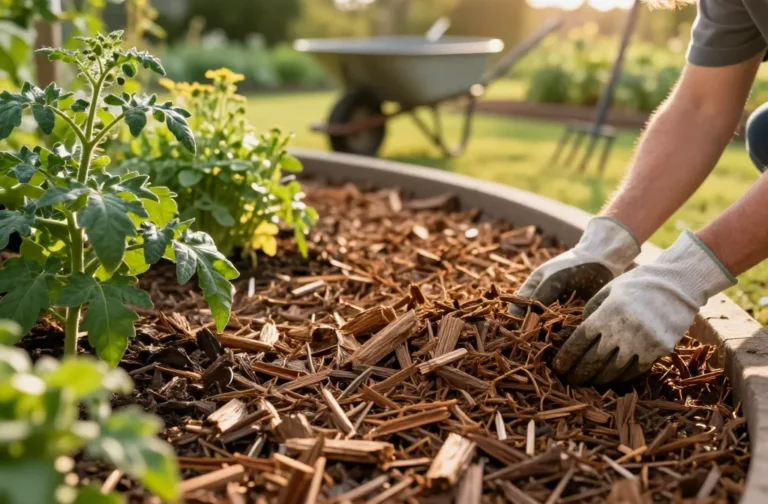
– Mulch like you mean it: 2–3 inches of shredded leaves, straw, or wood chips around plants (not touching stems). You cut evaporation, cool the soil, and water 30–50% less.
Hydrophobic Soil Fix
If water beads on top and refuses to soak in:
– Break the crust lightly with a fork.
– Water in short bursts.
– Add compost and mulch.
– Consider a yucca-based soil wetting agent for a stubborn bed.
Seasonal Adjustments and Plant Personalities
Your tomatoes want different treatment than your carrots. And seasons keep changing the rules. Fun, right?
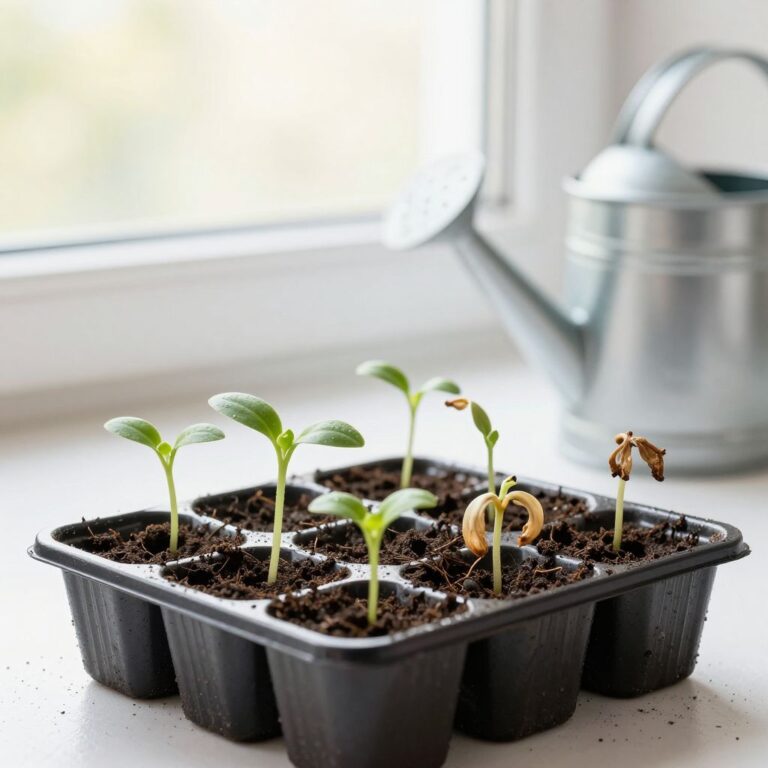
– Seedlings: Keep the top 1 inch consistently moist. Light, frequent waterings.
– Leafy greens: Shallow roots. Steady moisture prevents bitterness.
– Fruit crops (tomatoes, peppers, squash): Deep, infrequent water builds strong roots. Consistency prevents blossom end rot and splitting.
– Root crops: Even moisture = straight, tender roots. Big swings cause cracking.
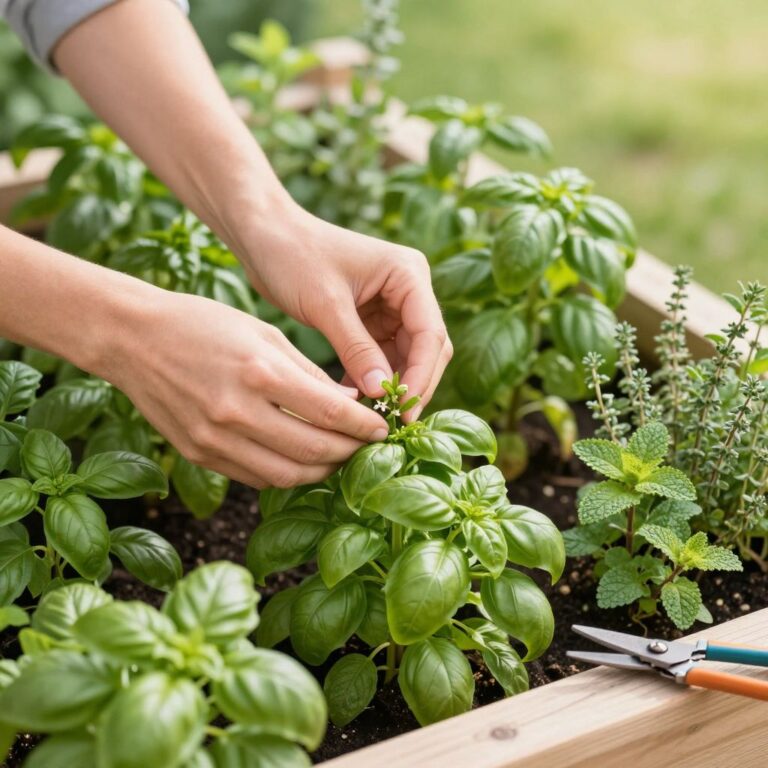
– Herbs: Mediterranean herbs (rosemary, thyme, oregano) prefer to dry out a bit between waterings.
Weather Watch
– Heat, wind, and low humidity suck moisture fast. Check daily in heat waves.
– Cool, cloudy spells? Cut water by half.
– After a hard rain? Skip a day or two and test the soil first.
Common Watering Mistakes to Skip
We’ve all done these. Let’s not repeat them.
– Shallow sprinkle: Encourages surface roots that dry out fast.
– Watering on a strict schedule: Plants don’t own calendars. Use the soil test.
– Soaking leaves, not soil: Wastes water and invites disease.
– Ignoring mulch: You’ll fight evaporation all season.
– Flooding the bed: Drowns roots and leaches nutrients. Slow your roll.
Simple Weekly Watering Routine
Here’s a no-brainer plan you can actually keep.
– Monday a.m.: Deep water (soaker/drip) until you reach ~1/2 inch.
– Wednesday a.m.: Check moisture at 3–4 inches. Water only if dry.
– Friday a.m.: Another deep soak to bring the weekly total to ~1–1.5 inches.
– Weekend: Spot-check and hand-water any divas (containers, new transplants, wilty drama queens).
Adjust for rain, heat waves, and the personality of your plants. IMO, consistency beats intensity.
FAQ
How do I know if I’m overwatering my raised bed?
Check for soggy soil, yellowing leaves, and fungus gnats hosting a block party. If the soil stays wet 24–48 hours after watering, you overdid it. Let it dry to at least 2–3 inches down before the next round, and consider more mulch and slower irrigation.
Is drip irrigation worth it for a small raised bed?
Yes. Even on a small bed, drip saves water, keeps leaves dry, and targets roots. Add a simple timer, and you avoid the “oops, I forgot” problem. It’s set-and-forget gardening, which is priceless on busy weeks.
Can I use graywater to water my raised bed?
Use caution. Graywater can contain soaps and salts that build up in soil. If you use it, choose plant-safe, biodegradable soaps and avoid edible crops or apply only to ornamentals. For veggies, stick with fresh water—safer all around.
Why do my plants wilt midday even when I water?
Hot afternoons cause temporary wilting as plants reduce water loss. If they perk back up in the evening or morning, you’re fine. If they stay wilted, water more deeply, mulch better, or add shade cloth during heat waves.
How much should I water during a heat wave?
Increase frequency and depth. Check soil daily and water when dry 2–3 inches down. You may need to water every day with soakers or drip, especially for shallow-rooted greens. Mulch and morning watering help a ton.
Should I water newly built raised beds differently?
Yes. New mixes can be fluffy and dry. Pre-soak the bed thoroughly before planting, then keep the top inch moist for 1–2 weeks while roots establish. After that, switch to deeper, less frequent watering.
Conclusion
Watering a raised bed isn’t rocket science—you just need depth, timing, and a little consistency. Aim for slow, deep soaks, water in the morning, and let mulch do half the work for you. Watch the soil, not the calendar, and tweak for weather and plant types. Do that, and your raised bed will grow like it has its own personal raincloud. FYI: you’ll feel like a plant whisperer, because you kind of are.