How To Make Your Own Compost In 6 Simple Steps That Actually Work
Compost is basically nature’s recycling program, and honestly, it deserves more hype. If you want healthier soil, fewer trash bags, and a weirdly satisfying kitchen-to-garden project, you’re in the right place.
The good news? You do not need a farm, a fancy tumbler, or a degree in dirt science. You just need a few scraps, a little patience, and six simple steps.
1. Pick A Compost Spot That Won’t Annoy You
Start with the easiest setup you’ll actually use. If your compost bin feels inconvenient, you’ll stop feeding it, and then it turns into an expensive yard ornament. Not ideal.
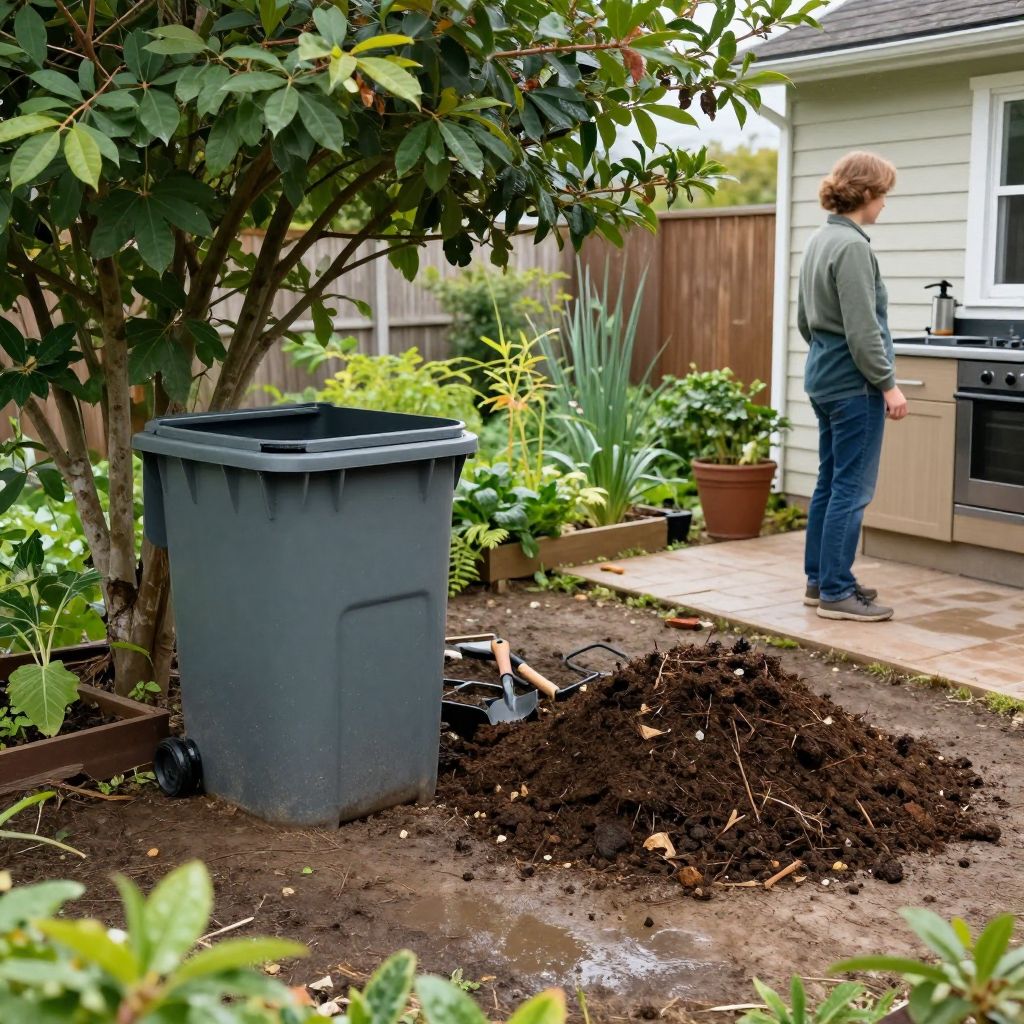
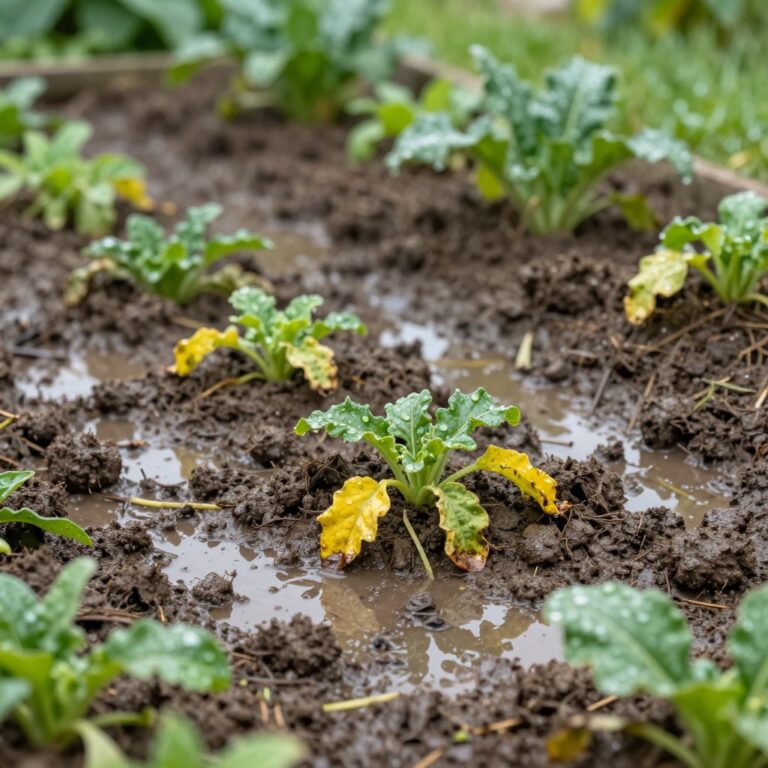
You can compost in a backyard corner, in a bin, in a tumbler, or even in a simple pile if your space allows. The best spot stays easy to reach, gets a bit of airflow, and doesn’t sit in a swampy puddle every time it rains.
Good Spot Basics
- Close enough to your kitchen or garden to use often
- Some shade to help prevent drying out
- Good drainage so the pile doesn’t get soggy
- Room to turn or mix the pile later
If you live in a small space, a compact bin works just fine. FYI, the best compost system is the one you’ll keep using.
2. Gather Your Greens And Browns Like A Tiny Dirt Chef
Compost works best when you mix greens and browns. Greens bring nitrogen, browns bring carbon, and together they help your pile break down without getting gross and smelly. Nature loves balance, apparently.
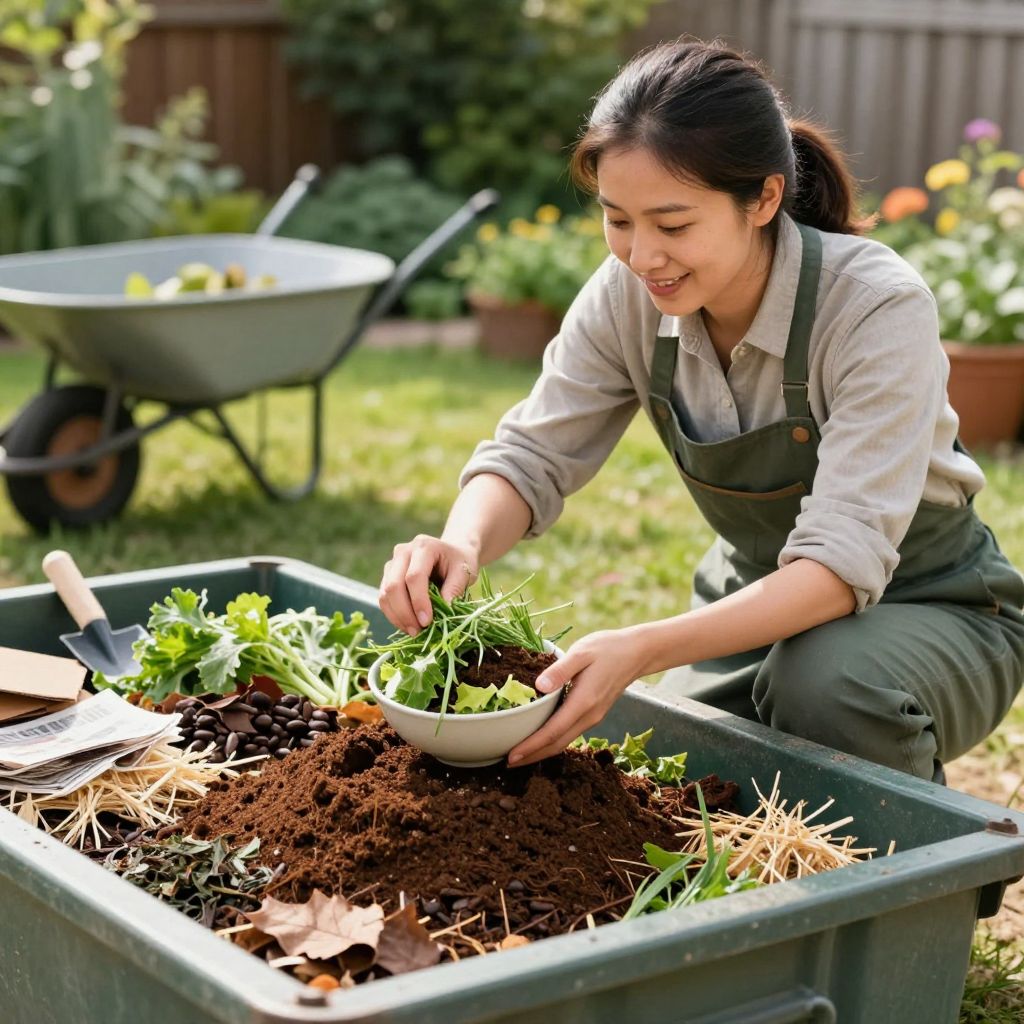
Greens usually come from kitchen scraps and fresh plant trimmings. Browns come from dry leaves, paper, cardboard, and other dry plant material.
Use These Greens
- Fruit and vegetable scraps
- Coffee grounds and tea leaves
- Grass clippings in thin layers
- Fresh garden trimmings
Use These Browns
- Dry leaves
- Shredded newspaper
- Cardboard without plastic coating
- Straw, hay, or small twigs
Aim for roughly two to three parts browns to one part greens. Don’t stress over perfection, though. Compost is forgiving, which is more than I can say for most hobbies.
3. Build The Pile In The Right Order
Layering your compost helps everything start breaking down faster. Think of it like making a lasagna, except this one smells better and no one asks for extra cheese.
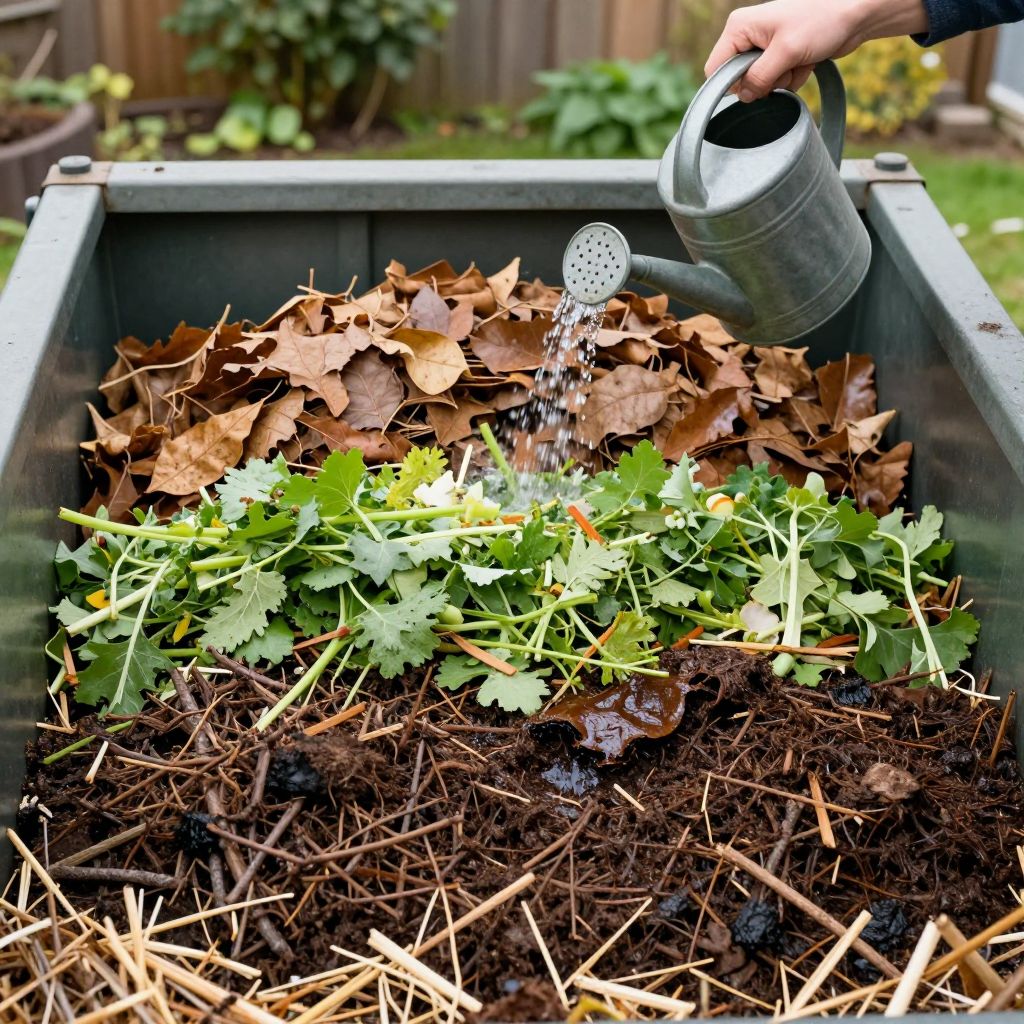
Begin with a base of browns to let air move through the pile. Then add greens, then another layer of browns, and keep going until your bin or pile feels full.
Simple Layering Formula
- Bottom layer: coarse browns like twigs or straw
- Middle layer: greens from the kitchen or garden
- Top layer: dry browns to cover odors and fruit flies
Sprinkle in a little water as you build, especially if the materials feel bone dry. A good compost pile should feel like a wrung-out sponge, not a swamp monster.
4. Keep It Moist, Fluffy, And Not Too Dramatic
Your compost pile needs air and moisture to do its thing. Too dry, and everything slows down. Too wet, and you get a stinky mess that makes you question your life choices.
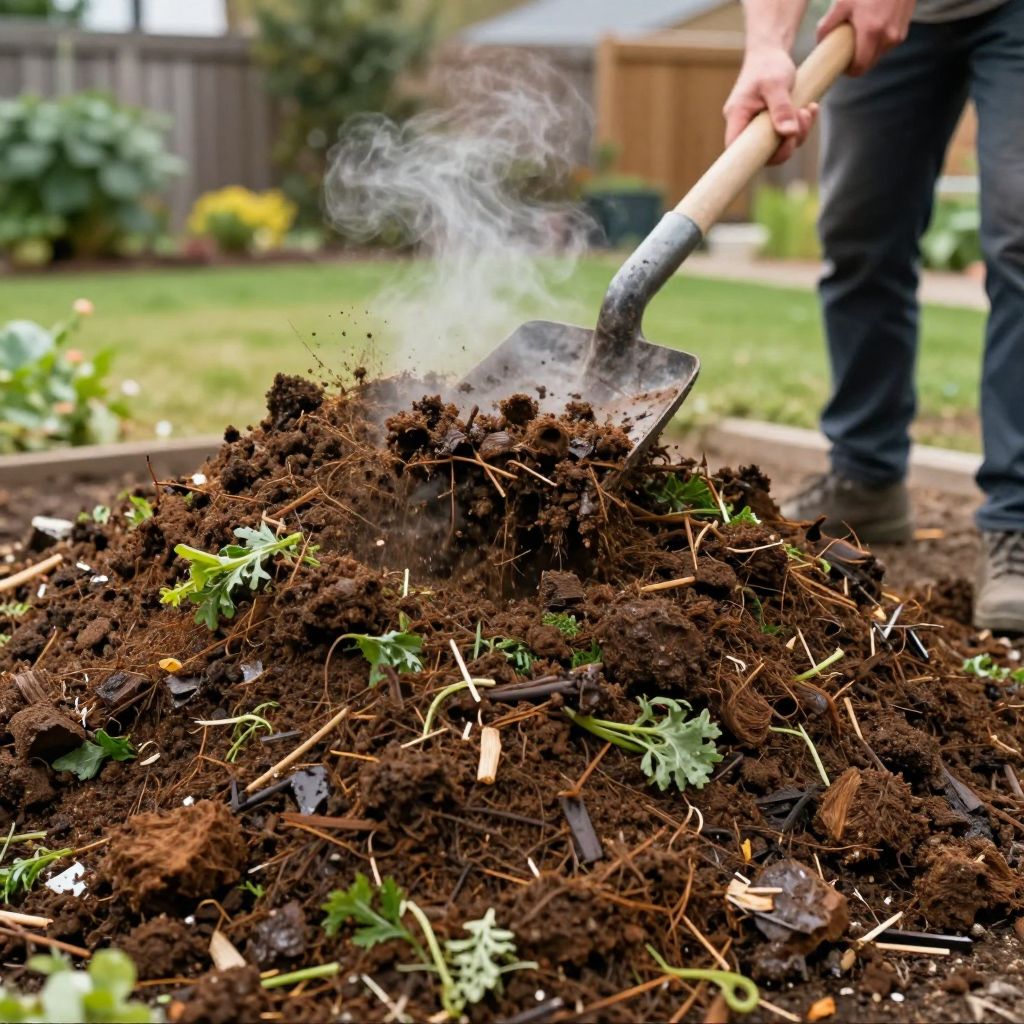
Check the pile every few days and give it a quick turn with a pitchfork, garden fork, or compost aerator. This moves oxygen through the pile and helps the microbes work faster.
What Healthy Compost Feels Like
- Moist like a damp sponge
- Loose and crumbly, not packed down
- Warm in the middle after a few days
If the pile smells bad, add more browns and mix it up. If it looks dry, add a little water. Seriously, compost tells you what it needs if you pay attention.
5. Avoid The Stuff That Turns Compost Into Chaos
Not everything belongs in compost, even if it seems organic enough. Some items invite pests, slow breakdown, or create a pile that smells like regret. Trust me, you want to skip that part.
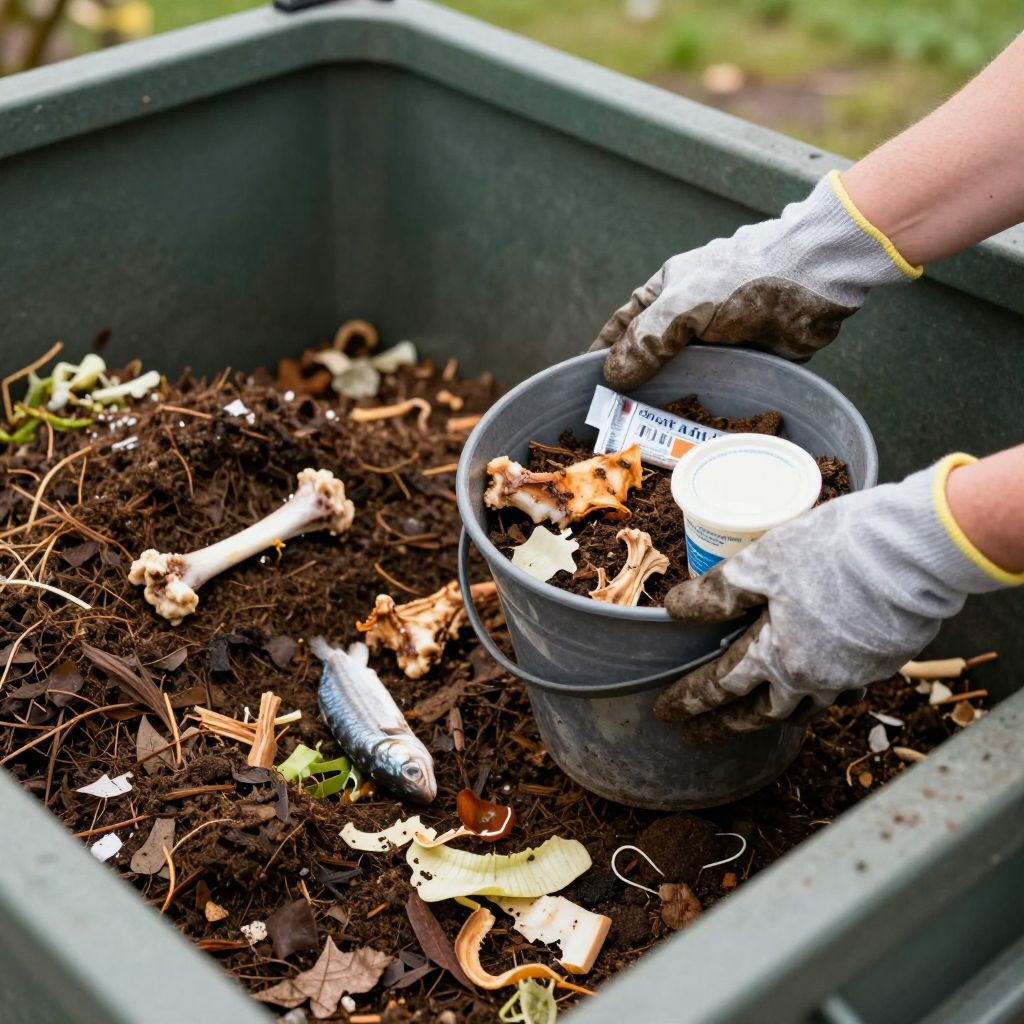
Stick to clean plant-based materials and skip anything greasy, meaty, or heavily treated. When in doubt, leave it out.
Don’t Add These
- Meat, fish, or bones
- Dairy products
- Oils, grease, or cooked food
- Pet waste
- Diseased plants or weeds with seeds
- Glossy paper or plastic-coated cardboard
Keeping bad ingredients out makes the whole process easier and way less gross. IMO, a clean compost pile feels like a small victory every single time.
6. Know When Your Compost Is Ready To Use
After a few months, your pile starts to transform into dark, crumbly compost that smells earthy instead of funky. That’s the jackpot moment. You’ll know it’s ready when you can barely recognize the original scraps.
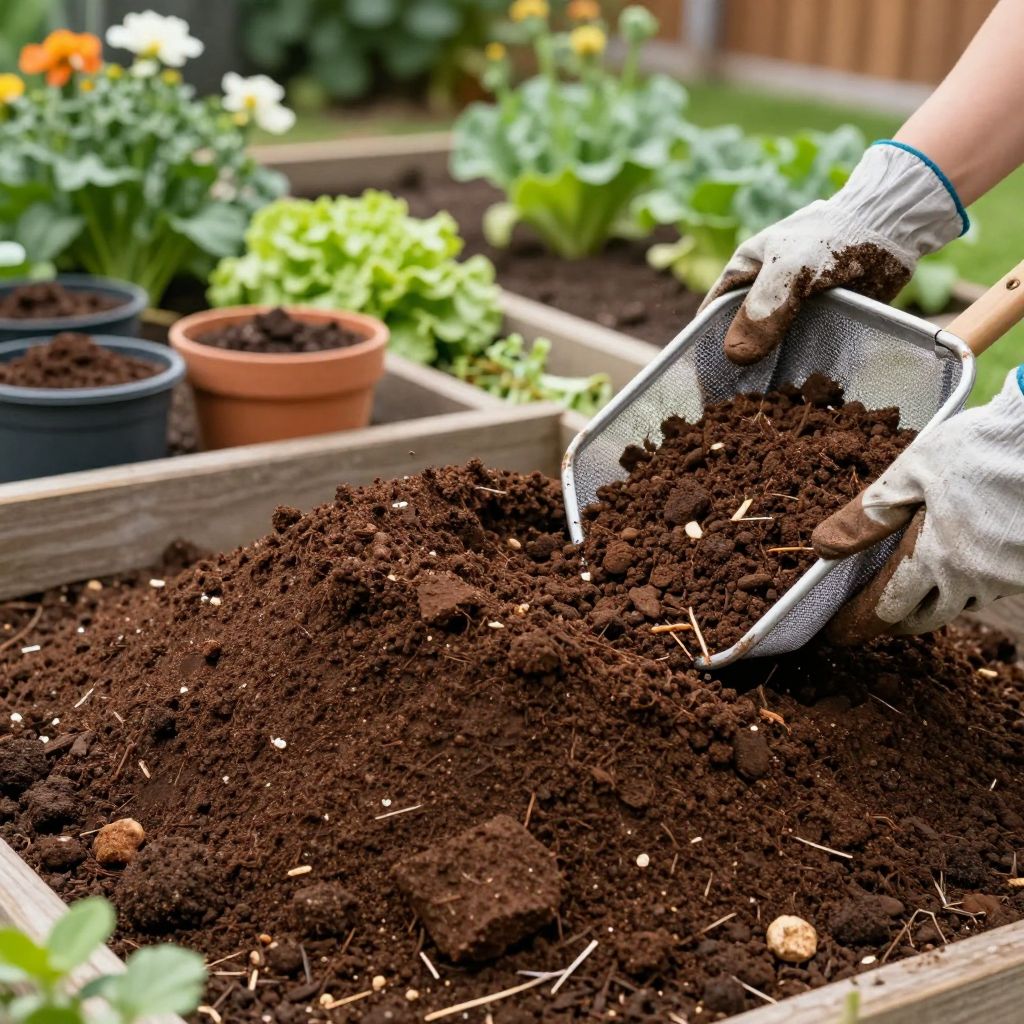
Finished compost usually looks rich and chocolatey, with a soft soil-like texture. You can sift out any bigger pieces and toss them back into a fresh pile to keep breaking down.
Use Compost For
- Mixing into garden beds
- Topping off potted plants
- Refreshing container soil
- Helping new plants settle in
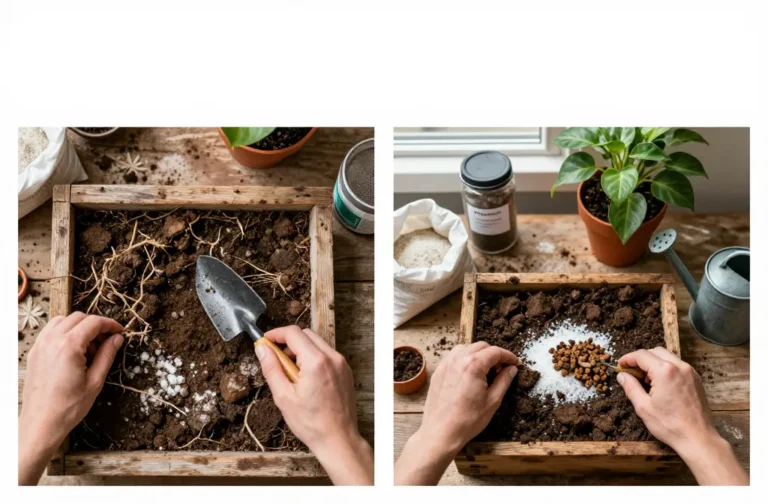
Compost works beautifully in vegetable gardens, flower beds, lawn care, and container plants. Once you start using it, you’ll probably wonder why you ever paid for bagged soil amendments.
Making your own compost sounds like a big project, but it really comes down to six simple habits. Start small, keep the mix balanced, and let time do most of the work.
Before long, you’ll turn kitchen scraps into something your garden will absolutely love. And yes, bragging a little is allowed.