The Secret to How to Start a Pollinator Garden in a Small Backyard
You don’t need acres of land to throw a pollinator party. A small backyard can buzz like a meadow if you plan it right. Bees, butterflies, hummingbirds, and even beetles will RSVP the second you offer nectar, shelter, and a little water. Ready to turn your tiny space into a five-star pollinator hangout?
Start With the Sun, Wind, and Water You’ve Got
Before you buy a single plant, watch your yard for a few days. Where does the sun blast? Where does shade chill? You’ll match plants to those micro-zones and save yourself headaches later.
- Sunlight: Most pollinator superstars want 6+ hours of direct sun. Shade lovers exist, but they’re pickier.
- Wind: Strong gusts can scare off butterflies and dry out plants. Use fences, shrubs, or trellises to create calm pockets.
- Water: Note low spots and downspouts. You can direct runoff to a mini rain garden and keep things lush.
Space Reality Check
Measure your beds, containers, or that weird triangle by the patio. Pollinator gardens scale beautifully. A 4×6 bed or five large containers can host a surprising amount of life. IMO, constraints force creativity—embrace them.
Pick Plants Like You’re Curating a Year-Round Menu
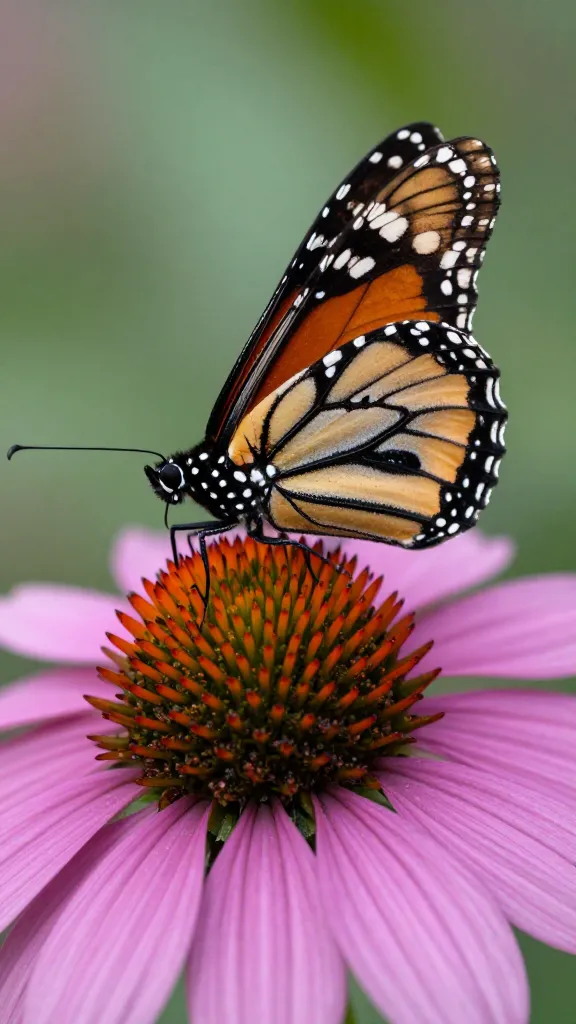
Pollinators don’t do intermittent fasting. They need blooms from spring through fall. Aim for overlapping flowers every month you can.
- Spring: Think early nectar: wild columbine, penstemon, beardtongue, golden alexanders.
- Summer: Go bold: purple coneflower, bee balm, blanket flower, milkweed (for monarchs and lots of other insects), coreopsis, lavender.
- Late Summer/Fall: Save the day with asters, native sunflowers, and goldenrods. They fuel migrations and overwintering prep.
Native Plants = VIP Passes
Local pollinators evolved with local plants. Choose regionally native species when possible. They offer the right nectar chemistry, bloom timing, and leaf food for caterpillars. FYI: a “native cultivar” can work, but avoid overly frilly, double flowers—pollinators can’t reach the nectar.
Mix Flower Shapes
Different pollinators have different “beak” lengths and feeding styles. Include:
- Tubes: Salvia, penstemon, bee balm for hummingbirds and long-tongued bees.
- Open discs: Asters, sunflowers, yarrow for short-tongued bees and butterflies.
- Spikes: Veronica, liatris for bumblebees and butterflies.
Design for Drama (and Function)
Yes, we care about ecology, but also…make it cute. Group plants in clumps of 3–5 so pollinators can feed efficiently. Lone soldiers get ignored.
- Layer heights: Tall in back, medium in the middle, groundcovers up front.
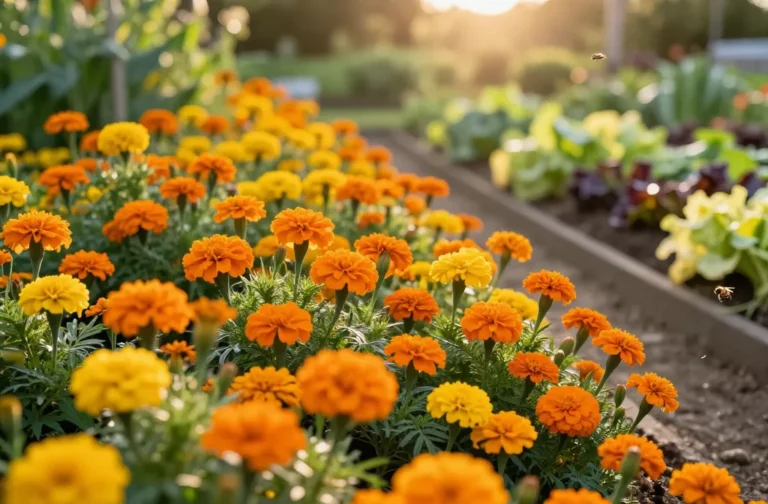
- Repeat colors: Bees love purples, blues, and yellows. Butterflies chase bright, sunny vibes.
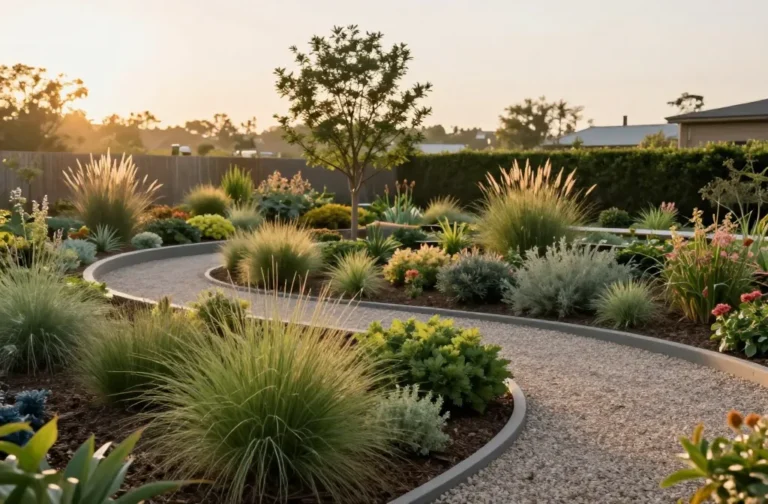
- Leave pathways: You’ll need access for maintenance and those smug garden strolls.
Container Magic
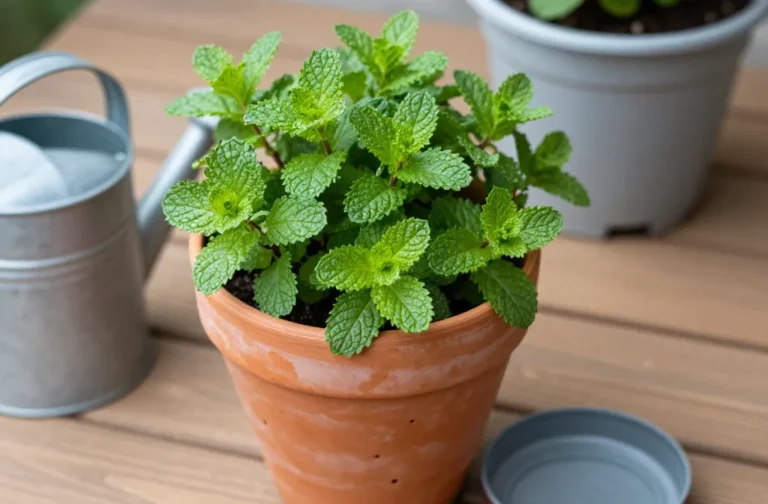
No soil? No problem. Use large containers (at least 14–18 inches wide) with a high-quality, peat-free potting mix. Combine a thriller (tall plant), fillers (mids), and spillers (trailing herbs like thyme or creeping Jenny). Water more often and feed lightly with compost tea every few weeks.
Create Shelters, Nurseries, and Watering Holes
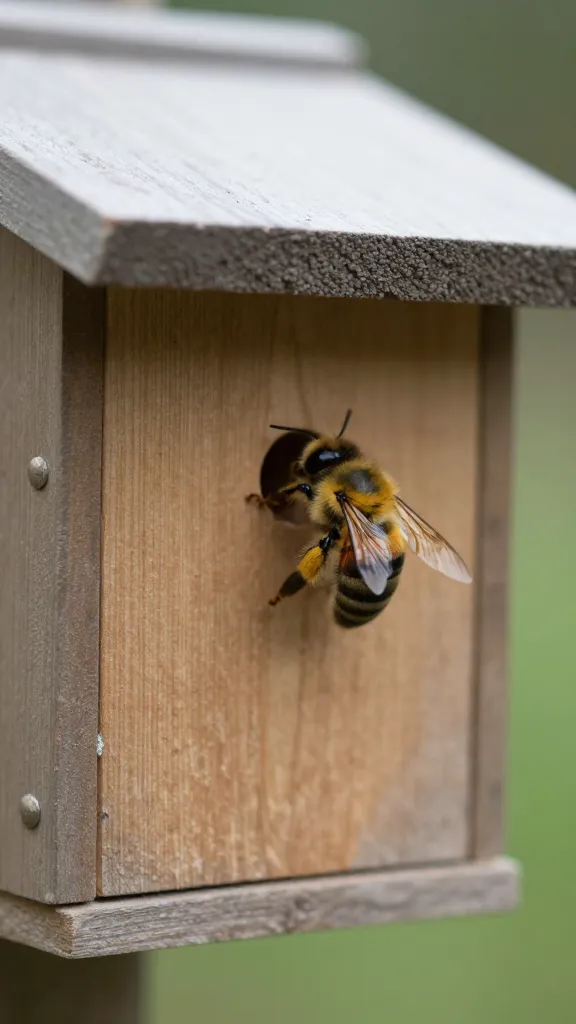
Pollinators don’t just eat—they nest, sip, and chill. Give them the full package.
- Bare soil patches: 70% of native bees nest in the ground. Leave a small, sunny, undisturbed patch.
- Stems and sticks: Leave some hollow stems over winter for stem-nesting bees. Clean up in late spring, not fall.
- Brushy corners: A small pile of twigs and leaves becomes shelter for beneficial insects. It looks rustic, not messy—promise.
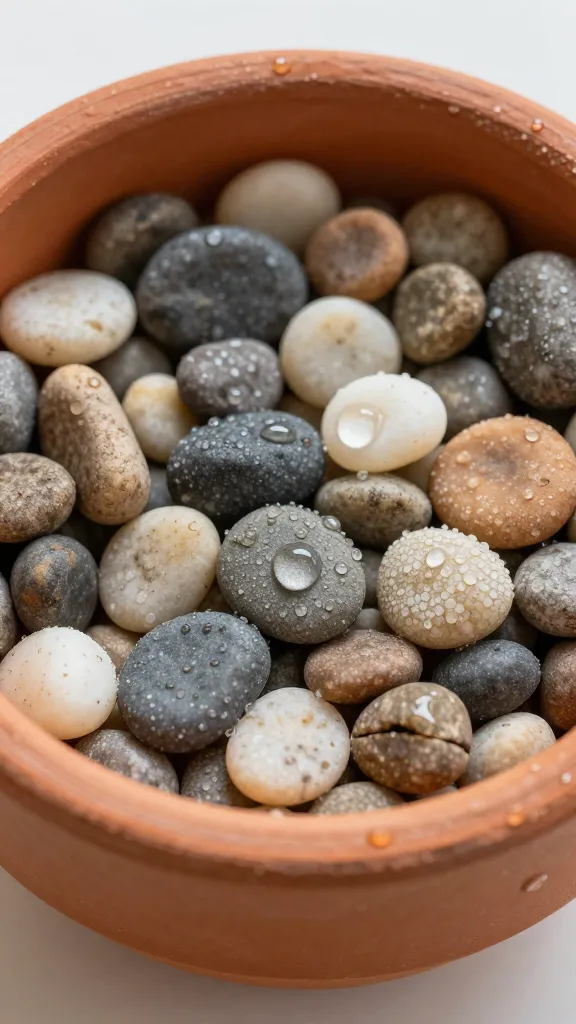
- Water: A shallow dish with stones lets bees and butterflies land to drink. Change water frequently to keep it fresh.
Butterfly Host Plants
Flowers feed adults, but babies need host plants. Add a few:
- Milkweeds: Monarch caterpillars’ only food.
- Dill, fennel, parsley: Black swallowtail nurseries (and your pasta sauce’s best friends).
- Willows, violets, spicebush: Caterpillar favorites for various species.
Ditch the Chemicals (Seriously)
One squirt of broad-spectrum insecticide can nuke your hard work. Instead, build resilience.
- Healthy soil: Mix in compost and leaf mold. Good soil = strong plants = fewer pests.
- Right plant, right place: Sun lovers in sun, drought lovers on the dry side. Stress attracts pests.
- Manual fixes: Hand-pick caterpillar pests if needed, blast aphids with water, or use insecticidal soap as a last resort.
- No neonics: Check labels for neonicotinoids. Ask nurseries if plants are neonic-free. Annoying? Yes. Worth it? Absolutely.
Planting and Maintenance: Simple, Not Fussy
You don’t need a horticulture degree. You need a trowel and vibes.
- Prep: Remove turf or weeds. Loosen soil 6–8 inches. Mix in compost.
- Plant: Dig holes as deep as the root ball, set plants level with the soil, backfill, and water well.
- Mulch: Add 2–3 inches of shredded leaves or bark, but leave bare soil patches for ground-nesting bees.
- Water: Keep evenly moist until established. Then water deeply but less often.
- Deadhead (sometimes): Snip spent blooms to extend flowering. But leave late-season seedheads for birds.
Seasonal Rhythm
– Spring: Plant perennials, start seeds, set up water dish.
– Summer: Water, weed lightly, enjoy the show.
– Fall: Plant late-season perennials, add mulch, leave stems and leaves for overwintering.
– Winter: Chill. Dream. Order seeds you absolutely don’t have room for (we all do it).
Small-Space Stars to Try
FYI: Exact species vary by region, but these tend to behave well in small yards:
- Lavender (Lavandula angustifolia): Drought-tolerant, bee magnet, smells like vacation.
- Purple coneflower (Echinacea purpurea): Sturdy, long bloom, goldfinches love the seeds.
- Bee balm (Monarda didyma or fistulosa): Hummingbird fave; give it airflow to prevent mildew.
- Liatris (blazing star): Vertical spikes butterflies swarm.
- Asters (Symphyotrichum spp.): Fall heroes; fuel late-season bees.
- Milkweed (Asclepias spp.): Butterfly nursery and nectar bar. Choose a species suited to your region.
- Yarrow (Achillea millefolium): Rugged, long-blooming, supports many tiny pollinators.
- Herbs: Thyme, oregano, chives, and basil flowers draw bees like fans to a summer tour.
FAQ
Do I need to avoid hybrid or “double” flowers?
Yes, mostly. Double flowers often bury the nectar and pollen under extra petals. Pollinators can’t reach the goods. Choose single blooms and open centers for easy access.
Can I still have a lawn?
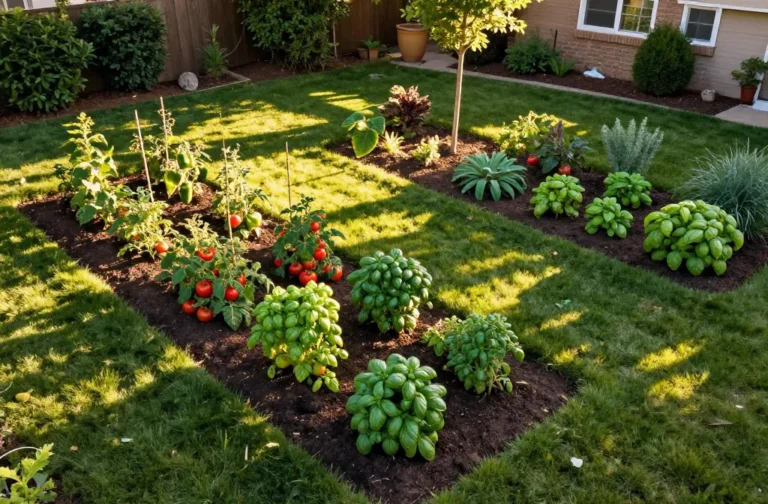
Sure, just shrink it. Replace a strip or corner with a planting bed or pollinator island. Even a 3×3 patch of natives beats a monoculture of grass. Mow less often and let clover hang out—it feeds bees.
Will a pollinator garden attract wasps?
Some, but that’s not a bad thing. Many wasps hunt pests and ignore people. Give them space and avoid sugary drinks outside, and you’ll coexist just fine.
How do I keep things from looking messy?
Use edges and repetition. Define beds with a clean border, repeat 3–4 plant species across the space, and add a focal point like a birdbath. It reads intentional, not “oops, weeds.”
What about mosquitoes?
Don’t give them still water. Refresh your bee bath every 2–3 days. Add a tiny bubbler if you want bonus points—moving water discourages mosquitos and invites birds.
How fast will I see results?
Pretty fast. Bees show up within weeks, butterflies in a month or two, and hummingbirds when tubular flowers open. The second season cranks everything to eleven as plants mature.
Conclusion
You can turn a small backyard into a pollinator hotspot with smart plant choices, a little structure, and zero chemicals. Think buffet-style blooms, cozy nesting spots, and a safe sip of water. Start small, plant in clusters, and let nature take the lead. Next thing you know, your yard will hum—literally—and IMO that’s the best garden soundtrack there is.