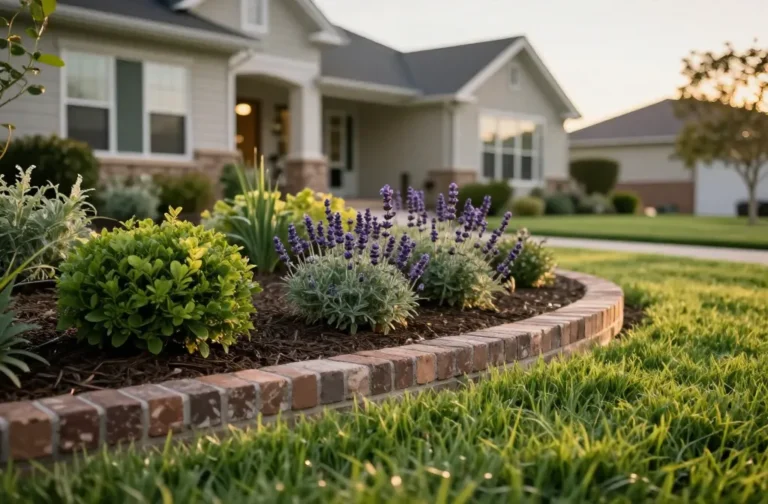
Mastering When to Mulch Your Garden and How Much Mulch to Use
You want thriving plants, fewer weeds, and less watering? Mulch does all that with one satisfying dump of a wheelbarrow. But toss it down at the wrong time or pile it too deep, and you’ll choke your plants faster than you can say “mulch volcano.” Let’s skip the fluff and get right to when to mulch and how much you actually need—no guesswork, no garden drama.
Why Mulch Matters (And Why Timing Isn’t Optional)
Mulch keeps soil cool, locks in moisture, and blocks sunlight that would otherwise cheer on weeds. It also feeds your soil as it breaks down—if you choose the right kind. The catch? Mulch does different jobs in different seasons, so timing your layer makes or breaks the results.
Best Times to Mulch: Season by Season
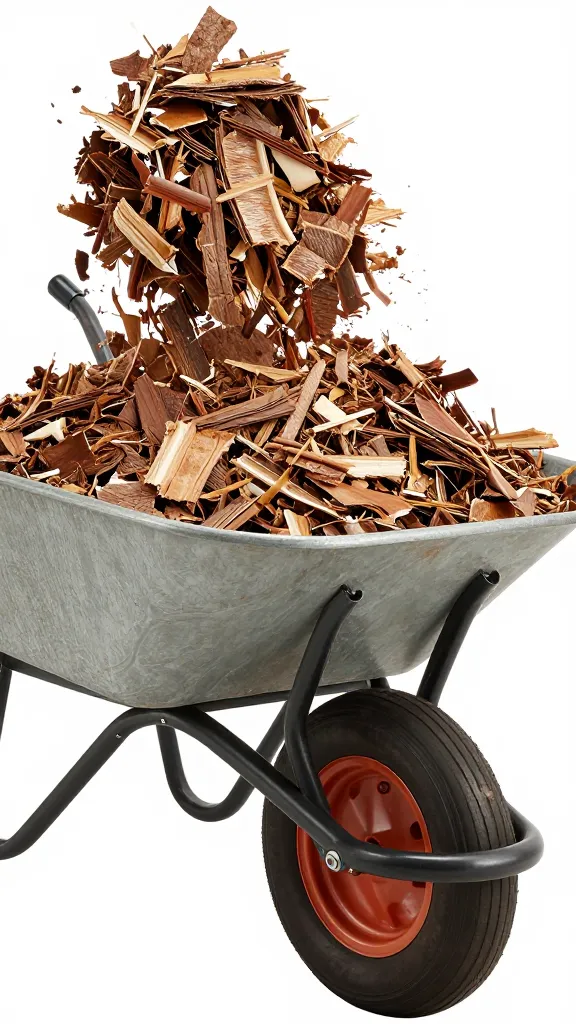
You don’t need to mulch every month. Plan it like you plan your outfits: seasonally, with purpose.
Spring: After Soil Warms Up
Hold your horses—don’t mulch the second you see sunshine. Wait until the soil warms (usually late spring). Early mulching traps cold and slows growth. Once plants pop new growth and the soil isn’t soggy, lay your mulch to lock in that spring moisture and block the first wave of weeds.
Summer: Mid-Season Top-Up
If your mulch layer thins or breaks down, add a light top-up. You’ll help plants ride out heat waves and dry spells without panic watering. Aim for a thin 0.5–1 inch to refresh, not smother.
Fall: Insulate for Winter
Mulch in late fall to stabilize soil temperatures and reduce freeze-thaw heaving that can push roots out. Mulch after the first frost, not before—otherwise, you might invite pests and lock in too much moisture.
Winter: Special Case Only
In very cold climates, you can add mulch over dormant perennials to protect crowns. But don’t mulch frozen or soggy soil. That’s a one-way trip to rot town.
How Much Mulch Do You Actually Need?
Let’s end the “just dump more” strategy, yeah? Too much mulch suffocates roots and invites rot. Too little won’t block weeds. Use these simple depth rules:
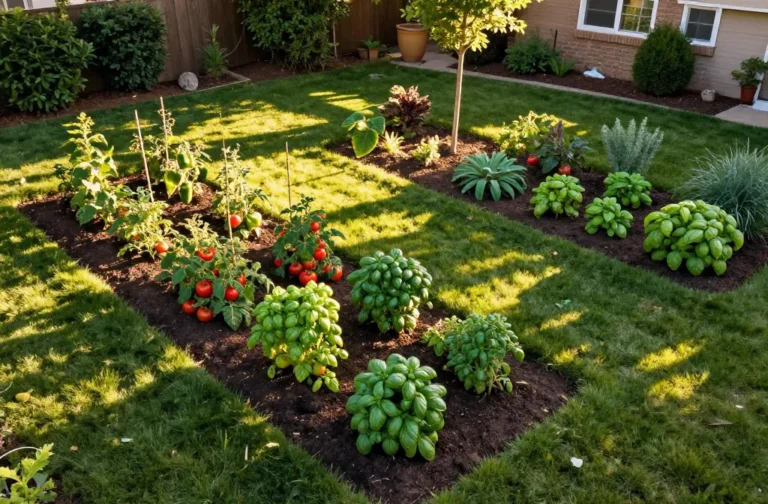
- Flowers, perennials, and veggies: 2–3 inches
- Trees and shrubs: 3–4 inches (but keep it off the trunk)
- Pathways: 3–4 inches for cushion and weed blocking
- Newly planted beds: 2 inches first, add another inch after a few weeks
Keep the Mulch Off the Stems (Seriously)
Create a mulch-free donut around trunks and stems—2–4 inches clear. Mulch volcanoes (those dramatic piles around tree trunks) cause bark rot, pests, and shame. Flat, even layers always win.
Mulch Types: Pick the Right One for the Job
No, all mulch is not created equal. Pick what fits your garden, your patience level, and your budget.
Organic Mulches (They Improve Soil—My Favorite)
- Shredded bark or hardwood: Long-lasting, great around trees/shrubs
- Wood chips: Affordable, slow to break down; best for perennials, paths
- Compost: Feeds soil fast; top-dress beds with 1 inch, then add 1–2 inches of another mulch on top
- Leaves (shredded): Free and effective; shred to avoid matting
- Straw (not hay): Light, great for veggies; replace more often
- Pine needles: Airy, long-lasting; slightly acidifying over time
Inorganic Mulches (They Last, But Don’t Feed Soil)
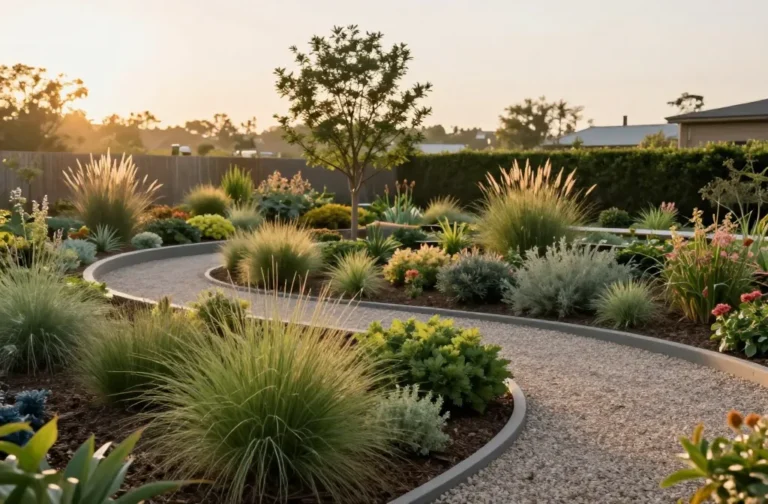
- Gravel/stone: Tough and tidy; use in xeriscapes or around succulents
- Rubber mulch: Long-lasting, but not for plant health IMO
- Landscape fabric: Use sparingly under gravel; skip it in planted beds
How to Calculate Mulch So You Don’t Overbuy
You can absolutely eyeball it and cry later. Or do this easy math:
- Measure your bed’s length and width in feet.
- Multiply for square footage (length x width).
- Decide depth in inches (usually 2–3 inches).
- Convert inches to feet (2 inches = 0.167 ft; 3 inches = 0.25 ft).
- Multiply area by depth to get cubic feet. Divide by 27 for cubic yards.
Example: 200 sq ft at 3 inches deep = 200 x 0.25 = 50 cubic feet. 50 / 27 ≈ 1.85 cubic yards. Order 2 yards because delivery drivers rarely bring bonus mulch.
Pro Tips Most People Skip
You’re not most people, right?
- Weed first. Pull or smother existing weeds. Mulch blocks light, not fully grown thugs.
- Water before mulching. Moist soil under mulch holds water longer. Dry soil under mulch stays…dry.
- Edge your beds. A clean trench or edging keeps mulch where it belongs (not in your lawn).
- Layer smartly. For heavy weed zones, lay cardboard or a thick newspaper layer first, then add mulch.
- Refresh, don’t bury. Add 0.5–1 inch yearly where needed instead of redoing the entire depth.
- Aerate compacted mulch. If it crusts over, fluff it with a rake to let water through.
Mulch and Nitrogen “Robbing”
FYI: Wood chips on soil surface don’t steal nitrogen from plant roots. They may tie up nitrogen in the very top layer as they break down. If you mix wood chips into soil (don’t), that’s when plants sulk. Keep chips on top, add a little compost underneath if you want to play it safe.
Common Mistakes (And How to Dodge Them)
- Too deep. More than 4 inches smothers roots and blocks oxygen.
- Against stems. Rot city. Keep a gap around stems and trunks.
- Wrong mulch for the spot. Heavy bark in veggie beds? It slows spring warm-up. Use straw or compost instead.
- Never refreshing. Mulch breaks down. That’s good. Top up lightly each year.
- Skipping pests. In slug-prone areas, avoid super-soft, damp mulches around tender greens.
Regional Considerations (Because Climate Laughs at One-Size-Fits-All)
What works in Oregon won’t fly in Arizona. Adjust to your weather, not your neighbor’s advice.
Hot, Dry Climates
Use heavier mulches like wood chips or gravel to reduce evaporation. Mulch before the real heat hits to lock in spring moisture. Keep 3–4 inches around shrubs and trees for max water savings.
Cool, Wet Climates
Go lighter and airier—shredded leaves, pine needles, or fine bark. Avoid matting. Mulch later in spring to let soil warm and dry a bit first.
Cold Winters
Mulch perennials after the first hard frost to stabilize temps. In windy zones, pick mulch that doesn’t blow away (chips > straw).
FAQ
Should I remove old mulch before adding new?
Usually, no. If last year’s mulch still looks decent and sits under 2 inches, just top it up. If it matted into a felt-like layer or smells sour, rake it out or break it up before adding fresh mulch.
Can I use grass clippings as mulch?
Yes, but use thin layers and let them dry first. Wet, thick clumps turn slimy and smelly. Avoid using clippings treated with herbicides around veggies or tender plants.
Is dyed mulch safe?
Quality dyed mulch from reputable sources usually uses iron oxide or carbon-based dyes, which are considered safe. The bigger issue is the wood source—avoid mulch from recycled pallets or construction debris. When in doubt, skip the neon red stuff.
How often should I replace mulch?
Plan for a light refresh every year and a fuller top-up every 2–3 years. In high-traffic beds or hot climates, you may add more often. Stone mulches don’t break down, but they still need occasional cleaning.
Will mulch attract bugs or termites?
Mulch creates a cozy habitat, but it doesn’t summon pests like a dinner bell. Keep mulch 2–4 inches away from foundations and avoid piling it high. Healthy garden ecosystems usually balance the critters out.
What’s the best mulch for vegetable gardens?
IMO, use a combo: 1 inch of compost for nutrients, topped with 1–2 inches of straw or shredded leaves. It keeps soil cool, suppresses weeds, and feeds microbes without overdoing it.
Conclusion
Mulch works like a garden superpower when you time it right and spread the right amount. Aim for 2–4 inches depending on the plants, keep it off stems, and match the material to your climate and goals. Do that, and you’ll water less, weed less, and flex your thriving beds all season—no mulch volcanoes, promise.