How to Grow Lavender in Pots Without Overwatering It Fast
Lavender looks easygoing, but it’s secretly picky—especially about water. Drench it and it sulks. Nail the pot, the mix, and the watering rhythm, and you’ll get silvery foliage and those dreamy purple spikes without the rot. Ready to keep your lavender alive and thriving on your balcony or windowsill? Let’s make overwatering a non-issue.
Pick the Right Pot (It Matters More Than You Think)
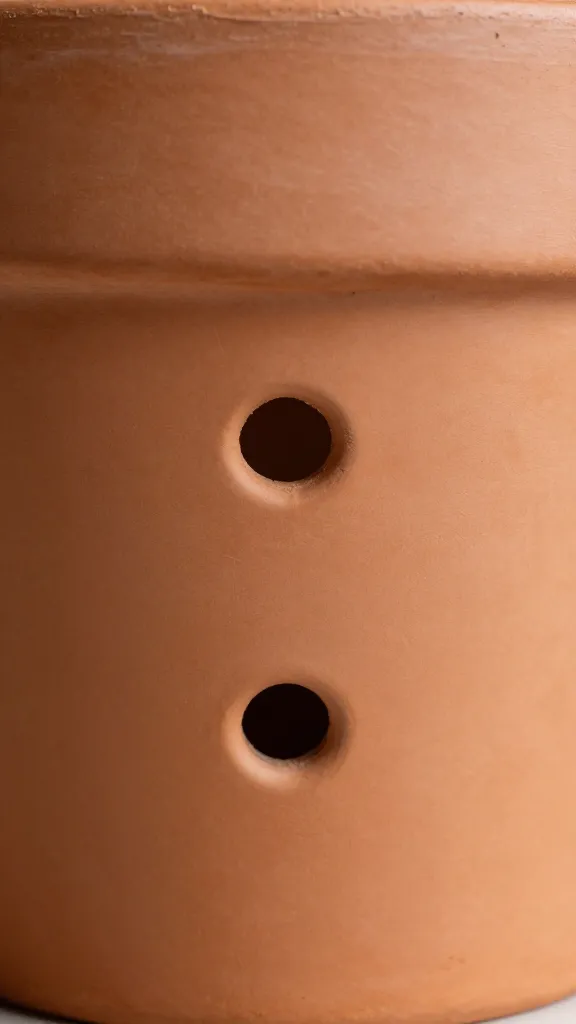
You can’t outsmart a bad pot. Lavender hates wet feet, so you need a container that lets water escape fast. Skip the cute pot with one tiny hole—this isn’t a goldfish.
Choose this, not that:
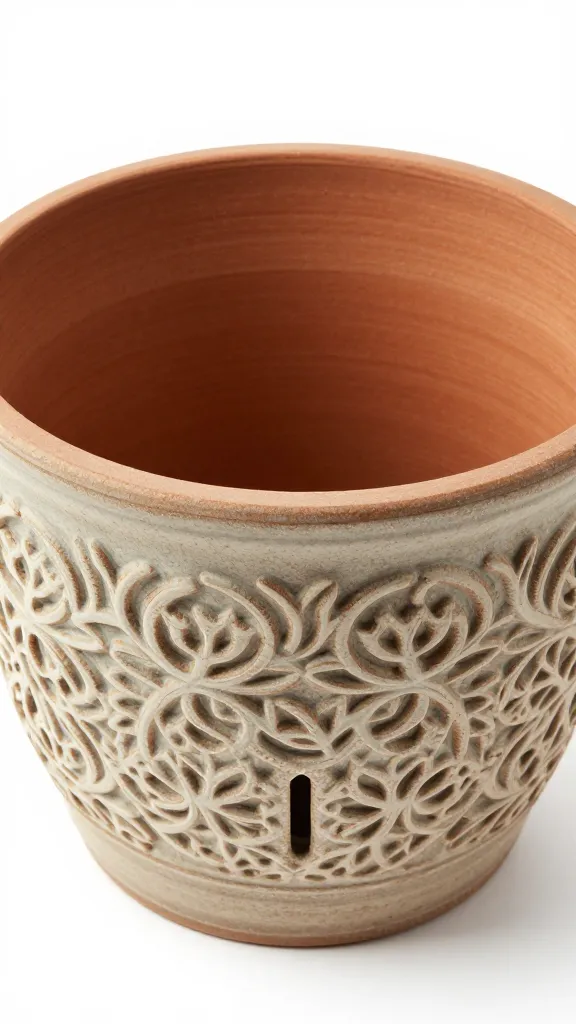
- Material: Terracotta or unglazed clay breathes and wicks moisture. Plastic traps it. Metal bakes roots. Wood works but can rot.
- Drainage: At least one large drain hole—three is better. If your dream pot has none, either drill holes or use it as a cachepot with a proper nursery pot inside.
- Size: Go 2–3 inches wider than the root ball. Oversized pots hold too much wet soil, aka rot city.
- Saucer strategy: Use one, sure—but never let water sit in it. Dump it after watering.
Build a Fast-Draining Mix (Your Lavender Will Send a Thank-You Note)
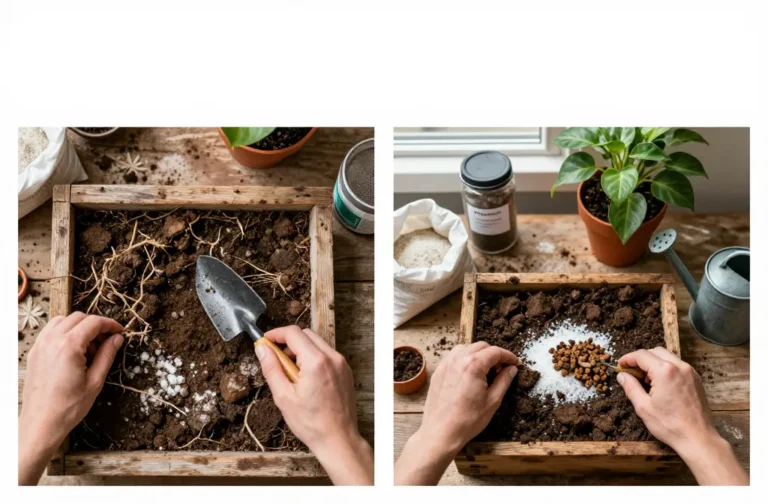
Garden soil in a pot? Hard no. It compacts and suffocates roots. You need a gritty, airy mix that dries quickly and mimics lavender’s Mediterranean origins.
My go-to potting recipe:
- 50% high-quality potting mix (peat-free if you can)
- 25% coarse sand (horticultural, not beach sand)
- 25% mineral grit (pumice, perlite, or small gravel)
Bonus tweaks for extra drainage
- Dolomitic lime: A small pinch per pot helps nudge pH slightly alkaline—lavender loves that.
- Compost, sparingly: A handful max. Too much organic matter = moisture trap.
- No pebbles in the bottom: It doesn’t improve drainage; it actually raises the water table. Soil physics is rude like that.
Water Like a Pro: Less Often, More Thoroughly
Here’s the rule: water when the mix dries out, then water deeply. Constant sips keep roots weak and damp. We want deep roots and quick-drying soil.
Your simple watering rhythm:
- Stick your finger 2 inches into the mix. If it feels dry at that depth, water. If not, wait.
- Water until it flows from the drain holes, then stop.
- Dump the saucer. Always.
How often should you water?
- Spring: Every 7–10 days, depending on sun and wind.
- Summer: Possibly weekly in heat; windy balconies dry faster.
- Fall: Stretch to every 10–14 days.
- Winter (indoors or mild climates): Every 3–4 weeks. Water barely. Overwatering usually happens in winter.
FYI, schedule apps are cute, but use your finger and common sense. Soil and weather don’t read calendars.
Sun, Airflow, and Placement: Your Overwatering Insurance
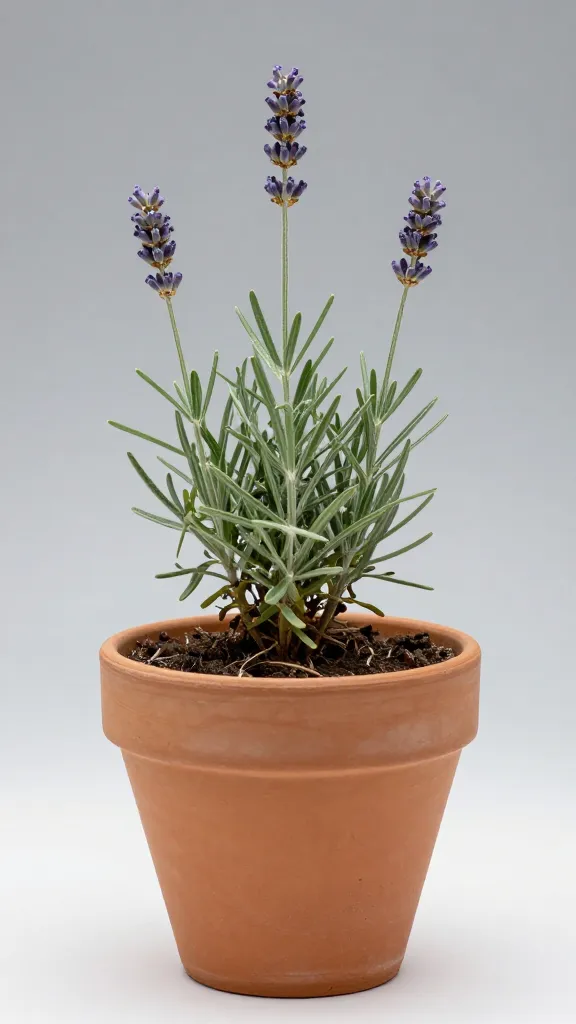
Lavender thrives in sun and breeze. Shade and still air keep soil damp and invite fungus. Think beach vacation, not basement vibes.
Ideal conditions:
- Sun: 6–8 hours of direct light daily. South or west exposure wins.
- Airflow: A breezy balcony or open window helps dry foliage and soil.
- Spacing: Don’t cram pots together. Leave a few inches for air to move.
Indoors? It’s trickier, but doable
- Place it in the brightest window you have—ideally south-facing.
- Rotate the pot weekly for even growth.
- Run a fan on low if the room feels stuffy.
IMO, lavender grows happiest outdoors. If you can, give it a summer vacation outside.
Choose the Right Variety (Not All Lavender Plays Nice in Pots)
Some lavenders behave better in containers. Compact forms dry out evenly and avoid leggy drama.
Great pot candidates:
- Lavandula angustifolia (English lavender): ‘Hidcote’, ‘Munstead’—compact, fragrant, cold-tolerant.
- Lavandula x intermedia (Lavandin): Bigger, but ‘Phenomenal’ handles humidity better.
- Lavandula stoechas (Spanish lavender): Cute bracts, great in pots, less cold-hardy.
If your winters freeze hard, go with English lavender and overwinter smartly, or treat Spanish lavender as a seasonal fling.
Pruning, Feeding, and Repotting (Keep It Tight and Happy)
Lavender doesn’t want a buffet. It wants structure, sun, and a light snack.
Do this through the year:
- Spring: Light prune to shape. Remove dead tips. Start light feeding.
- Early summer: Shear after the first bloom to encourage a second flush.
- Fall: Gentle tidy only—don’t cut into old wood right before winter.
Fertilizer basics
- Use a balanced, slow-release granular fertilizer at half strength in spring.
- Avoid high-nitrogen formulas—too much leaf, not enough bloom.
- Skip mid-to-late summer feeding so new growth can harden off.
Repotting tips
- Repot every 2–3 years, or when roots circle the pot.
- Move up just one pot size to avoid soggy, unused soil.
- Refresh with your gritty mix and reset your watering rhythm.
Spot the Signs: Overwatering vs Underwatering
Sometimes the leaves look sad and your brain panics. Read the clues before you reach for the watering can.
Overwatering signs:
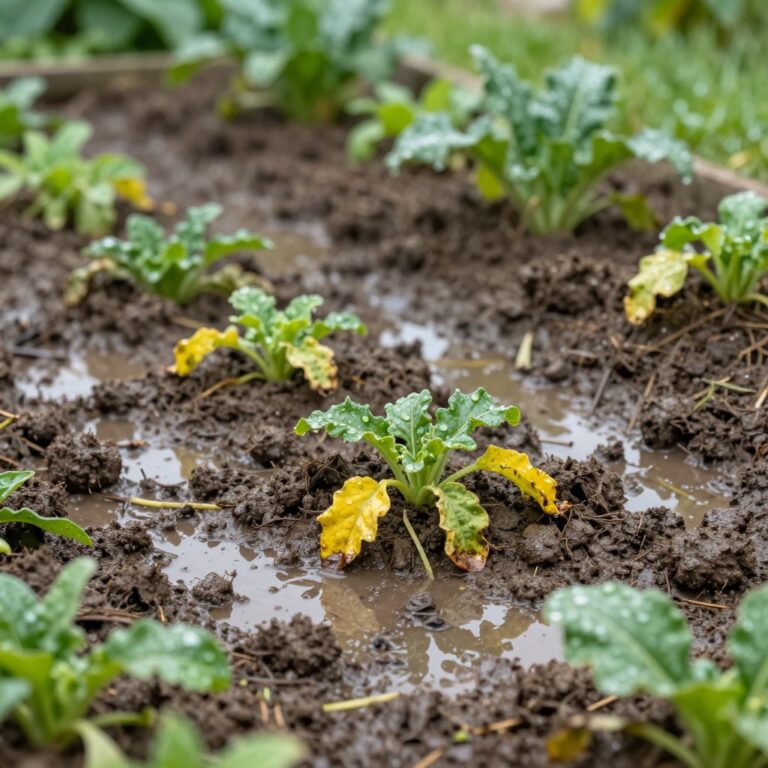
- Lower leaves turn yellow or gray-green and drop.
- Soil smells sour or feels cold and heavy.
- Stems turn mushy at the base—root rot alert.
Underwatering signs:
- Leaves curl, tips brown, plant looks crispy but light in weight.
- Soil pulls from the pot edges and feels dusty.
Fixes:
- Too wet: Stop watering, unpot, trim rotten roots, repot in fresh dry mix, and improve drainage.
- Too dry: Bottom-water slowly until the mix rehydrates, then resume normal deep-but-infrequent watering.
FYI, a moisture meter can help, but they sometimes lie. Trust soil texture, pot weight, and plant behavior more.
FAQ
Can I grow lavender from seed in a pot?
You can, but it takes patience and the seedlings grow unevenly. For faster, fuss-free results, buy a healthy starter plant or use cuttings. If you try seeds, chill them in the fridge for 2–4 weeks first, then sow in a gritty mix and give tons of light.
How do I keep potted lavender alive through winter?
If you live where it freezes, use a cold-hardy variety (like ‘Hidcote’), a breathable pot, and lift the pot onto feet so it drains. Water just enough to keep the root ball from turning to dust—every 3–4 weeks. In very cold zones, move the pot to an unheated garage or porch where it stays cold but not Arctic.
Why won’t my potted lavender bloom?
Usually it needs more sun or a harder prune. Give it 6–8 hours of direct light, shear lightly after the first bloom, and don’t overfeed. High nitrogen equals leafy diva, not flowers.
Do I need to add stones at the bottom for drainage?
Nope. That myth refuses to die. Stones create a perched water table that keeps the soil above wetter. Use a fast-draining mix throughout the pot and rely on legit drain holes.
What’s the best watering container—can I use a spray bottle?
Skip the spritzer. Lavender hates humidity on its leaves, and misting doesn’t water roots. Use a watering can with a narrow spout and water the soil directly until it drains.
Can I keep lavender in a self-watering pot?
I wouldn’t. Most self-watering pots keep the soil too damp. If you insist, choose a model with a shallow, easy-to-control reservoir and the fastest-draining mix you can make, then monitor closely. IMO, a classic terracotta pot still wins.
Conclusion
Growing lavender in pots without overwatering comes down to three things: a breathable pot with real drainage, a gritty mix that dries fast, and a chill watering routine that waits for dryness before a deep soak. Add full sun, good airflow, and a light hand with fertilizer, and you’ll get sturdy, fragrant plants that don’t bail on you mid-summer. Keep it simple, keep it dry-ish, and let lavender do what it does best—look gorgeous with minimal drama.