How to Create a Simple Butterfly Garden That Keeps Blooming Fast
You want butterflies—lots of them—and flowers that won’t quit by mid-July. Great news: you don’t need a sprawling meadow or a horticulture degree. You just need the right plants, a simple plan, and a little patience. By the time you finish your coffee, you’ll know exactly how to create a low-fuss butterfly garden that keeps blooming all season.
Start with a Spot Butterflies Actually Want
Pick a sunny area first. Butterflies love warmth, and flowers pump out more nectar in sun. Aim for at least 6 hours of direct light. More sun = more blooms = more butterflies. Easy math.
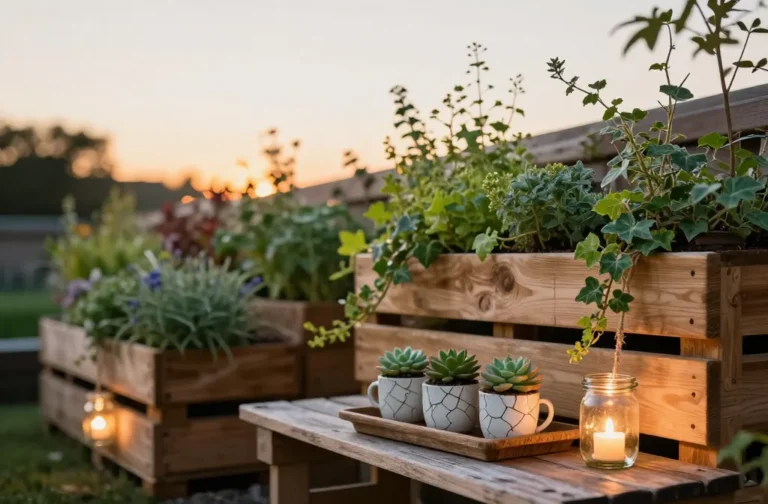
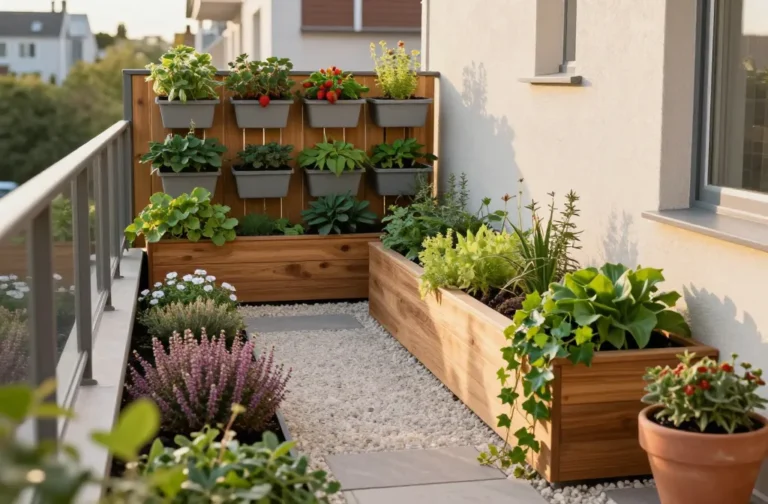
Avoid spots with constant wind. A fence or hedge nearby helps. And yes, you can do this in containers on a balcony—just group pots together so flowers look like a buffet, not a sad salad bar.
Soil and Setup, Minus the Drama
You don’t need perfect soil. You do need decent drainage. If water ponds for hours after rain, raise the bed or use big containers. Mix in compost for a nutrient boost and mulched pathways for fewer weeds and more moisture retention.
Plant for Two Audiences: Caterpillars and Butterflies
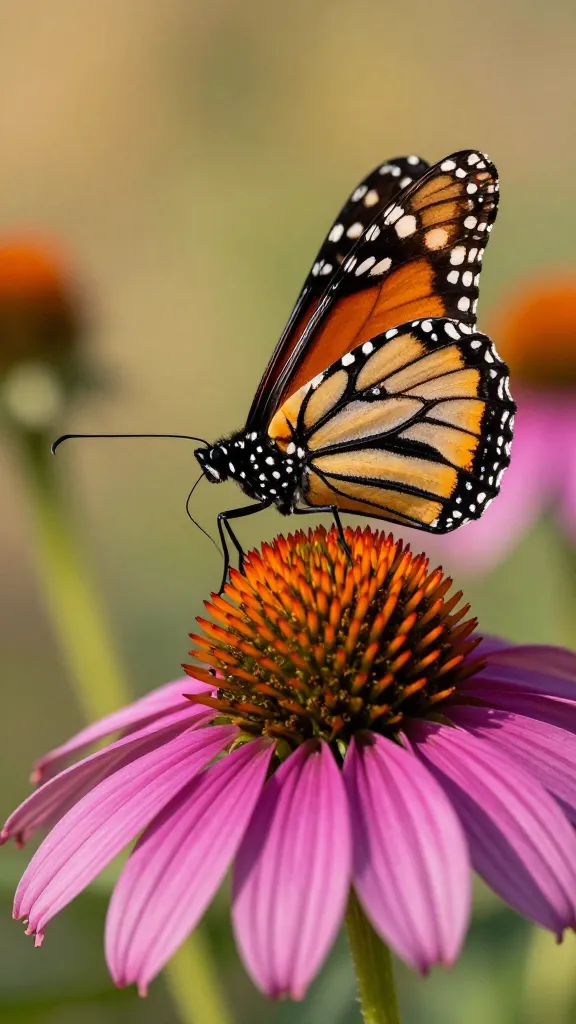
If you only plant nectar flowers, you’ll attract adult butterflies… who lay eggs somewhere else. Want the full butterfly life cycle right at home? Add host plants that caterpillars eat. Yes, they’ll chew holes. Congrats—that means it’s working.
Host Plants (a.k.a. Caterpillar Chow)
– Milkweed (Asclepias spp.): Monarchs
– Dill, fennel, parsley: Black swallowtails (FYI, they’ll eat your herbs. Plant extra.)
– Pawpaw: Zebra swallowtails
– Passionflower vine: Gulf fritillaries
– Willows, poplars: Viceroys and others
Nectar Plants (a.k.a. Butterfly Fuel)
– Spring: Creeping phlox, columbine, golden alexanders, catmint
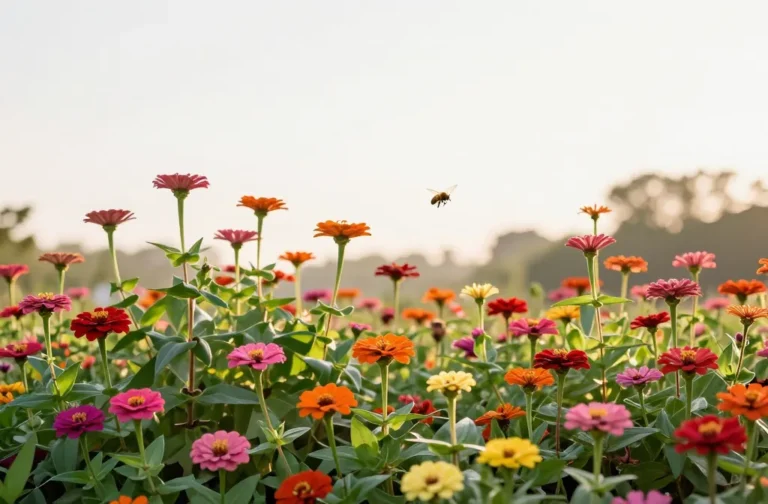
– Summer: Coneflower, bee balm, blazing star (Liatris), yarrow, zinnias
– Late summer–fall: Joe-Pye weed, ironweed, asters, sedum, goldenrod
– Annual boosters: Lantana, cosmos, verbena, marigolds
Mix natives with a few high-octane annuals. IMO that combo keeps color consistent and butterflies happy.
Stagger Bloom Times So Something Always Pops
You want a relay race, not a one-and-done. Plan layers so when one plant tires out, another kicks in.
– Plant at least 3 species per season (spring, summer, late season).
– Repeat plants in clumps of 3–5 so butterflies spot them easily.
– Combine heights: low mounds up front, mid-sized in the middle, tall showstoppers in back.
Simple 3-Season Starter Palette
– Spring: Catmint + creeping phlox
– Summer: Coneflower + bee balm + zinnias
– Late: Asters + goldenrod + sedum
Add milkweed and dill for the kiddos (caterpillars). Boom—continuous color without constant replanting.
Design It Like a Butterfly Landing Strip
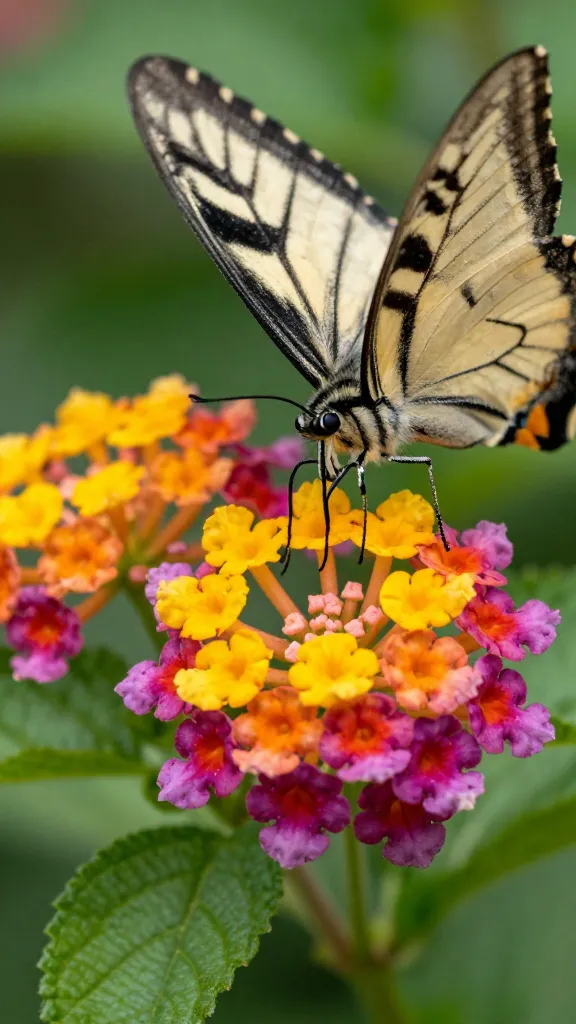
Butterflies don’t browse like bees. They want clear, flat landing pads, warm rocks, and nearby water. Think spa day, not obstacle course.
– Go for clusters: Group flowers of the same kind together.
– Use warm surfaces: Flat stones or pavers for basking mornings.
– Add a “puddle” station: A shallow dish with sand, a few small rocks, and water. Keep it damp, not soggy. Butterflies “puddle” to sip minerals. Fancy, right?
Color and Scent Clues
– Butterflies love purple, pink, orange, and yellow.
– Tubular blooms (bee balm) and daisy-shaped flowers (zinnias, coneflowers) win big.
– Fragrance helps you too—bee balm and catmint smell amazing.
Water and Feed (But Keep It Low-Maintenance)
Good news: you don’t need fertilizer if you used compost. Overfeeding creates leafy plants with fewer flowers. Not the goal.
– Water deeply once or twice a week during dry spells. Shallow sips build weak roots.
– Mulch 2–3 inches to hold moisture and smother weeds. Keep mulch off stems.
– Deadhead spent blooms on annuals like zinnias and cosmos to keep flowers coming.
– Leave late-season seedheads on coneflowers and black-eyed Susans. Birds love them, and the garden looks charmingly wild.
Pruning for Bonus Blooms
– Shear catmint by half after its first flush; it rebounds with fresh flowers.
– Cut back bee balm lightly after bloom to neaten and sometimes spark a smaller second show.
– Pinch cosmos and zinnias early to make bushier, bloomier plants. FYI: more tips = more flowers.
Go Chemical-Free (Seriously)
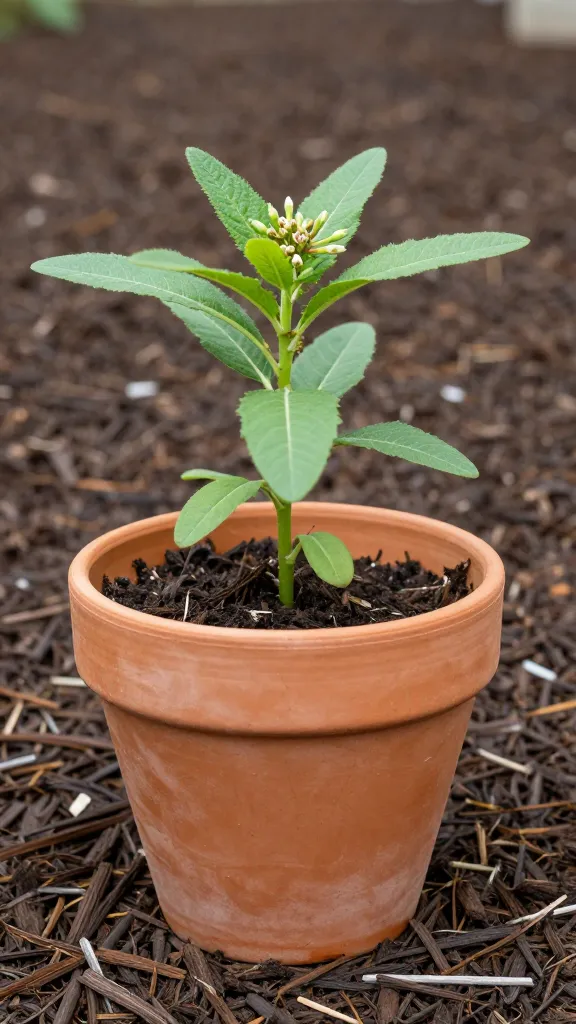
Pesticides and butterflies do not mix. Even “organic” sprays can harm caterpillars and larvae.
– Hand-pick pests or blast aphids off with water.
– Encourage ladybugs, lacewings, and birds—nature’s cleanup crew.
– Accept some nibbles. That chewed milkweed? It’s feeding a monarch future. Worth it.
Containers, Balconies, and Tiny Spaces
No yard? No problem. You can still make a butterfly hotspot.
– Use a few large containers rather than many small ones; big pots hold moisture and look lush.
– Try: Milkweed + lantana + verbena in a sunny pot. Add a shallow saucer for puddling.
– Water consistently—containers dry out fast.
– Group pots to make a visual target for butterflies cruising by at 20 feet.
Common Mistakes (So You Don’t Make Them)
– Planting one of everything. Pick a few winners and repeat them.
– Choosing only double-flowered varieties. Doubles often hide nectar. Go single blooms for easy access.
– Putting host plants out of sight. You’ll miss the action. Keep them where you can watch tiny munchers grow.
– Overwatering and overfertilizing. Mushy roots and floppy stems don’t bloom well.
– Ignoring late-season color. Asters and goldenrod keep the party going when summer fades.
Seasonal To-Do List That Won’t Ruin Your Weekend
– Early spring: Add compost, divide overgrown perennials, plant cool-season annuals.
– Late spring: Install summer bloomers. Mulch. Set up your puddling station.
– Summer: Water deeply. Deadhead. Enjoy the show. Plant more zinnias if you feel extra.
– Late summer–fall: Add asters and goldenrod. Let some plants go to seed. Take photos for bragging rights.
– Winter: Leave stems standing for overwintering insects. Clean up in early spring instead. IMO messy winter gardens do more good than “neat” ones.
FAQs
How long before butterflies show up?
Sometimes within weeks if you plant nectar-rich flowers and it’s warm. Host plants take a bit longer to attract specific species, but once they find you, they’ll return. Keep the buffet open and they’ll keep visiting.
Do I really need host plants?
If you want more than a quick fly-by, yes. Host plants invite egg-laying, caterpillars, and eventually chrysalises. It’s the difference between a photo op and a real ecosystem.
What if I have shade?
Try partial-sun spots (4–5 hours) with plants like columbine, astilbe, and woodland phlox. You won’t get the same traffic as full sun, but you’ll still see action. Containers you can move into sunnier areas help too.
Which milkweed should I plant?
Choose natives for your region. Common picks include swamp milkweed (Asclepias incarnata) for wetter spots and butterfly weed (A. tuberosa) for dry, sunny areas. Skip tropical milkweed unless you cut it back hard before winter; it can confuse monarch migration in warm climates.
Why aren’t my flowers blooming nonstop?
Usually it’s too little sun, too much fertilizer, or skipped deadheading. Check soil drainage, water deeply, and trim back tired annuals. Also, make sure you staggered bloom times with multiple species.
Can I mix vegetables and a butterfly garden?
Absolutely. Tuck zinnias, cosmos, and dill among tomatoes and peppers. Pollinators increase yields, and your garden looks less like a farm and more like a party.
Wrap-Up: Build It Once, Enjoy It for Years
You don’t need perfection. You need sun, a few tough plants, and a plan for spring, summer, and fall blooms. Add a puddling station, skip the chemicals, and let caterpillars eat like tiny royalty. Do that, and your butterfly garden won’t just look alive—it’ll stay blooming and buzzing, season after season.