How to Keep Weeds Out of Flower Beds Naturally Forever
Weeds don’t pay rent, but they sure love moving into flower beds. They steal water, hog sunlight, and act like they own the place. The good news? You can kick them out without nuking your soil with chemicals. Here’s how to keep your beds gorgeous, healthy, and (mostly) weed-free—naturally.
Start With a Clean Slate
You can’t build a weed-free bed on a weed-riddled base. Clear the area first—roots and all. If you leave fragments behind, they’ll bounce back faster than your motivation after coffee.
Hand-Pulling Done Right
– Water the area first so the soil loosens up.
– Grab low and pull slowly to get the whole root.
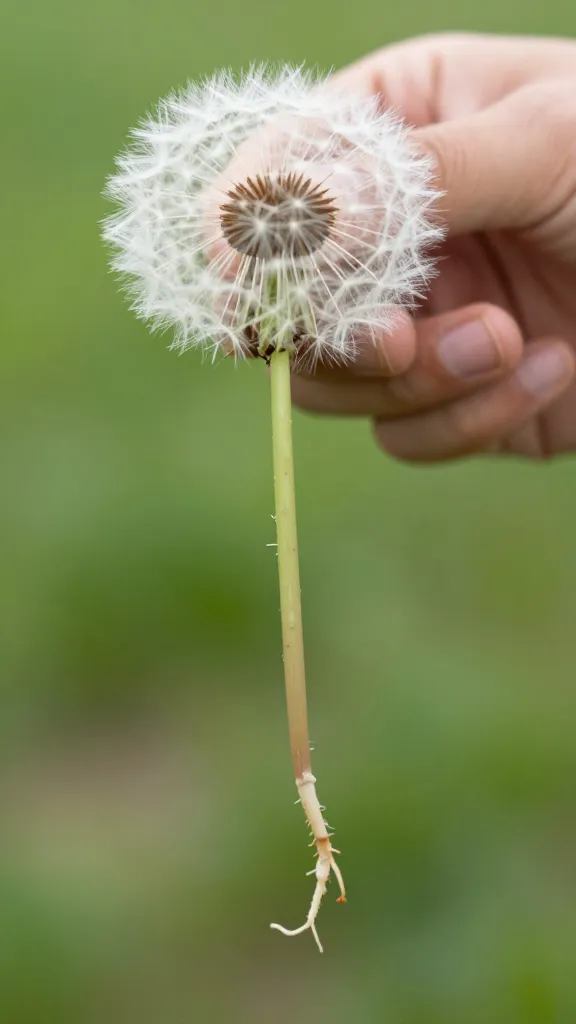
– Use a weeding knife for deep taproots (hello, dandelions).
– Bag and remove seed heads—don’t compost mature seeds unless your pile gets hot.
Solarize Stubborn Patches
Got a nightmare section? Solarize it.
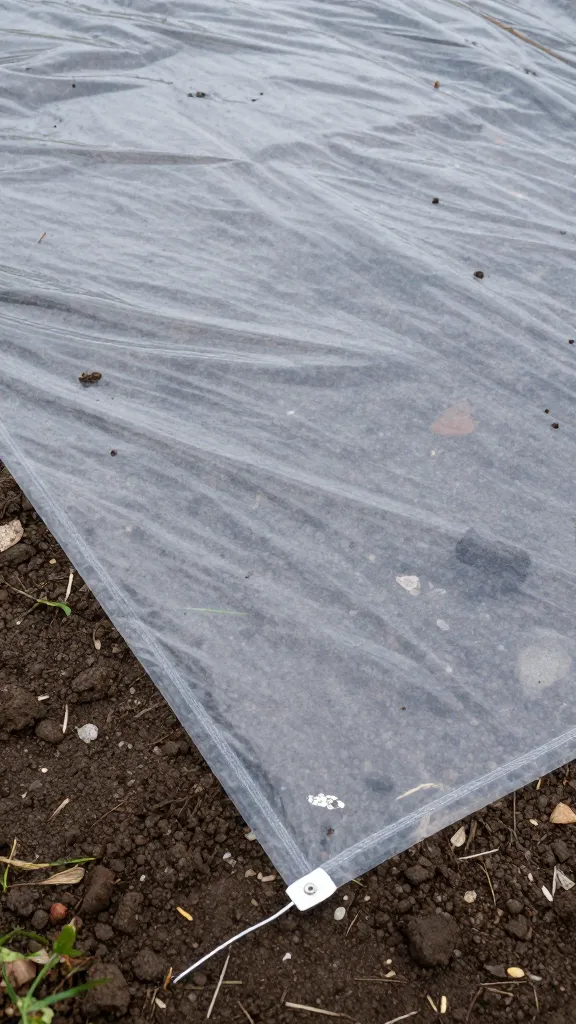
– Wet the soil, cover with clear plastic, and seal the edges.
– Leave it for 4–6 weeks in hot weather.
– This cooks weed seeds and roots—FYI, it also knocks back some soil life temporarily, but they rebound.
Pro tip: If the site is new, rake out stones and level the surface so your mulch and barriers sit evenly.
Mulch Like You Mean It
Mulch blocks light, which seeds need to sprout. It also keeps soil moist and temperatures stable—your flowers will send thank-you notes.
Best Mulch Options
– Shredded bark or wood chips: Great for perennials and shrubs. Lasts longer.
– Composted leaves (leaf mold): Rich and crumbly. Perfect for improving soil.
– Straw (not hay): Light and airy for annual beds. Avoid hay—it often carries seeds.
– Pine needles: Good around acid-lovers; they don’t actually acidify soil much, FYI.
How Much and How To
– Aim for 2–3 inches deep—no more than 4 inches or you’ll suffocate roots.
– Keep mulch a few inches away from plant stems to prevent rot.
– Top up annually. Mulch breaks down (that’s good!) and needs refreshing.
Avoid: Rubber mulch (gross for soil life) and dyed mulches that can leach weird stuff. IMO, nature knows best.
Use Smart Barriers (Without Plastic Drama)
Landscape fabric gets mixed reviews for beds because it clogs and becomes a mess long-term. Instead, try breathable, biodegradable layers.
Cardboard Weed Smothering
– Lay overlapping sheets of cardboard across bare soil.
– Soak it so it molds to the ground.
– Add 2–3 inches of mulch on top.
– Cut X-shaped slits to plant through.
Cardboard blocks light, breaks down in a season or two, and feeds the soil. It won’t stop the most determined perennials forever, but it gives you a serious head start.
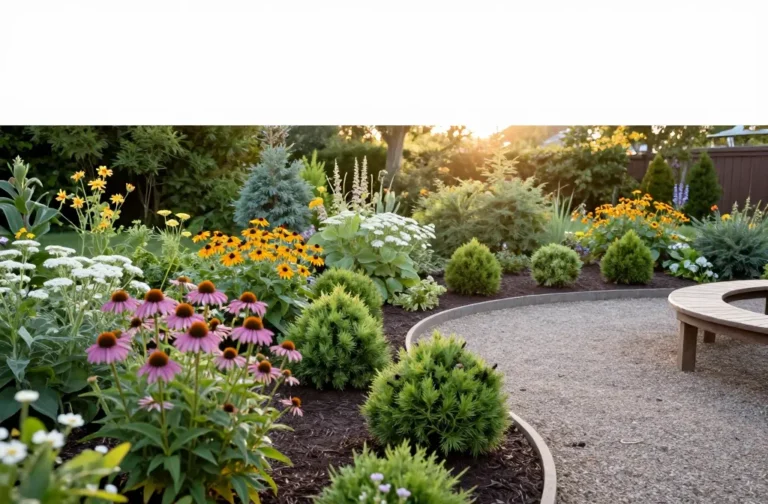
Plant Densely and Shade the Soil
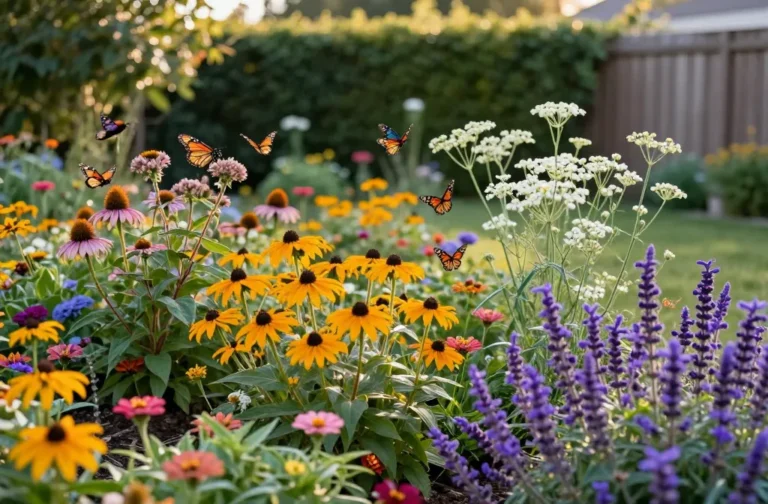
Weeds love open space. Don’t give them any. Choose plants that fill in quickly and cover ground like a living mulch.
Great Groundcovers
– Creeping thyme: Fragrant, low, pollinator-friendly.
– Ajuga (bugleweed): Bold foliage, spreads politely (usually).
– Sweet alyssum: Annual that self-seeds lightly and blankets edges.
– Geranium macrorrhizum: Tough, semi-evergreen, excellent for shade.
Design tip: Stagger plants in a triangle pattern, not rows. They’ll overlap faster and block weeds better.
Feed the Soil, Not the Weeds
Healthy soil grows stronger plants that outcompete weeds. Weeds thrive in compacted, lifeless dirt—don’t give them that playground.
Compost, Not Chaos
– Mix in 1–2 inches of finished compost each spring.
– Avoid raw manure—it can bring seeds.
– Water deeply but less often to encourage deep roots in your flowers.
Test and Tweak
– Do a basic soil test every couple years.
– Balance pH and nutrients so your plants thrive.
– Overfertilizing encourages lush, weak growth (aka aphid buffet and weed welcome mat). Keep it moderate.
Water Where It Matters
Sprinklers water everything—flowers, weeds, the neighbor’s cat. Target your water so weeds don’t get freebies.
Drip or Soaker Hoses
– Lay drip lines or soaker hoses under mulch.
– Water slow and deep.
– Keep surface soil drier so weed seeds don’t germinate as easily.
Bonus: You’ll use less water and your plants will look less dramatic at noon.
Weed Early, Weed Often (But Not Forever)
You’ll never eliminate every weed, but you can keep them tiny, weak, and manageable. Make it a habit, not a project.
Five-Minute Rule
– Walk your beds once or twice a week.
– Yank baby weeds before they set roots or seeds.
– Use a stirrup hoe to skim off seedlings right under the surface—oddly satisfying, IMO.
Timing Is Everything
– Weed right after rain or watering.
– Hit them before they flower—one plant can launch thousands of future regrets.
– Keep a bucket or tarp handy and you’ll actually do it.
Natural Spot Treatments (No Chemical Meltdowns)
Sometimes you need to zap a clump in a crack or around edging. Keep it targeted and sensible.
Boiling Water
– Pour directly on weeds in paths or between stones.
– Don’t splash your plants (or your feet).
– Works best on young, shallow-rooted weeds.
Vinegar, Salt, and Soap?
– Household vinegar burns leaves but rarely kills roots.
– Salt damages soil—skip it in beds.
– If you insist on vinegar sprays, use them on hardscape only and reapply often. Personally, I’d just pull the weeds.
Reminder: Natural doesn’t always mean harmless. Aim for precision, not carnage.
Prevention Tactics You’ll Thank Yourself For
– Edge your beds: Steel or deep-cut edges stop grass creep.
– Don’t import problems: Check nursery pots for hitchhikers.
– Clean tools: Knock off soil and seeds between areas.
– Deadhead weeds nearby: Your fence line can seed your beds. Don’t let it.
FAQ
Do I really need mulch every year?
Yes, in most gardens. Mulch breaks down, which improves your soil—awesome—but that means it thins out. Top up lightly each year to maintain a solid 2–3 inches and keep light from reaching weed seeds.
What’s the best natural weed barrier under mulch?
Cardboard for the win. It blocks light, breathes, and decomposes into organic matter. Landscape fabric tends to clog, trap soil on top, and become a weed mat anyway. Save fabric for paths, not planting beds.
Can I compost weeds I pull?
You can compost weeds without seed heads or with immature seeds if your pile runs hot. If you don’t run a hot pile, play it safe and trash anything that’s flowering or seeding. Roots of aggressive perennials (bindweed, nutsedge) also belong in the trash.
How do I deal with weeds already mixed into my mulch?
Rake the mulch aside, stir up the top inch of soil to dislodge seedlings, and smother with fresh, clean mulch. If the mulch itself contains seeds (ugh), consider replacing it and switching to a better source next time.
Is there a way to stop weeds before they sprout?
Yes—block light with mulch and consider a natural pre-emergent like corn gluten in early spring. It prevents seed germination, but timing matters and it won’t touch established weeds. I’d treat it as a helper, not a miracle.
Will groundcovers choke my flowers?
Choose well-behaved varieties and give your perennials a little breathing room. Many groundcovers play nicely and just fill the gaps. If one gets pushy, edit it back—your garden, your rules.
Conclusion
You can keep weeds out of flower beds without going nuclear. Start clean, mulch smart, plant densely, water strategically, and weed in quick, regular bursts. Stack these habits and weeds lose their edge—no drama, no chemicals, just a garden that actually looks like the pretty photos you saved. FYI: consistency beats intensity here. A little effort each week, and weeds won’t stand a chance.