14 Easy Climbing Plants That Make Fences and Trellises Look Stunning Today
Your fence doesn’t have to be boring. These easy climbers will turn plain panels and bare trellises into living art with basically zero attitude. You’ll get flowers, fragrance, privacy, and instant curb appeal without a landscaping degree. Ready to upgrade your vertical space? Let’s plant your wall of wow.
1. Sweet Autumn Clematis: The Cloud Of Vanilla-Scented Stars
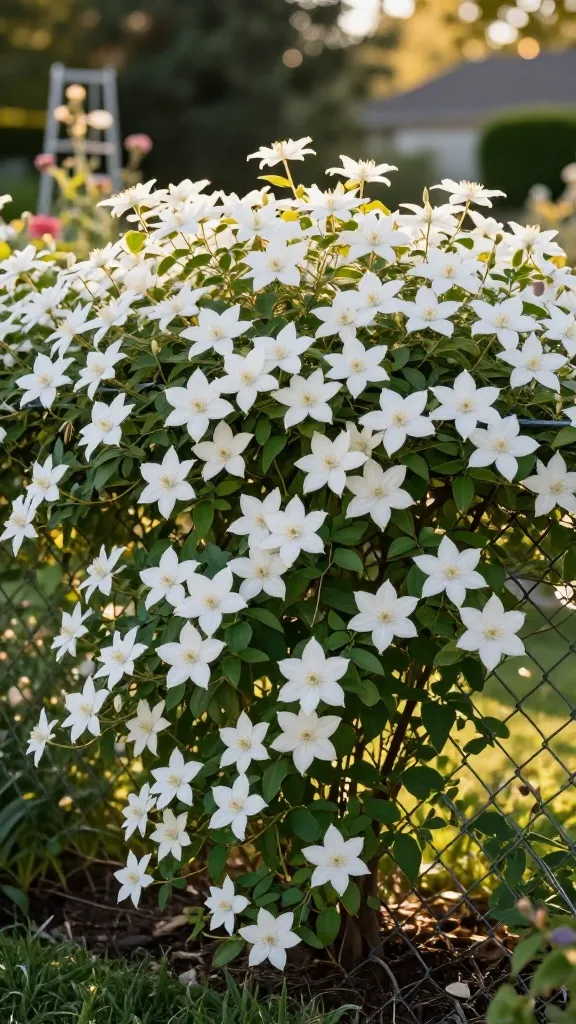
Want a late-season fireworks show? This clematis explodes with tiny white blooms in late summer to fall and smells like dessert. It grows fast, covers big areas, and gives you that dreamy, romantic vibe.
Tips
- Provide wires or thin supports—its leaf petioles need something slim to grab.
- Plant roots in shade and tops in sun. Mulch helps keep roots cool.
- Prune hard in late winter or early spring to control size.
Use it when you want quick coverage with fragrance. It’s perfect for ugly chain-link fences that need a glow-up.
2. Star Jasmine: Evergreen, Fragrant, And Always Polished

Craving glossy leaves and knockout fragrance? Star jasmine delivers creamy white pinwheel flowers and a tidy, evergreen look. It’s ideal if you want a plant that pulls double duty: beauty and privacy.
Key Points
- Thrives in full sun to part shade; more sun equals more blooms.
- Train on trellis or lattice; tie stems until they cling.
- Moderate water; avoid soggy soil.
It shines along entryways and patios where you’ll actually smell it. FYI, it looks classy year-round.
3. Climbing Roses: The Instant Romance Button
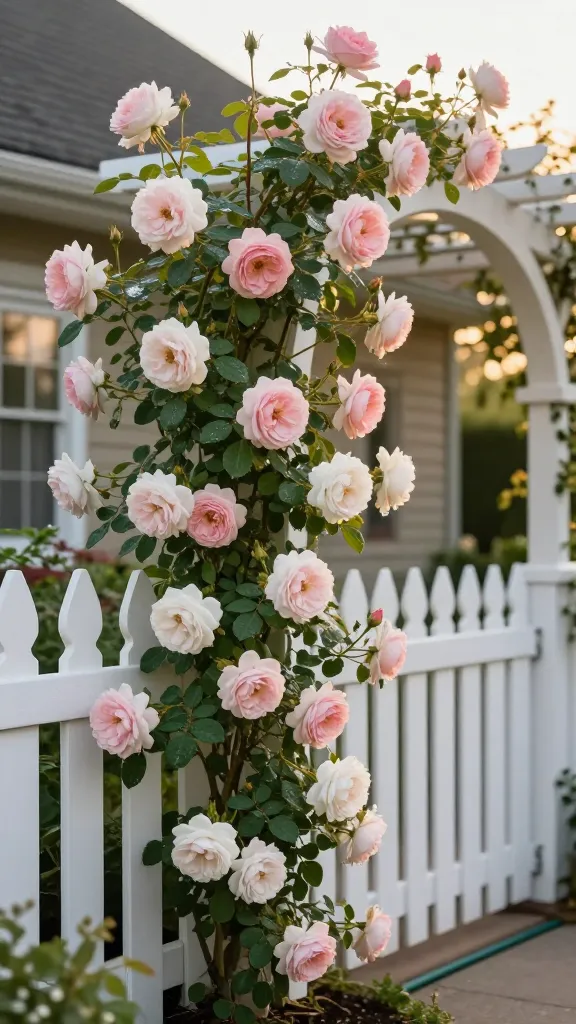
Climbing roses give you storybook vibes with big blooms and long canes that drape like silk. They’re easier than they look, especially modern disease-resistant varieties. You’ll get waves of color and that “I have my life together” feeling.
Tips
- Choose repeat-blooming varieties for prolonged color.
- Fan canes horizontally to encourage more flowering shoots.
- Feed regularly and water deeply to keep blooms coming.
Plant where you want showy color and classic charm—front fences, archways, or a pergola that needs drama.
4. Wisteria (Asian Or Native): The Waterfall Of Purple
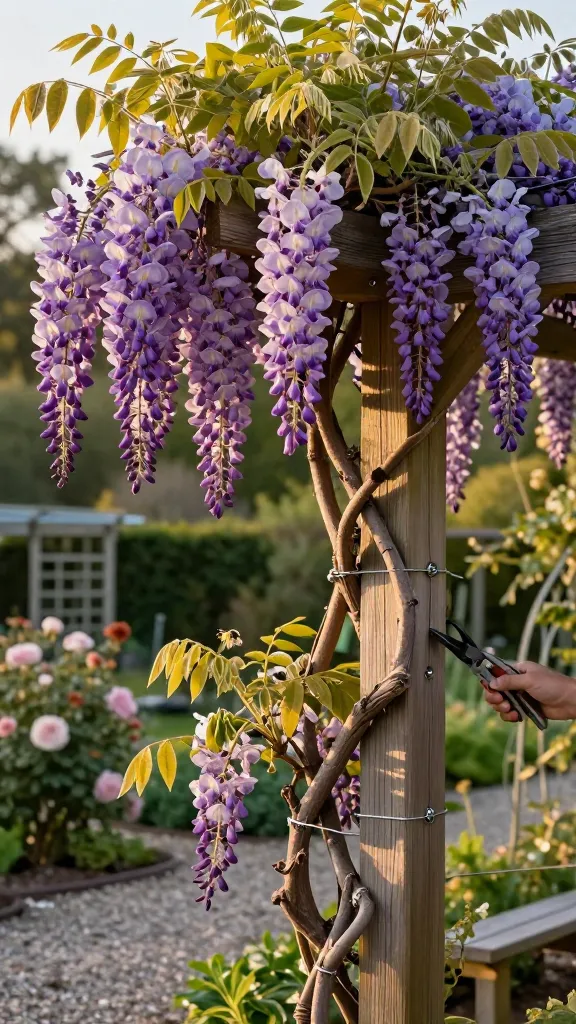
Nothing stops traffic like wisteria in bloom. Cascades of purple (or white) flowers transform any structure into a fairytale. But it’s strong. Like, “could lift your trellis” strong—so give it a sturdy support.
Materials
- Heavy-duty pergola, arbor, or thick posts
- Stainless steel eye screws and wire
- Sharp pruners for regular shaping
Train and prune aggressively or it’ll take over. For wildlife-friendly options, look at native American wisteria varieties. Use when you want a statement plant that stuns every spring.
5. Boston Ivy: The Fast Fall Showstopper
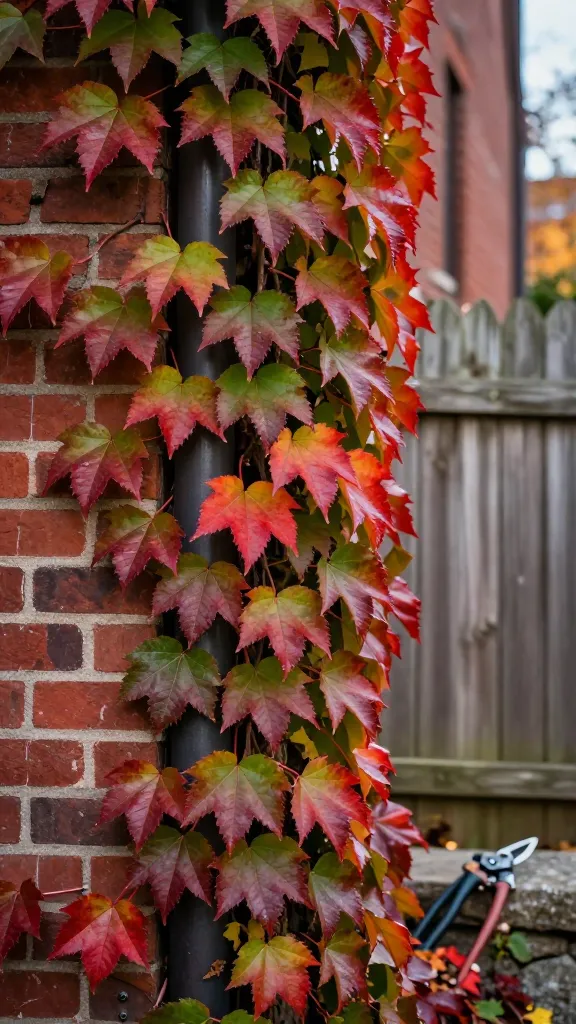
Need quick coverage? Boston ivy races up walls and fences with self-clinging pads and turns fiery scarlet in fall. It doesn’t need a ton of fuss—just a place to climb and a bit of patience.
Key Points
- Self-adhesive tendrils stick to masonry and wood.
- Give it space; it grows fast.
- Prune in late winter to keep it tidy.
Use it for a classic, collegiate look on brick or along long fence lines that could use color and texture.
6. Honeysuckle (Lonicera): Hummingbird Magnet With Sweet Scent
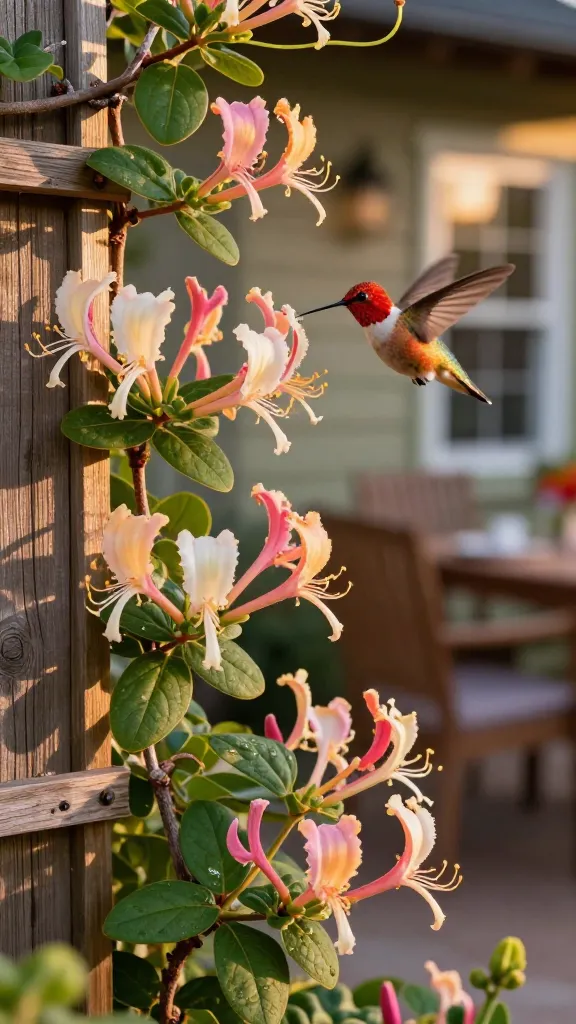
Honeysuckle serves fragrance and wildlife appeal on a platter. It blooms madly in warm weather and hums with pollinators. Choose non-invasive varieties like Lonicera periclymenum or ‘Goldflame’ for easy control.
Tips
- Give full sun for best blooms, part shade works too.
- Train stems early and pinch to encourage branching.
- Water during drought to keep flowers coming.
Plant it near patios or windows so you can enjoy those sweet summer evenings. Trust me, the hummingbirds will RSVP “yes.”
7. Climbing Hydrangea: The Shade-Loving Powerhouse
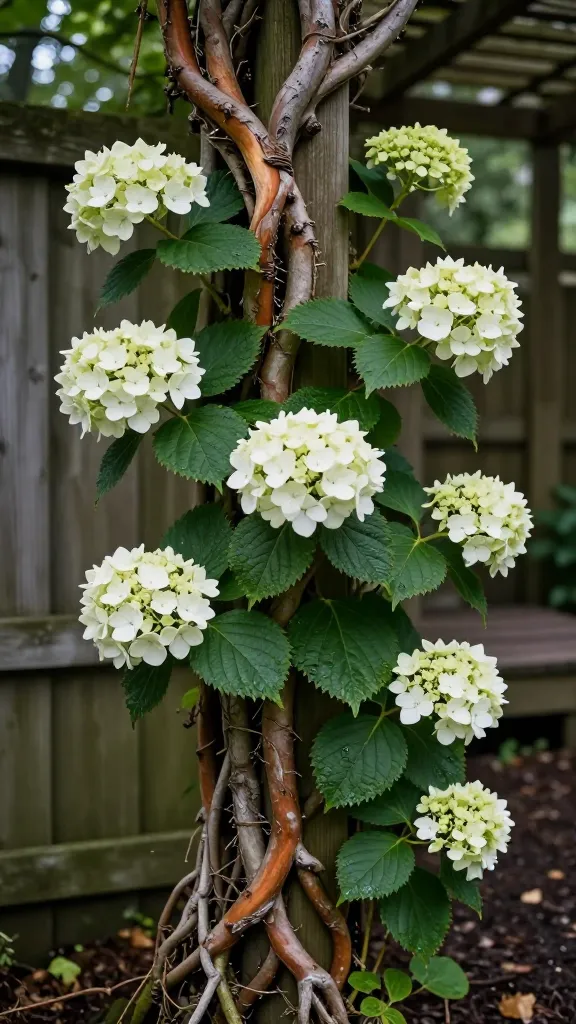
Got a shady fence that feels hopeless? Climbing hydrangea laughs at low light and brings lacecap blooms plus peeling bark for winter interest. It’s a slow starter but worth the wait.
Key Points
- Self-clinging aerial roots—no ties needed.
- Moist, well-drained soil keeps it happiest.
- Prune lightly after flowering if needed.
Use on north-facing walls, shaded arbors, or woodland fences where most climbers throw tantrums.
8. Morning Glory: The Cheap-And-Cheerful Summer Curtain
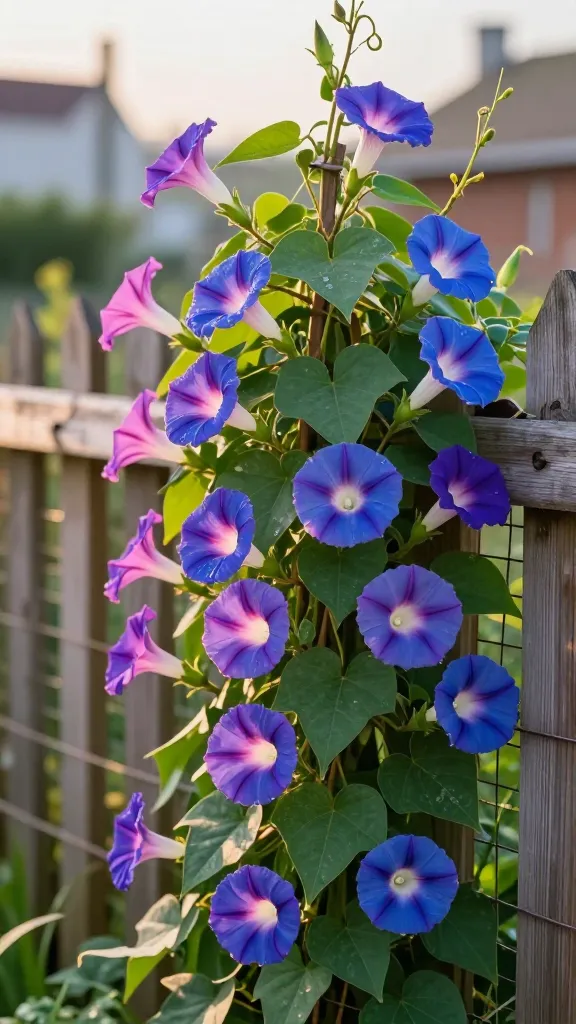
Want instant summer vibes? Morning glories shoot up fast, bloom daily, and fill gaps like a pro. They’re annuals in most places, so you get a seasonal splash without long-term commitment.
Tips
- Full sun equals maximum blooms.
- Soak seeds overnight and nick the coat for faster germination.
- Offer twine or mesh—thin supports make climbing easier.
Perfect for renters or anyone who wants color now. Choose non-invasive varieties and remove spent pods if reseeding bugs you.
9. Black-Eyed Susan Vine: The Sunshine Charmer
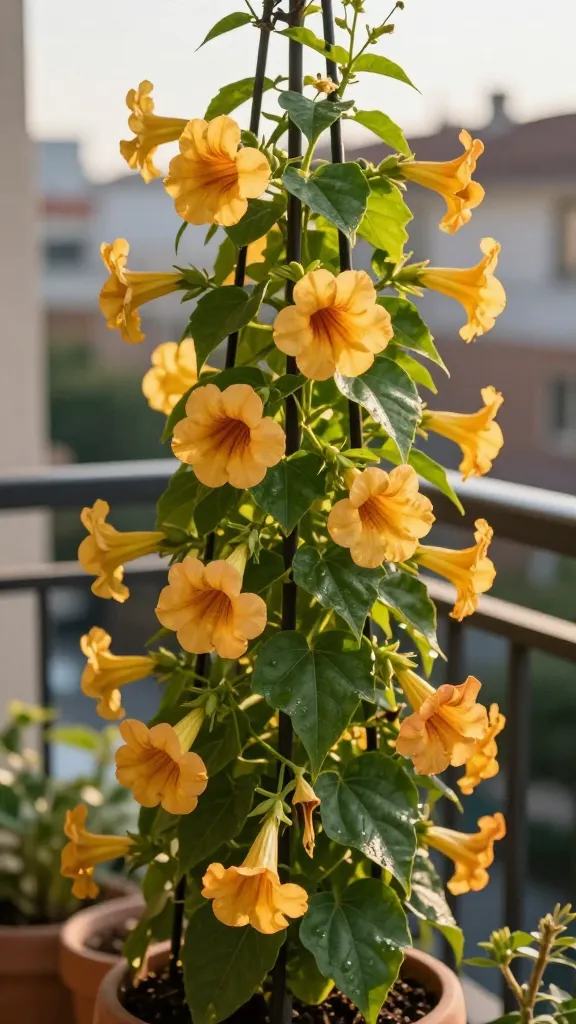
This vine throws cheerful yellow, orange, or white flowers with a dark “eye” all summer. It climbs politely and never overwhelms. It’s basically the extrovert of annual vines—friendly and bright.
Key Points
- Best in full sun with regular water.
- Great in containers with a mini obelisk or trellis.
- Deadhead lightly to keep it blooming.
Use it to soften balcony railings or dress up a small fence panel without drama.
10. Passionflower: Exotic Looks, Surprisingly Low Effort
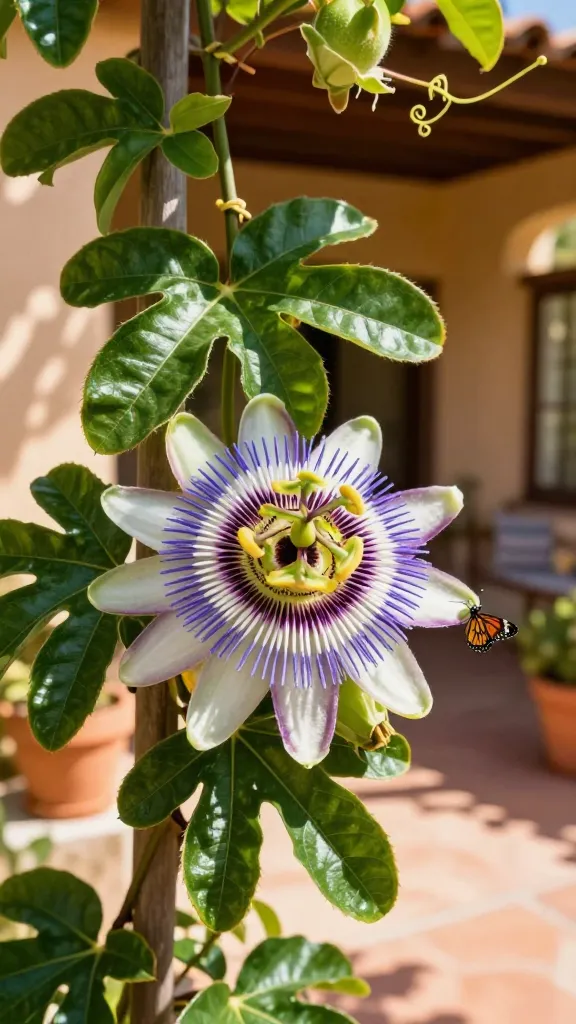
Passionflower looks like it belongs on another planet—in the best way. It dials up the intrigue with intricate blossoms and sometimes edible fruit, depending on the variety. Plus, butterflies adore it.
Tips
- Give a warm, sunny spot and a sturdy trellis.
- Prune to shape after flowering; protect roots in colder zones.
- Check your variety—some spread via suckers, so plan accordingly.
Use when you want a conversation starter along a patio or walkway. Seriously, everyone will ask about it.
11. Evergreen Clematis (Clematis armandii): Year-Round Green With Spring Fireworks
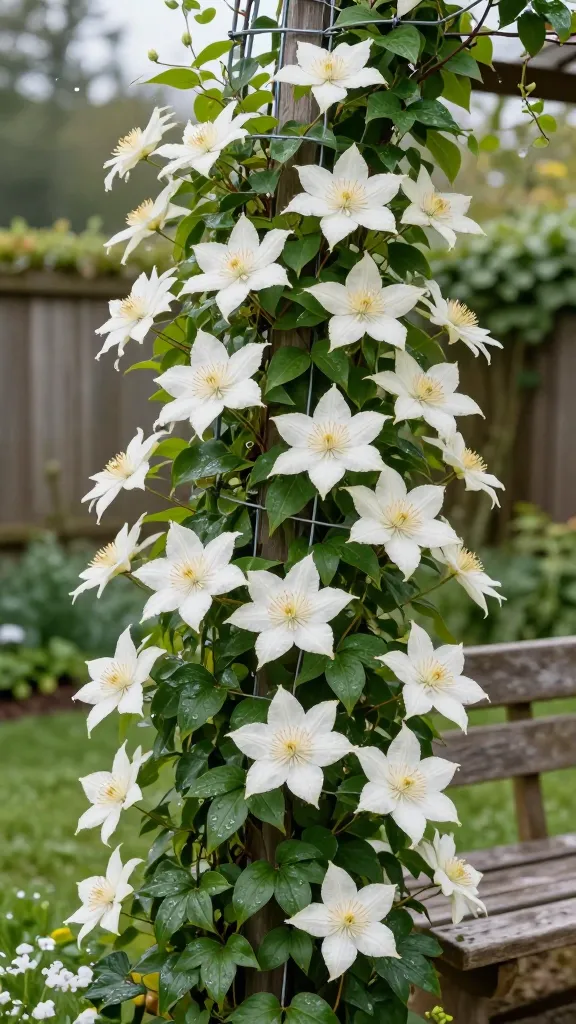
Need coverage that doesn’t ghost you in winter? Evergreen clematis keeps its glossy leaves year-round and erupts with fragrant white flowers in spring. It grows fast and looks refined.
Key Points
- Best in mild climates with protection from harsh winds.
- Provide strong trellis or wires; guide the first season.
- Minimal pruning—just tidy after bloom.
Perfect for screening near seating areas where you’ll appreciate the early-season perfume.
12. Climbing Nasturtium: Edible, Playful, And So Easy
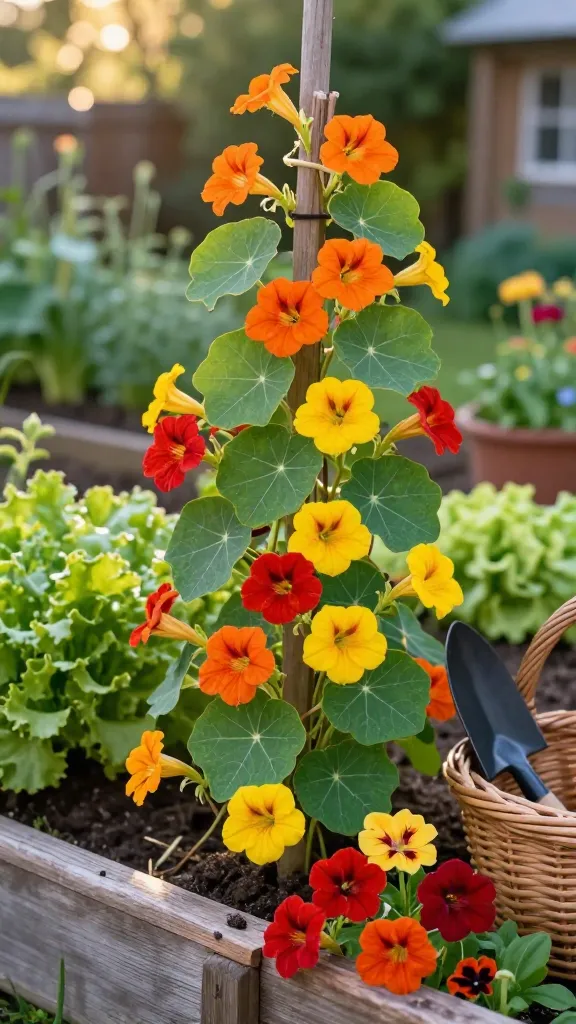
Nasturtiums toss out funnel-shaped blooms in hot shades and have lily-pad leaves that trail like a dream. They climb with a little guidance, or tumble from baskets. Bonus: flowers and leaves taste peppery and look amazing in salads.
Tips
- Lean soil = more flowers. Overfeed and you’ll get leaves instead.
- Full sun to light shade works.
- Great for kid-friendly gardens and cottage vibes.
Use it for quick color on small trellises or to soften the edges of veggie gardens. IMO, it’s the easiest edible pretty-maker.
13. Bougainvillea: The Sun-Loving Color Explosion
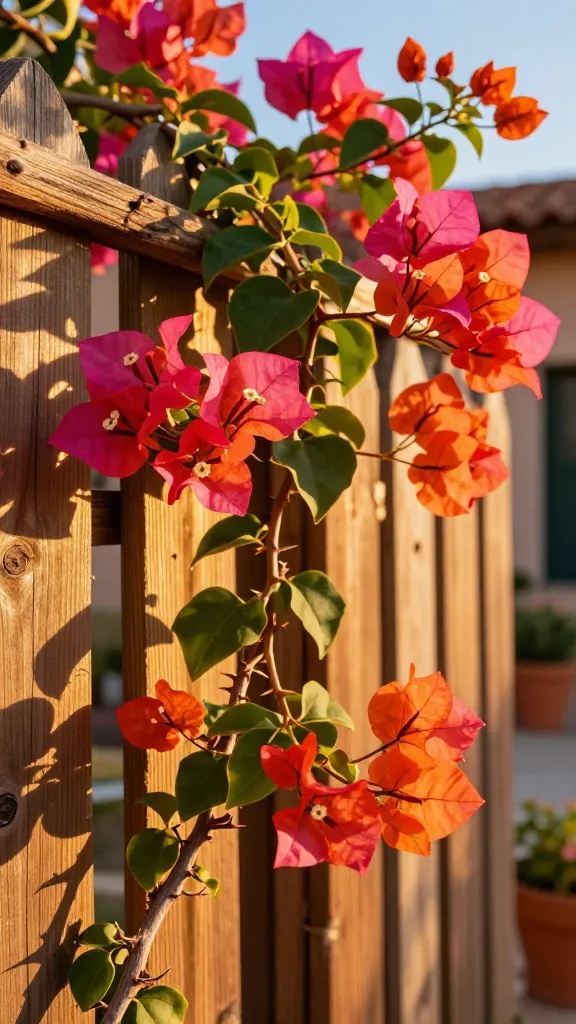
If you crave drama, bougainvillea delivers neon bracts in hot pink, orange, red, or white. It absolutely thrives in heat and sun, and it laughs at drought once established. Give it a sturdy support and some respect—thorns included.
Key Points
- Full sun or bust—shade means fewer bracts.
- Well-drained soil; go easy on water once established.
- Prune to shape and wear gloves. Those thorns do not play.
Best for warm climates and sun-drenched fences. It turns any backyard into a vacation snapshot.
14. Evergreen Climbing Fig (Ficus pumila): The Velvet Wall Maker
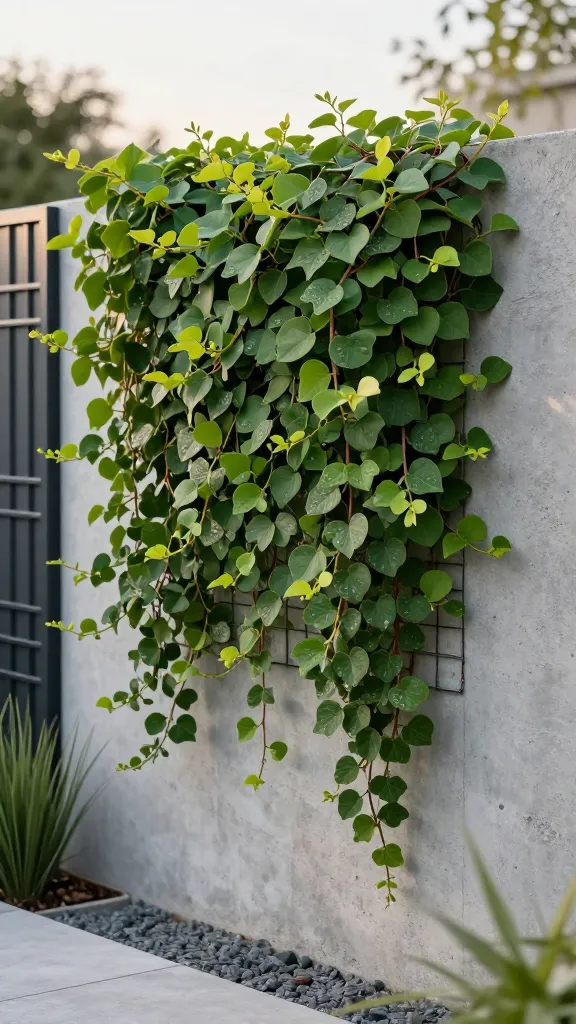
Want a lush, green “living wall” with minimal fuss? Climbing fig hugs surfaces with tiny pads and creates a dense, velvety backdrop. It handles pruning like a champ and fills in fast.
Tips
- Great for warm zones; give protection from hard freezes.
- Start on a small mesh or rough surface for best adhesion.
- Shear a few times a year to keep it neat.
Use it when you want evergreen coverage and a minimalist vibe. It’s the perfect canvas for modern gardens.
Ready to turn that bare fence into your favorite view? Pick a couple of these climbers, add simple supports, and let nature do the heavy lifting. With a little guidance and a few snips here and there, you’ll have a living masterpiece before you can say “Where did my fence go?”