15 Best Plants for a Beginner Herb Garden That’S Hard to Mess Up Now
Ready to grow flavor you can actually eat? These beginner-friendly herbs forgive missed waterings, sketchy soil, and chaotic schedules. Start small, harvest often, and watch your kitchen game level up fast. Let’s build a low-stress herb garden you won’t accidentally annihilate.
1. Basil: The Pizza-Approved Crowd-Pleaser
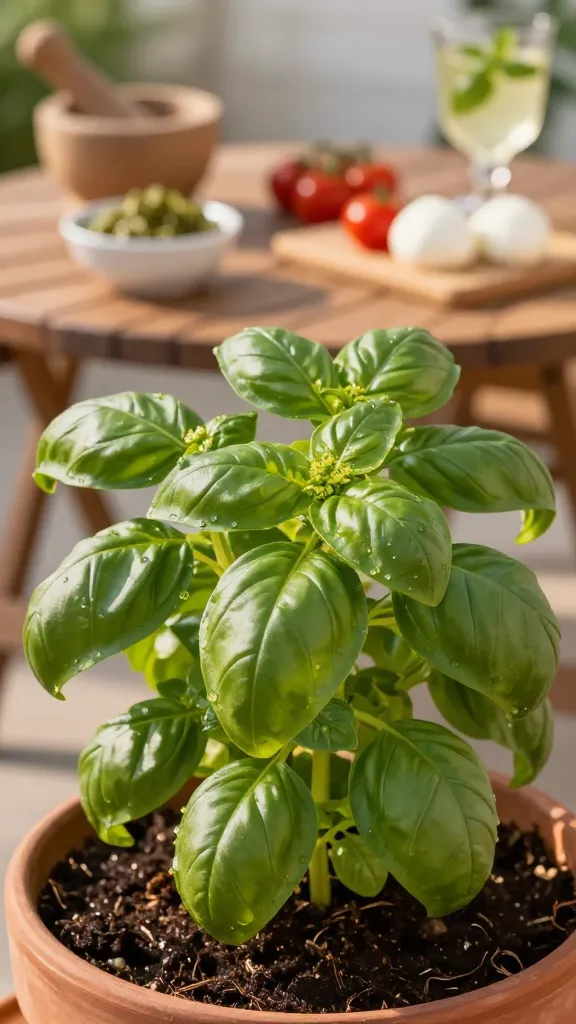
Basil loves warm weather, sunshine, and your caprese salad. It grows fast, smells amazing, and rewards you with endless leaves if you pinch it right.
Tips
- Give it 6–8 hours of sun and keep soil evenly moist.
- Pinch off flower buds to keep leaves sweet and bushy.
- Harvest from the top to encourage branching.
Use it in pesto, pasta, and cocktails. You’ll feel like a kitchen wizard with minimal effort.
2. Mint: The Indestructible Mojito Machine
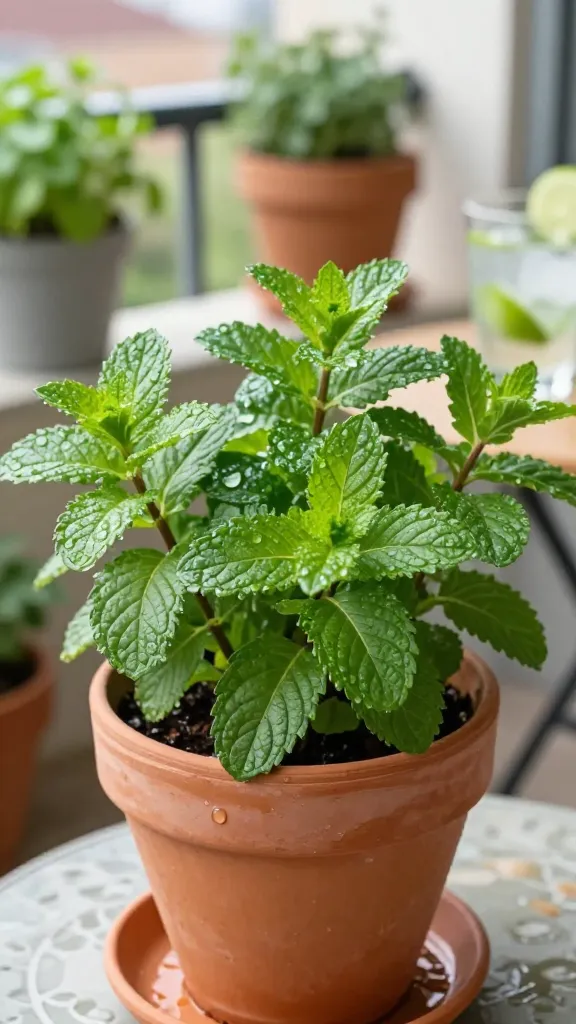
Mint thrives on neglect and spreads like gossip. Stick it in a pot unless you want a mint army invading your garden beds.
Key Points
- Partial sun or bright shade works great.
- Keep soil moist; it loves consistent water.
- Container it to control the takeover.
Perfect for teas, desserts, and fresh breath moments. It’s basically your refresh button.
3. Rosemary: The Woody Wonder That Hates Fuss
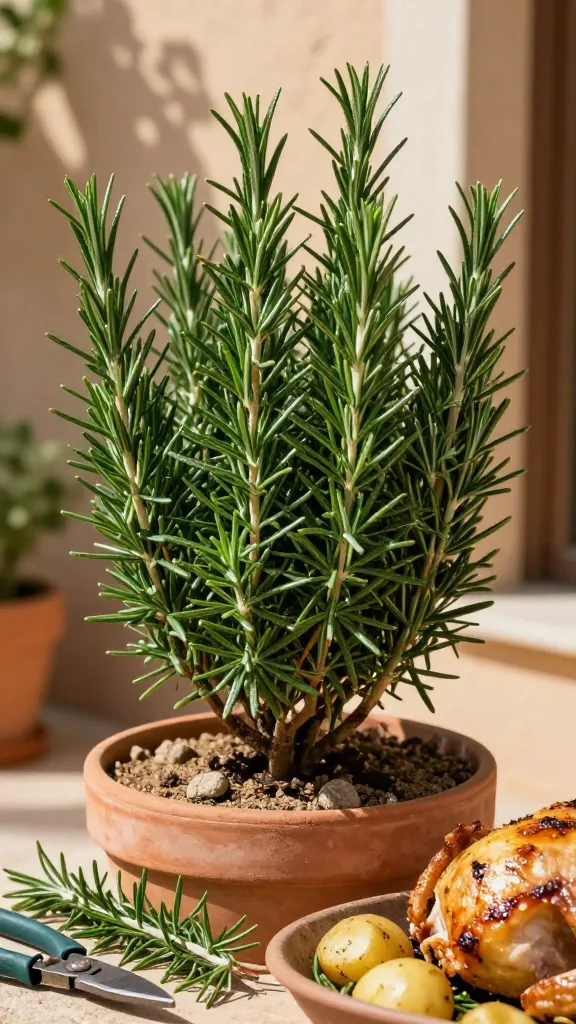
Rosemary tolerates heat, wind, and your tendency to forget the watering can. It’s a Mediterranean champ with big flavor and zero drama.
Tips
- Full sun and well-draining soil are non-negotiable.
- Water deeply but infrequently; let soil dry out.
- Prune lightly to keep it shapely.
Roast it with potatoes, chicken, or bread. Bonus: it doubles as a fragrant, evergreen mini-shrub.
4. Thyme: Tiny Leaves, Massive Payoff
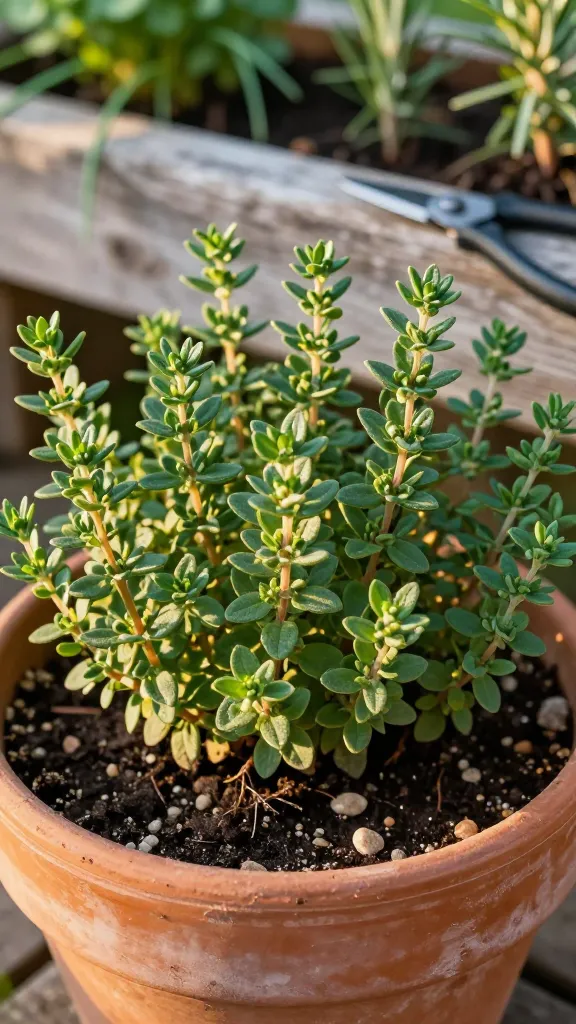
Thyme handles heat, drought, and your weekend getaway. It sprawls prettily and sneaks flavor into everything.
Good To Know
- Full sun and gritty, well-drained soil.
- Water sparingly; soggy soil is the enemy.
- Harvest by snipping sprigs; it rebounds fast.
Use on roasted veggies, steaks, and soups. It’s the quiet MVP that makes dishes taste pro.
5. Oregano: The Pizza Herb That Thrives On Neglect
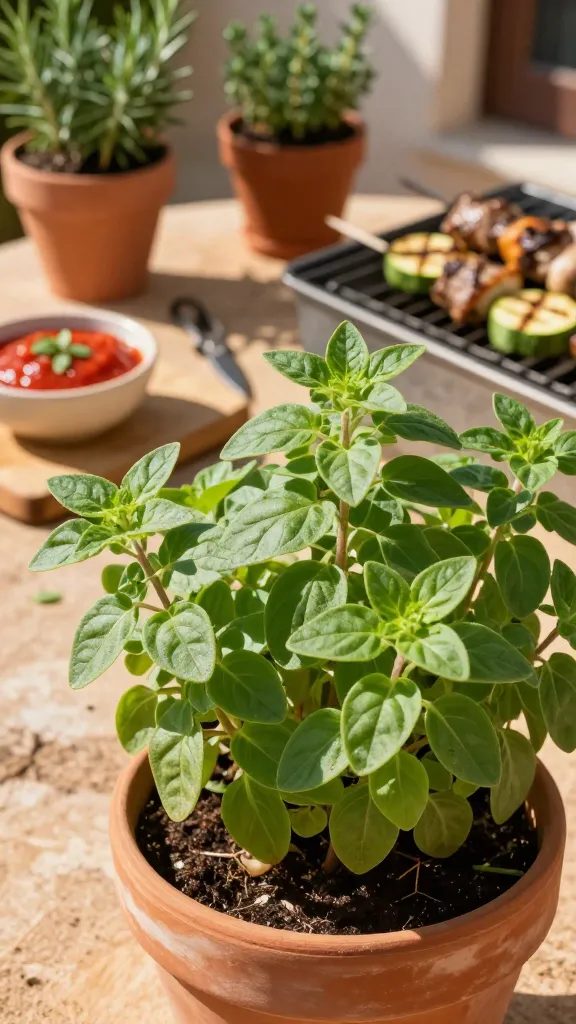
Oregano brings bold, Mediterranean vibes without needing pampering. It’s hardy, forgiving, and loaded with essential oils.
Key Points
- Full sun boosts flavor intensity.
- Let soil dry between waterings.
- Trim regularly to keep it dense and tidy.
Sprinkle on sauces, kebabs, and grilled veggies. It’s your Italian grandmother in plant form—opinionated and delicious.
6. Parsley: The Fresh, Versatile Workhorse
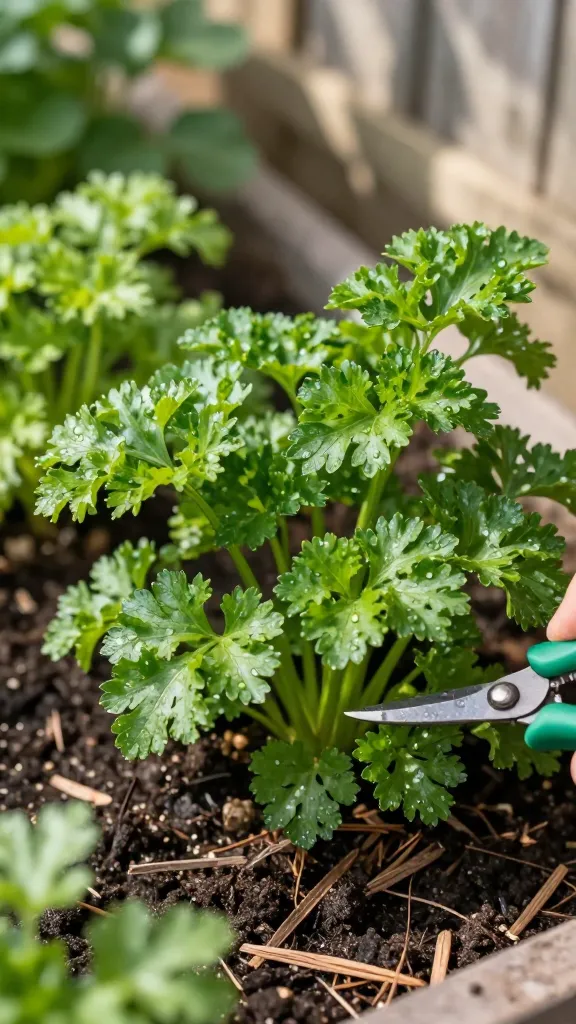
Curly or flat-leaf, parsley brightens everything. It tolerates part shade and cooler temps, which makes it super flexible.
Tips
- Give it morning sun or part shade in hot climates.
- Keep soil evenly moist; mulch helps.
- Harvest outer stems first to keep it producing.
Chop into salads, chimichurri, or tabbouleh. It’s more than a garnish—use it by the handful.
7. Chives: The Snip-And-Sprinkle MVP
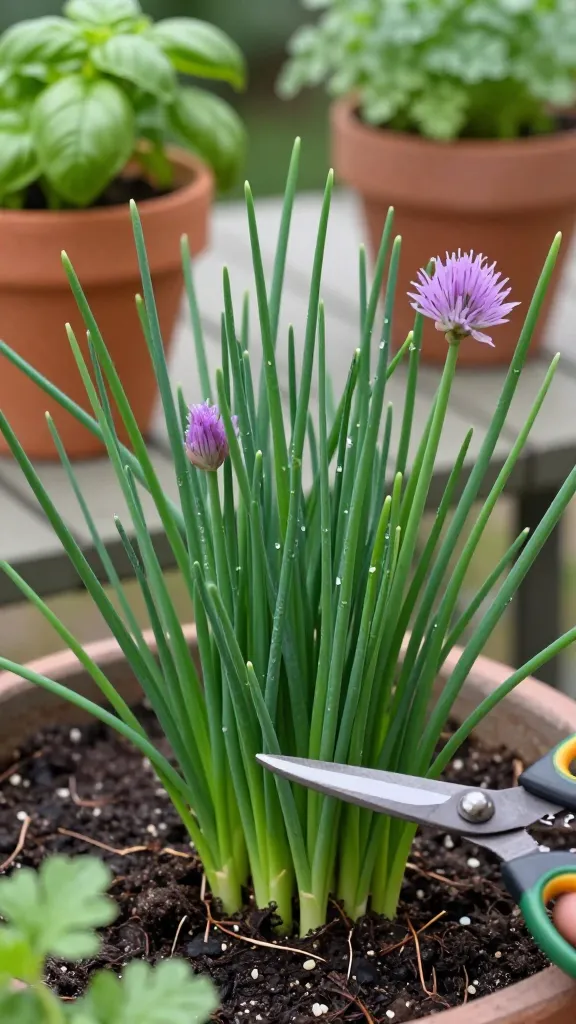
Chives taste like mild onions and grow back every time you cut them. They’re practically bulletproof and look cute with purple pom-pom blooms.
Good To Know
- Full sun to part shade both work.
- Regular snipping keeps them productive.
- Divide clumps every couple of years to stay vigorous.
Toss on eggs, potatoes, and soups. Easy, tasty, and low-maintenance—chef’s kiss.
8. Cilantro: The Love-It-Or-Leave-It Sprinter
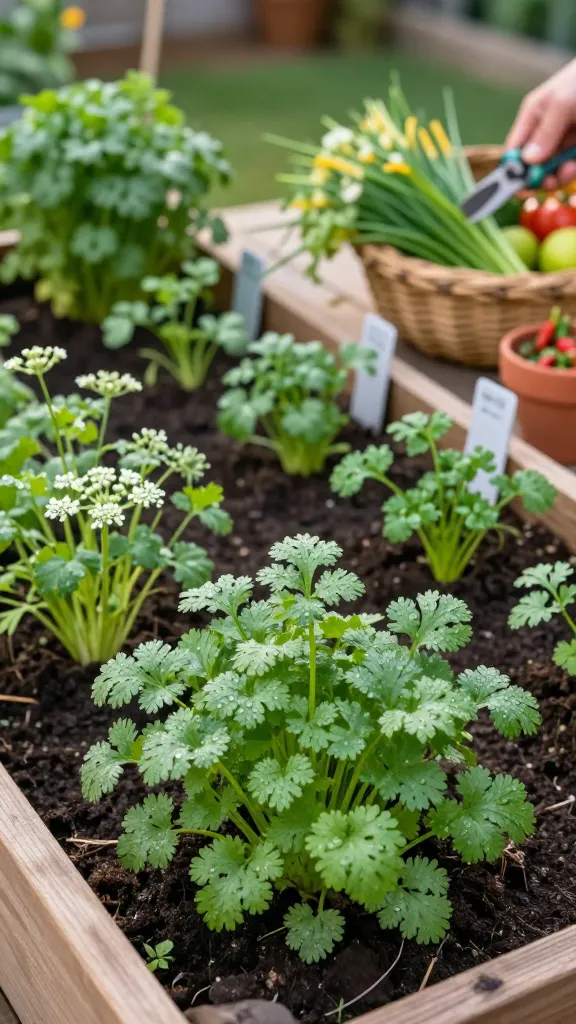
Cilantro grows fast and bolts fast, so plant it often and harvest hard. Cooler weather keeps it happier, FYI.
Tips
- Give it cool temps and partial sun in hot regions.
- Sow seeds every 2–3 weeks for a steady supply.
- Let a few plants bolt for coriander seeds later.
Great for tacos, salsas, and curries. Plant succession-style and you’ll always have fresh bunches.
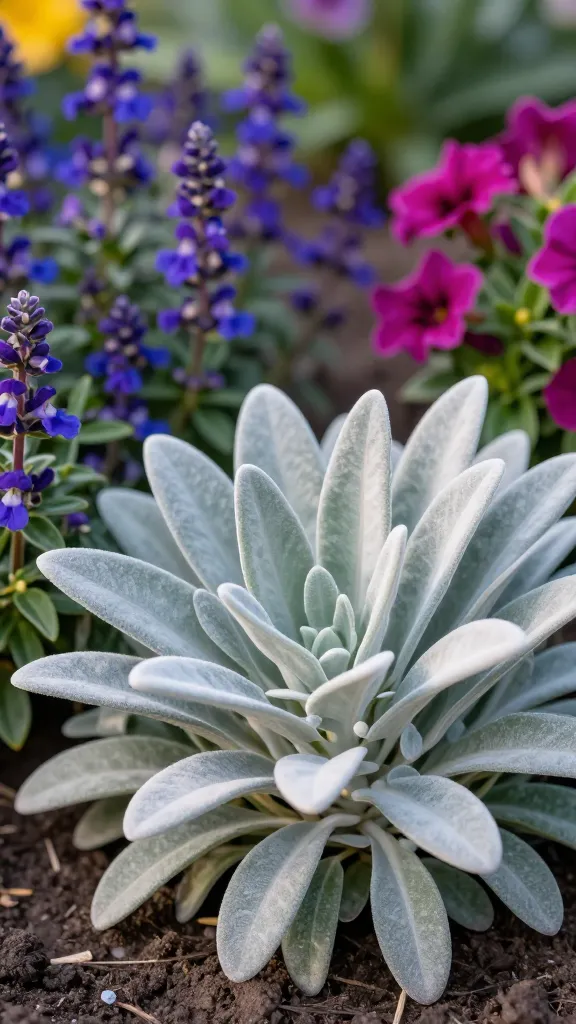
9. Sage: The Savory, Silvery Powerhouse
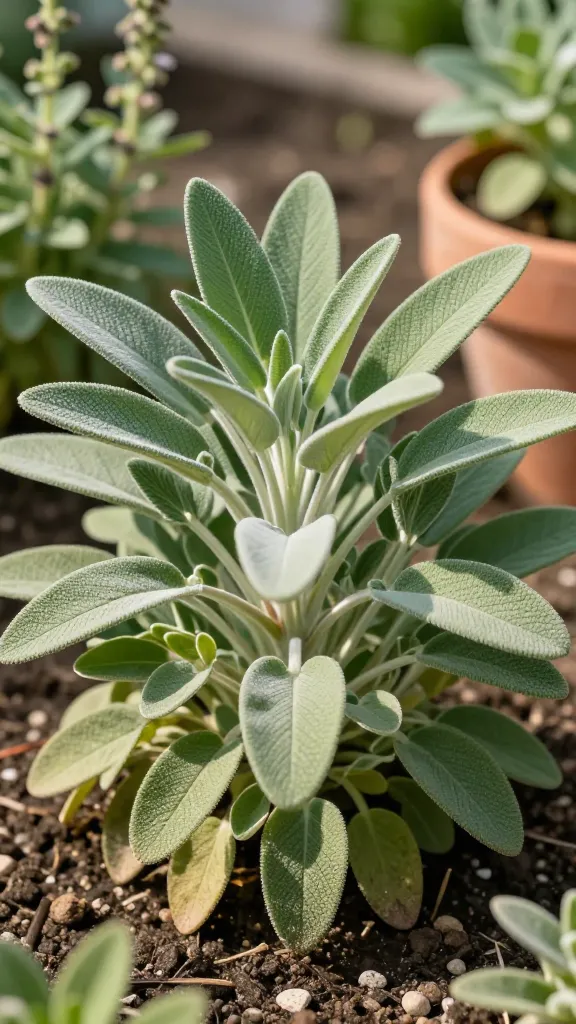
Sage brings depth to roasted dishes and looks gorgeous. It handles heat and poor soil like a champ.
Key Points
- Full sun and excellent drainage are essential.
- Water lightly; too much moisture causes rot.
- Trim after flowering to keep it compact.
Use in brown butter pasta and stuffing. It’s bold, aromatic, and super hardy.
10. Dill: Feathery Fronds With Big Personality

Dill grows quickly and gives you fronds and seeds. It loves cool weather and rewards you with that classic pickle flavor.
Tips
- Full sun, but protect from scorching heat.
- Sow directly; it dislikes transplanting.
- Stake tall varieties to prevent flopping.
Use in dressings, fish, and, yes, pickles. Let some flower for swallowtail butterflies—win-win.
11. Lemon Balm: Instant Calm, Lemon-Scented Joy
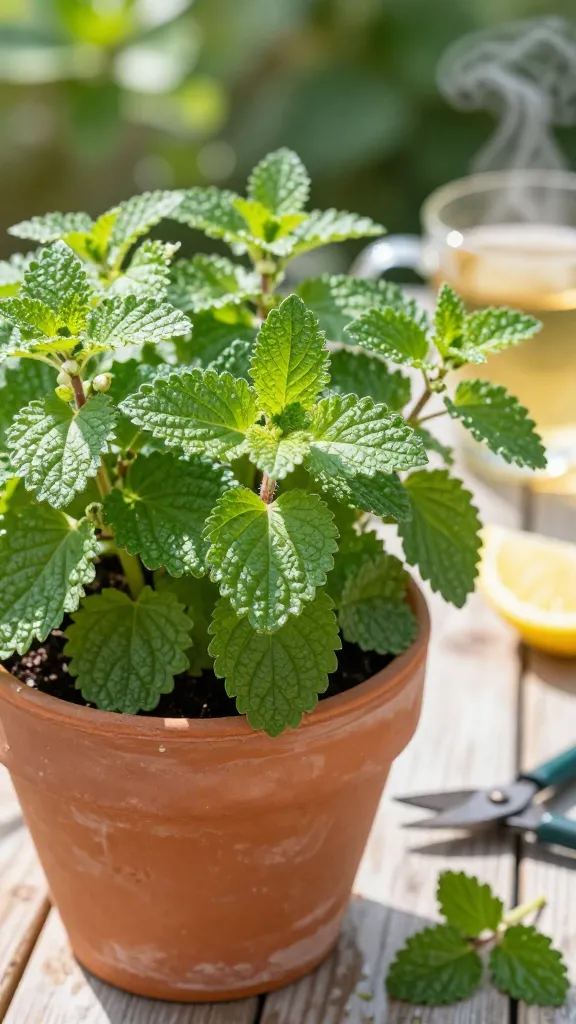
Lemon balm smells like sunshine and tea time. It spreads easily (sometimes too easily), so grow it in a container if you’re cautious.
Good To Know
- Part shade to full sun; very forgiving.
- Snip often to prevent flowering and spread.
- Moist, well-drained soil keeps it lush.
Brew into tea, infuse in syrups, or scatter in fruit salads. It’s mellow, fresh, and delightful.
12. Marjoram: Oregano’s Sweeter, Softer Cousin
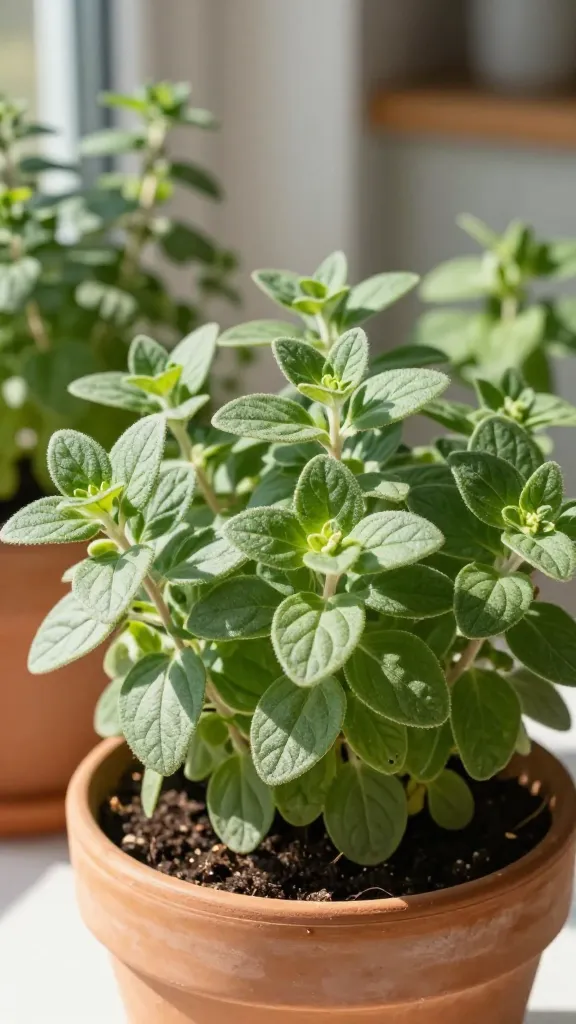
Marjoram brings a floral, gentle flavor that plays well with everything. It’s beginner-friendly and behaves nicely in containers.
Tips
- Full sun for best aroma.
- Let soil dry a bit between waterings.
- Pinch tips to keep it dense and leafy.
Stir into vinaigrettes and chicken dishes. When you want herb flavor without the punch, marjoram wins.
13. Bay Laurel: The Evergreen You’ll Harvest For Years
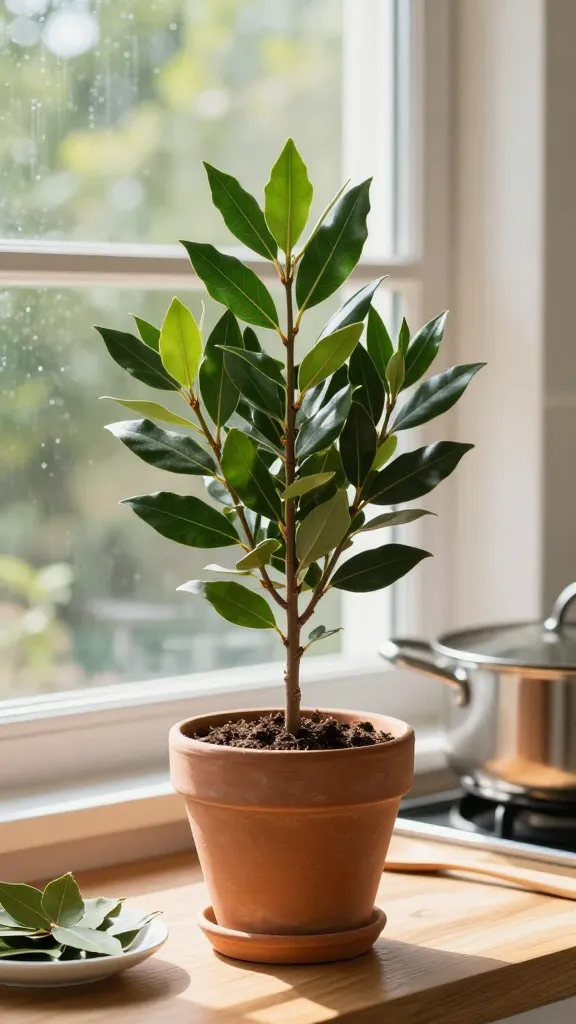
Bay is a slow-growing shrub, but it’s ridiculously low-maintenance. Keep it in a pot, trim it into a cute shape, and harvest leaves whenever.
Key Points
- Bright sun to part shade; great indoors near a sunny window.
- Well-draining soil and occasional deep watering.
- Overwinter inside in cold climates.
Drop a leaf into soups, stews, and risotto. It’s the long game herb that keeps on giving.
14. Vietnamese Coriander: The Heat-Loving Cilantro Alternative
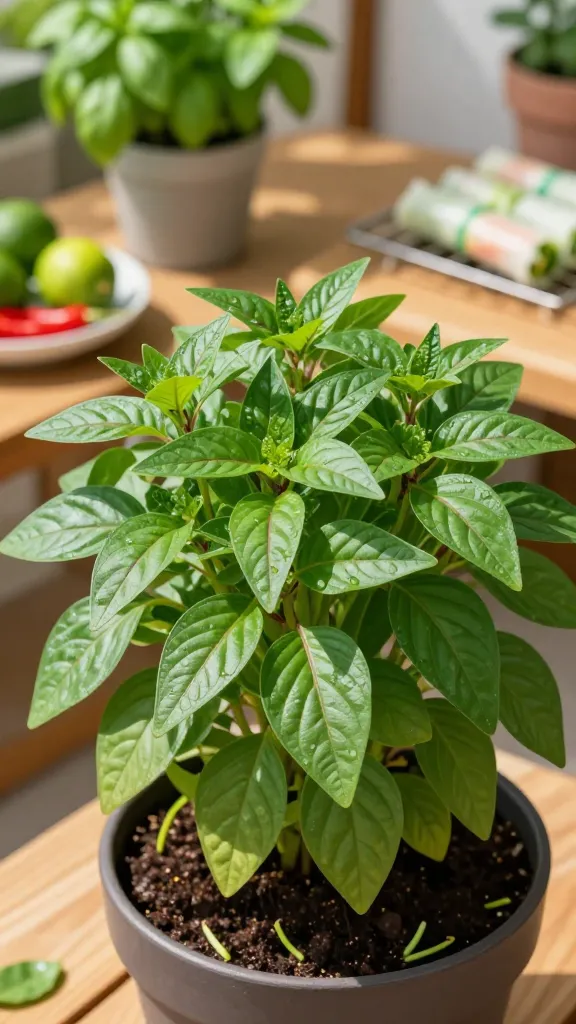
Hate when cilantro bolts? This lookalike thrives in heat and keeps its flavor all summer. It’s zippy, citrusy, and super productive.
Tips
- Partial shade in intense heat; sun in mild climates.
- Keep soil consistently moist.
- Pinch often to encourage branching.
Use anywhere you’d use cilantro—pho, salads, summer rolls. It’s your warm-weather secret weapon, IMO.
15. Greek Bay-Adjacent Bonus: Flat-Leaf Garlic Chives
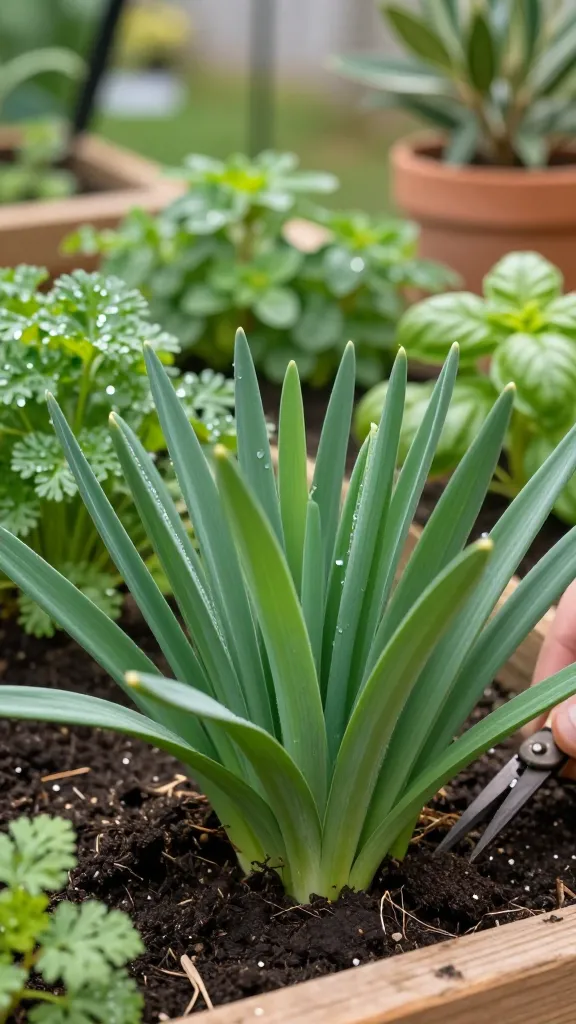
Garlic chives bring a gentle garlicky kick without overpowering dishes. They’re perennial, resilient, and bounce back after every haircut.
Good To Know
- Full sun to part shade.
- Cut leaves low; they’ll regrow quickly.
- Remove flower heads to keep flavor strong.
Sprinkle over dumplings, stir-fries, and noodles. For low-effort, big-flavor garnishes, garlic chives deliver—trust me.
Care Basics So You Don’t Accidentally Nuke Your Herbs
Want the quick-start guide? Most herbs love sun, drainage, and a reasonable watering routine. Keep it simple and you’ll win.
Essentials
- Sun: Aim for 6–8 hours daily for Mediterranean herbs; leafy guys tolerate a bit less.
- Soil: Use a quality potting mix with perlite or sand for drainage.
- Water: Water deeply when the top inch dries out. No soggy feet.
- Feeding: Light feeding every 4–6 weeks; too much fertilizer kills flavor.
- Harvest: Snip often. Frequent trims keep plants bushy and tasty.
Group similar needs together—thirsty herbs with thirsty herbs, sun lovers with sun lovers. Your plants will thank you by not dying.
Container vs. Ground: Pick Your Adventure
Short on space? Containers make herb gardening almost too easy. You control soil, water, and sunlight angles like a pro.
Quick Picks
- Best in Pots: Mint, lemon balm, bay, rosemary (in cold zones).
- Ground Stars: Thyme, oregano, sage where winters aren’t brutal.
- Drainage: Always choose pots with holes. Always.
Containers also move indoors when frost threatens. Mobility equals longevity.
Harvesting Without Regret
Harvest wrong and plants sulk. Harvest right and they explode with growth.
How To Snip
- Cut above a leaf node to encourage branching.
- Never take more than one-third of the plant at once.
- Morning harvest gives peak flavor and oils.
Use sharp scissors for clean cuts. Your plants bounce back faster and look less like they survived a weed whacker.
Dealing With Pests (Calmly)
Most herbs repel pests on their own, which is nice. If trouble pops up, go mild and targeted.
Easy Fixes
- Blast aphids with water or use insecticidal soap.
- Pick off caterpillars; relocate them if you’re feeling kind.
- Improve airflow to prevent fungal drama.
Healthy plants handle minor issues. Don’t panic—observe, tweak, move on.
Quick Flavor Pairing Cheat Sheet
Not sure where to start in the kitchen? Pair herbs with their besties and you’ll feel like you’re on a cooking show.
- Basil: Tomatoes, mozzarella, strawberries.
- Mint: Lamb, peas, chocolate.
- Rosemary: Potatoes, focaccia, pork.
- Thyme: Mushrooms, beef, lemon.
- Oregano: Pizza, beans, grilled veg.
- Parsley: Garlic, lemon, seafood.
- Chives: Eggs, sour cream, salmon.
- Cilantro: Tacos, curries, chutneys.
- Sage: Brown butter, squash, sausage.
- Dill: Salmon, yogurt, cucumbers.
- Lemon Balm: Tea, berries, sorbet.
- Marjoram: Chicken, vinaigrettes, beans.
- Bay: Stews, risotto, beans.
- Vietnamese Coriander: Pho, salads, rice bowls.
- Garlic Chives: Dumplings, noodles, stir-fries.
Cook simple dishes and let the herbs flex. Big flavor with minimal fuss—seriously.
That’s your low-stress herb lineup. Start with three to five, taste everything, and expand once you feel unstoppable. You’ll have fresh flavor at your fingertips and a garden that practically takes care of itself.