7 Reasons Your Seedlings Keep Dying After Germination—and How to Save the Next Batch
Your seeds sprouted, you did the happy dance, and then the seedlings mysteriously collapsed like tiny drama queens. Been there. The good news? Most seedling deaths after germination come down to a handful of fixable mistakes, not some cursed gardening fate.
If your next batch keeps crashing, don’t panic and don’t buy five more seed packets out of spite. Let’s walk through the usual suspects and the easy fixes that actually help.
1. Too Much Water, Too Little Oxygen
This one gets gardeners all the time. Seedlings need moisture, yes, but they also need air around their roots. When the mix stays soggy, roots suffocate and stem rot shows up like an unwelcome guest.
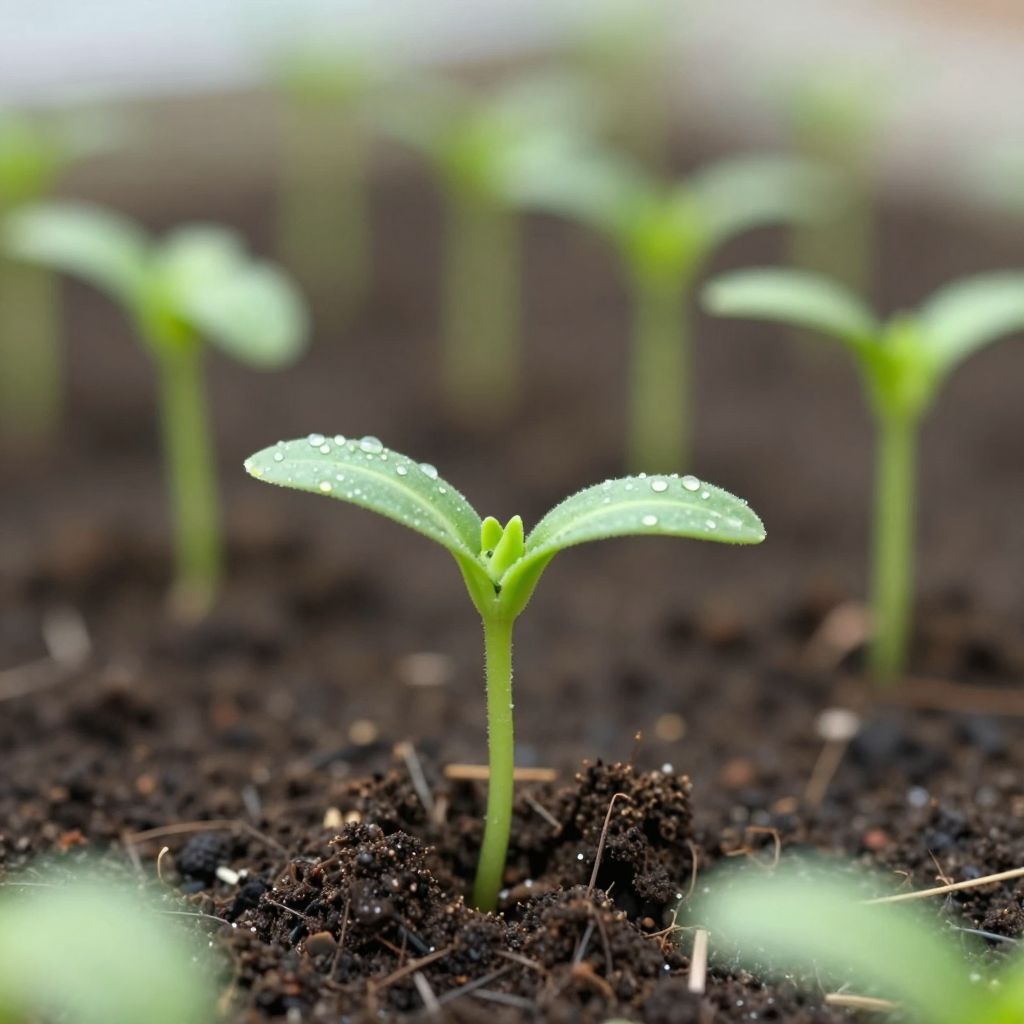
Watch for: damp soil that never dries, mushy stems, fungus gnats, and seedlings that look floppy even though the soil feels “carefully watered.”
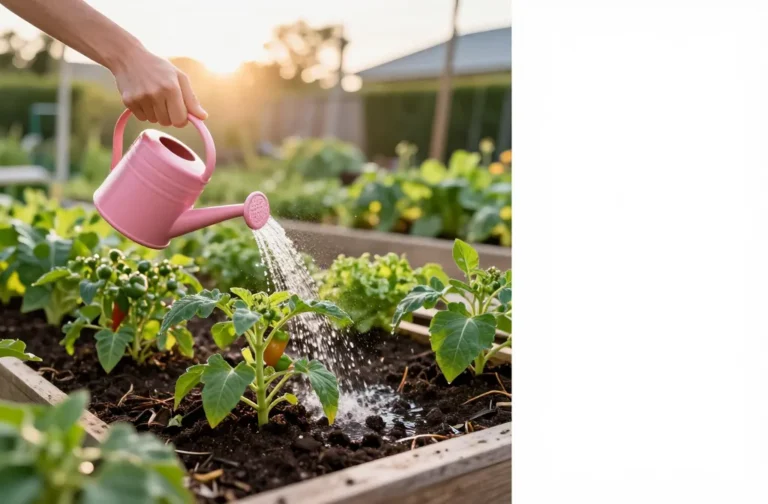
Fix it: water only when the top of the mix starts to dry, and use containers with drainage holes. Bottom watering works well because it lets the mix drink without turning into swamp soup.
2. Not Enough Light After Sprouting
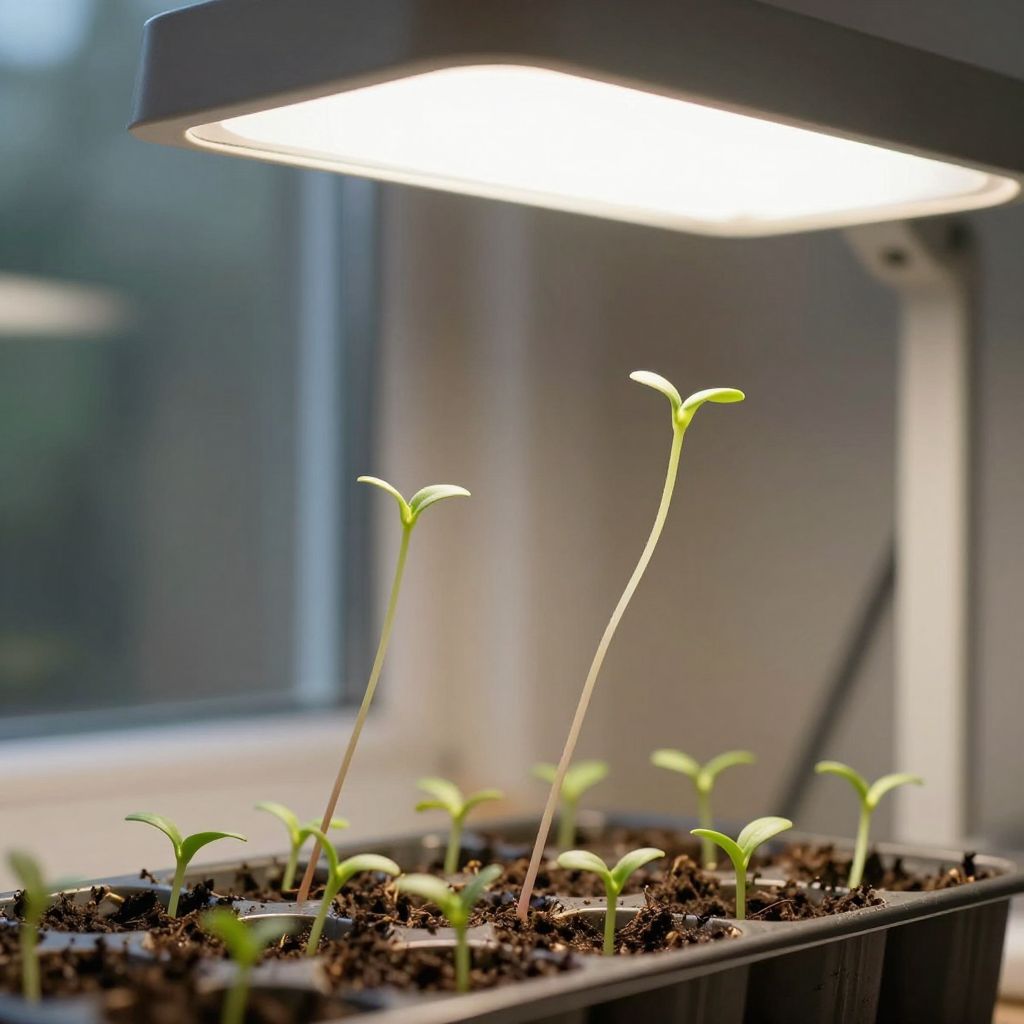
Seedlings need serious light the second they pop up. If they stretch toward a window like they’re reaching for a rescue helicopter, they need more light, fast.
Leggy seedlings grow weak stems and topple over easily. IMO, this ranks right up there with overwatering as the classic beginner trap.
What good seedling light looks like
- Bright, direct light for 12 to 16 hours a day
- Grow lights placed close to the top of the plants
- Strong, even light instead of one sad dim window
Fix it: move seedlings under grow lights or into the brightest spot you have. Keep the light close enough to prevent stretching, but not so close that you cook the leaves. Yes, plants are picky. Rude, but fair.
3. Air That Stays Too Cold
Germination and seedling growth love warmth, but not heat waves. If your seedlings sit near a cold window, drafty door, or chilly garage, they slow down hard and can die before they ever settle in.
Most seedlings like temperatures around 65 to 75°F during the day. Night temps can dip a bit, but not into “why does this room feel like a freezer” territory.
Fix it: keep trays in a stable, warm location. If your home runs cool, use a heat mat during germination and move seedlings away from drafts once they sprout.
4. Crowded Trays Invite Trouble
Too many seedlings packed together create a little jungle of problems. Air can’t move well, moisture hangs around, and disease spreads faster than gossip at a backyard barbecue.
Crowding also forces seedlings to compete for light and nutrients. The weakest ones usually lose, which feels unfair, but plants do not care about fairness.
How to thin without feeling guilty
- Keep the strongest seedling in each cell or pot
- Snip extras at soil level instead of pulling them
- Give each plant enough room for leaves to spread
Fix it: thin early and keep good spacing. Your seedlings will thank you with sturdier growth and fewer fungal issues.
5. Dirty Soil or Sketchy Tools
Seedlings are tiny and vulnerable, which makes them easy targets for damping-off and other fungal problems. If you reuse old mix, dirty pots, or grimy trays, you can invite trouble before the seedlings even get going.
Damping-off often hits fast. One day the seedlings look fine, and the next day the stems pinch at the base and flop like tired spaghetti.
Fix it: start with fresh seed-starting mix, clean containers, and sanitized tools. FYI, seed-starting mix differs from regular potting soil because it stays lighter and drains better.
6. You Moved Them Too Fast
Seedlings love the cozy indoor life. Then you shove them outside into wind, strong sun, and temperature swings, and they basically file a complaint.
Hardening off matters. If you skip it or rush it, tender seedlings can wilt, scorch, or just give up entirely.
Fix it: introduce outdoor conditions slowly over 7 to 10 days. Start with a little shade and a short time outside, then increase both exposure and duration each day.
7. You Waited Too Long to Pot Them Up
Seedlings do not want to live in tiny cells forever. If roots crowd the container, growth slows and plants start struggling for water and nutrients.
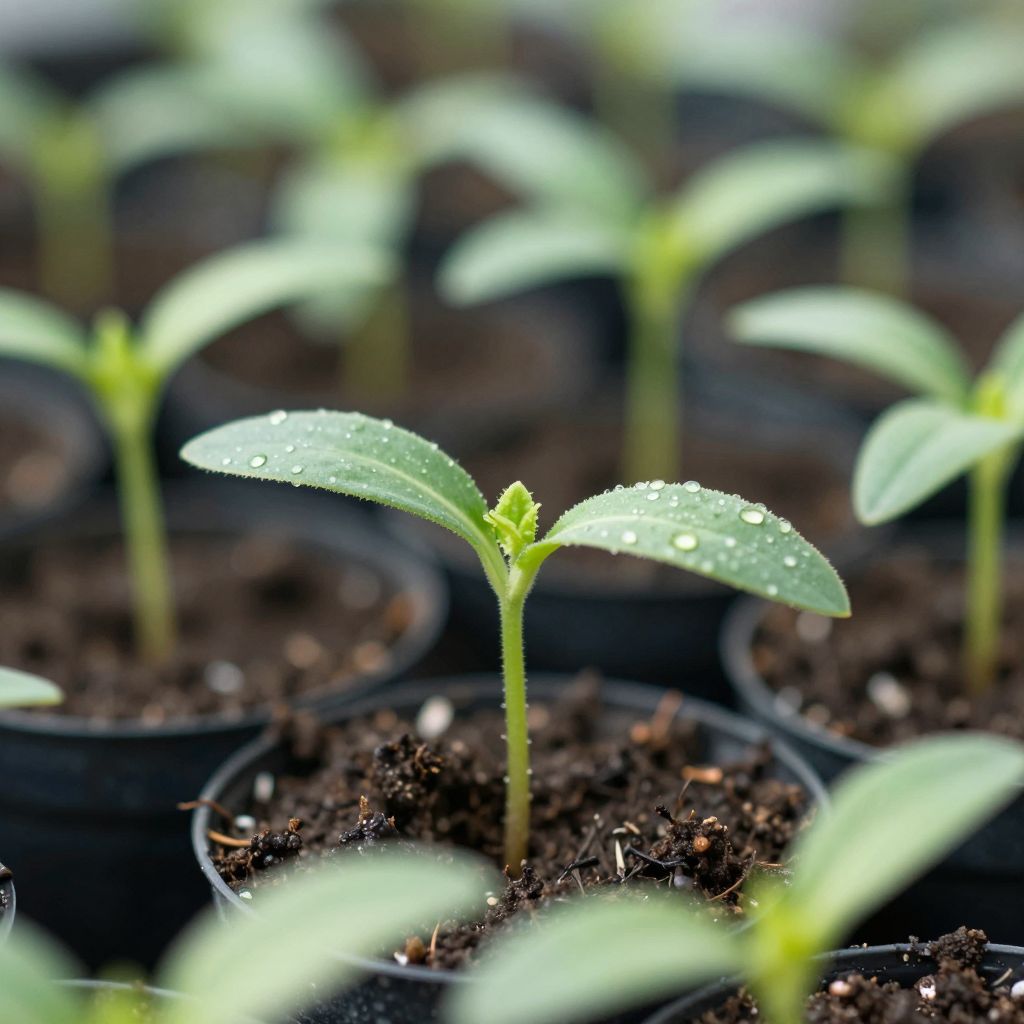
Some seedlings also develop weak stems when they stay too long in cramped trays. At that point, they look more like green noodles than future vegetables.
Fix it: transplant seedlings when they develop their first true leaves and before roots spiral tightly around the container. Handle them gently and transplant into moist mix, not bone-dry dust.
How to Save the Next Batch Before It Starts Failing
If you want better seedling survival, focus on the basics: light, water, warmth, spacing, and clean supplies. Fancy gadgets help, but consistency does most of the heavy lifting.
- Use fresh, fluffy seed-starting mix
- Water lightly and let the surface dry a bit
- Give seedlings strong light right away
- Keep temperatures steady and warm
- Thin crowded trays early
- Harden off seedlings slowly
- Transplant before roots get cramped
Most seedling disasters start with one small issue and snowball from there. The trick is catching the problem early instead of waiting until the tray looks like a plant crime scene.
FAQ: Seedlings Dying After Germination
Why do my seedlings sprout and then die?
Most seedlings die because of overwatering, weak light, cold temperatures, poor airflow, or damping-off disease. Check those basics first before blaming the seeds. Usually, the fix lives in the setup, not the seed packet.
How often should I water seedlings?
Water when the top of the mix starts to dry out, not on a strict daily schedule. Seedlings hate soggy soil, so let the container breathe a little between waterings.
Can seedlings recover from being leggy?
Sometimes, yes. Move them under stronger light right away, and if the stems are long enough, transplant them deeper to support the weak growth. The sooner you act, the better the odds.
What is damping-off?
Damping-off is a fungal problem that attacks seedlings at the soil line. The stems thin out, the seedlings topple, and the whole thing looks heartbreakingly abrupt. Clean tools, fresh mix, and better airflow help prevent it.
Should I fertilize seedlings right after germination?
Usually, no. Most seed-starting mixes hold enough nutrition for the first stage. Wait until the seedlings grow their first true leaves before feeding lightly, if needed.
Final Thoughts
Seedlings die after germination for reasons that usually make sense once you spot them. Too much water, not enough light, bad airflow, and rough handling cause most of the chaos.
Dial in the basics, keep things simple, and your next batch has a much better shot at thriving. And honestly, that’s the dream: fewer wilted trays, more healthy little plants, and one less gardening mystery to solve.