How to Prune Tomato Plants Without Ruining Your Harvest: A Simple Guide
Tomato pruning sounds risky, right? One wrong snip and suddenly your plant looks like it lost a fight with tiny garden scissors.
But here’s the good news: pruning tomatoes can actually help your plants grow stronger, breathe better, and focus on making fruit instead of a jungle of leaves. If you do it the smart way, you get healthier plants and a better harvest. Seriously, that’s the dream.
1. Start With the Right Tomato Type
Before you trim a single leaf, check what kind of tomato plant you’re growing. Indeterminate tomatoes keep growing all season, so they usually need more pruning. Determinate tomatoes grow to a set size and set most of their fruit at once, so they need a lighter touch.
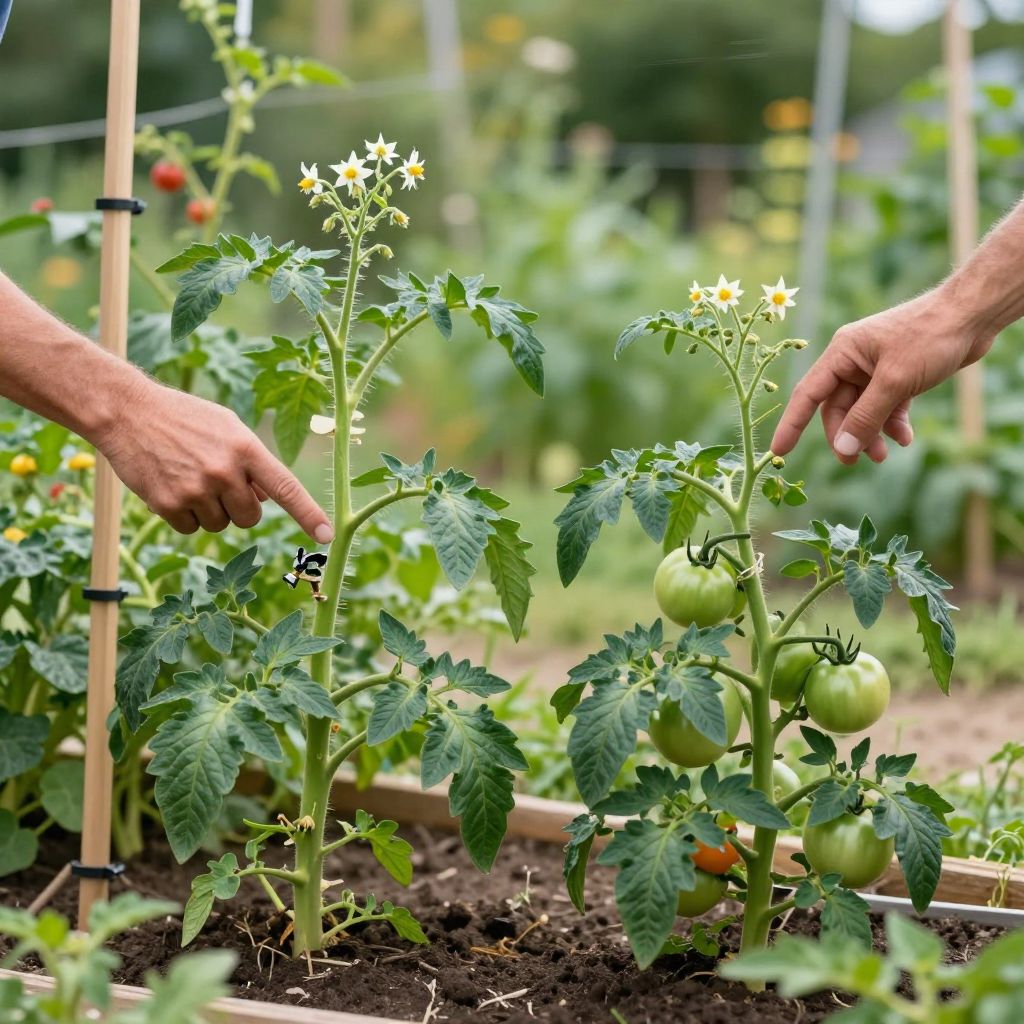
Why does this matter so much? Because pruning a determinate plant too hard can shave off flowers and reduce your harvest. IMO, this is the first thing to figure out before you grab the snips and get excited.
Quick Clue:
- Indeterminate = long vines, ongoing fruiting, more pruning-friendly
- Determinate = bushier shape, limited pruning only
- Cherry and heirloom types often grow like indeterminates
Know your plant first, and everything else gets easier. That one choice can save you from a very sad tomato season.
2. Hunt Down the Suckers Before They Take Over
Suckers are the little shoots that grow where a leaf branch meets the main stem. They look innocent, but they can turn into full-on stems that steal energy from fruit production.
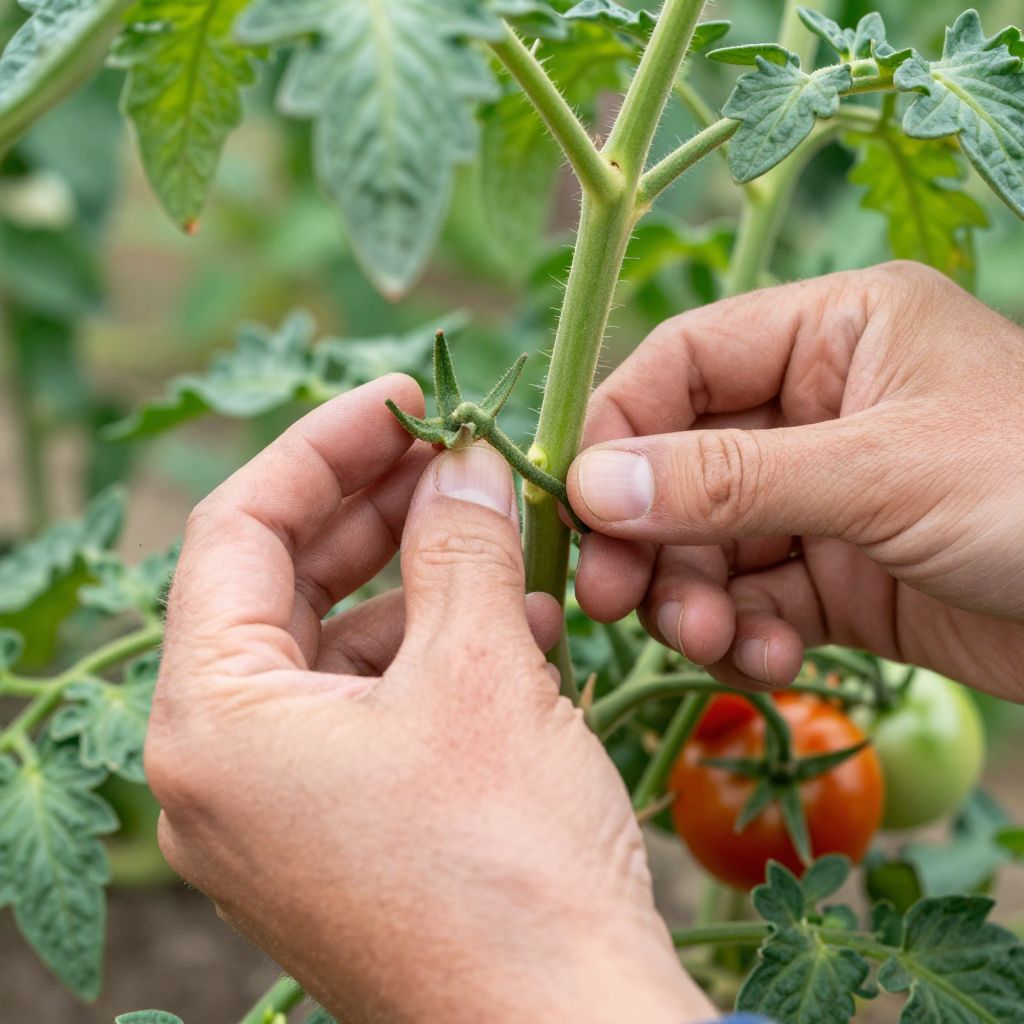
Removing some of them helps the plant put more energy into ripening tomatoes instead of building extra leafy chaos. And yes, tomato plants absolutely love chaos if you let them.
How To Spot Them
- Look in the “V” between the main stem and a branch
- Check for tiny new growth shooting upward
- Pinch them when they’re small for easier removal
Leave a few suckers if you want a bushier plant, but don’t let them run the whole show. This step keeps growth manageable and helps the plant stay productive.
3. Clear Out the Lowest Leaves First
The leaves closest to the soil often create more problems than they solve. They can splash dirt onto the plant, trap moisture, and invite disease to move in like an uninvited guest.
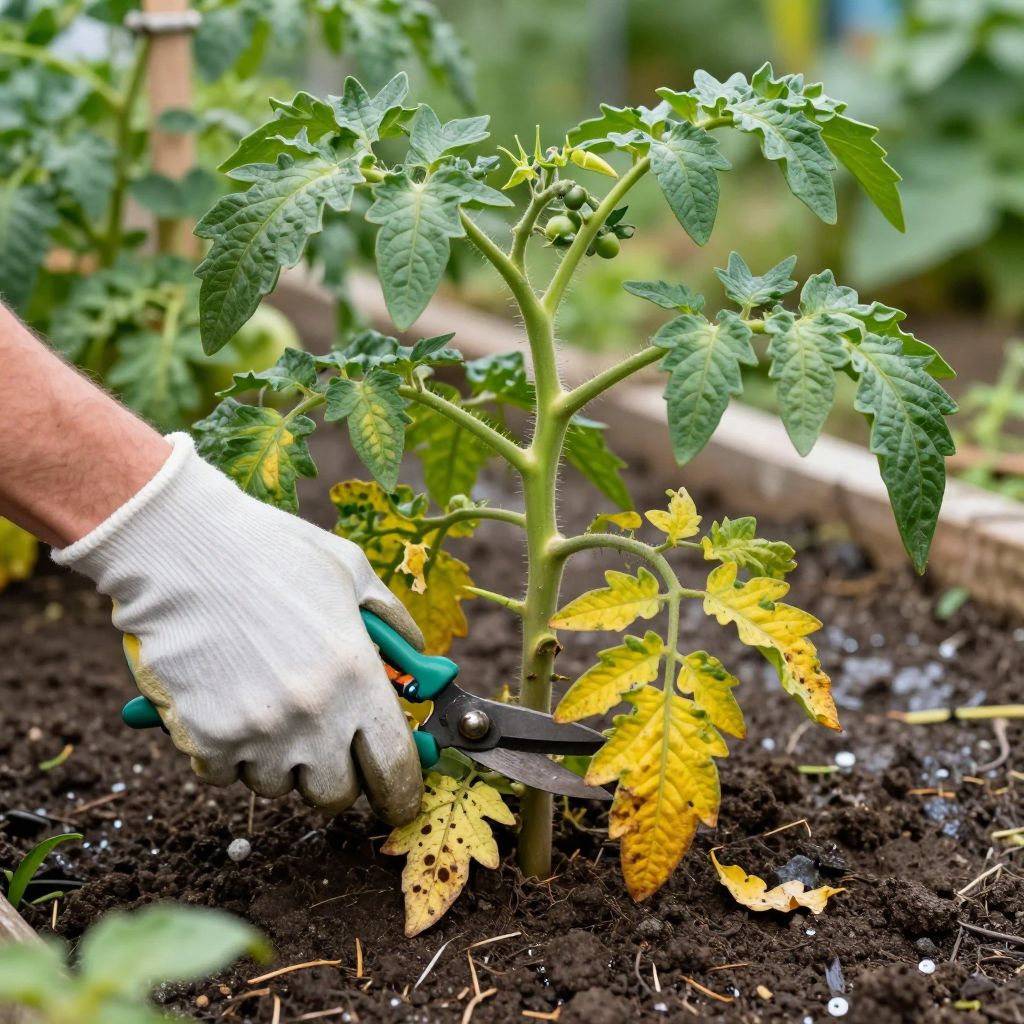
Trim away the leaves touching or nearly touching the ground, especially once the plant gets established. That simple move improves airflow and helps your plant dry out faster after rain or watering.
What To Remove
- Leaves brushing the soil
- Yellowing or damaged lower leaves
- Any leaf clusters crowding the base
Keep the lower area tidy, and you’ll lower disease risk fast. This works especially well in humid gardens where fungal issues like to party.
4. Thin the Center for Better Airflow
A dense tomato plant can look lush, but it also traps moisture and blocks light. That combo can lead to mildew, disease, and fruit that ripens slower than you’d like.
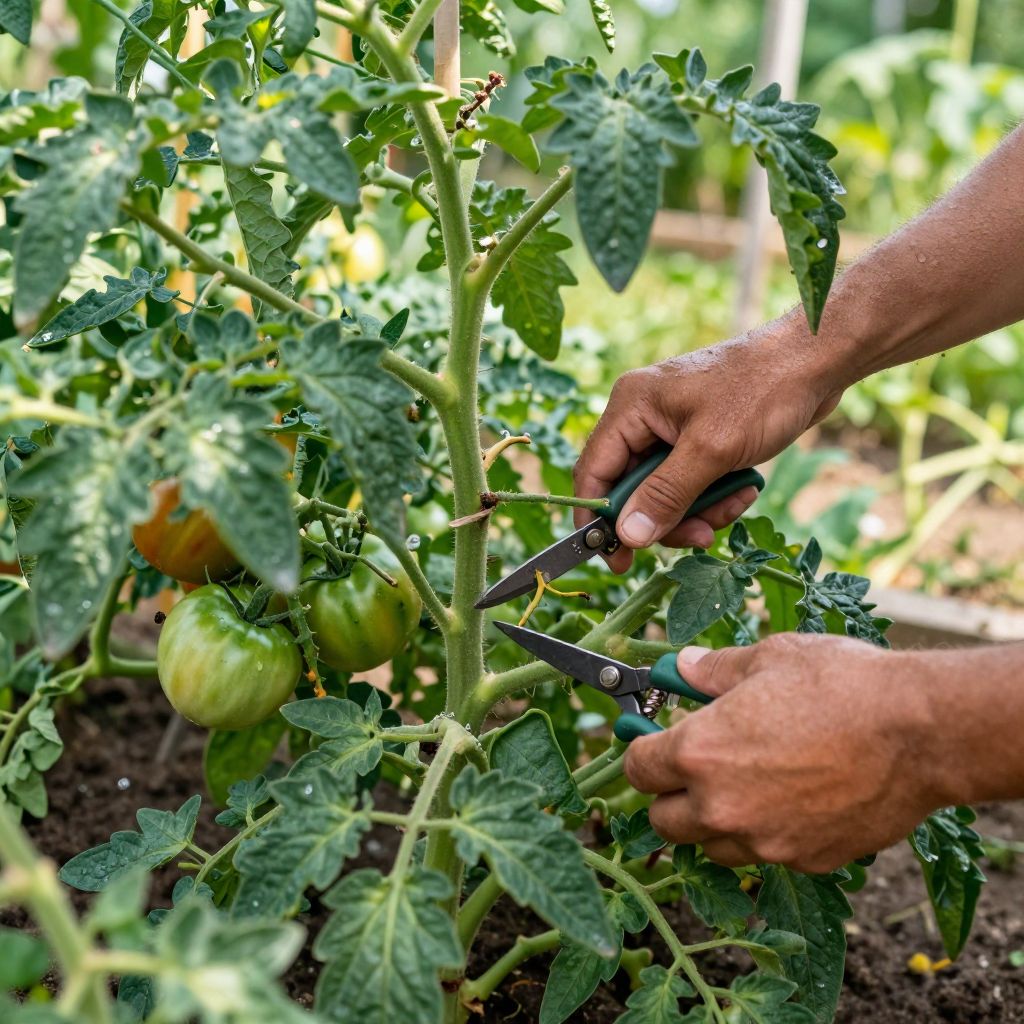
Thinning the center lets sunlight reach more parts of the plant and helps air move through the branches. More airflow means less disease pressure, which makes your life easier and your tomatoes happier.
Focus On
- Crossing branches rubbing against each other
- Inner leaves that block air circulation
- Extra crowded stems in the middle of the plant
Don’t strip the plant bare, though. You want a healthy balance, not a tomato skeleton. This kind of pruning helps most in warm, wet weather when plants can get steamy fast.
5. Remove Diseased or Damaged Growth Fast
If you spot yellowing, spotted, or chewed-up leaves, cut them off sooner rather than later. Damaged growth doesn’t usually recover, and it can drag the whole plant down with it.
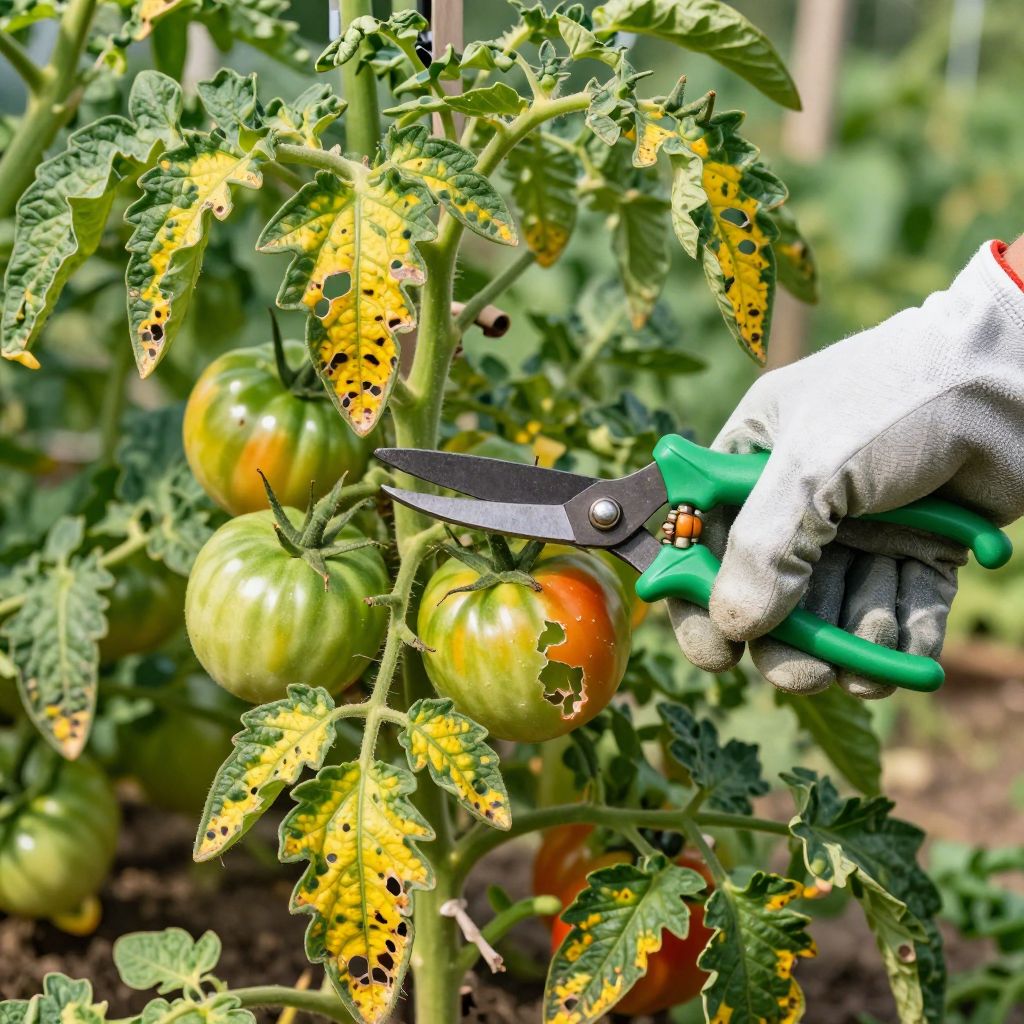
This is one of those pruning jobs that feels oddly satisfying. You spot the problem, remove it, and instantly make the plant look cleaner and healthier. Trust me, it’s the plant equivalent of a fresh haircut.
Watch For These Red Flags
- Brown spots or black streaks
- Curled or collapsing leaves
- Leaves with obvious pest damage
- Anything that looks infected or rotten
Always toss diseased material in the trash, not the compost, unless you know your compost gets hot enough to kill pathogens. This keeps trouble from spreading around your garden.
6. Prune With a Light Hand, Not a Power Trip
Tomatoes do not need a dramatic haircut. If you remove too much at once, you can stress the plant, slow fruit production, and leave the fruit exposed to harsh sun.
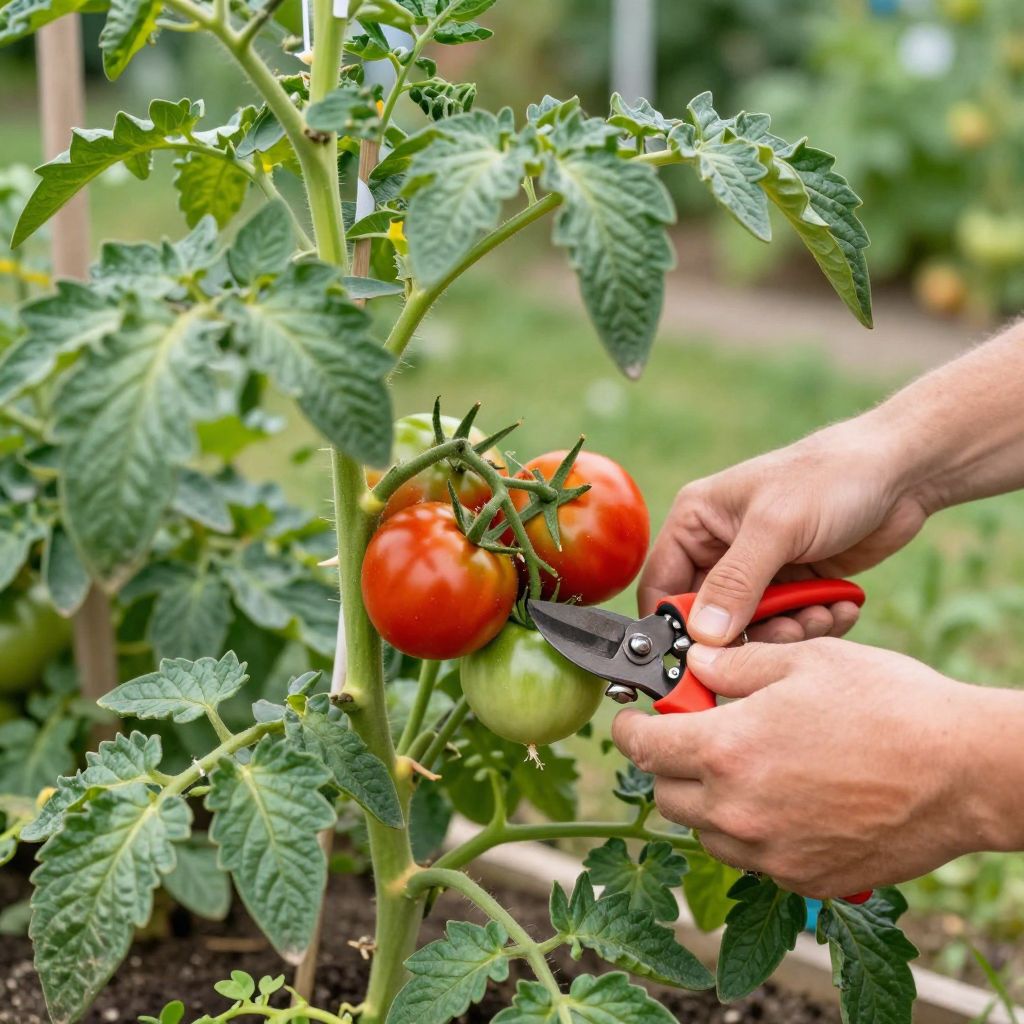
Stick to removing a little at a time, and let the plant keep enough leaves to fuel itself. The leaves feed the fruit, so you still need a decent canopy doing its job.
Simple Rule
- Never remove more than about one-third of the plant at once
- Keep enough foliage to shade ripening fruit
- Step back often and check the shape as you go
Good pruning should make the plant look cleaner, not stripped. If you hesitate, that’s usually a sign you’re doing it right.
7. Keep Up With Small Trims All Season
Tomato pruning works best when you stay consistent. A quick check every few days keeps suckers small, lowers disease risk, and prevents the plant from turning into a leafy beast overnight.
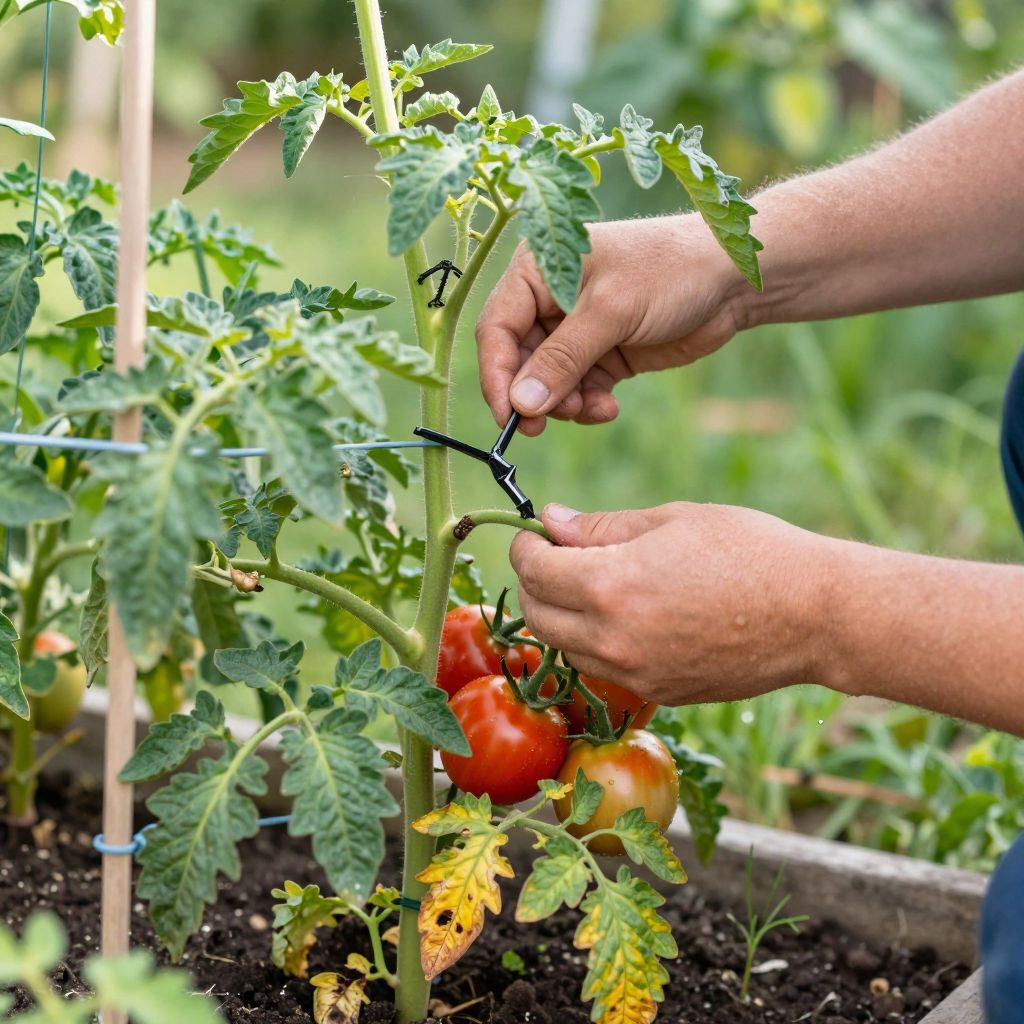
Little trims also feel way less intimidating than one giant pruning session. FYI, that’s the secret sauce for most gardening tasks: small, regular effort beats one chaotic weekend overhaul.
Your Easy Routine
- Check plants after watering or rain
- Pinch new suckers when they’re tiny
- Remove yellowing leaves right away
- Adjust support ties so vines stay upright
This steady approach keeps plants productive without shocking them. Stick with it, and you’ll spend less time fixing problems and more time eating tomatoes off the vine.
Pruning tomato plants doesn’t have to feel scary or overly technical. Start small, stay consistent, and let the plant keep enough leaves to power a strong harvest. Once you get the hang of it, you’ll wonder why you ever overthought it.