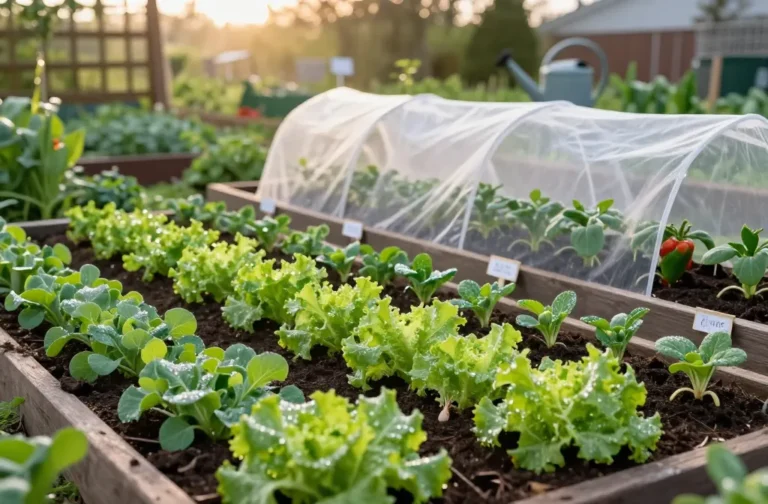
11 Frost Protection Ideas For Spring Nights That Actually Work
Spring weather loves to act dramatic, doesn’t it? One day you’ve got sunshine and seedlings, and the next night your garden looks like it got personally offended by a freeze warning.
The good news: you do not need a giant budget or a greenhouse empire to protect your plants. These frost protection ideas help you save tender growth, stretch your growing season, and avoid that heartbreaking “well, that was a mistake” moment.
1. Cover Plants With Old Sheets
Old sheets work like garden superheroes in disguise. They trap a little heat, block cold air, and give your plants a fighting chance when temperatures dip overnight.
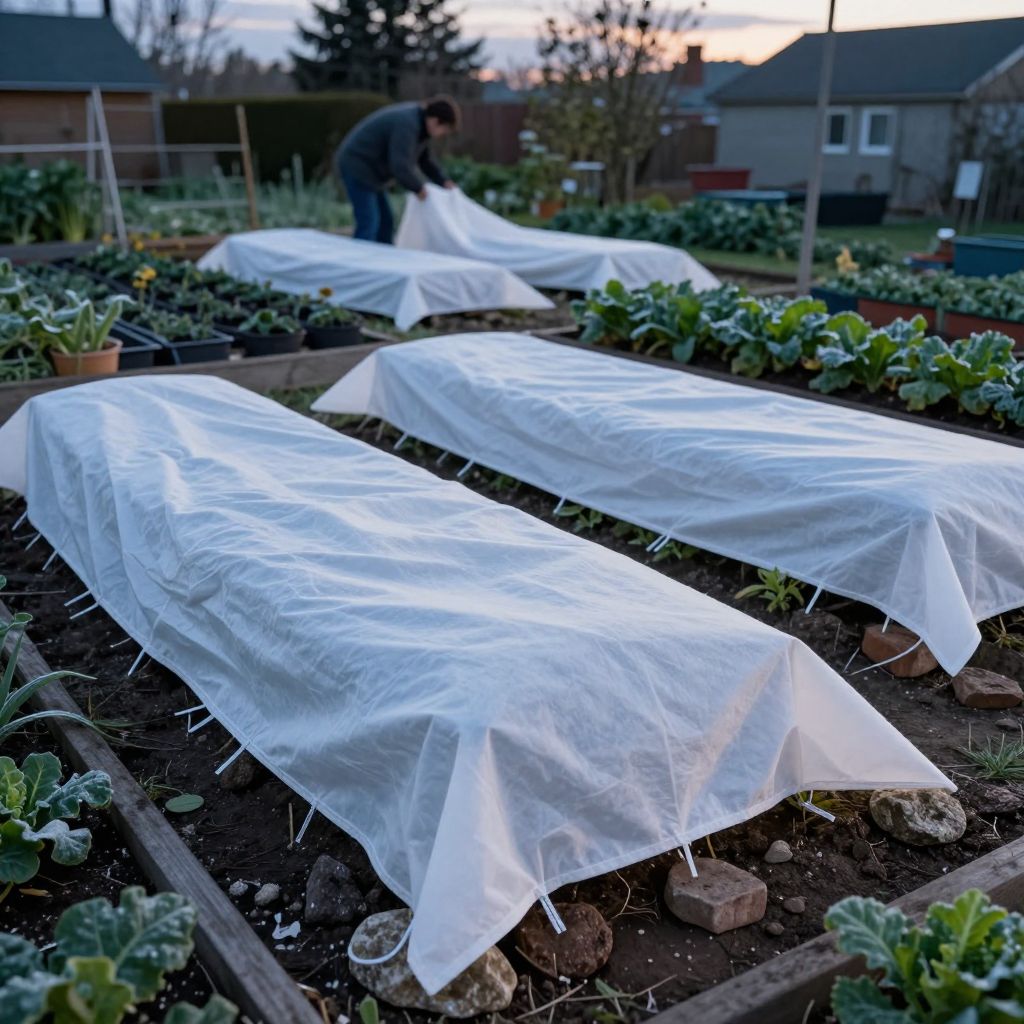
Use lightweight cotton sheets for most beds, and drape them all the way to the ground so warm air stays trapped underneath. Just remove them in the morning, because plants still want their sunlight, despite their late-night drama.
Quick Tips
- Use sheets, not plastic, for direct plant contact
- Anchor the edges with rocks, bricks, or garden staples
- Cover before sunset, not after frost starts
This trick works best for raised beds, small rows, and container plants that need fast, cheap coverage.
2. Turn Buckets And Tubs Into Mini Cloches
Sometimes the simplest fix wins. An upside-down bucket, nursery pot, or storage tub can shield individual plants from cold air like a tiny protective dome.
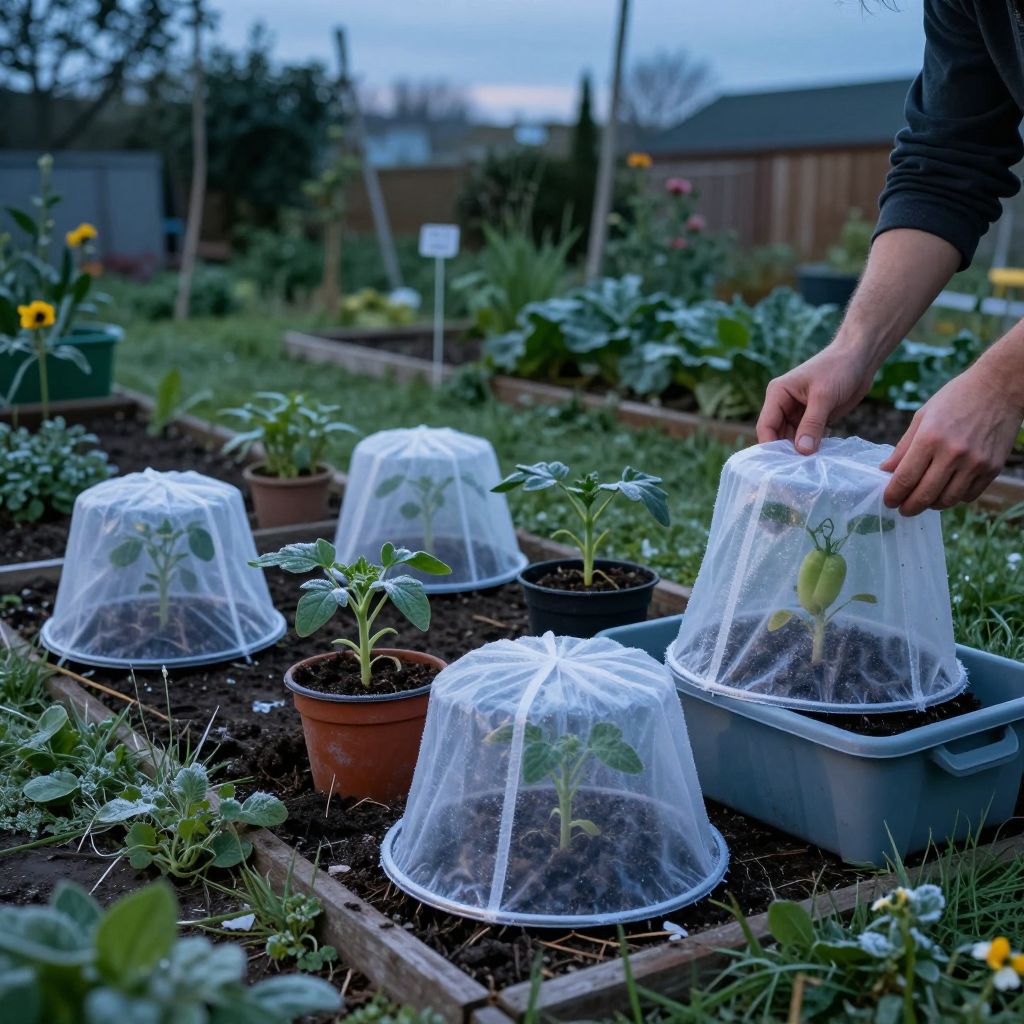
Just make sure the cover reaches the soil and stays put through the night. FYI, this works great for young vegetables, herbs, and any plant you really do not want to gamble with.
Best For
- Tomato starts
- Peppers in containers
- Small flowers and seedlings
Use this when you need quick protection for a few precious plants instead of an entire bed.
3. Water The Soil Early In The Day
Moist soil holds more heat than dry soil, which gives your garden a better shot at riding out a chilly night. That little bit of stored warmth can make a noticeable difference around root zones.

Water in the morning so the soil has time to absorb moisture before nightfall. Seriously, wet leaves at dusk can cause more problems than they solve, so keep the water focused at the base.
This works well as a supporting move before every predicted frost event, especially in dry spring weather.
4. Mulch Around Tender Plants
A fresh layer of mulch helps the soil hold warmth longer after sunset. It also keeps roots from getting shocked when nighttime temperatures swing around like they own the place.
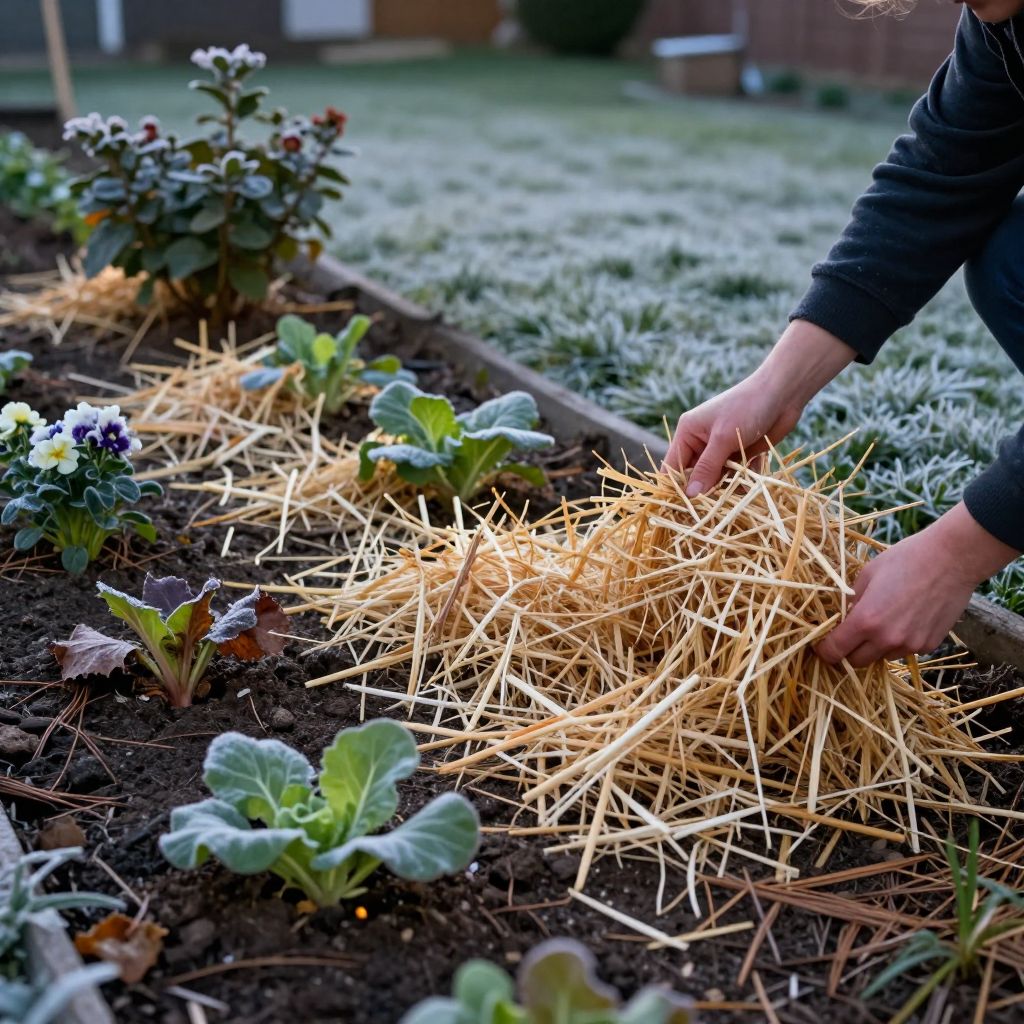
Spread straw, shredded leaves, pine needles, or fine bark around the base of vulnerable plants. Keep mulch a little away from stems so you do not create a cozy little rot zone.
Great Mulch Options
- Straw for vegetable beds
- Shredded leaves for flowers and shrubs
- Pine needles for acid-loving plants
This idea shines when you want longer-term protection instead of a one-night fix.
5. Use Cloches For Individual Plants
Cloches look fancy, but they actually solve a very basic problem: how do you give one plant its own warm bubble? Glass, plastic, or even wire cloches can keep frost off vulnerable leaves and stems.
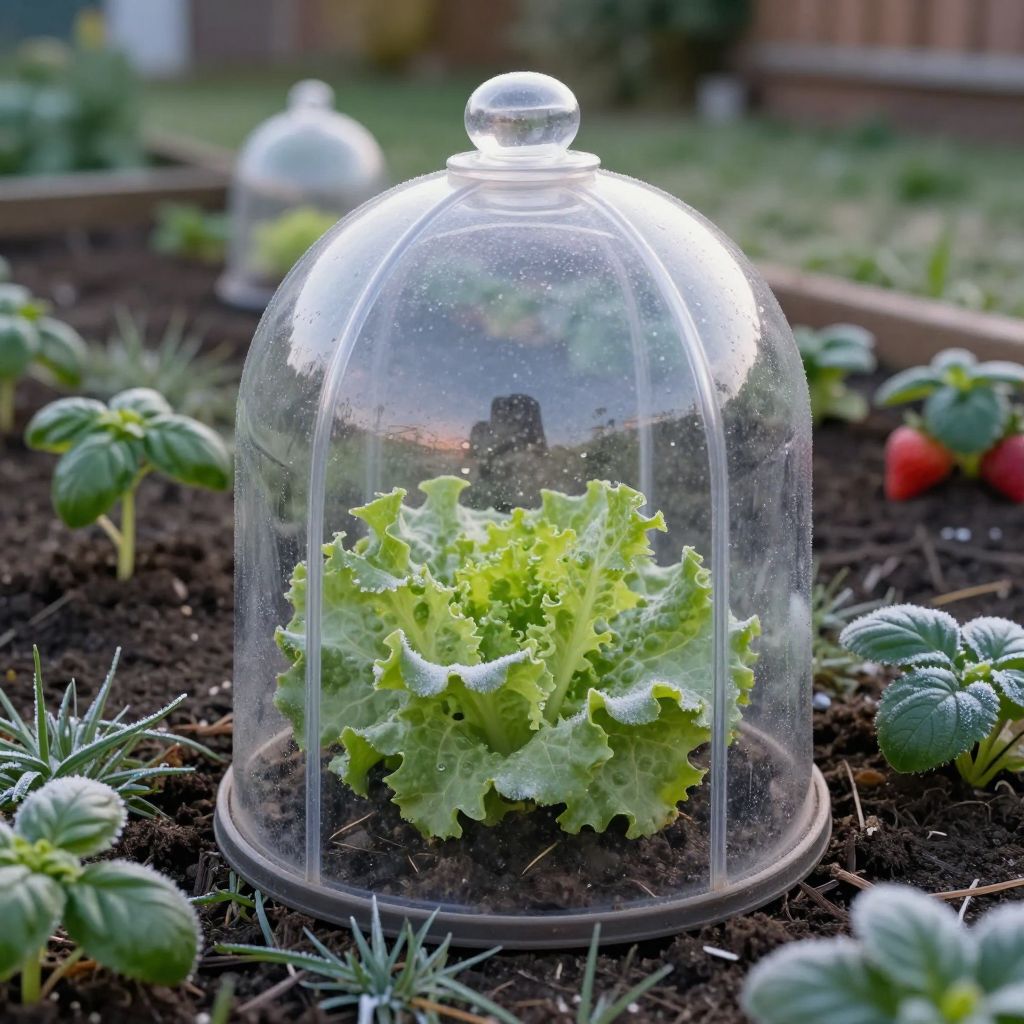
They work especially well for lettuce, basil, strawberries, and early transplants. If you’ve ever stared at a tiny seedling and thought, “Please survive,” this one’s for you.
Use cloches during cold snaps, then lift them during the day so plants get air and light.
6. Set Up A Row Cover Tunnel
Row covers give you the kind of protection that makes gardeners feel oddly powerful. You stretch fabric over hoops or supports, and suddenly your plants sit inside a warmer, calmer microclimate.
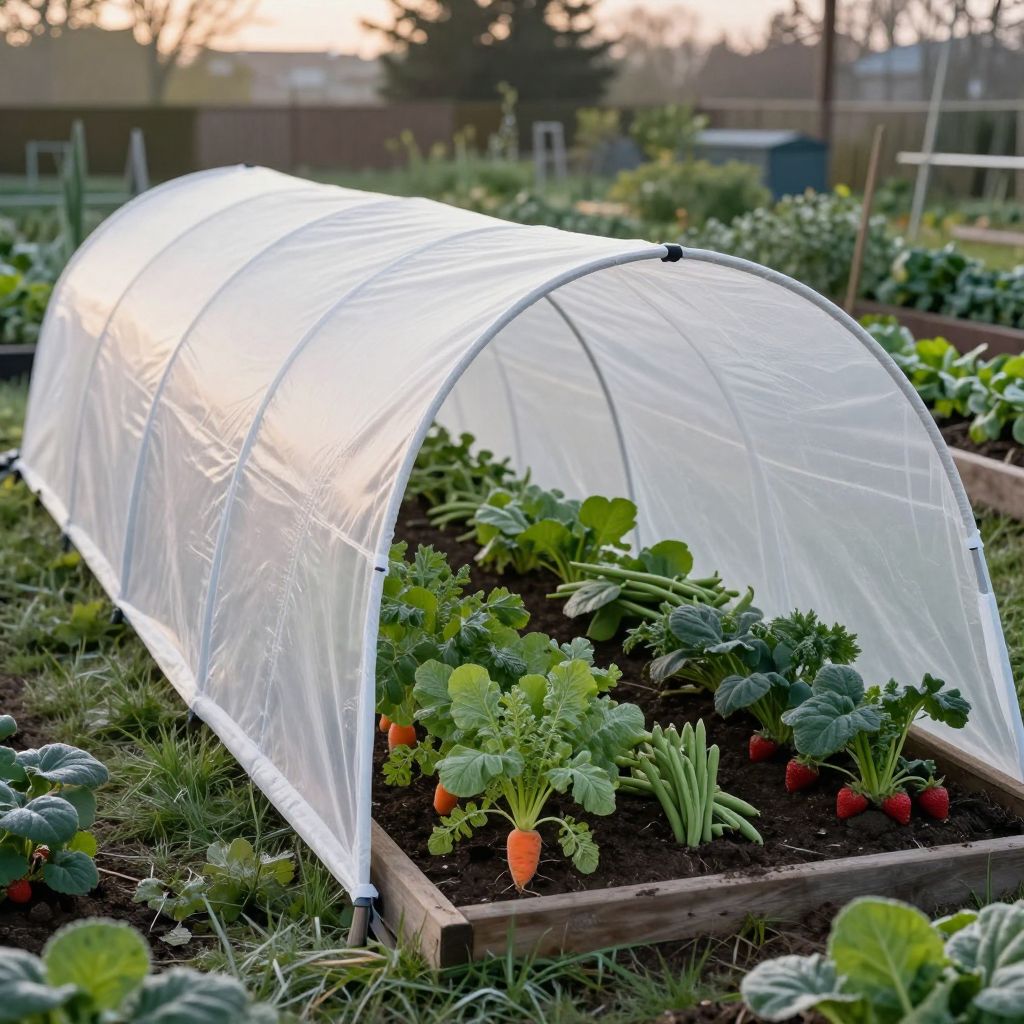
Choose lightweight frost cloth or garden fabric that lets in light and moisture while blocking the worst of the cold. This setup works beautifully for entire rows of carrots, greens, beans, and strawberries.
Why It Works
- Raises temperature around plants
- Protects from frost and light wind
- Stays easy to remove and reuse
This option makes sense when you want coverage for a whole bed without fussing over every single plant.
7. Move Containers To A Warmer Spot
Potted plants have one huge advantage: mobility. If a frost warning hits, you can shift containers next to a wall, under an awning, or onto a porch for extra protection.
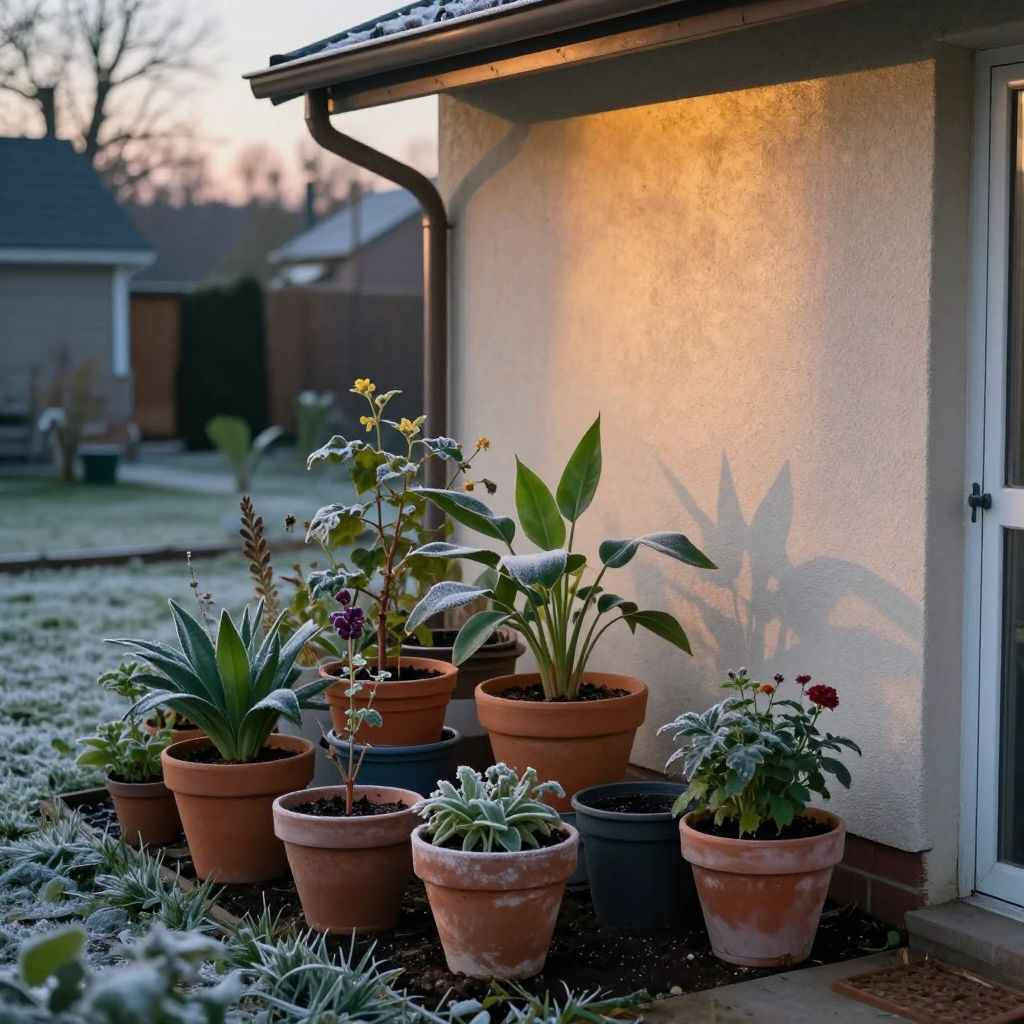
Walls release stored heat overnight, so a sheltered spot can stay noticeably warmer than the open yard. IMO, this is one of the easiest wins in the whole garden.
Bring the pots in only when needed, and group them together so they create a little shared microclimate.
8. Add Water-Filled Jugs For Heat Storage
Water heats up slowly during the day and releases warmth at night, which makes it a sneaky little frost shield. Fill dark-colored jugs or milk containers and place them near cold-sensitive plants.
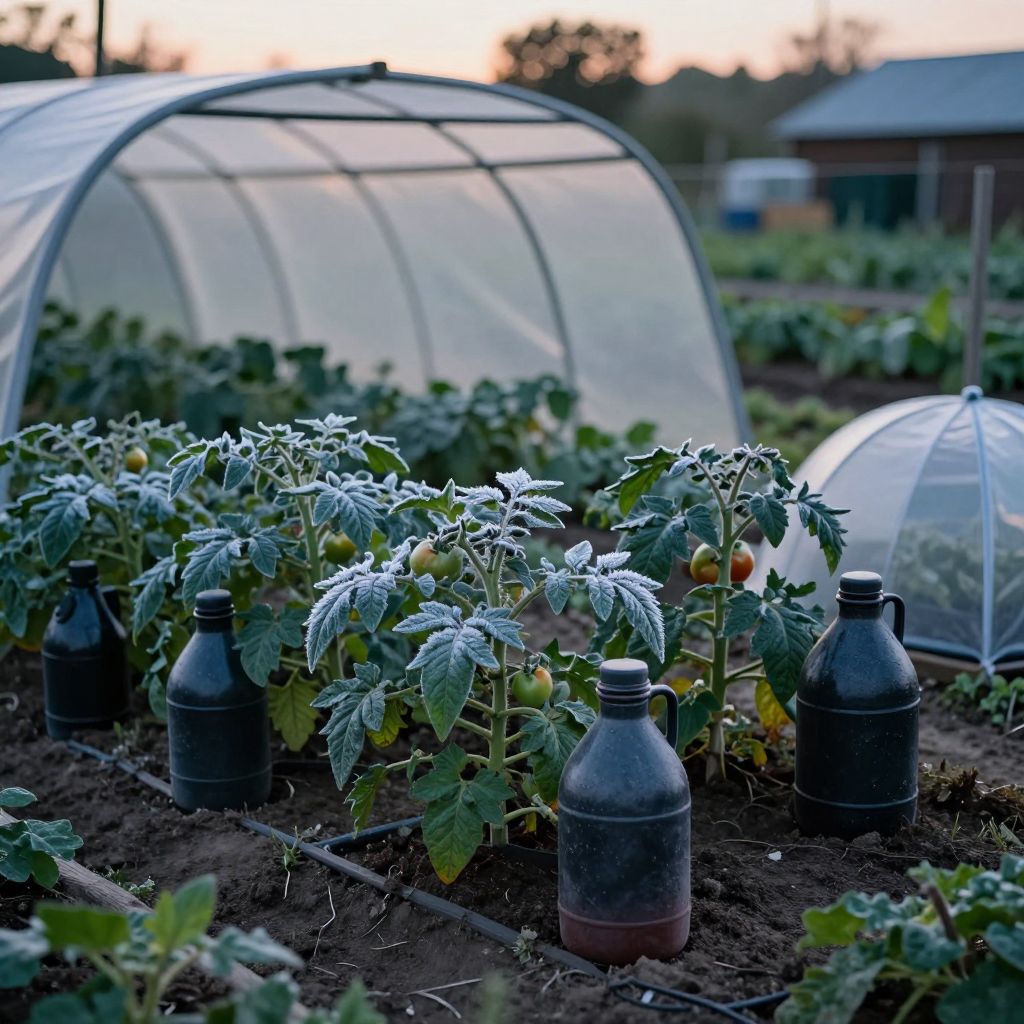
Put them inside a covered tunnel or around a sheltered bed so they can help hold the temperature steady. The effect may feel modest, but every degree counts when spring nights try to mess with your tomatoes.
This trick pairs especially well with row covers and cloches.
9. Use Frost Cloth For Delicate Crops
Frost cloth gives you a more polished version of the old-sheet trick. It weighs less, handles moisture better, and often offers stronger protection without smothering plants.
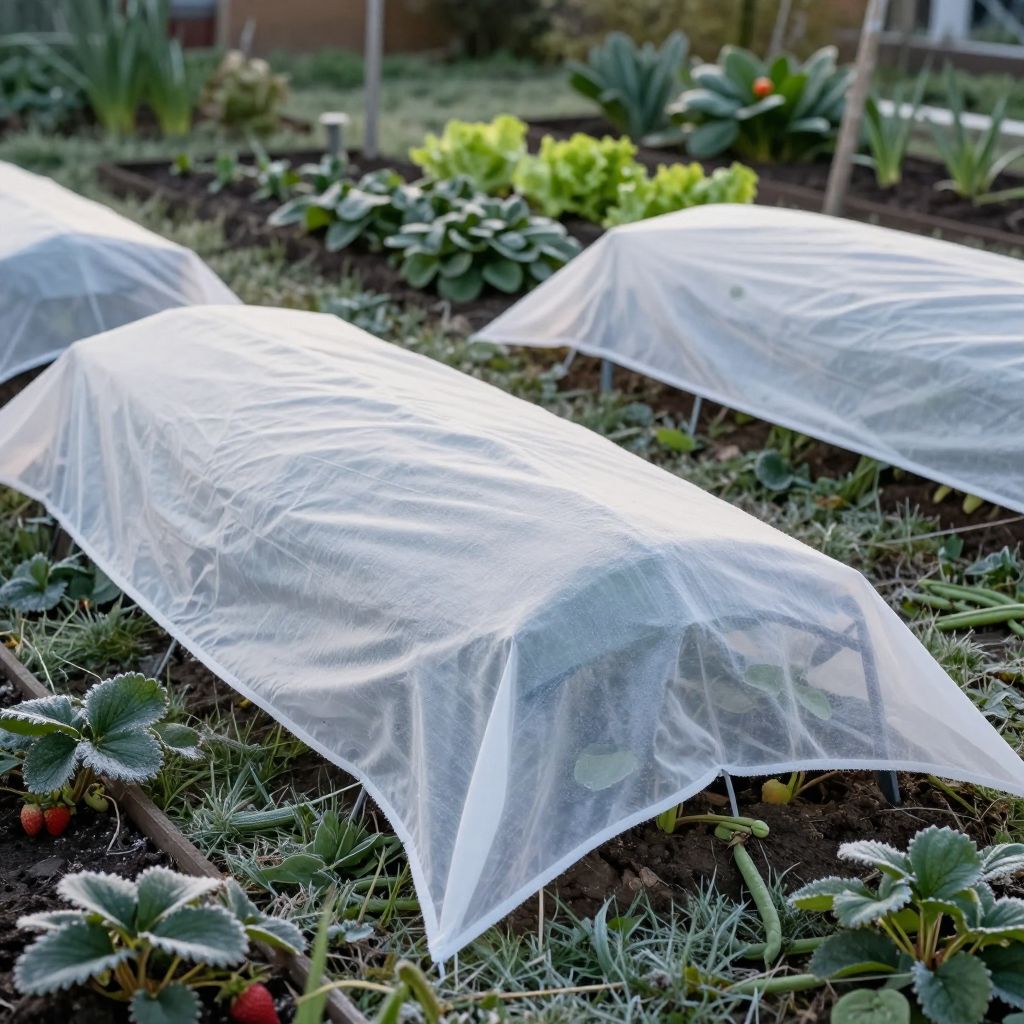
Lay it directly over crops or over hoops for extra air space. You can use it for strawberries, lettuce, spinach, beans, and young transplants that hate cold surprises.
Pro Move
- Buy enough fabric to drape to the ground
- Choose a breathable, reusable material
- Store it dry so it lasts longer
This is a smart pick when you want a reusable option that still feels simple and low-stress.
10. Cover The Ground With Heat-Loving Objects
Dark stones, bricks, and even garden paving can soak up daytime heat and release it after sunset. That extra warmth can help nearby plants avoid the sharpest chill.
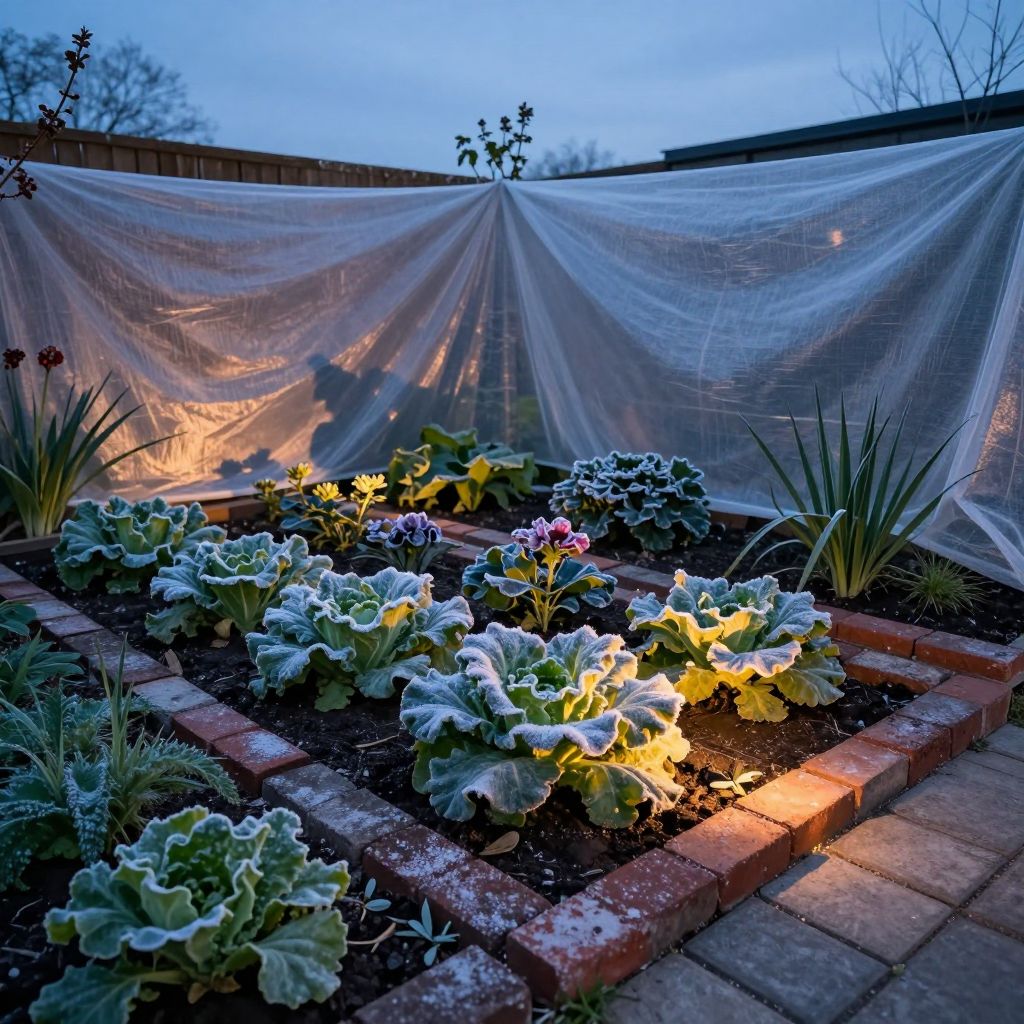
Place heat-holding objects near beds, especially around southern exposures or protected corners. Trust me, this does not replace a real cover, but it adds another layer of defense for free.
This works best as a bonus strategy alongside fabric covers or mulch.
11. Check Forecasts And Cover Early
Timing matters more than people think. If you wait until frost settles in, your plants already lose the battle, so get covers on before sunset when the air still holds some warmth.

Watch local weather apps, not just the daily high and low. Spring can drop fast, and a clear night often brings colder conditions than a cloudy one, because nature enjoys being extra.
This habit costs nothing, saves time, and turns all your other frost protection ideas into something actually effective.
Spring nights do not have to bully your garden into surrendering. Try a few of these ideas, mix and match when the forecast gets weird, and keep your plants safe long enough to enjoy the season.
Once you build a simple frost plan, those chilly nights stop feeling like emergencies. Your garden gets a better shot, and you get to sleep without worrying about your poor basil like it’s family.