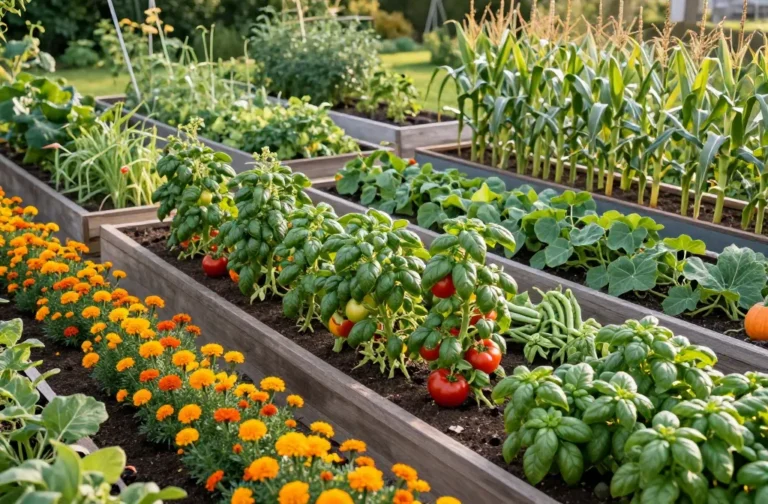
Genius Tips for 16 Best Ground Cover Plants to Replace Bare Spots in Your Yard
Bare patches in your yard? Consider them officially canceled. These ground covers spread quickly, smother weeds, and turn scruffy soil into lush green carpets without demanding diva-level care. From sunbaked slopes to shady corners, you’ll find a plant here that thrives where grass gives up. Ready to cover ground—literally?
1. Creeping Thyme: The Fragrant Foot-Traffic Champ
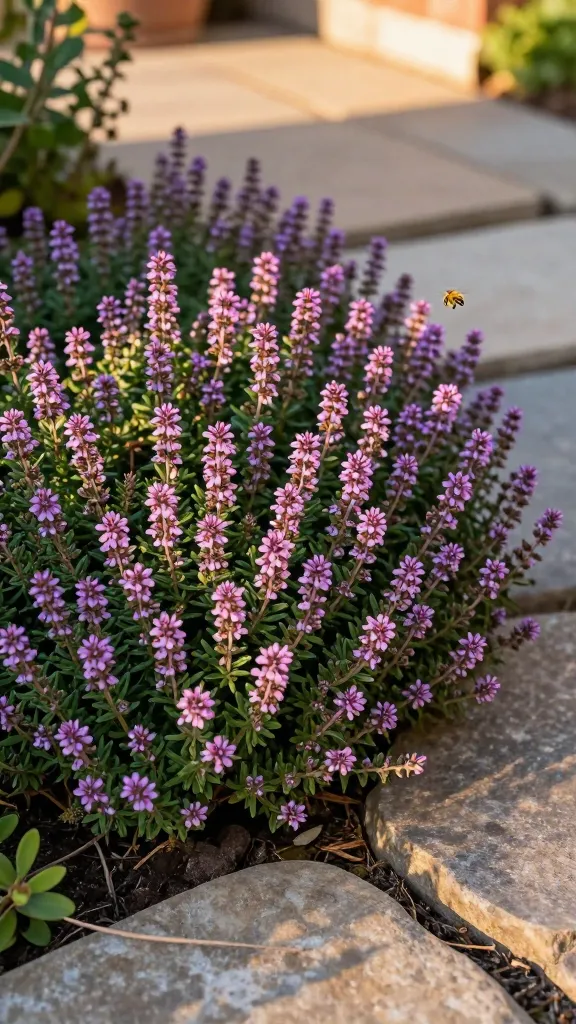
Creeping thyme blankets sunny spaces with tiny leaves and purple-pink blooms that bees adore. It laughs at poor soil, handles light foot traffic, and smells amazing when you brush past. Bonus: it stays short and tidy.
Why It Rocks
- Drought tolerant once established
- Blooms in late spring to early summer
- Great between stepping stones
Use it to soften hard edges along paths and patios. You’ll get color, fragrance, and fewer weeds—seriously, what’s not to love?
2. Irish Moss: The Cushy, Emerald Carpet
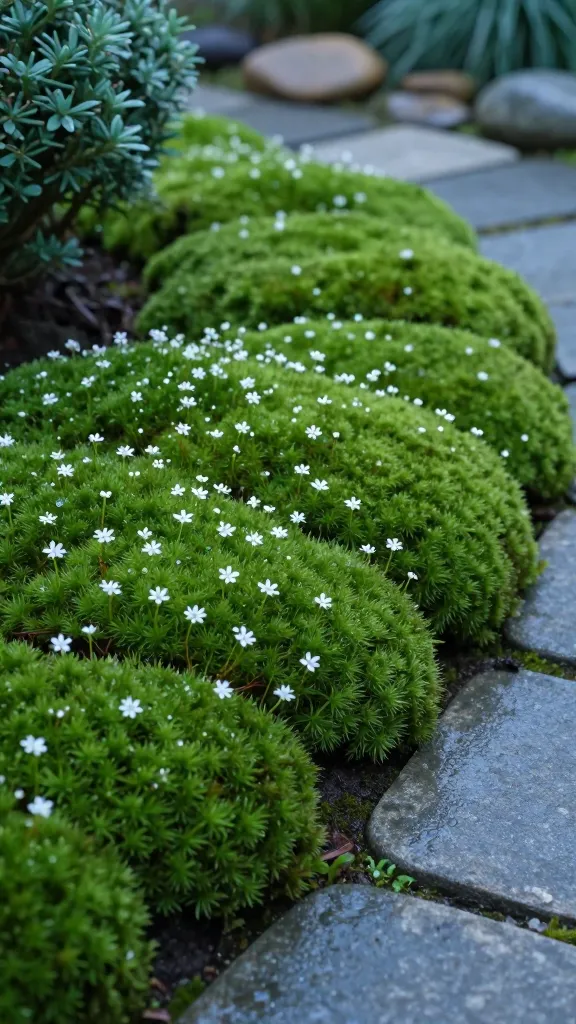
Want that storybook, plush-green look? Irish moss spreads into a dense, velvety mat with tiny starry flowers. It prefers cooler climates and regular moisture, so think morning dew vibes, not desert grit.
Tips
- Plant in partial sun to light shade
- Keep soil consistently moist (but not soggy)
- Great for rock gardens and between pavers
Perfect when you crave a soft, uniform look around stones or in tidy borders. Treat it lovingly and it’ll flex.
3. Creeping Jenny (Lysimachia nummularia): The Chartreuse Showoff
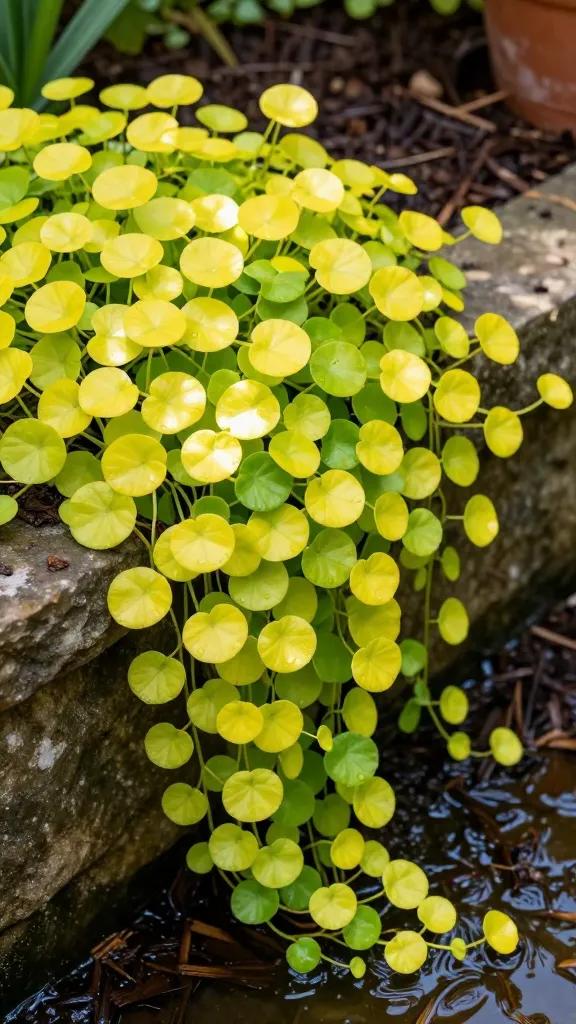
This one cascades like living neon. Creeping Jenny forms bright, trailing mats that pop against dark mulch and shady corners. It spreads fast—like, blink-and-it’s-everywhere fast—so place it wisely.
Key Points
- Thrives in partial shade to full sun (color is brightest in sun)
- Loves moisture—great near water features
- Control the edges or use containers to corral
Use it to spill over walls or fill tricky low spots. You’ll get instant drama with minimal fuss.
4. Blue Star Creeper: Tiny Leaves, Big Impact
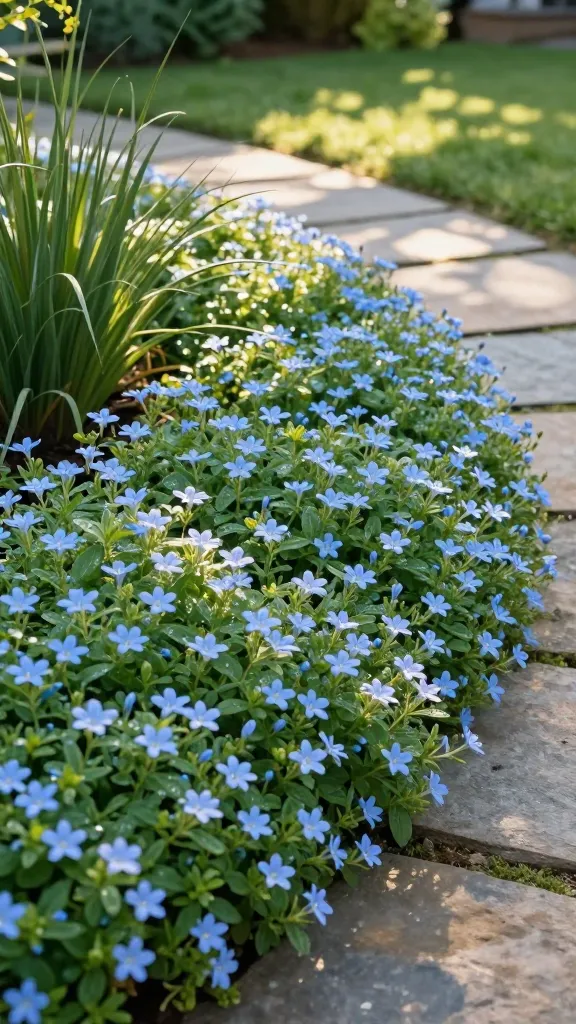
Blue star creeper sprinkles dainty blue flowers across a dense, flat mat. It tolerates light foot traffic, which makes it a fantastic lawn-alternative in high-visibility areas.
Best Uses
- Between flagstones and stepping paths
- Full sun to part shade
- Moderate water to keep growth even
Choose this when you want a fine-textured, “finished” look without constant mowing or drama.
5. Ajuga (Bugleweed): The Bold, Weed-Smothering Beauty
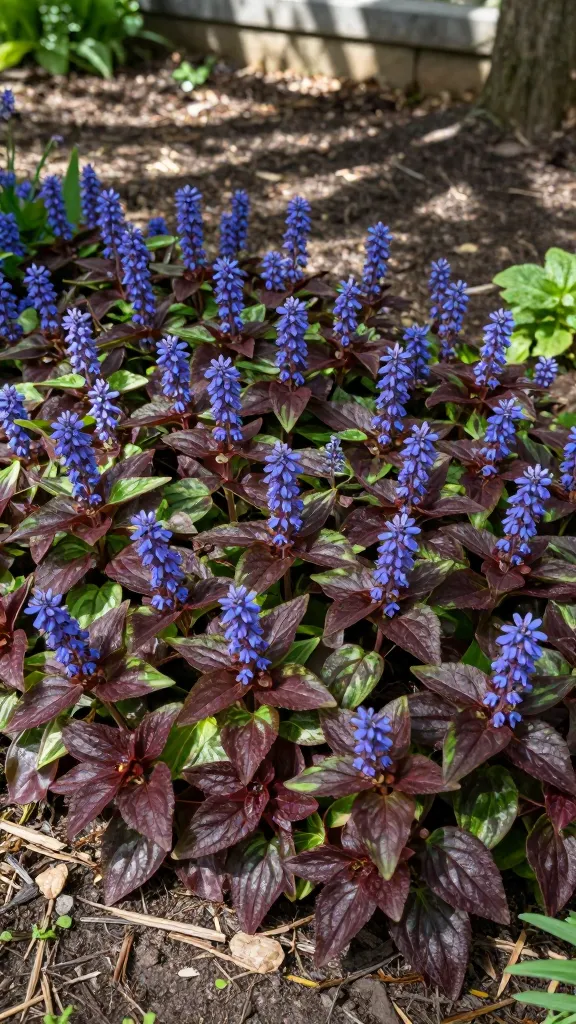
Ajuga brings glossy leaves in burgundy, chocolate, or variegated tones and spikes of blue flowers in spring. It forms thick mats that outcompete weeds like a bouncer at a VIP lounge.
Why Gardeners Love It
- Fast spreader in part shade
- Handles clay and average soils
- Attracts pollinators
Use it under trees or along foundations for texture and lush color. Keep an eye on it around smaller perennials—it can overwhelm shy neighbors.
6. Sedum ‘Angelina’: The Sun-Loving, Citrus-Tinted Succulent
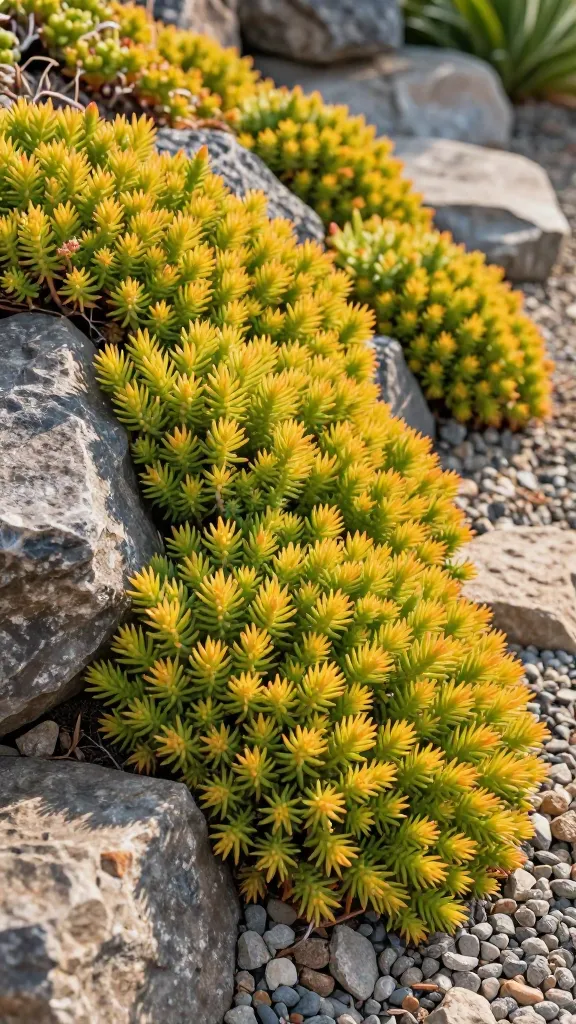
Meet the low grower that thrives on neglect. ‘Angelina’ forms golden-green mats that turn orange in cool weather, adding year-round interest.
Tips For Success
- Full sun and sharp drainage
- Great on slopes and rock gardens
- Cut back lightly to refresh in spring
Ideal for hot spots where other plants sulk. It’s tough, colorful, and unfazed by drought—IMO, a must-have.
7. Pachysandra: The Classic Shade Carpet
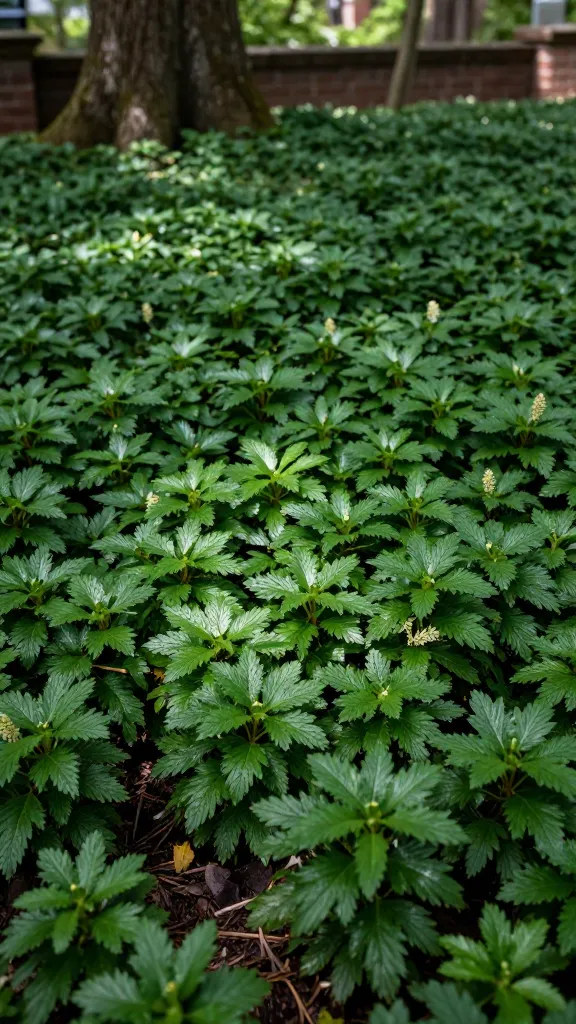
Pachysandra delivers a clean, evergreen mat in deep shade where grass refuses to play. It’s tidy, reliable, and low maintenance once established.
Good To Know
- Prefers full to partial shade
- Likes moist, well-drained soil
- Space for air flow to prevent disease
Great under large trees and along shady foundation beds. When you want evergreen polish without babysitting, go pachysandra.
8. Corsican Mint: Tiny, Aromatic, And Adorable
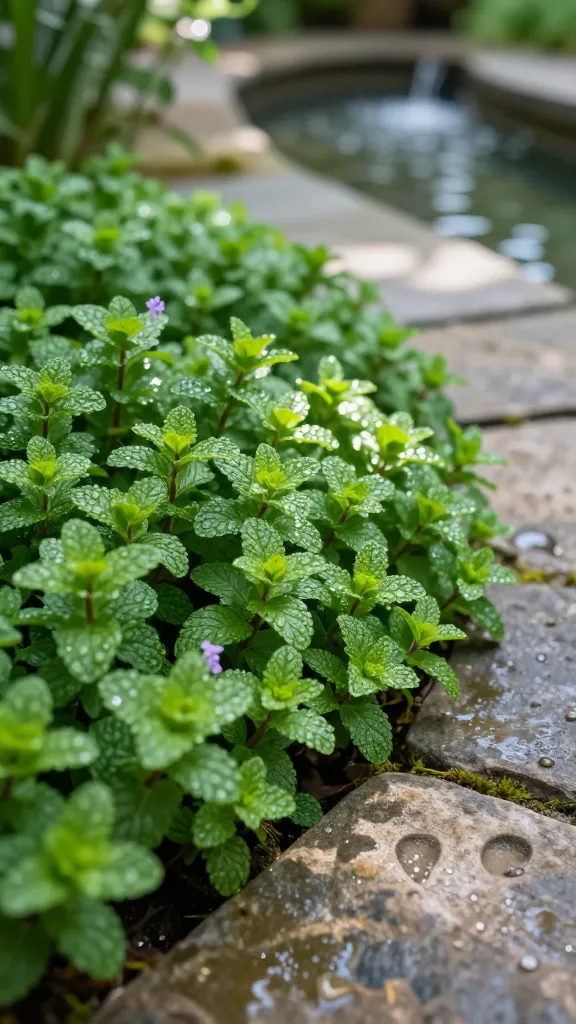
Small but mighty, Corsican mint forms miniature mats that release minty fragrance when stepped on. It shines in cool, moist spots and looks insanely cute between stones.
Placement
- Part shade is best; avoid scorching sun
- Needs consistent moisture
- Not great for heavy foot traffic
Use it where you want a sensory surprise—by steps, near seating, or around water features. Your nose will thank you.
9. Lamium (Dead Nettle): The Silver-Leafed Shade Lifter
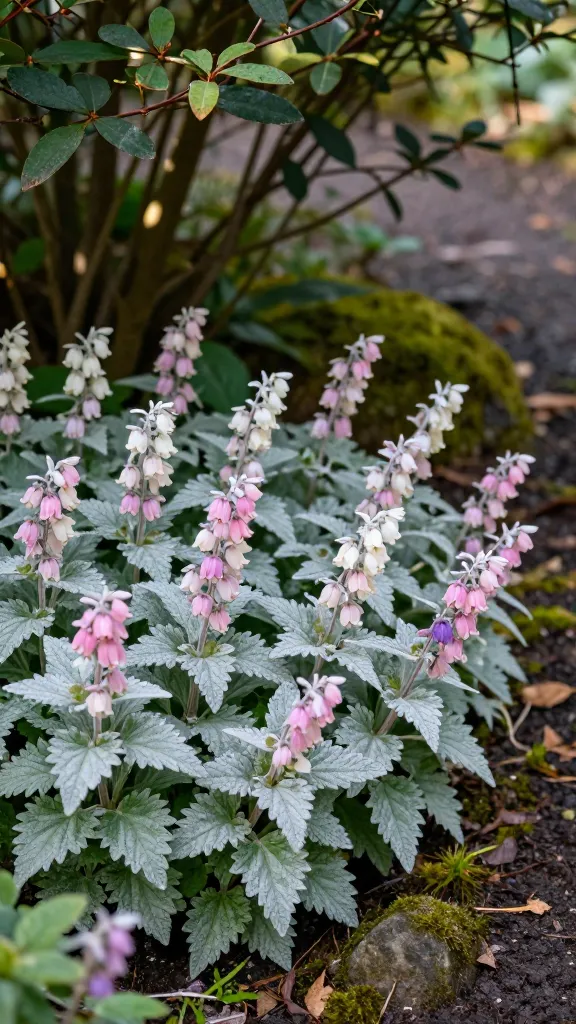
Lamium lights up dim corners with silver-variegated leaves and pink, white, or purple flowers. It spreads quickly but stays manageable with occasional trims.
Why It Works
- Thrives in partial to full shade
- Tolerates average soils
- Blooms through spring and early summer
Perfect as a living mulch under shrubs or along woodland paths. It brightens shade without begging for attention—seriously low effort.
10. Mondo Grass (Ophiopogon): The Textured, Tidy Edger
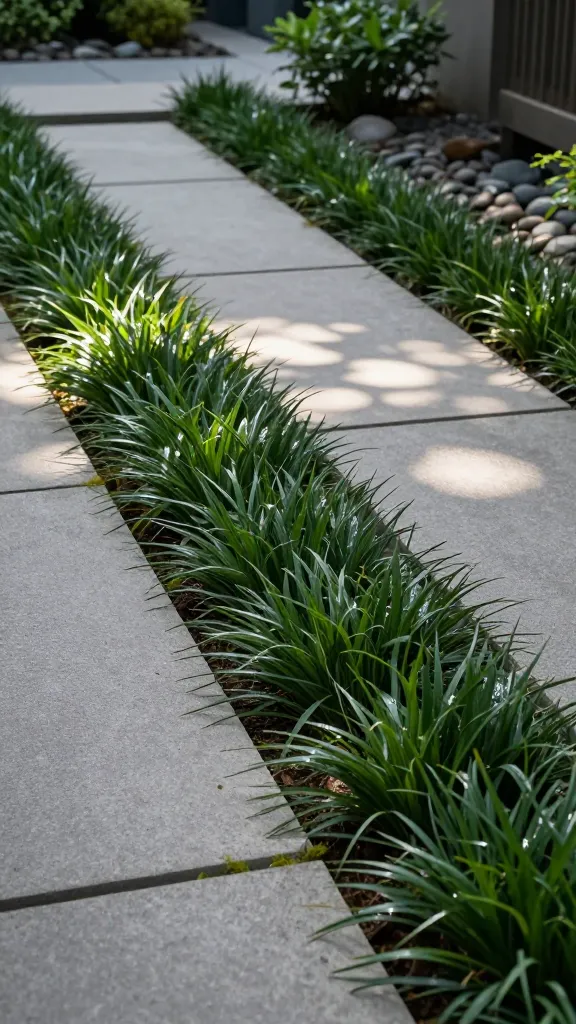
For a sleek, architectural look, try mondo grass. The dwarf types create dense, fountain-like tufts that knit together into a slow-growing ground cover.
Best Uses
- Part shade to shade
- Great border or between pavers
- Evergreen in many climates
Use for clean lines around beds or to frame stepping stones. It’s neat, durable, and stays put—no chaos, just calm.
11. Sweet Woodruff: The Whimsical Shade Spreader
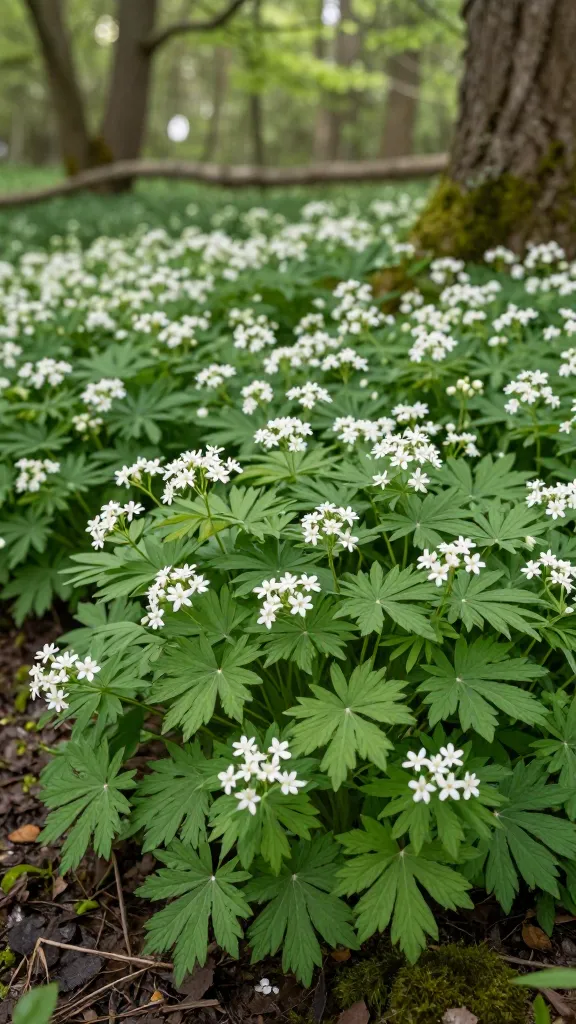
Sweet woodruff brings feathery leaves and delicate white flowers with a light, sweet scent. It thrives in woodland-style beds and fills gaps quickly.
Care Notes
- Shade to part shade
- Likes moist, humus-rich soil
- May go dormant in heat, then bounce back
Pick this for under trees and in naturalized areas. It looks dreamy and handles itself without drama—trust me, it’s a keeper.
12. Vinca Minor (Periwinkle): Evergreen And Effortless
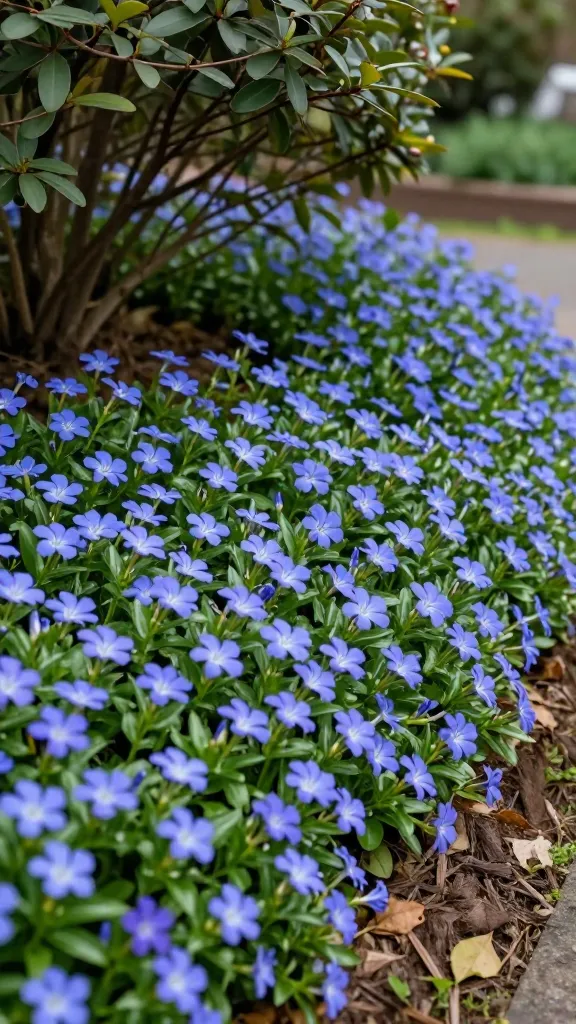
Vinca minor flaunts glossy leaves and cheerful blue-violet blooms in spring. It’s a classic for a reason: tough, adaptable, and evergreen in many zones.
Pros
- Part shade to shade
- Drought tolerant once established
- Excellent erosion control
Ideal for slopes, banks, and beneath shrubs. Use it where you need long-term coverage with minimal upkeep.
13. Snow-in-Summer (Cerastium tomentosum): The Silver-and-White Show
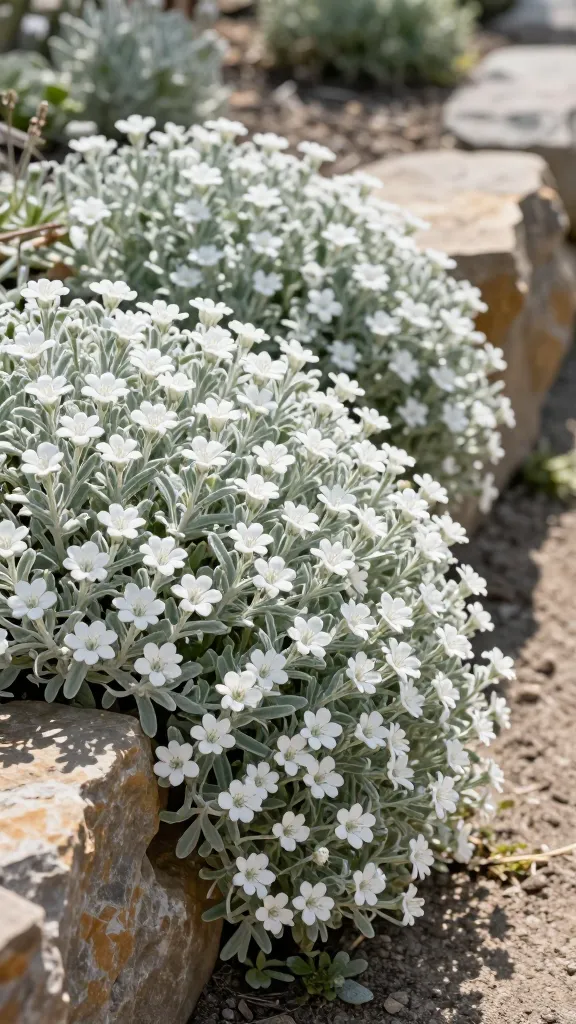
Silvery foliage plus clouds of white flowers in late spring? Yes, please. Snow-in-summer spreads fast across sunny, dry spots and looks crisp all season.
Growing Conditions
- Full sun and well-drained soil
- Shear after bloom to keep tight
- Great for rock walls and hot edges
Use it to brighten borders and cascade over stones. It’s the glam ground cover for tough, sunny real estate.
14. Bearberry (Arctostaphylos uva-ursi): The Native, Wildlife-Friendly Evergreen
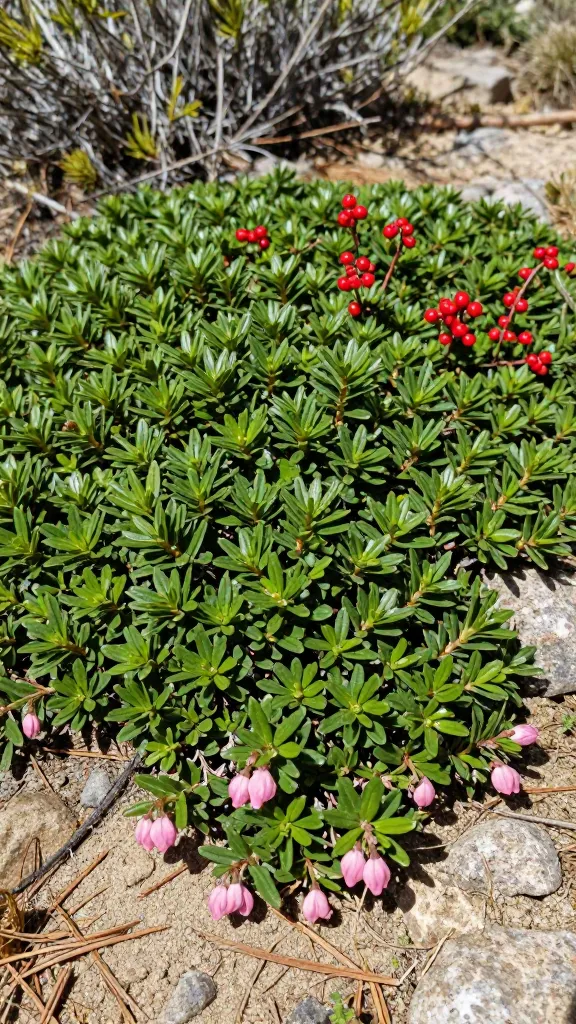
Bearberry forms low, glossy mats with pink spring flowers and red berries that wildlife love. It excels in poor, sandy soils and harsh conditions.
Why Choose It
- Full sun preferred
- Excellent for erosion control
- Low water needs once established
Great for dry slopes and native-focused landscapes. You’ll get year-round structure and serious toughness.
15. Creeping Phlox (Phlox subulata): The Spring Color Explosion
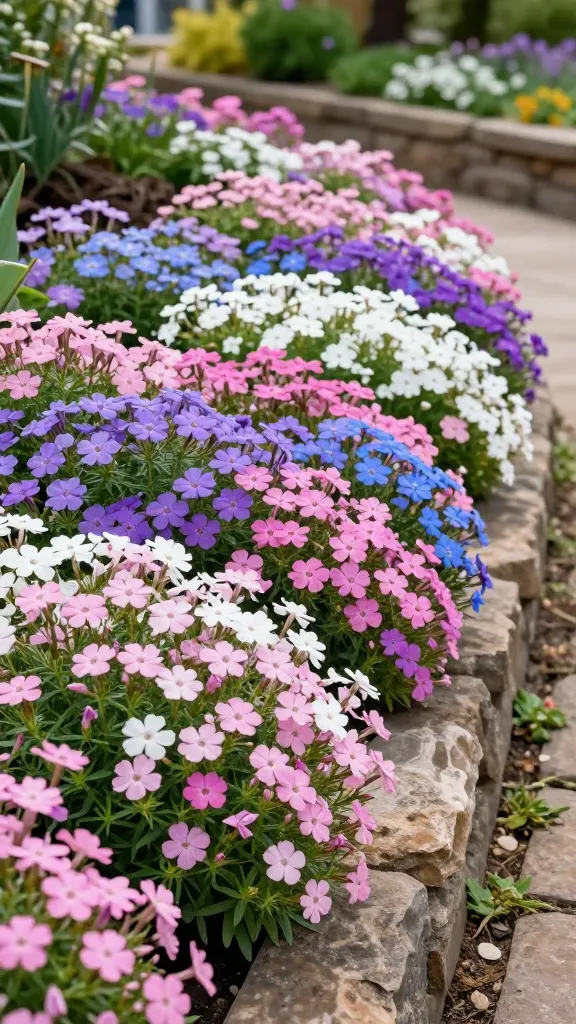
When this phlox blooms, it looks like someone rolled out a floral carpet. It hugs the ground and covers slopes with pink, purple, white, or blue clouds in spring.
Quick Guide
- Full sun for best bloom
- Prefers well-drained soil
- Shear lightly after flowering
Plant it on banks, retaining walls, or the front of sunny borders. You’ll get spring drama and a tidy mat the rest of the year.
16. Hens and Chicks (Sempervivum): The Sculptural Survivor
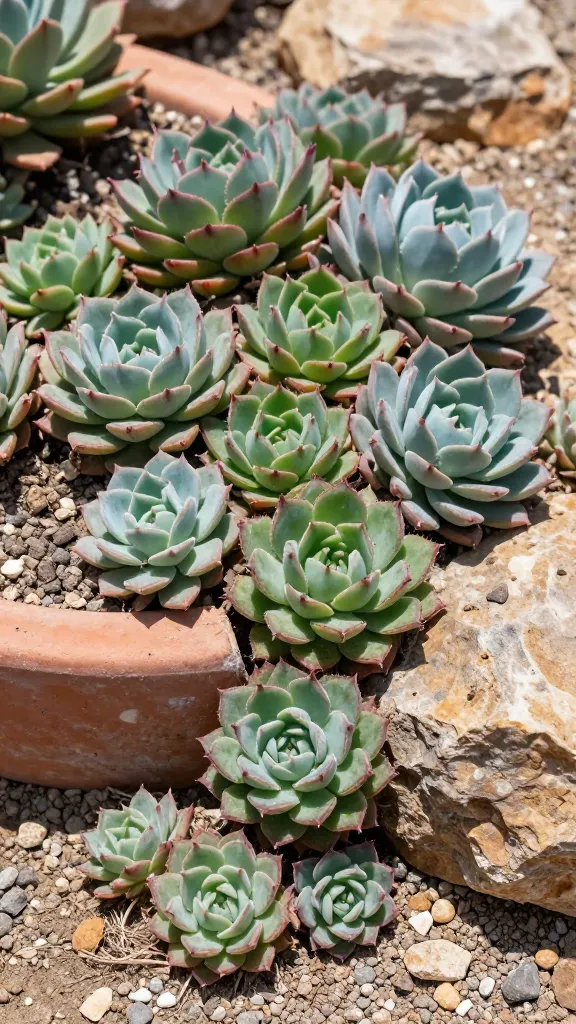
These rosette succulents multiply into tight colonies that shrug off heat, drought, and neglect. They bring sculptural texture and quirky charm to any dry spot.
Where They Shine
- Full sun and gritty soil
- Rock gardens, cracks, and containers
- Low to no supplemental water once established
Use them for zero-fuss coverage in hot, porous areas. They look cool year-round and basically take care of themselves—FYI, your future self will thank you.
Ready to retire the mud patches and mulch avalanches? Pick a couple of these ground covers, match them to your light and soil, and let them do their thing. Your yard will look intentional, lush, and way less needy—seriously, weekend-you just won the lottery.