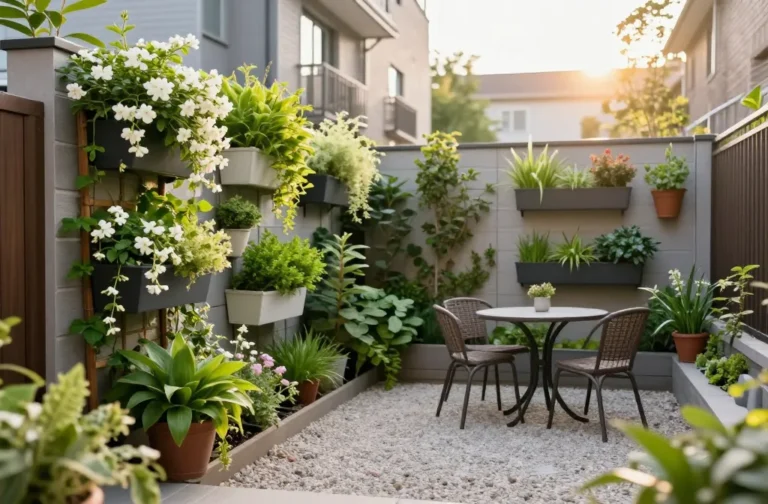
How to Make Clay Soil Better for Flowers and Vegetables Fast
Clay soil feels like gardening with wet cement, right? Heavy, sticky, and stubborn—like it has a personal vendetta against your shovel. But here’s the good news: you can absolutely turn that dense slab into a flower-and-veggie paradise. With a few smart tweaks, clay can go from plant prison to nutrient-rich, water-wise powerhouse. Let’s make it happen.
Why Clay Soil Isn’t the Villain You Think
Clay isn’t “bad” soil—it’s just high-maintenance. Those tiny particles hold nutrients like champs and keep moisture around longer. The problem? poor drainage, compaction, and slow warming in spring. Plants suffocate. Roots give up. You cry a little.
The fix isn’t magic. You just need to improve structure, add organic matter, and quit doing the stuff that makes clay worse. IMO, clay has huge potential once you stop fighting it and start shaping it.
Start with a Quick Reality Check: Test Your Soil
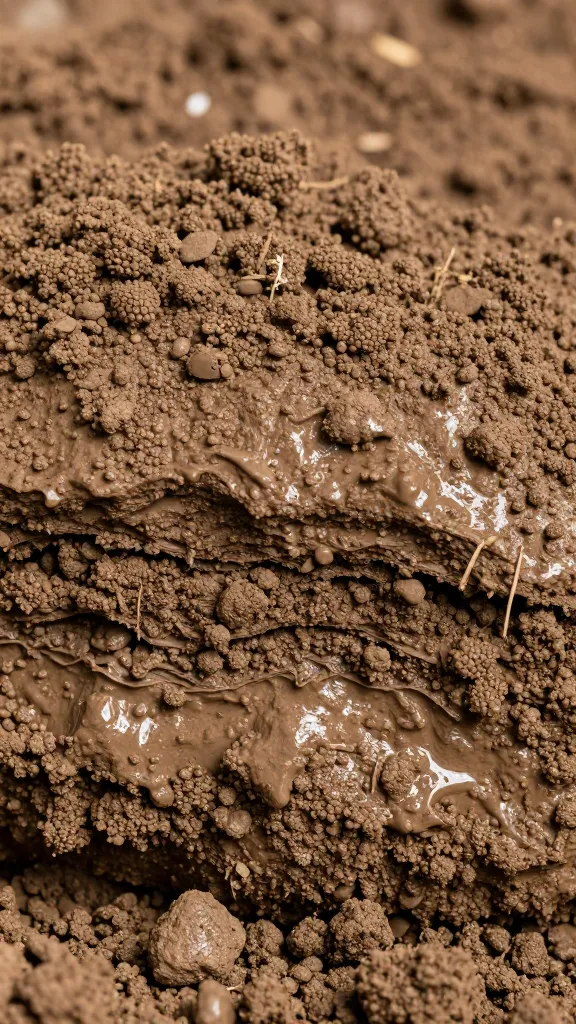
You can’t fix what you don’t understand. Test your soil so you know what you’re dealing with.
At-Home Clues
- Do the squeeze test: roll damp soil into a ribbon. If it stretches long and smooth, congrats—definitely clay-heavy.
- Check drainage: dig a 12-inch hole, fill with water, let it drain, then refill. If it takes more than 4 hours to disappear, you’ve got drainage issues.
Lab or Kit Test
- Use a soil test kit or send a sample to your local extension office.
- Look for pH, nutrient levels, and organic matter. Clay often runs alkaline and still needs organic matter, FYI.
The Organic Matter Makeover (The Real Secret Sauce)
If you remember one thing, remember this: add organic matter. It loosens clay, feeds microbes, improves drainage, and boosts fertility. It’s the glow-up your soil dreams about.
What to Add
- Compost: your #1 fix. Aim for 2–3 inches spread over beds twice a year.
- Leaf mold: black gold for structure and moisture balance.
- Well-rotted manure: add in fall or early spring. Avoid fresh—unless you enjoy burning roots.
- Aged wood chips (as mulch): keep on top; avoid mixing fresh chips into soil.
How to Add It (Without Making a Mess)
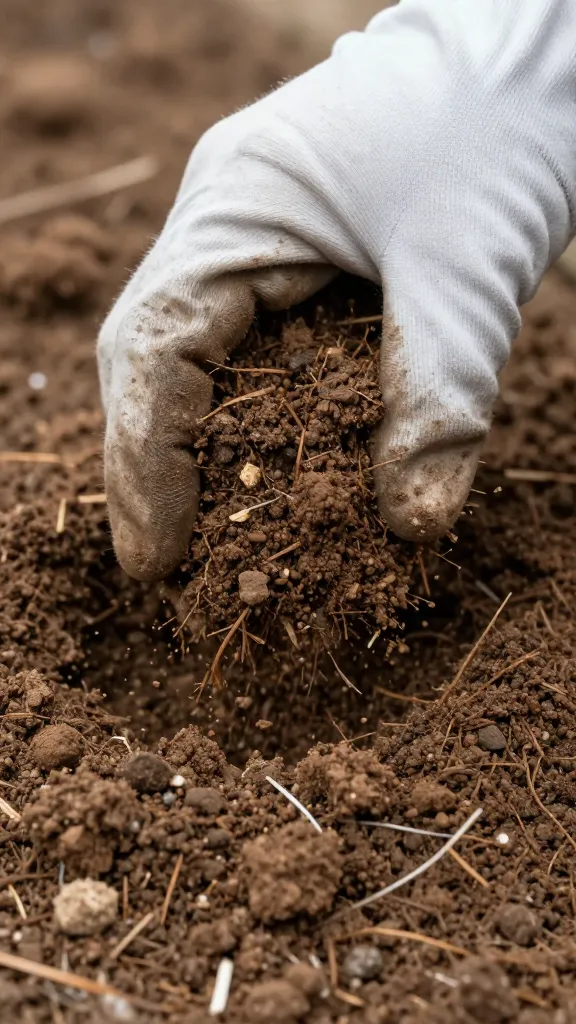
- Spread 2–3 inches of compost on top and lightly mix into the top 4–6 inches. No need to dig to Australia.
- Top-dress annually. Clay improves with repetition, not one heroic weekend.
- Plant and mulch. Let worms do the heavy lifting for you.
Stop Over-Tilling and Step Away from the Bed
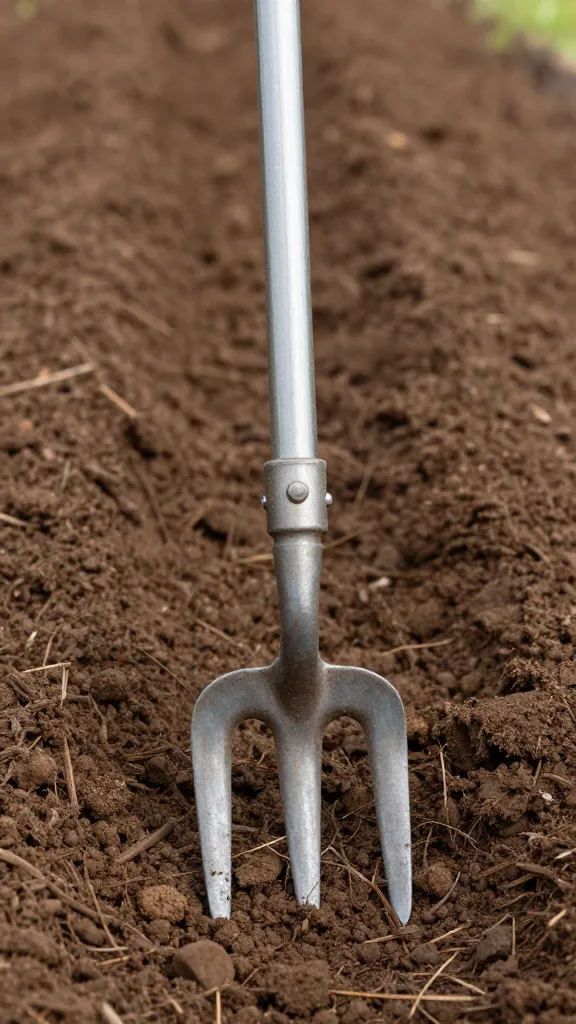
Clay compacts easily. You till it wet? You make bricks. You walk on beds? You make pancakes (the bad kind).
Better Practices
- Don’t work wet soil. Wait until a squeezed handful crumbles instead of smearing.
- Use permanent paths. Keep your weight off growing areas.
- Consider no-dig: add compost on top, mulch, and let biology loosen things naturally. IMO, it’s lower effort and higher payoff.
Boost Drainage with Smart Additions (And Avoid the Myths)
People love adding sand. Please don’t. Clay + sand = concrete. We’re making gardens, not sidewalks.
What Actually Helps
- Organic matter (yes, again): the best long-term fix.
- Gypsum (calcium sulfate): helps flocculate clay particles in sodic or high-sodium soils. If your test shows sodium issues, gypsum can help structure without changing pH.
- Gritty amendments like pine fines or small bark pieces: improve texture without turning your bed into mortar.
What to Skip
- Sand (unless you add ridiculous amounts—like 50%—which is… not happening).
- Peat moss as the main fix: it’s acidic, dries out hard, and isn’t a structural hero here. Small amounts are fine, but don’t rely on it.
Use Raised Beds and Mulch Like You Mean It
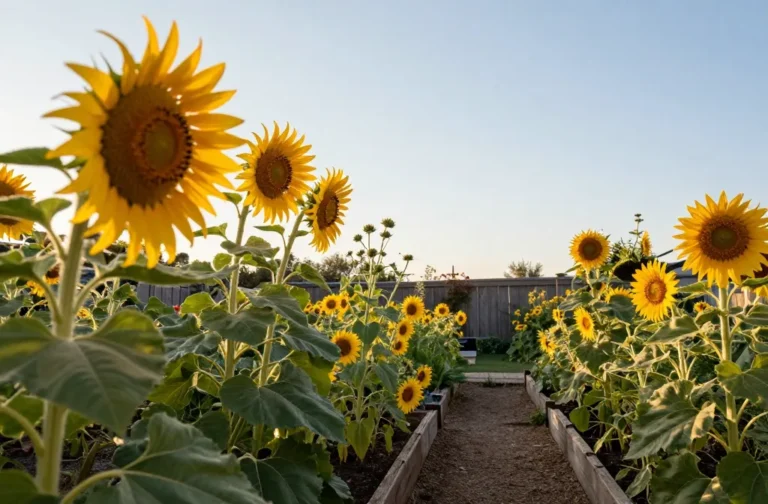
Want faster wins? Go up. Raised beds help drainage and warm faster in spring. Fill them with a 50/50 mix of compost and quality topsoil or a good veggie mix. Then mulch everything.
Mulch Rules
- 2–3 inches of shredded leaves, straw (seed-free), or compost as mulch.
- Keep mulch a couple inches away from stems to avoid rot.
- Mulch breaks down, feeds soil life, and reduces compaction from rain. Triple win.
Plant Allies: Roots That Do the Hard Work
Some plants literally drill through clay and make it better for the next crop. Deep roots crack compaction and add organic matter as they decompose.
Great Choices
- Cover crops: daikon radish, crimson clover, winter rye, annual ryegrass.
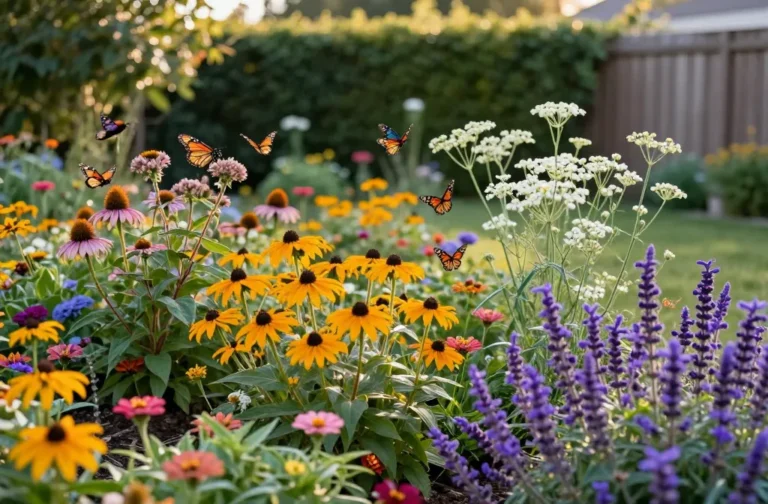
- Tap-rooted ornamentals: echinacea, rudbeckia, yarrow.
- Veggies that tolerate clay: kale, chard, pumpkins, beans, and tomatoes (with compost help).
How to Use Cover Crops
- Fall: sow rye + clover mix after harvest.
- Late winter/early spring: chop and drop, then plant into the residue.
- Daikon: sow late summer; let roots bust the soil, then winter kills them. Instant air channels.
Watering and Fertilizing: Different Rules for Clay
Clay holds moisture longer, so you can water less frequently—but more carefully. Overwatering turns beds into swamps and roots into mush. Fun!
Watering Tips
- Water deeply, less often: once or twice a week, depending on weather.
- Use soaker hoses or drip to avoid surface sealing and runoff.
- Check moisture 4–6 inches down. If it’s cool and damp, wait.
Fertilizing Tips
- Start with compost and a balanced organic fertilizer.
- Clay holds nutrients well, so avoid heavy feeding. You’ll just waste product (and money).
- Re-test soil every 2–3 years and adjust.
Seasonal Game Plan (So You Don’t Burn Out)
You don’t need to fix everything this weekend. Build habits through the year.
Spring
- Top-dress 1–2 inches of compost before planting.
- Avoid working soil if it’s soggy. Walk away. Make tea.
- Install drip or soaker hoses under mulch.
Summer
- Mulch check: keep 2–3 inches.
- Spot-add compost around heavy feeders like tomatoes.
- Water deeply during heat waves; don’t mist daily.
Fall
- Spread leaves and let them break down (shred if you can).
- Plant cover crops or broadfork gently to relieve compaction without flipping soil layers.
- Add manure now so it ages over winter.
Winter
- Keep beds covered (mulch or cover crops). Bare clay = compaction and nutrient loss.
- Plan raised beds or edging projects.
FAQs
Can I fix clay soil in one season?
Short answer: not fully. You’ll see improvements fast with compost and mulch, but the best changes happen over 1–3 years. The good news? Each season gets easier if you keep adding organic matter and avoid compaction.
Is gypsum a must for clay?
Not always. Gypsum helps if your soil test shows high sodium or poor aggregation. If sodium isn’t an issue, focus on compost and mulch. FYI, gypsum won’t fix drainage by itself without organic matter.
Should I add sand to clay?
Nope. Sand can turn clay into a hardpan nightmare unless you add a massive amount (like half the volume). It’s impractical and risky. Choose compost, leaf mold, and bark fines instead.
What vegetables do well in clay soil?
Kale, chard, squash, beans, and tomatoes usually adapt well—especially with compost. Root crops like carrots need looser soil, but you can grow them in raised beds or after a season of cover crops and amendments.
How thick should mulch be on clay soil?
Aim for 2–3 inches. That insulates, reduces compaction, and feeds soil as it breaks down. Keep a small gap around stems to prevent rot and pests.
Do I need raised beds to grow in clay?
You don’t need them, but they speed things up. If your yard puddles for days, raised beds save time and sanity. If drainage isn’t terrible, you can absolutely improve in-ground beds with compost and mulch.
Conclusion
Clay soil isn’t a curse—it’s just a project. Build structure with consistent organic matter, protect it with mulch, avoid compaction, and recruit cover crops and smart watering. You’ll end up with soil that feeds flowers and veggies like a pro. IMO, once clay turns the corner, it becomes one of the most rewarding soils to garden in—nutrient-rich, resilient, and totally worth the effort. Happy digging (gently).