The Secret to How to Grow Zinnias for Continuous Summer Blooms
Zinnias don’t play hard to get. Give them sun, decent soil, and a little love, and they’ll throw flowers at you all summer long. Want endless bouquets and a front yard that looks like confetti exploded? You’re in the right place. Let’s turn your garden into a zinnia factory—with nonstop blooms until frost taps out the season.
Why Zinnias Steal the Show
Zinnias bring the drama without the effort. They bloom fast, handle heat like champs, and come in every color except blue (sorry, blueberry fans). You can start them from seed with minimal fuss and still feel like a garden wizard.
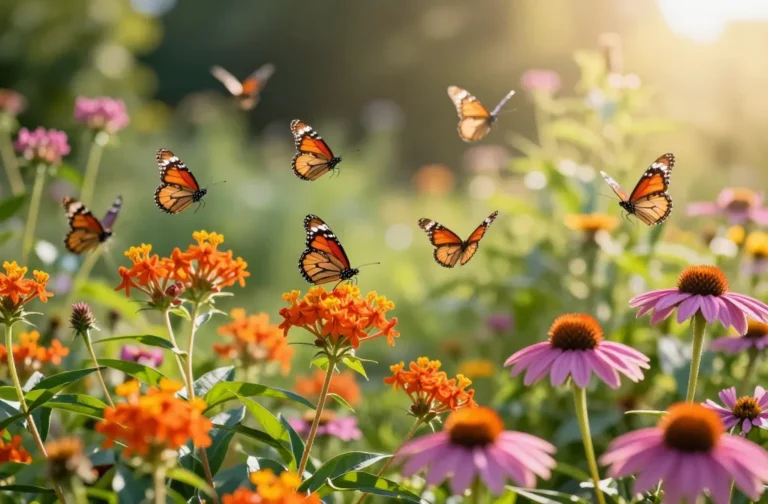
They also attract pollinators like crazy. Bees, butterflies, even the occasional hummingbird will stop by. More pollinators = more blooms. It’s the garden version of a virtuous cycle.
Pick the Right Varieties (and Mix Heights Like a Pro)
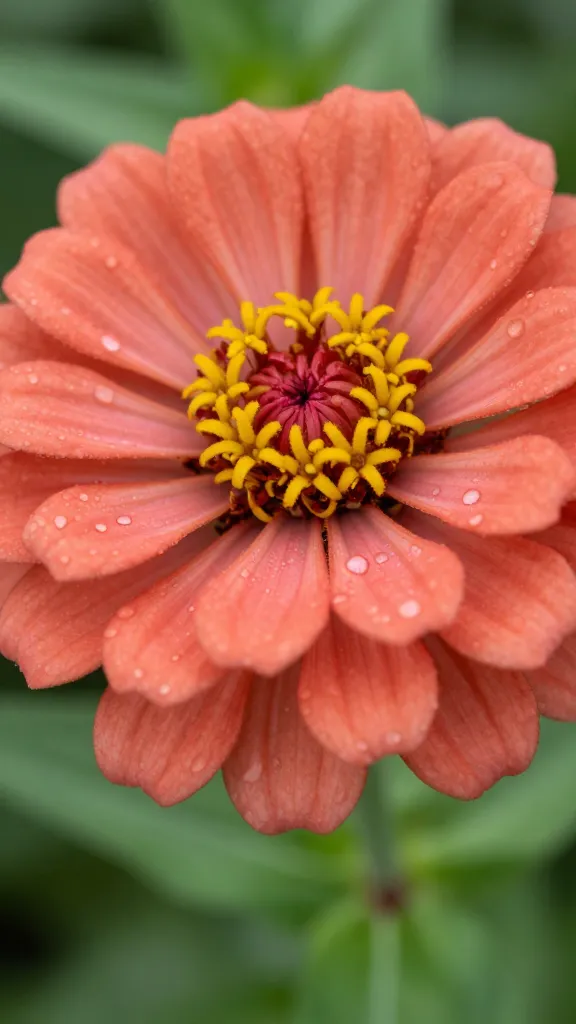
Zinnias come in heights from 6 inches to 4 feet, so choose your lineup with intention. Want borders? Go short. Want jaw-dropping cut flowers? Go tall and fluffy.
- Short (6–12″): ‘Thumbelina’, ‘Profusion’, ‘Zahara’ – Great for containers and edging; disease-resistant champs.
- Medium (18–30″): ‘State Fair’, ‘Envy’ (that wild chartreuse), ‘Queeny Lime’ series – Good middleground for beds.
- Tall (30–48″+): ‘Benary’s Giant’, ‘Uproar Rose’, ‘Oklahoma’ series – Long stems and giant heads for bouquets.
Color and Form: What Actually Matters
– Benary’s Giant gives huge, fully double blooms. Great vase life.
– Oklahoma has smaller, more numerous blooms and strong stems—less flop, more pop.
– Profusion/Zahara are hybrids that resist mildew like it’s their job. Perfect for humid summers.
IMO, mix a couple series for structure and then toss in a wild card like ‘Queeny Lime Orange’ for the “Whoa, what is that?” factor.
Start from Seed (It’s Easy, I Promise)
You can buy starts, but seeds win on cost, variety, and speed. Zinnias don’t appreciate root disturbance, so skip fancy transplants unless you handle them gently.
Direct Sowing Outdoors
– Timing: Sow after your last frost date, when soil hits ~60°F.
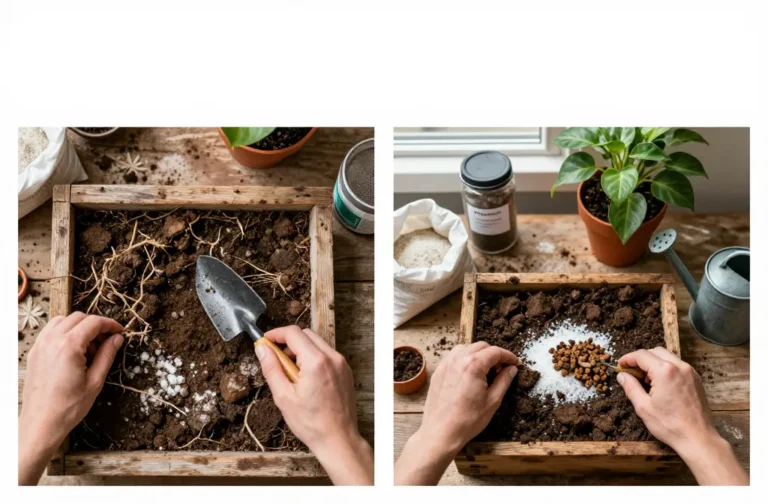
– Prep: Loosen soil 6–8 inches deep and mix in compost. Zinnias want good drainage.
– Spacing: Sow 1/4″ deep. Thin to 9–12″ apart for tall types, 6–9″ for shorties.
– Water: Keep soil consistently moist until germination (5–10 days).
Starting Indoors (for a Head Start)
– When: 3–4 weeks before last frost. Not earlier or they get leggy and cranky.
– Method: Use cell trays, sow one seed per cell, and give them bright light.
– Transplant: Move them out when nights stay above 50°F. Handle the roots carefully. Don’t bury stems deeper than they grew.
FYI: If you want continuous blooms, succession sow every 2–3 weeks until midsummer. Fresh plants = fresh flowers.
Soil, Sun, and Water: Set the Stage for Bloom Mania
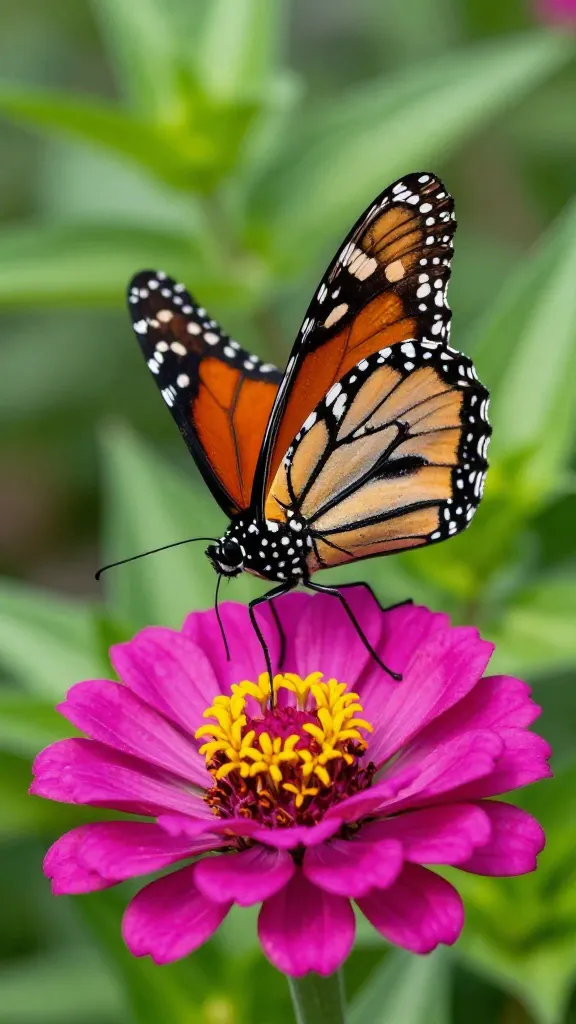
Zinnias love sun like cats love warm laundry. Give them 6–8 hours of direct sun. Shade equals fewer flowers and more disease. Hard pass.
Soil Basics That Actually Help
– Texture: Well-drained loam or sandy loam.
– pH: Slightly acidic to neutral (6.0–7.0).
– Prep: Work in 1–2 inches of compost before planting. Skip super-rich manure; it pushes leaves over blooms.
Watering Without the Drama
– Deep and infrequent: 1 inch per week, more in heat waves.
– Water at the base early in the day. Wet leaves invite powdery mildew to the party (and it never leaves).
– Mulch lightly once soil warms. Keeps roots even and weeds embarrassed.
Fertilizing for Flowers (Not Foliage)
Zinnias don’t need a buffet. Overfeeding grows giant leaves and meh flowers—nobody wants that.
– At planting: Mix a balanced organic fertilizer into the bed (something like 5-5-5).
– Midseason boost: Side-dress with compost or use a liquid bloom formula heavy on phosphorus and potassium.
– Avoid high-nitrogen feeds unless you love green bushes with zero pizzazz.
Pinch, Deadhead, Repeat: The Bloom Engine
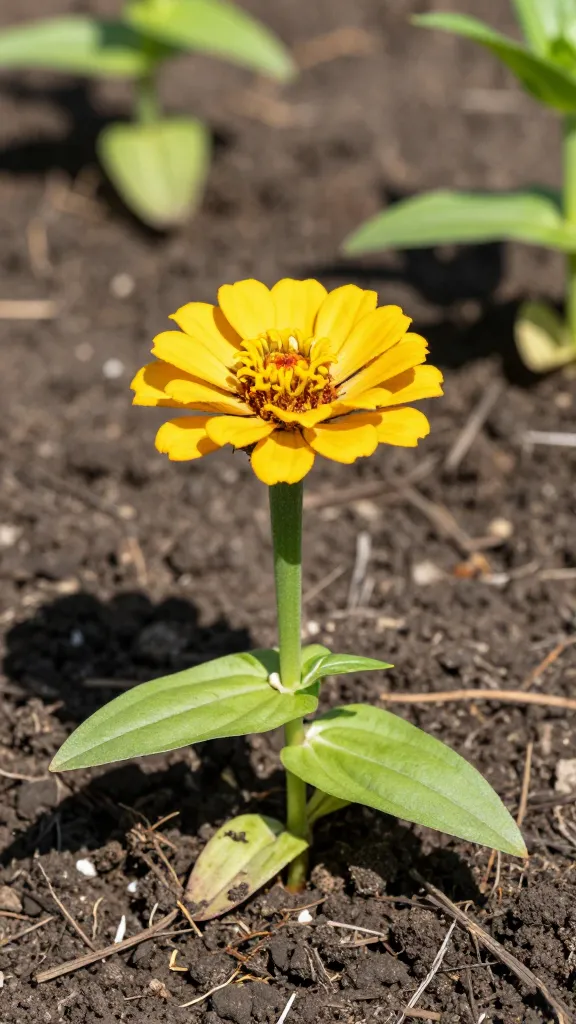
Want armloads of flowers? You control that with scissors. Well, pruners. But “scissors” sounds more relatable.
Pinching for Bushier Plants
When seedlings hit 8–12 inches, pinch the main stem back to a set of leaves. Yes, it feels wrong. Do it anyway. You’ll get multiple stems and a better show.
Deadheading for Nonstop Flowers
– Cut above a leaf pair or the next branching point.
– Harvest blooms frequently for vases—it doubles as deadheading.
– Don’t let seeds set if you want continuous blooming. Seed set says “season over” to the plant.
Pro tip: For cutting, wait until the bloom stem feels stiff. Do the “wiggle test”—if the stem flops when you shake it, give it another day.
Pests, Mildew, and Other Party Crashers
Zinnias shrug off most problems, but a few usual suspects show up. You’ve got this.
Powdery Mildew (The Classic)
White, dusty leaves? Yeah, that. It hits in late summer with humidity and cool nights.
– Prevention: Space plants for airflow, water at the base, choose resistant varieties (Profusion/Zahara).
– Management: Remove the worst leaves and keep plants fed and watered. A baking soda spray can help, but prevention beats cure.
Leafhoppers and Aphids
– Leafhoppers can spread aster yellows (weird, stunted blooms). If a plant looks distorted and limey, pull it. Sad but necessary.
– Aphids cluster on tender tips. Blast with water or use insecticidal soap. Ladybugs will do overtime if you let them.
Rabbits and Deer
Rabbits snack on seedlings. Deer sometimes sample blooms like picky toddlers. Use row cover early, or spritz repellents. IMO, a short fence beats chasing wildlife at dusk.
Extend the Show: Succession and Smart Harvesting
For a season-long parade, don’t rely on one planting. Stagger sowings every 2–3 weeks until midsummer. Your later rounds will hit peak when the first batch gets tired.
Harvest Like a Florist
– Cut early morning for best vase life.
– Strip leaves that fall below the water line (rot is not chic).
– Use clean shears and a clean vase.
– Change water daily and recut stems every two days.
Zinnias usually last 5–7 days in a vase. The ‘Benary’s Giant’ and ‘Oklahoma’ series stretch even longer. Translation: free indoor color on repeat.
Design Moves That Look Effortless
You want lush. You also want to see your walkway. Balance matters.
- Layer heights: Short in front, medium in the middle, giants in back. Basic, effective, foolproof.
- Color strategy: Go hot (reds, oranges, fuchsias) for a sunset vibe or cool (limes, whites, lilacs) for a calmer palette. Mix if chaos sparks joy.
- Companions: Pair with cosmos, basil (great filler and pollinator magnet), salvia, or dusty miller for contrast.
- Containers: Use dwarf zinnias in big pots with thriller-spiller-filler combos. They’ll out-bloom your porch neighbors, guaranteed.
FAQ
Can I grow zinnias in partial shade?
You can, but they’ll sulk. Zinnias want full sun for best blooms and strong stems. In shade, expect fewer flowers and more disease issues. If shade is non-negotiable, pick mildew-resistant varieties and space them extra well.
How do I keep zinnias blooming until frost?
Deadhead constantly, feed lightly midseason, and succession sow. Water deeply during heat waves. When the first planting gets tired or mildewy, pull the worst plants and let your later rounds carry the show.
Why do my zinnias get powdery mildew every year?
Dense planting, overhead watering, and humid nights set the stage. Space plants, water soil not leaves, and switch to resistant varieties like Profusion or Zahara. Start strong with morning sun and good airflow.
Do zinnias self-seed?
Yes, if you let flowers dry on the plant. You’ll find random volunteers next year. Cute, but not always the colors you wanted. If you prefer control, deadhead and collect seeds yourself from the best plants.
What’s the best way to collect zinnia seeds?
Let a few blooms dry on the plant until papery and brown. Snip, pull apart the disk, and keep the arrow-shaped seeds. Label by variety (future you will thank you). Store in a cool, dry spot and plant next spring.
Are zinnias good for pollinators?
Absolutely. Single and semi-double types offer easier access to pollen and nectar. That said, even the fluffy doubles attract plenty once they open up. Your garden will hum—literally.
Conclusion
Zinnias reward the basics: sun, space, steady water, and regular deadheading. Mix varieties, pinch early, and sow in waves, and you’ll drown in color from June to frost. They’re simple, joyful, and a little addictive—so don’t blame me when your veggie bed “accidentally” turns into a zinnia farm.