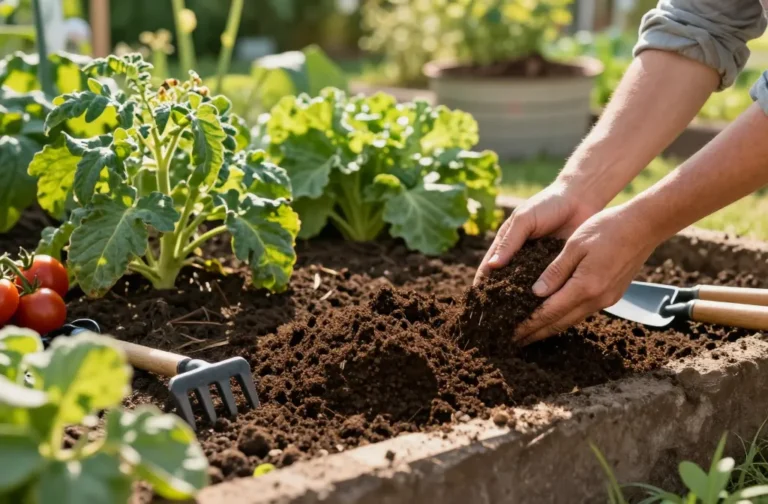
The Secret to How to Keep Potted Plants Alive in Hot Weather
Hot weather hits, and suddenly your potted plants look like they’re auditioning for a wilted salad. Heat dries soil fast, scorches leaves, and turns planters into tiny ovens. The good news? You can absolutely keep your container jungle alive (and even thriving) with a few smart moves. Let’s fix the flop and help your plants chill out.
Know Your Plant’s Heat Personality
Not all plants hate heat. Some love a sunbaked patio; others faint at noon. Figure out what you’ve got before you set a watering schedule or move pots around.
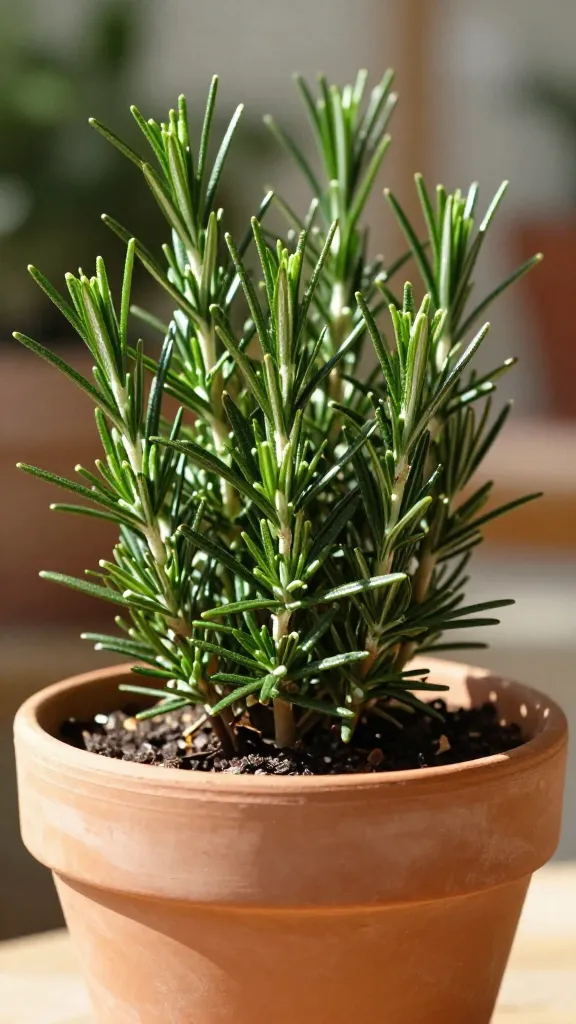
- Sun-lovers: Rosemary, lantana, portulaca, bougainvillea, succulents. These can handle direct sun, thinner soils, and less frequent watering.
- Partial-shade crew: Ferns, impatiens, begonias, coleus, peace lilies. Give them filtered light or morning sun only.
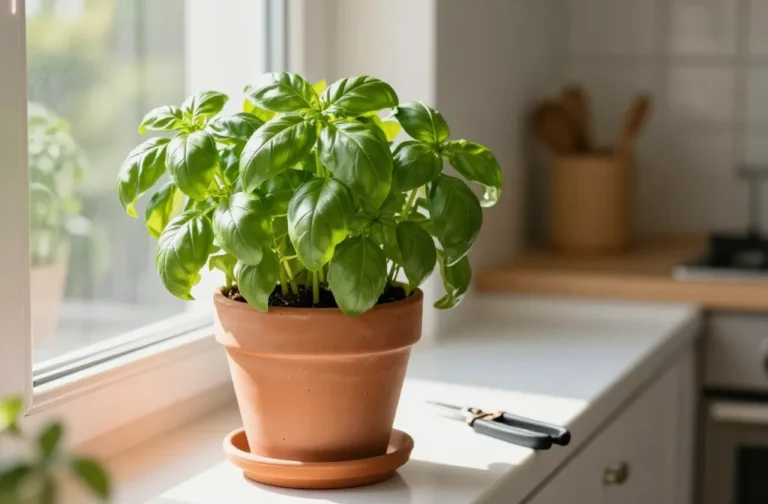
- Thirst monsters: Tomatoes, basil, mint, hydrangeas. They drink like it’s happy hour every day in July.
Quick label check
If you don’t remember what you planted (relatable), look at leaf texture. Thick, waxy, or small leaves usually tolerate heat better. Big, thin leaves burn faster and lose water quicker.
Water Smart, Not Constant
Most people underwater or overwater in heat. The trick? Time it right and water deeply.
- Water early morning. Beat the sun so the plant absorbs water before the day turns to lava. Evening works too if you keep foliage dry.
- Water deeply, less often. Soak until water runs out the bottom. Shallow sips create weak, surface-level roots.
- Check, don’t guess. Stick your finger two inches into the soil. Dry? Water. Damp? Leave it.
- Use the dunk method for crispy pots. Submerge the entire pot in a bucket until bubbles stop. It rescues hydrophobic (water-repelling) soil.
Signs you’re overdoing it
Wilting plus constantly wet soil equals overwatering. Yellowing leaves that drop off? Same story. Let the top inch dry before watering again.
Upgrade Your Pot and Soil Game
Your container and potting mix can make or break summer survival. Think of them like AC and good insulation for roots.
- Choose bigger pots. Larger volume means slower drying, especially in terracotta. Tiny pots cook fast.
- Use quality potting mix. Look for mixes with peat or coco coir, perlite, and composted bark. They hold moisture but still drain well.
- Add water-holding boosters. Mix in compost or coco coir for better moisture retention. IMO, skip water crystals—they get weird over time.
- Avoid black pots in full sun. They absorb heat like a skillet. Light-colored containers stay cooler.
Terracotta vs. plastic vs. ceramic
– Terracotta: Breathable, pretty, dries fast. Great for succulents; risky for thirsty plants in heat.
– Plastic/resin: Lightweight, holds moisture longer, budget-friendly.
– Glazed ceramic: Looks great, insulates well, heavier (so less likely to blow over).
Mulch the Top (Yes, in Containers)
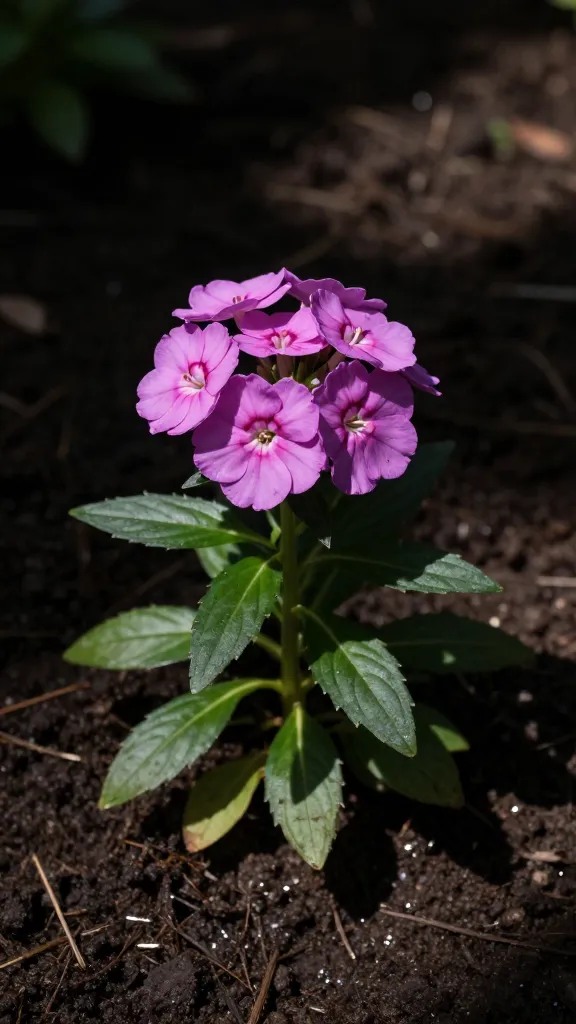
Mulch isn’t just for garden beds. A thin layer on potting soil keeps roots cool and reduces evaporation.
- Use light, breathable mulch: Shredded bark, straw, cocoa hulls, or even decorative pebbles.
- Keep it 1–2 inches max. Don’t smother the plant. Leave a small gap around stems.
- Bonus: Mulch looks tidy and stops soil from splashing up during watering.
Move Them Like a Pro: Shade and Airflow
Plants in pots give you one superpower: mobility. When the forecast screams heatwave, adjust their real estate.
- Shift to morning sun, afternoon shade. East-facing spots rule on scorchers.
- Use shade cloth or a patio umbrella. Even 30–50% shade drops temps dramatically.
- Group pots together. They create a microclimate and reduce moisture loss. Plus, cute.
- Boost airflow. Elevate pots slightly with pot feet to keep roots cooler and prevent soggy bottoms.
Leaf scorch vs. thirst
Crisp brown leaf edges with plenty of soil moisture? That’s heat or sun scorch. Move the plant or filter the light instead of just adding more water.
Feed Lightly, Not Heavily
Hot weather stresses plants. Heavy feeding pushes growth they can’t support, which leads to a flop.
- Use diluted liquid fertilizer every 2–4 weeks. Half-strength works great in summer.
- Skip feeding during heatwaves. Let plants focus on survival, not bodybuilding.
- Look for slow-release granules. They feed gently over time without shocking roots.
Prune, Deadhead, and Support
A little grooming helps plants handle heat better.
- Deadhead spent flowers. You’ll reduce wasted energy and get more blooms.
- Trim leggy growth. Shorter plants lose less water and handle wind and heat better.
- Stake top-heavy pots. Wind plus dry soil equals topple city, FYI.
Set Up a Low-Maintenance Watering Backup
Going away for a long weekend? Don’t leave your plants to fend for themselves like you did that sourdough starter.
- Self-watering containers. Built-in reservoirs deliver steady moisture without swampy roots.
- Ollas or water spikes. Clay cones or spikes attached to bottles drip right at the root zone.
- DIY drip with a timer. A balcony-friendly hose and a battery timer can save an entire collection, IMO.
Emergency hack
Double-pot: place your plant (in its nursery pot) inside a slightly bigger pot lined with damp newspaper or coco coir. It insulates and extends moisture for a day or two.
Watch for Heat-Triggered Pests and Problems
Heat brings spider mites, aphids, and fungal weirdness. Catch issues early and you’ll avoid chaos.
- Check undersides of leaves. Fine webbing or stippling = spider mites. Rinse with a firm spray and follow with insecticidal soap.
- Aphids love tender growth. Blast them off with water, then treat if needed.
- Fungal spots? Improve airflow, water at soil level, and remove affected leaves.
FAQ
How often should I water potted plants in hot weather?
It depends on pot size, material, plant type, and sun exposure. As a rule, check daily and water when the top 1–2 inches feel dry. In small containers under full sun, you may water every day. In larger or shaded pots, every 2–3 days might work. Always let water run through the drainage holes.
Can I mist my plants to cool them down?
Misting helps tropicals indoors, but outside in full sun it evaporates fast and can spot leaves. For cooling, prioritize shade, mulch, and deep watering. If you mist, do it early morning so foliage dries quickly and you don’t invite fungus.
What’s the best soil mix for hot climates?
Use a high-quality potting mix with coco coir or peat for moisture retention, plus perlite for drainage. Mix in compost for nutrients and water-holding capacity. Avoid garden soil—it compacts, drains poorly, and overheats in containers.
Why do my leaves look burned even though I water regularly?
That’s likely sun scorch or heat stress, not thirst. Big, thin leaves fry fast in direct afternoon sun. Move the plant to morning light, add shade cloth, or place it behind a taller plant. Keep soil evenly moist and mulch the surface to protect roots.
Do ice cubes help keep pots cool?
Skip the ice. Sudden cold shocks roots and doesn’t deliver much water. Cool your plants by providing shade, increasing airflow, and using larger, lighter-colored pots. Deep, room-temperature watering works far better.
Is terracotta a bad idea in summer?
Not bad—just thirsty. Terracotta breathes and looks great, but it dries fast in heat. Use bigger sizes, mulch the top, and consider a plastic liner pot inside to slow evaporation. For water-hungry plants, glazed ceramic or plastic might be easier.
Conclusion
You don’t need plant superpowers to beat the heat—just good habits. Water deeply at the right time, give roots a comfy home, and tweak sun exposure when temps spike. Add a little mulch, feed lightly, and keep an eye out for pests. Do that, and your potted plants will survive summer like champs—no dramatic fainting, promise.