The Secret to How to Fix Leggy Seedlings Before Planting Them Outside
Your seedlings look like stretched-out toddlers who found your coffee? No shame. Leggy seedlings happen, even to careful growers. The good news: you can rescue them before planting outside and end up with sturdy, stocky plants. Let’s fix the noodle stems and get them ready to thrive in the real world.
First, diagnose why they went leggy
Legginess means the stems grew tall and thin while chasing better conditions. You can fix the symptoms, but solving the cause stops a repeat performance.
- Not enough light: The top culprit. Seedlings stretch if the light sits too far away or runs too weak.
- Too warm: Cozy germination temps are great, but high heat after sprouting makes stems sprint.
- Overcrowding: Seedlings shade each other and race upward to compete.
- Overwatering or rich soil: Fast, floppy growth with weak support tissues.
- No airflow: Still air = no “exercise” for stems.
Quick reality check
Ask yourself: How close is the light? Do I run lights 14–16 hours? What’s the temp after germination? Did I thin seedlings? If you just said “uhhhh,” then we found the problem.
Give them better light, like yesterday
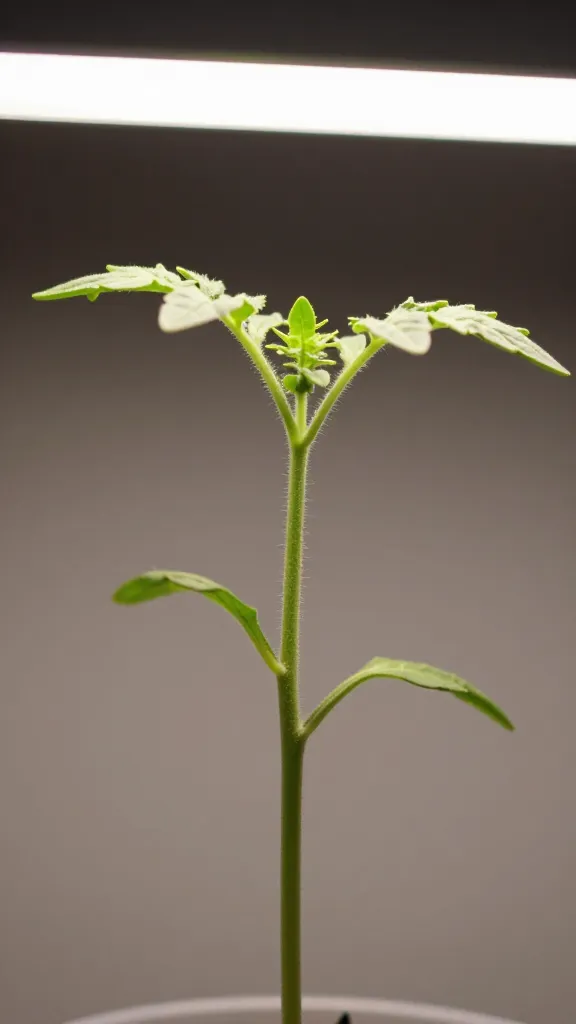
Strong light shortens internodes and tells seedlings to bulk up instead of stretch.
- Lower the light: Keep LEDs or fluorescents 2–4 inches above the canopy. If leaves feel hot, raise it an inch.
- More hours: Run 14–16 hours per day. Use a timer so you don’t forget.
- Brighter is better (within reason): If the fixture is weak, add another light or move to a sunny south window plus a lamp. FYI, windows alone rarely cut it.
- Rotate trays daily: If you use a window, turn trays so seedlings don’t lean.
How to tell it’s working
New growth appears shorter, leaves enlarge, and the color deepens. If they keep stretching, bring the light closer or upgrade the output. IMO, a decent LED grow light pays for itself in one season of zero-flop seedlings.
Cool them down (but not freeze)
Warmth triggers lanky growth. Cooler temps toughen stems.
- Target temps: 60–70°F (16–21°C) during the day, 55–65°F (13–18°C) at night for most veggies after sprouting.
- Move off heat mats: Once seeds sprout, remove bottom heat so they don’t turbo-stretch.
- Give them a breeze: A gentle fan on low helps stems thicken. No hurricane—just a steady draft.
Repot deeper to bury the stretch
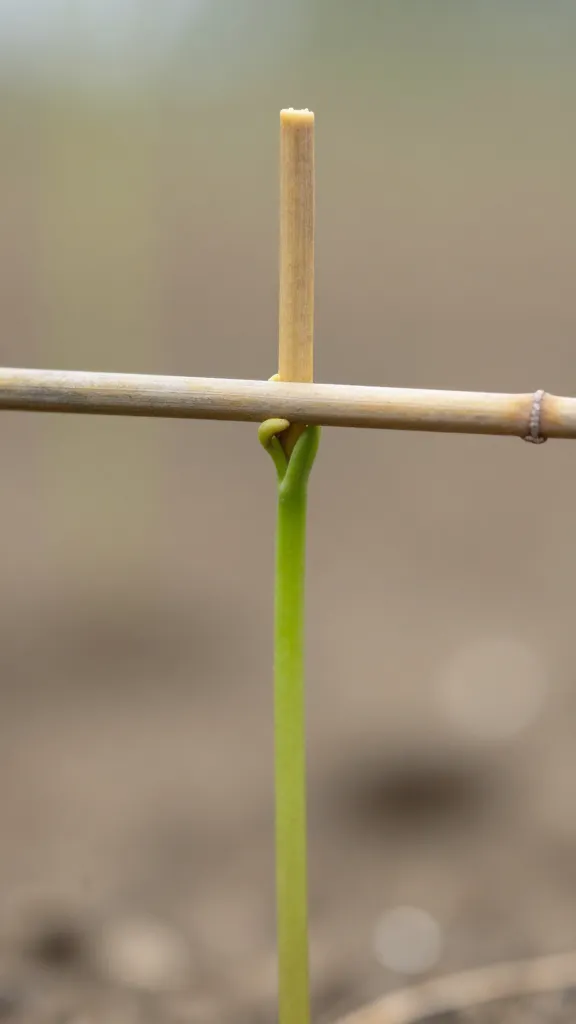
This is the superhero move for many crops, especially tomatoes.
- Tomatoes: Bury stems up to the first true leaves. They grow roots along buried stems and get stout fast.
- Peppers and eggplants: You can plant a bit deeper, but not as aggressively as tomatoes.
- Brassicas (cabbage, kale, broccoli): Plant a little deeper. They don’t root from stems like tomatoes, but extra support helps.
- Leggy herbs and flowers: Go slightly deeper, then stake gently if needed.
Step-by-step repotting
- Moisten the mix so it holds shape but doesn’t drip.
- Tease out seedlings by leaves, not stems (stems bruise easily).
- Set in a larger cell or pot. Backfill to bury part of the stem.
- Firm the mix gently so the seedling stands straight.
- Water lightly. Keep under bright light right away.
Thin and space like you mean it
Crowded seedlings compete and stretch. Yes, it hurts, but you must cull.
- One plant per cell: Snip extras at the soil line. Don’t yank—yanking disturbs roots.
- Tray spacing: Leave small gaps between pots so leaves don’t overlap and shade each other.
- Upgrade pot size if roots fill the cell: Cramped roots = stressed plants = more stretch.
Water and feed for strength, not speed
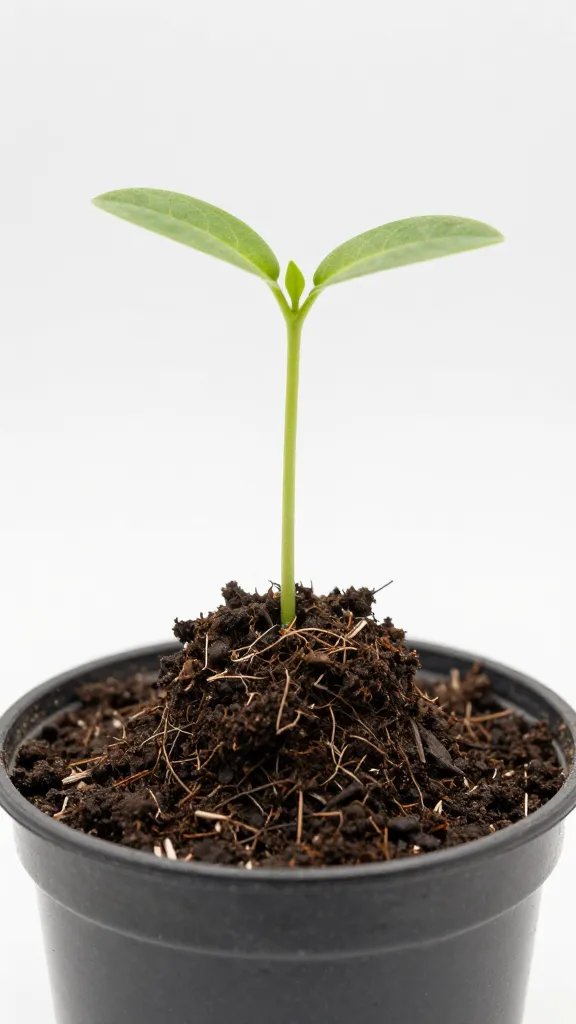
We want sturdy growth, not a sugar rush.
- Water by weight: Let the top layer dry slightly, then water thoroughly. Constant sogginess = weak stems.
- Fertilize lightly: After first true leaves, feed every 1–2 weeks at quarter to half strength. Overfeeding makes soft, floppy growth.
- Good drainage: Use a quality seed-starting mix and pots with holes. Ditch the swamp vibes.
Bonus: gentle stem training
Brush your hand over the tops once or twice a day or let the fan jiggle them. That micro-movement tells plants to thicken up. Think of it as yoga for seedlings—minus the incense.
Harden them off without drama
Before planting outside, build resilience. Leggy seedlings need this even more.
- Start 7–10 days before transplant: Day 1, give 1–2 hours of bright shade outdoors, then bring in.
- Increase exposure daily: Add an hour or two and move them toward gentle morning sun.
- Wind and temp: Gradually expose to breeze and cooler nights, but avoid temps below crop limits.
- Skip harsh midday sun at first: Work up to it, or you’ll get crispy salad seedlings.
- Water well: Containers dry fast outside. Don’t let them wilt.
Planting outside: set them up for success
You fixed the legginess indoors. Now lock in those gains.
- Plant a bit deeper where appropriate: Especially tomatoes. Angle-plant if the stem is very long.
- Firm soil around stems: Eliminate air pockets so plants don’t wobble.
- Mulch lightly: Keep moisture even and prevent surface crusting.
- Stake or cage early: Give tall or delicate seedlings immediate support.
- Shade cloth for day one or two: A piece of row cover or shade cloth reduces transplant shock. IMO, it’s a game changer on sunny weeks.
Common mistakes to avoid
- Leaving lights too high: If you guess, you’ll guess wrong. Measure that 2–4 inch gap.
- Overcompensating with fertilizer: Food doesn’t fix light problems. It only makes taller noodles.
- Skipping hardening off: Indoor divas need a training montage before the outdoors.
- Planting tomatoes like peppers: Tomatoes love deep planting. Peppers? Only a little deeper.
FAQ
Can I save extremely leggy seedlings or should I start over?
You can save most, especially tomatoes, by repotting deeper and improving light. If stems kink over and leaves look tiny and pale, consider a restart. Sometimes a fresh sowing catches up to sad seedlings and passes them, FYI.
How close should my grow light be?
Keep LEDs and fluorescents 2–4 inches above the canopy. Watch leaf temperature and growth. If leaves feel warm or edges bleach, raise the light an inch. If plants keep stretching, lower it or upgrade brightness.
Do fans really make stems stronger?
Yes. Gentle airflow triggers sturdier growth and reduces damping-off risk. Aim the fan to ruffle leaves slightly, not knock pots over. Think steady breeze, not a wind tunnel.
Is repotting deeper safe for every plant?
No. Tomatoes love it. Peppers, eggplants, brassicas, and many flowers tolerate a bit deeper. But don’t bury crown-forming plants (like lettuce) too deep or you risk rot. When in doubt, go modest.
How long does it take to see improvement?
You’ll notice sturdier new growth within a week or two after fixing light, temps, spacing, and airflow. Old stretched stems won’t shrink, but new leaves will come in closer together and thicker.
Should I pinch leggy seedlings to make them bushy?
Usually not at the tiny seedling stage. Pinching can stall growth and stress them. Focus on light, temps, and repotting first. You can pinch later on mature plants if the crop tolerates it.
Wrap-up
Leggy seedlings aren’t a failure—they’re feedback. Give them brighter, closer light, cooler temps, space to breathe, and a deeper pot, then harden them off like a pro. Do that, and those wobbly babies turn into sturdy garden champs. And if a few still look tragic? Start a fresh batch—future you will thank you when the harvest hits.