How to Harden Off Seedlings Without Damaging Them Fast
You babied those seedlings under lights, whispered sweet encouragements, and now they look ready for the big leagues. Great—except if you toss them straight outside, the sun and wind will roast, crisp, and flatten them faster than a hairdryer on spinach. The fix? Harden them off properly so they toughen up without a meltdown. Let’s walk through how to do it without drama or plant funerals.
What “Hardening Off” Actually Means
Hardening off trains indoor-grown seedlings to handle outdoor life—sun, wind, cooler temps, and real weather. Indoors, they live in plant spa conditions: gentle light, steady temps, zero wind. Outside? It’s boot camp.
The goal: build thicker leaves, stronger stems, and a stable routine so they don’t shock out or stall. Think of it as a slow, safe upgrade from “house cat” to “street-smart tiger.”
When to Start (Timing Matters More Than You Think)
Start 7–14 days before planting out. Don’t just go by the calendar; go by actual conditions and your crop.
- Soil temp: Warm-season plants (tomatoes, peppers, basil) want soil at 60°F+ (15.5°C+). Cool-season plants (lettuce, brassicas) handle cooler soil just fine.
- Night lows: Keep nights above 45–50°F (7–10°C) for tender crops. Frost in the forecast? Delay.
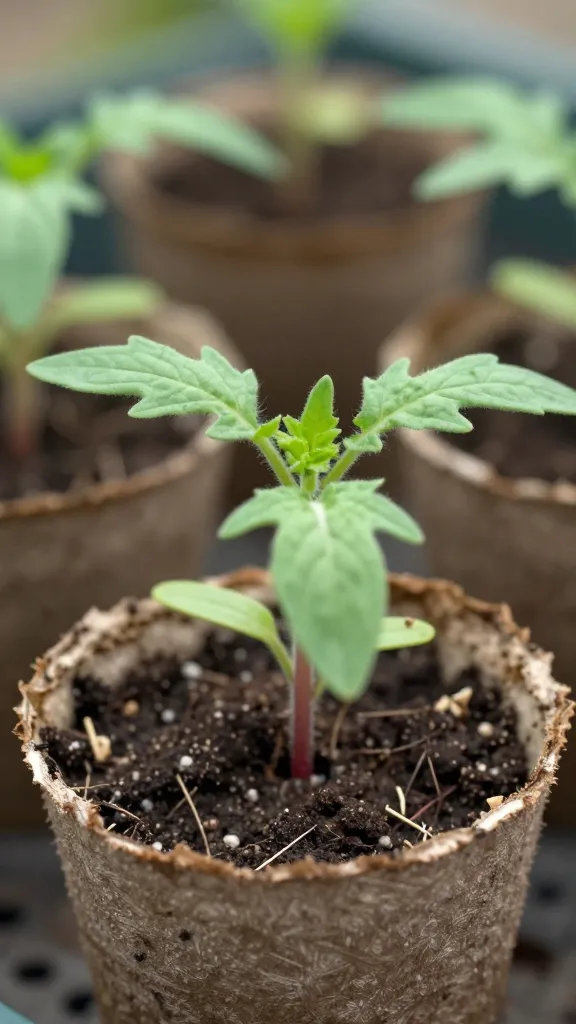
- Plant age: Seedlings should have at least 2–3 true leaves and established roots before hardening off.
FYI on Frost Dates
Use your average last frost date as a guide, not gospel. Weather swings happen. If you see a cold snap coming, pause the schedule. Plants don’t care about your spreadsheet.
Set Up a Gentle Start Zone
Your first outdoor spot matters. Don’t plop them in full sun and call it good.
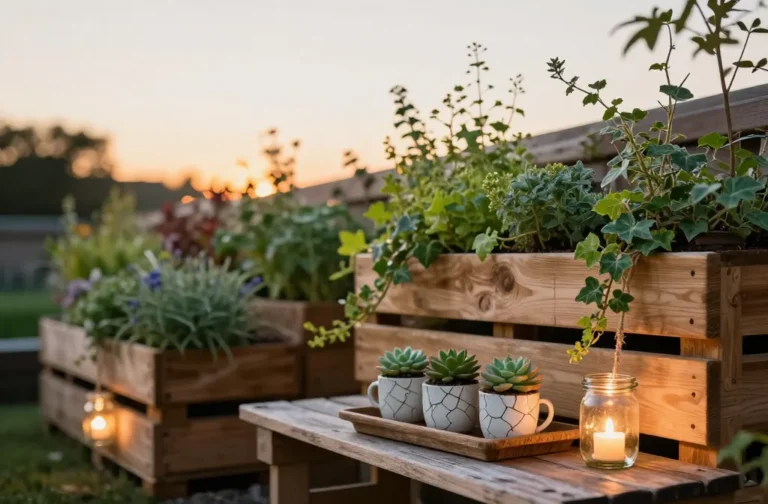
- Light: Choose bright shade or dappled light—east side of a building, under a tree, or behind a shade cloth.
- Wind: Block gusts with a fence, hedge, or even a propped-up piece of cardboard. Wind can shred tender leaves fast.
- Containers: Use trays you can move easily. Mobility = control.
Pro tip
Set the trays on something off the cold ground (like a bench). Cold concrete at night can chill roots and slow progress.
The No-Drama 7–10 Day Plan
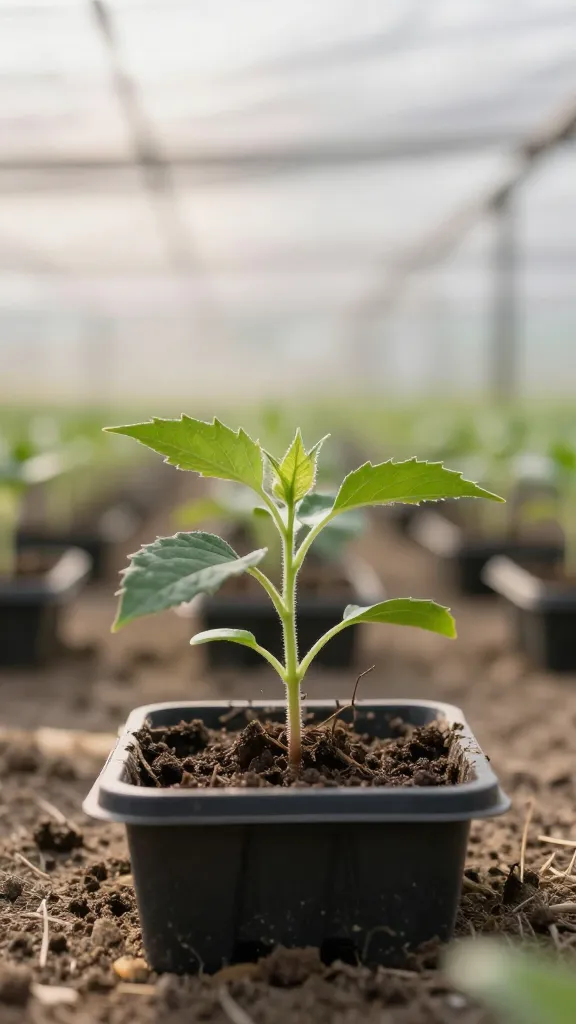
Here’s a realistic schedule that won’t wreck your babies. Adjust based on your weather and how your plants respond.
- Day 1: 1–2 hours in bright shade, calm conditions. Bring them back inside or into a sheltered garage before temps dip.
- Day 2: 2–3 hours outside. Still shade. Add a touch of morning or late-afternoon sun (30 minutes max).
- Day 3: 3–4 hours. Increase sun exposure to 1 hour, preferably before 10 a.m. or after 4 p.m.
- Day 4: 4–5 hours. Give 2 hours of gentle sun. Watch leaves; pale patches mean too much too soon.
- Day 5: 5–6 hours. Up to 3 hours of sun. Slight breeze okay; heavy wind, nope.
- Day 6: 6–8 hours. 4–5 hours sun. Move into brighter spots but skip harsh midday rays for tender crops.
- Day 7–8: Full day. Brief midday sun test. If they look sturdy by evening, they may spend the night out (above 50°F).
- Day 9–10: Full sun (as appropriate for the crop) and all-day exposure. Ready to plant when nights are stable.
Reading the Leaves
Sunscald: White or papery patches on leaves = too much sun too fast. Back up a day or two.
Wilting: Midday droop can be normal; if it continues in the evening, water or reduce exposure.
Purple undersides on tomatoes: Often a sign of chill stress or phosphorus slowdown. Warm them up.
Watering and Feeding During Hardening Off
Seedlings in small cells dry out fast in wind and sun. Keep them moist but not soggy.
- Water before moving outside so leaves don’t immediately wilt.
- Check mid-day and again in late afternoon; the breeze steals water.
- Skip heavy feeding the first few days. Once they adjust, use a diluted, balanced liquid feed (half strength) once.
Why not heavy fertilizer?
It pushes soft, lush growth that burns easily in sun and wind. Harden first, then feed if needed. IMO, patience beats panic-fertilizing every time.
Weather Curveballs: How to Pivot
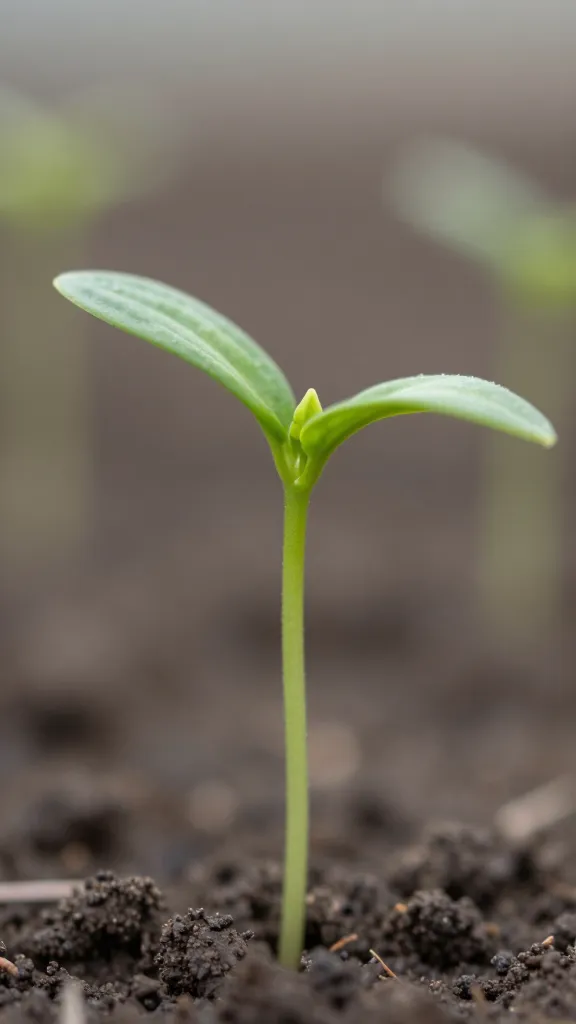
Weather loves drama. You don’t need it.
- Wind advisory? Keep them in or put them behind a barrier. Wind shreds leaves and wobbles stems to exhaustion.
- Sudden heat wave? Use shade cloth (30–50%) or move them back to bright shade. Increase sun gradually again.
- Cold snap or frost? Bring them in. Or cover with frost cloth in a sheltered spot, but indoor is safer.
- Rain storms? Light rain = fine. Downpours = broken stems and soil compaction. Shelter them.
Planting Out Without the Shock
You did all this work—don’t sabotage the final step.
- Choose a cloudy or late-afternoon planting window. It reduces transplant shock.
- Pre-water the bed and the seedlings. Moist roots settle faster.
- Handle by leaves, not stems. Stems are life-or-death; leaves grow back.
- Plant at the right depth. Tomatoes can go deeper; most others should sit at the same level as their cells.
- Water in well and add a light mulch to buffer temp swings.
- Provide temporary shade for a day or two if sun blazes right after planting.
Staking and Protection
– Windy sites: Add small stakes or hoops with row cover for the first week.
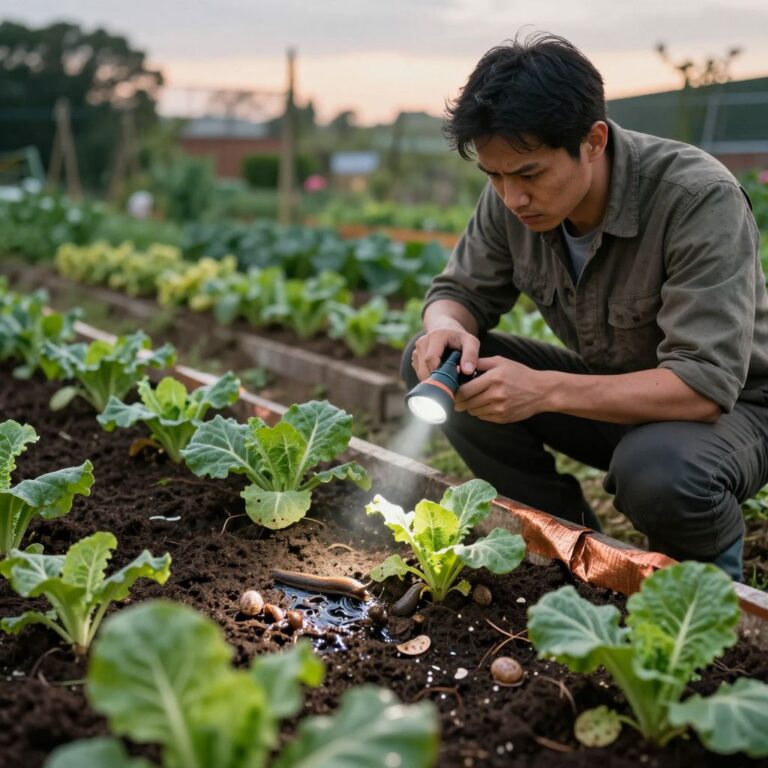
– Pests: Slugs adore tender seedlings. Use collars, traps, or diatomaceous earth as needed. FYI, bunnies don’t read your garden plans.
Common Mistakes (And Easy Fixes)
- Too much sun too soon: Use dappled light and build up slowly. Sunscald is not a badge of honor.
- Leaving them out overnight on Day 2: Not a flex. Bring them in until they handle full days easily.
- Underwatering in wind: Check twice daily; small cells dry in hours.
- Forgetting to rotate trays: Turn them so all sides see similar light and breeze, or you’ll grow leaning towers.
- Skipping hardening entirely: Yes, sometimes they survive. But they stall for weeks. Slow is fast.
FAQ
Can I harden off in a greenhouse or cold frame instead of outside?
Yes. Crack vents or lift lids a little more each day to increase airflow and sun. Watch mid-day temps—greenhouses heat up fast. Shade cloth helps if things spike above 85°F (29°C).
How do I harden off seedlings grown under weak window light?
Go extra slow. Start with 30–60 minutes of shade outdoors and add sun in tiny increments. Those seedlings didn’t get strong indoor light, so they need more time to build leaf toughness.
What if my schedule explodes and I miss a few days?
Pick up where the plants feel comfortable, not where your calendar says. If they show stress, back up a step. This isn’t linear; it’s responsive. IMO, your plants don’t care about your weekend plans.
Do I need to harden off direct-sown seedlings?
Nope. They germinate under outdoor conditions, so they adapt naturally. You still might protect them from slugs, hail, or rogue soccer balls.
Why do my leaves turn purple during hardening off?
Cold nights slow phosphorus uptake, which can turn leaves or stems purplish, especially in tomatoes and peppers. Warm them up at night and progress slower. Once temps improve, new growth looks normal.
Is morning or afternoon sun better during hardening?
Start with morning sun. It’s gentler, and the plant won’t face peak UV immediately. Add late-afternoon sun later. Midday sun comes last.
Conclusion
Hardening off isn’t fancy—just consistent. Start in shade, add sun slowly, protect from wind, and watch the leaves like a hawk. In a week or two, your pampered seedlings turn into confident garden residents. Do it right and they don’t just survive—they take off. And yes, you get to brag about it later.