How to Grow Sunflowers in a Backyard Garden Step by Step That Wow
Sunflowers don’t ask for perfection; they ask for sunshine, a little space, and the confidence to stand tall. Want your backyard to look like a mini Tuscan postcard? You can do it. Here’s the step-by-step guide to grow sunflowers that make your neighbors stop mid-dog-walk and say, “Whoa.” Let’s plant some giants.
Pick the Right Sunflower for Your Space
Not all sunflowers reach for the clouds. Some stay cute and compact. Others turn into backyard skyscrapers. Choose wisely based on your space and goals.
- Giant varieties (10–16 ft): Mammoth, Russian Giant. These love bragging rights and bird selfies.
- Medium (4–8 ft): Autumn Beauty, Lemon Queen. Great for borders and mixed beds.
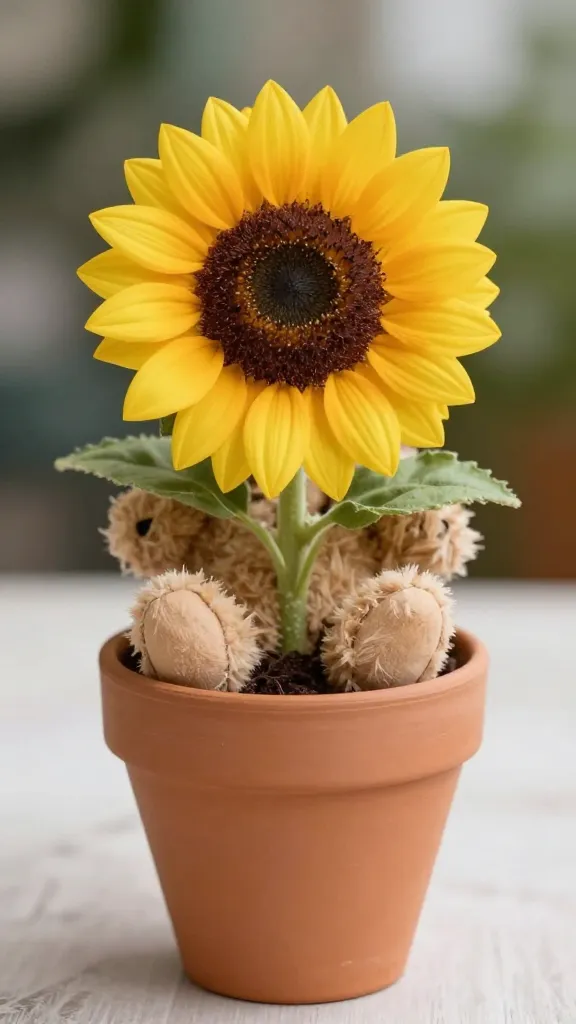
- Dwarf (1–3 ft): Teddy Bear, Suntastic. Perfect for containers and small patios.
- Pollen-free (for bouquets): ProCut series. FYI, less mess inside the house.
Single vs. Branching
- Single-stem types give you one big flower per plant. Great for cut flowers.
- Branching types deliver many blooms over weeks. Ideal for long color shows, IMO.
Find the Sunniest, Windiest-Safe Spot

Sunflowers adore the sun (shocking, I know). Aim for 6–8+ hours of direct sunlight daily. The more sun, the bigger the smiles.
- Soil: Loose, well-drained, not swampy. They hate wet feet.
- Wind: Tall types can snap in storms. Plant near a fence or let them lean on other sturdy plants. Don’t block all airflow, though.
- Rotation: Avoid planting where you grew sunflowers or other Aster family plants last year to dodge pests and diseases.
Soil Prep, the Easy Way
You don’t need a PhD in dirt. Just:
- Loosen soil 12–18 inches deep.
- Mix in compost (1–2 inches) for nutrients and drainage.
- Add a sprinkle of balanced organic fertilizer (like 5-5-5). Sunflowers eat like teenagers.
When and How to Plant
Timing matters. Plant after your last frost date when soil warms to about 50–60°F. Sunflowers hate cold toes.
Direct Sowing Beats Starting Indoors
They grow taproots and dislike transplant drama. So:
- Make rows or pockets. Sow seeds 1 inch deep.
- Spacing:
- Giants: 18–24 inches apart
- Medium: 12–18 inches
- Dwarfs: 8–12 inches
- Water gently to settle seeds. Keep soil moist (not soggy) until sprouts appear.
Successive Planting for a Longer Show
Want sunflowers for months? Plant new seeds every 2–3 weeks for staggered blooms. FYI, branching types naturally extend the season.
Watering and Feeding Without Overdoing It
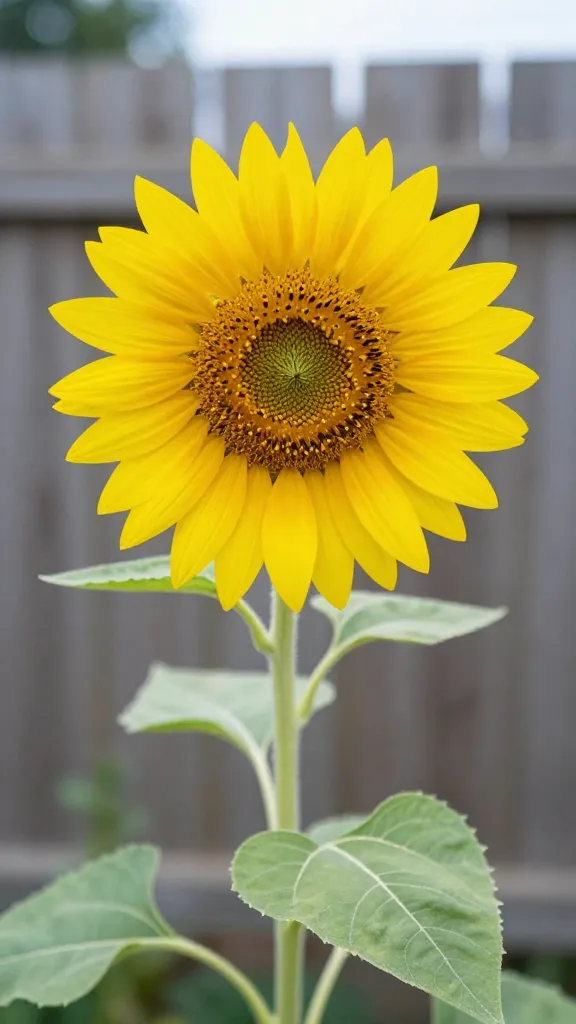
Water like a responsible plant parent. Not a helicopter.
- Seedlings: Keep top inch of soil moist for the first couple weeks.
- Established plants: Deep water 1–2 times a week depending on heat and soil. Aim for 1–1.5 inches total.
- Morning watering beats evening. Leaves dry faster = fewer diseases.
Fertilizer Tips
– Go easy on nitrogen. Too much = massive leaves, tiny flowers. Rude.
– Use a balanced or bloom-leaning fertilizer once when plants reach knee-high.
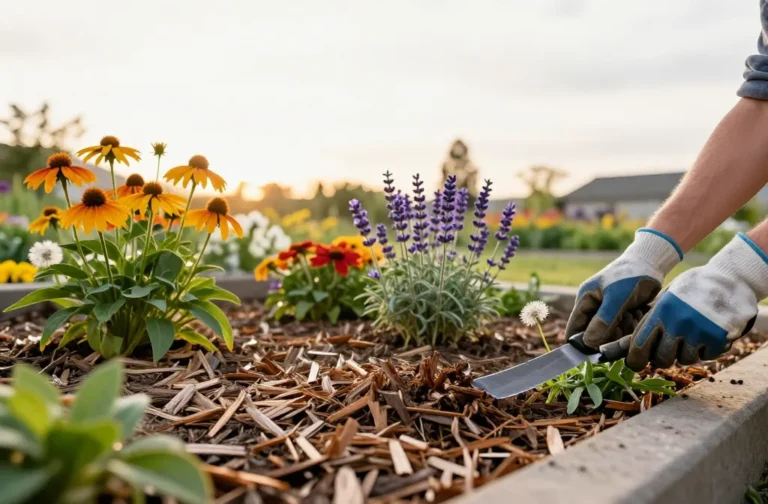
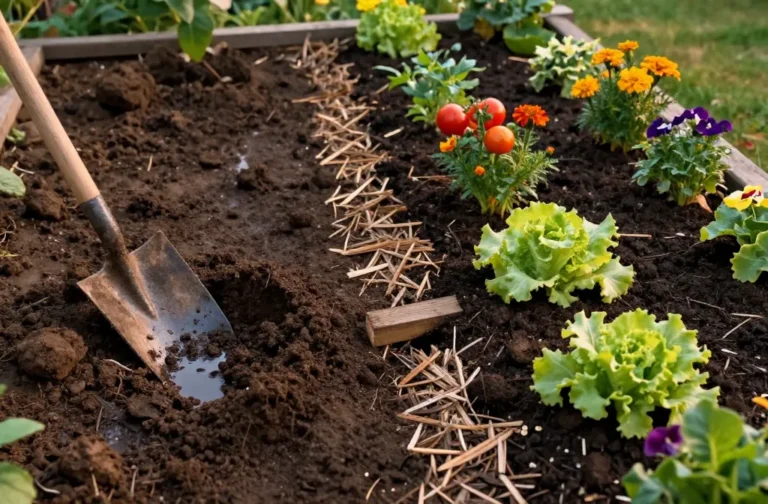
– Mulch with 2–3 inches of straw or shredded leaves to lock in moisture and calm weeds.
Support, Thinning, and Pruning (AKA Plant Gym)
Sunflowers look tough, but wind still bullies them.
- Thinning: When seedlings hit 4–6 inches, thin to your target spacing. Don’t skip this—crowded plants stay weak.
- Staking giants: Use 6–8 ft stakes and soft ties. Secure loosely so stems don’t get strangled.
- Branching varieties: No pruning required. Let them party.
Encourage Strong Stems
A little breeze builds muscle. You can also brush your hand over seedlings daily to mimic wind. Looks weird, works great.
Pests, Critters, and Other Drama
Nature loves sunflowers almost as much as you do. Protect your goods early.
- Birds and squirrels: Cover freshly sown areas with row cover or hardware cloth until seedlings establish.
- Slugs/snails: Use iron phosphate bait or hand-pick at night with a flashlight. Glamorous, I know.
- Aphids: Blast with a strong water spray, or use insecticidal soap. Ladybugs help if you’re feeling diplomatic.
- Deer: Repellents or fencing. Deer consider sunflowers a salad bar, IMO.
Disease Watch
– Downy mildew/powdery mildew: Improve airflow, water at soil level, remove infected leaves.
– Stem rot: Avoid overwatering and heavy clay. Good drainage saves lives.
– Rotate your sunflower spot each year if possible.
Bloom Time, Harvest, and Seeds
You did the work. Now enjoy the show and reap the snacks.
- Cut flowers: Harvest when petals just start to unfurl and centers still tight. Cut in the morning. Strip lower leaves. Vase life = 5–8 days.
- Seed harvest: Wait until backs of heads turn yellow to brown and seeds look plump with striped shells.
- Drying: Cut heads with a foot of stem, hang upside down in a dry, airy spot. Cover with a paper bag to block thieves.
- Roasting: Soak seeds in salted water for 8–12 hours, pat dry, roast at 300°F for 30–45 minutes, stir once or twice. Try chili-lime if you feel fancy.
Saving Seeds for Next Year
Pick seeds from your healthiest plants. Let them dry completely. Store in a cool, dark, dry place in labeled envelopes or jars. Easy win for future-you.
Backyard Layout Ideas (So It Looks Intentional)
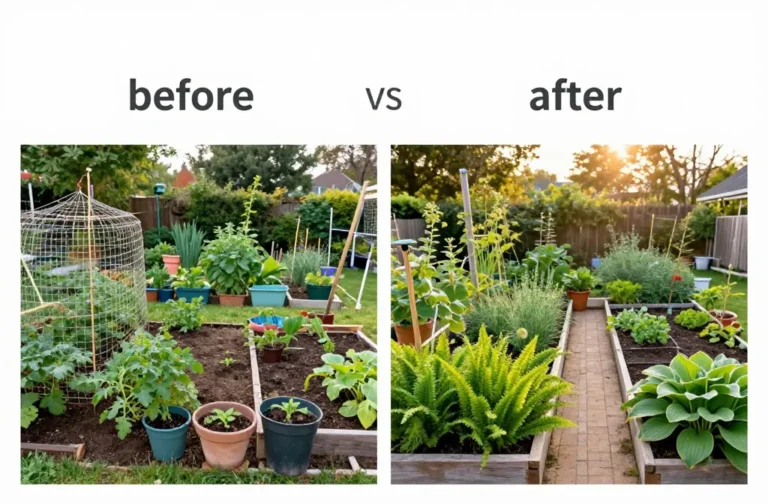
You can plop sunflowers anywhere, but a little planning makes it look pro.
- Living fence: Plant giants along the back of a bed or along a fence line. Instant backdrop.
- Pollinator row: Mix branching sunflowers with zinnias, basil, and cosmos. Bees will send thank-you notes.
- Container combo: Use dwarf sunflowers with trailing nasturtiums or sweet potato vine. Keep pots at least 12–16 inches wide.
- Color waves: Alternate yellow, bronze, and burgundy varieties for drama.
FAQ
How long do sunflowers take to bloom?
Most varieties bloom in 60–90 days from sowing. Giants take a bit longer. Check your seed packet because some branching types stagger their blooms over several weeks.
Can I grow sunflowers in pots?
Yes—choose dwarf or compact types and use a 12–16 inch pot with drainage. Fill with high-quality potting mix, water consistently, and stake if they lean. Containers dry fast, so check soil daily in hot weather.
Why do my seedlings keep disappearing?
Probably birds, squirrels, or slugs. Cover the bed with row cover or wire mesh right after sowing. For slugs, use iron phosphate bait and water in the morning so the surface dries by night.
Do sunflowers need full sun all day?
They perform best with 6–8+ hours of direct sun. You’ll still get blooms with a bit less, but they’ll stretch and tilt more. More sun = sturdier stems and bigger flowers.
Why did my sunflowers grow tall but make small heads?
Usually too much nitrogen or not enough sun. Thin seedlings to reduce crowding and switch to a balanced fertilizer. Also, avoid overwatering late in the season, which can dilute nutrients.
Should I deadhead sunflowers?
For branching types, yes—snip spent blooms to encourage more. For single-stem giants, deadheading won’t create new flowers, so either enjoy the seed buffet for birds or harvest the head when it matures.
Conclusion
Sunflowers keep it simple: give them sun, decent soil, steady water, and room to flex. Start with the right variety, protect seedlings from hungry visitors, and stake the big guys before the first summer storm. Do that, and you’ll get towering blooms, happy pollinators, and a pile of seeds to roast or save. Ready to turn your backyard into a sunflower runway? Plant a row this weekend and watch the show begin.