The Secret to How to Grow Lettuce in Containers for Easy Harvests
You want fresh lettuce without babying a full garden bed? Containers to the rescue. Lettuce grows fast, doesn’t demand a ton of space, and plays nice on balconies, patios, or windowsills. You’ll snip salads in weeks, not months, and you won’t wrestle weeds or mysterious pests from the neighbor’s yard. Ready to turn a pot of dirt into a crunch factory?
Pick the Right Lettuce (Yes, It Matters)
Not all lettuce behaves the same in a container. Some varieties give you endless snips, while others deliver one gorgeous head and call it a day. Choose based on how you like to harvest.
- Loose-leaf types (Red Sails, Black-Seeded Simpson, Salad Bowl): Constant harvests, super forgiving, perfect for beginners.
- Romaine/cos (Parris Island Cos, Little Gem): Upright, crunchy, works in deeper pots, harvest whole or by outer leaves.
- Butterhead (Tom Thumb, Buttercrunch): Tender, compact, very container-friendly.
- Cut-and-come-again mixes: Pre-mixed seed blends for lazy (smart) gardeners who want variety.
Pro tip
Go for fast-maturing, heat-tolerant varieties if your weather runs warm. Anything labeled “slow-bolt” saves you heartbreak when spring turns to summer overnight.
Containers and Soil: Set the Stage for Crunch
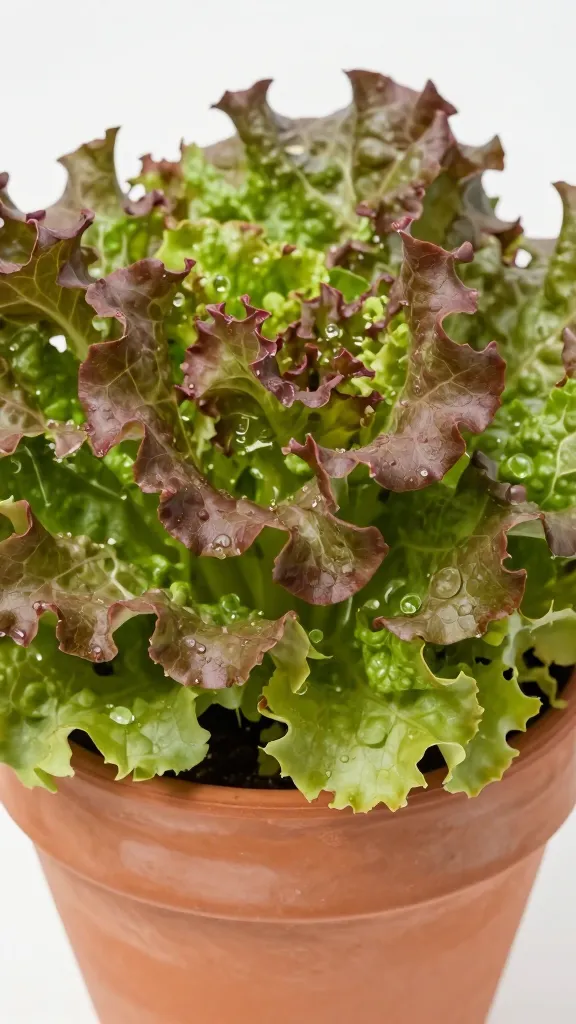
Lettuce doesn’t need a massive pot, but it does need the right setup. Think roomy enough for roots and great drainage.
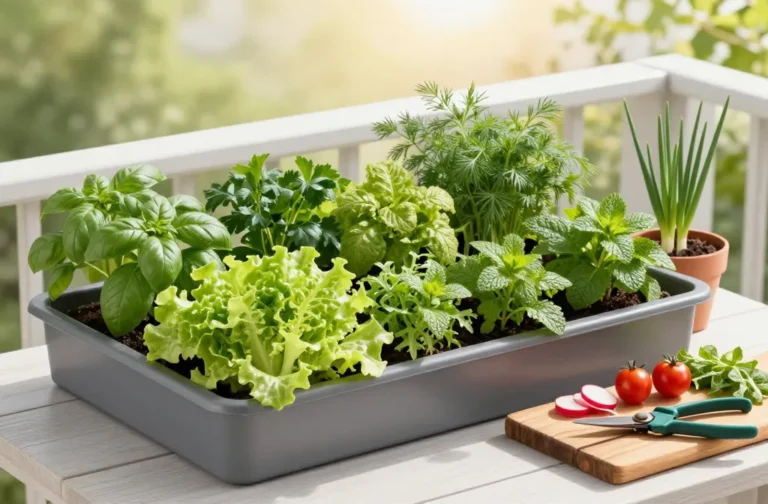
- Container size: 6–8 inches deep works for most lettuces. For head lettuces, aim for 8–10 inches. Window boxes, bowls, even a clean storage tote works (drill holes!).
- Drainage: Non-negotiable. At least 4–6 holes in the bottom. Add a saucer if indoors, but don’t let roots sit in swampy water.
- Soil: Use a high-quality potting mix (not garden soil). You want light, fluffy, and well-draining. A mix with coconut coir or peat + perlite = chef’s kiss.
- Nutrition: Mix in a slow-release, balanced fertilizer at planting. Lettuce eats lightly but steadily.
DIY potting boost
Blend 3 parts potting mix + 1 part compost + a handful of perlite. You’ll get moisture retention without soggy sadness.
Planting: Seeds vs. Starts (Both Work Great)
You can sow seeds directly or buy baby plants. Both grow well in containers. Your call: do you want instant gratification or budget-friendly abundance?
- Direct sow: Scatter seeds thinly and cover with 1/8 inch of soil. Mist to settle. For neat rows, plant 1 inch apart, then thin.
- Transplants: Space loose-leaf 6–8 inches apart, romaine/butterhead 8–10 inches. Plant at the same depth as the nursery plug.
Spacing cheat sheet
- Loose-leaf for cut-and-come-again: Dense sowing works. Think a sprinkle across the surface for a baby leaf salad bar.
- Head lettuces: Give them elbow room or they sulk. Crowding = smaller heads.
Light, Temperature, and Keeping Lettuce Chill
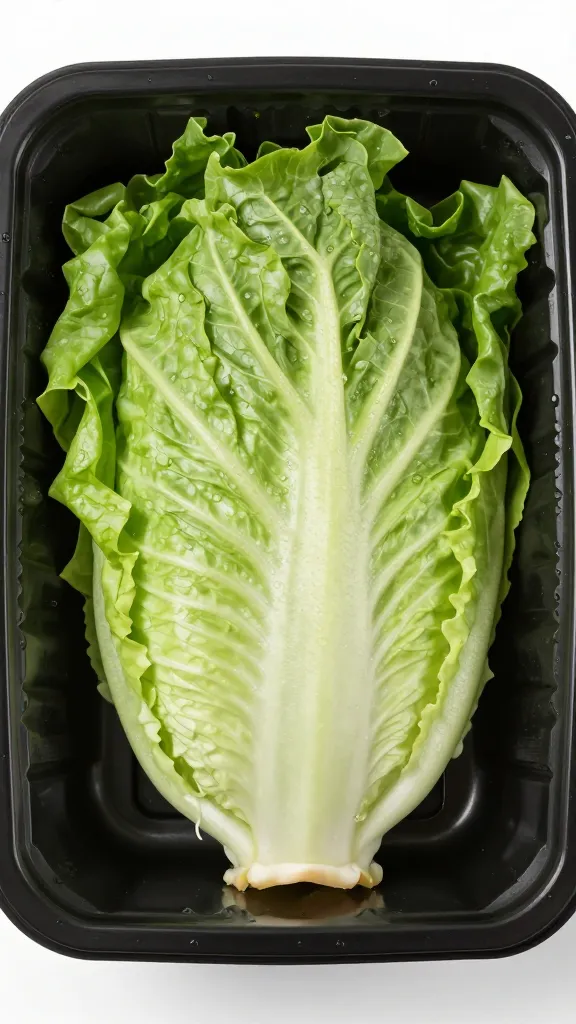
Lettuce loves cool weather and mild vibes. Too hot and it bolts (flowers), turning bitter like a bad breakup.
- Light: 4–6 hours of direct sun is usually perfect. In hot climates, give morning sun and afternoon shade. Indoors? Use a grow light 12–14 hours daily.
- Temperature: Sweet spot is 45–70°F (7–21°C). Above 80°F (27°C) for too long? Bolt city.
- Heat hacks: Move containers to shade, use a light-colored pot, add a shade cloth, or water in the morning to cool soil.
Cold snaps?
Lettuce handles light frost, but not a deep freeze. Toss on a frost cloth or move pots against a wall for a microclimate boost.
Watering and Feeding: Keep It Tender, Not Mushy
Lettuce roots stay shallow, so you need consistent moisture. Not soggy, not bone-dry. Think “wrung-out sponge.”
- Watering rhythm: Check soil daily with a finger test. Water when the top inch feels dry. Morning watering beats afternoon.
- Technique: Water at the base to avoid splashy leaves and mildew. Slow and steady until water drains out the bottom.
- Feeding: After 3–4 weeks, give a diluted liquid fertilizer every 10–14 days. A fish/seaweed emulsion works great, FYI.
Warning signs
- Wilting midday: Normal in heat; if it perks up by evening, you’re fine.
- Yellow leaves: Usually overwatering or nutrient deficiency. Check your drainage and feeding schedule.
Harvest Like a Pro (So It Keeps Growing)
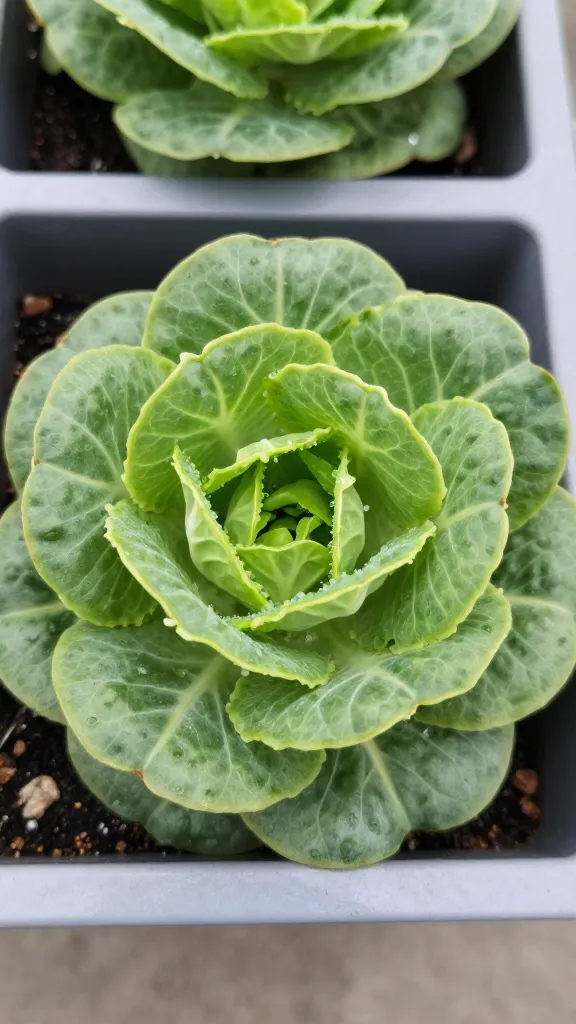
The best part? Eating the thing. You can harvest a little at a time or go for the big finale.
- Cut-and-come-again: Snip outer leaves once they reach 4–6 inches. Leave the center to regrow. You’ll get multiple rounds.
- “Haircut” method: For baby greens, cut the whole patch about 1–2 inches above the soil. It regrows in 1–2 weeks, IMO the easiest for salads on repeat.
- Head harvest: When a head feels firm and full, slice at the base. Harvest in the morning for peak crispness.
Taste test
If leaves taste bitter, heat or age likely caused it. Pick earlier, water more consistently, and aim for cooler hours.
Pests, Problems, and Easy Fixes
Container gardening dodges a lot of drama, but a few freeloaders still show up.
- Aphids: Blast with water, then spray insecticidal soap or neem. Encourage ladybugs if you’re feeling fancy.
- Slugs/snails: Copper tape on pot rims, nighttime hand-picking, or iron phosphate baits. Beer traps if you’re into tiny gastropub funerals.
- Powdery mildew: Improve airflow, water at soil level, thin crowded spots. Remove affected leaves.
- Bolting: Provide shade, keep soil cool, switch to heat-tolerant varieties, or replant for fall.
Rotation, even in pots?
Yep. Don’t reuse the exact same soil for lettuce forever. Refresh with 30–50% new mix or compost between plantings to dodge disease build-up.
Keep the Harvest Coming: Succession and Mixes
Want nonstop salads? Stagger your plantings. It’s the easiest “productivity hack” you’ll ever try.
- Succession sow: Plant small batches every 2–3 weeks. As one pot slows, the next one takes off.
- Blend styles: Do one pot for baby greens, one for romaine, one for butterhead. Variety = better salads and fewer sad sandwiches.
- Companions: Tuck in radishes (quick win), green onions (minimal space), or herbs like dill and cilantro for flavor boosts.
Small space, big yield
Use a long window box for baby greens and a couple of deeper pots for romaine. You’ll cover sandwiches, salads, and garnish without needing a backyard.
Frequently Asked Questions
How long does lettuce take to grow in containers?
Baby greens show up in 3–4 weeks. Full heads usually take 6–8 weeks depending on variety and temperature. Cooler weather slows things a bit; warm-but-not-hot speeds them up.
Can I grow lettuce indoors year-round?
Yes, with enough light. Place pots in a bright south-facing window or use a small LED grow light for 12–14 hours daily. Keep temps around 60–70°F and you’ll harvest on repeat.
Why did my lettuce turn bitter?
Heat and stress cause bitterness. If the plant bolts (sends up a flower stalk), flavor nosedives. Harvest younger, water consistently, provide shade during hot spells, and pick in the morning for best taste.
How often should I water container lettuce?
Check daily. Water when the top inch feels dry. In warm, windy weather, you might water every day. In cool, cloudy weather, every 2–3 days might do it. Your finger is a better gauge than a calendar, IMO.
Do I need to fertilize if I used potting mix with nutrients?
Most mixes feed for 4–6 weeks. After that, supplement lightly with a diluted liquid fertilizer every 1–2 weeks. Lettuce prefers steady, gentle feeding—not a buffet binge.
What’s the best container material?
Whatever drains well and doesn’t overheat. Plastic retains moisture and stays cooler. Terracotta looks great but dries out faster. Fabric grow bags breathe well and grow lush roots, FYI.
Conclusion
Container-grown lettuce delivers quick wins, crunchy salads, and zero drama. Give it a decent pot, quality soil, steady water, and a bit of shade when the heat hits. Harvest often, reseed in small batches, and you’ll have a steady supply without stepping foot in a grocery store lettuce aisle. Your sandwiches won’t know what hit them.