The Secret to How to Grow Mint in Containers Without It Taking Over
Mint tastes amazing, smells like a dream, and grows like it has somewhere to be. Put it in your garden bed and it’ll stage a takeover by June. The fix? Containers. You can grow lush, happy mint without letting it colonize your yard—or your neighbor’s. Let’s keep it in its lane and still enjoy mojitos on demand, shall we?
Why Mint Loves to Misbehave (And Why Containers Save You)
Mint spreads underground with fast, sneaky runners that pop up wherever they want. It doesn’t ask permission. It just shows up like an uninvited cousin who brought suitcases. Containers put a literal wall around those roots, so you get all the flavor without the land grab. Contain the roots, control the chaos.
Pick the Right Pot (Size, Material, and Drainage)
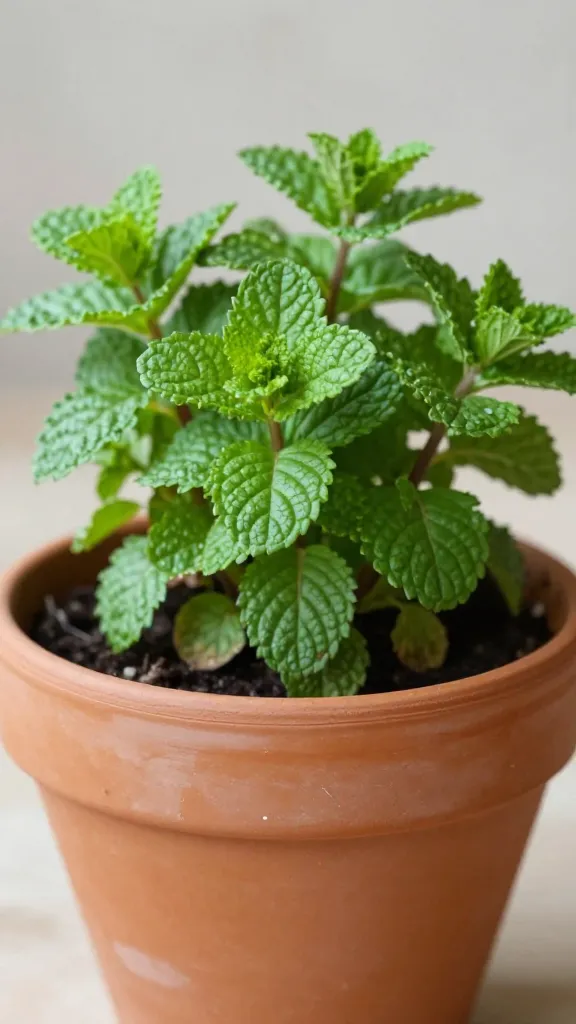
Big myth: mint needs a tiny pot because it’s “easy.” Nope. It needs space, just not a field.
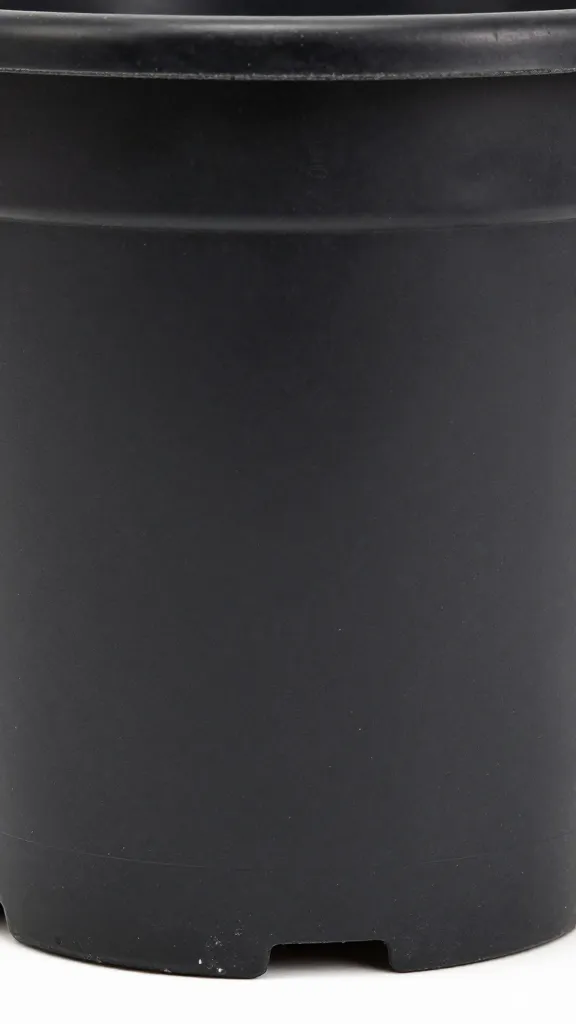
- Size: Go at least 10–12 inches wide and 8–10 inches deep. Bigger pot = happier mint = fewer water freak-outs in summer.
- Material: Terracotta breathes (great for wet climates), plastic holds moisture longer (great for hot, dry zones). Fabric grow bags also rock—light and well-drained.
- Drainage: Non-negotiable. Make sure your pot has 3–5 holes. Add a saucer, but don’t let the plant sit in a swamp.
Pro move: Double-contain in garden beds
If you still want mint near your beds, bury a nursery pot with its rim 1–2 inches above soil. That rim stops runners from hopping the wall. It’s like a little moat—without the alligators.
Soil That Makes Mint Happy (Without Overcomplicating It)
Mint isn’t fussy, but it hates soggy feet and nutrient-starved dust. Keep it simple.
- Potting mix: Use a high-quality, peat-free potting mix. Not garden soil—it compacts and chokes roots in containers.
- Drainage boost: Mix in 10–20% perlite or coarse sand if your mix holds water like a sponge.
- Fertilizer: Add a slow-release, balanced fertilizer at planting. Or feed monthly with a half-strength liquid feed during the growing season.
pH and extras (for the nerds)
Mint likes slightly acidic to neutral soil (pH 6.0–7.0). Toss in a handful of compost for microbes and minor nutrients. IMO, less fuss = better results.
Planting and Spacing: Start Strong
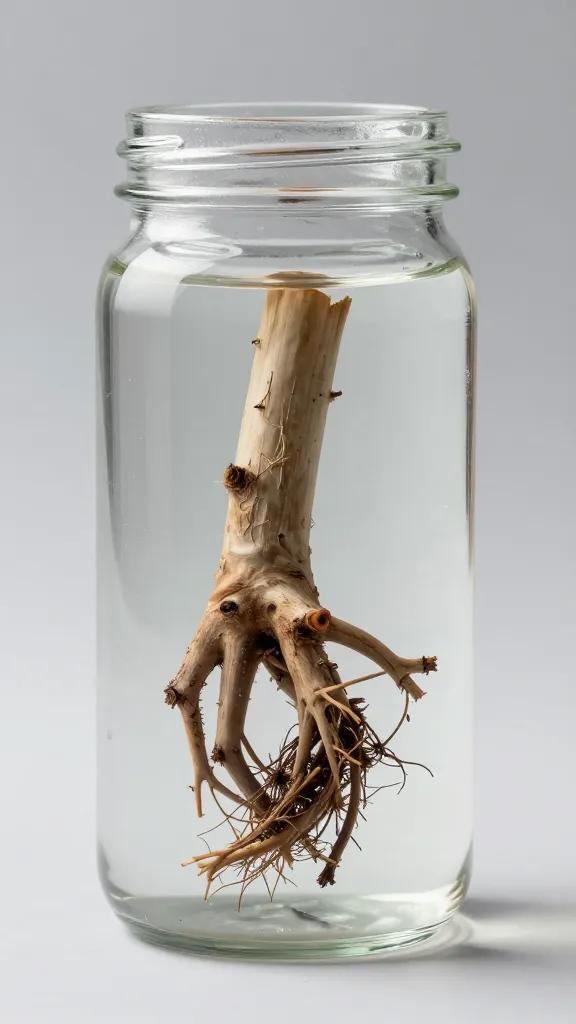
You can start from seeds, but mint seeds are like chaos sprinkles. Go with a transplant or a healthy cutting.
- One plant per pot: Seriously. One. It will fill the pot in 4–8 weeks.
- Planting depth: Set the crown at soil level. Don’t bury it deep.
- Mulch lightly: A thin layer of shredded leaves or bark keeps moisture steady and soil splash down.
Favorite varieties (because choice paralysis is real)
- Spearmint: Classic, sweet, great for tea and salads.
- Peppermint: Strong, menthol-y, ideal for baking and hot chocolate.
- Chocolate mint: Smells like dessert. You’ll sniff it daily.
- Apple or pineapple mint: Fruity, softer flavor, gorgeous in drinks.
Sun, Water, and Feeding: The “Don’t Overdo It” Rules
Mint forgives a lot, but it thrives when you nail the basics.
- Light: 4–6 hours of sun. Morning sun + afternoon shade works best in hot climates. Full sun is fine in cooler zones.
- Water: Keep soil evenly moist. Water when the top inch feels dry. In heat waves, check daily.
- Feeding: Light but regular. Monthly liquid fertilizer at half-strength or slow-release pellets at planting and midsummer. Too much nitrogen makes bland leaves, FYI.
Humidity and airflow
Mint loves airflow. Packed patios can trap humidity and encourage fungal issues. Space pots a few inches apart and spin them weekly for even growth.
Prune Like You Mean It (This Is How You Control It)
If you only remember one thing, remember this: harvest often. Regular snips keep mint bushy and stop it from flowering and turning bitter.
- Pinch tips weekly: Take the top 2–3 inches. New shoots will explode from below.
- Monthly haircut: Cut stems back by one-third during peak season. It looks rude; the plant loves it.
- Flower patrol: See buds? Snip them immediately to keep flavor primo.
Revive a leggy plant
If your mint looks like a day-after-party version of itself, cut it back hard—2–3 inches above soil. Water well, add a little compost or feed, and give it bright light. It’ll bounce back in a couple weeks.
Repotting and Dividing: Keep It Fresh, Not Ferocious
Containers keep mint contained, but roots still pack tight over time. Avoid the root prison.
- Repot yearly: Spring is best. Shake off old soil, trim away up to one-third of the roots, and refresh the potting mix.
- Divide every 1–2 years: Slice the root ball into halves or quarters with a clean knife. Replant one, gift the others. You’re now the mint plug.
- Swap pots: If your plant dries out every day, upsize the container by 2–4 inches.
Pests and Problems (And How to Not Panic)
Mint rarely suffers, but things happen.
- Aphids/spider mites: Rinse leaves with a strong spray. Follow with insecticidal soap if needed.
- Rust or powdery mildew: Improve airflow, avoid overhead watering, and remove badly affected stems. A baking soda spray can help as a gentle fix.
- Yellowing leaves: Usually overwatering or poor drainage. Check holes, lighten the mix, and cut back watering.
Pets and mint
Most mints are pet-safe in small amounts, but essential oils can irritate. Keep concentrated products away from cats and small dogs. Common-sense stuff.
Smart Setup Ideas You’ll Actually Use
Let’s make it easy—and cute.
- Window box mint bar: Plant spearmint, peppermint, and chocolate mint in separate inserts so they don’t wrestle.
- Patio trio: Three medium pots grouped together. Label them. You’ll forget which is which after two G&Ts.
- Hanging baskets: Great for airflow and quick harvesting. Water more often, though.
- Kitchen counter jar (short-term): Keep cut stems in water for a week of easy snips. Not a forever home—just a snack station.
FAQ
Can I plant multiple mint varieties in one pot?
You can, but they’ll tangle and one will dominate. For best flavor and control, give each variety its own container. Way easier to manage, and you’ll taste the difference.
How often should I water mint in containers?
Water when the top inch of soil feels dry. In mild weather, that might be every 2–3 days; in summer heat, possibly daily. Adjust by pot size and material—plastic holds moisture longer than terracotta, FYI.
Why does my mint taste bitter?
It probably flowered or got stressed. Pinch off buds ASAP and harvest more frequently. Give it steady water and light feeding. Harsh sun all day can also toughen leaves—offer some afternoon shade.
Can I grow mint indoors year-round?
Yes, with strong light. Park it in a bright south-facing window or use a grow light for 12–14 hours daily. Keep it slightly moist and trim often. IMO, indoor mint tastes great but grows slower than outdoor mint.
Do I need to bring potted mint indoors for winter?
Mint is hardy, but containers get colder than ground soil. In cold climates, overwinter by moving pots to a sheltered spot, insulating with mulch, or storing in an unheated garage where it stays above deep freeze. It’ll go dormant and rebound in spring.
How do I keep mint from hopping out of the pot?
Runners can sneak through drainage holes or over edges. Use a fine mesh over holes inside the pot, keep the rim clear, and trim any stems that try to drape and root. Regular pruning is your best defense.
Conclusion
Mint’s a legend—fresh, fragrant, and just a little unhinged. Put it in a roomy container with good soil, feed it lightly, water consistently, and prune like you mean it. You’ll get endless harvests without the garden mutiny. Control the roots, snack on the leaves, and enjoy being the person who always has mint on hand. Cheers to that.