Smart Gardener Guide How to Use Compost in a Home Garden Without Overdoing It
You started composting to help your plants thrive, not to create a nutrient nuke. Good call. Compost rocks, but too much of a good thing? Hello, soggy soil and sad roots. Let’s talk about how to use compost in a home garden the right way—enough to boost growth, not enough to smother it. Quick, simple, and realistic for people who don’t want to weigh their mulch on a kitchen scale.
Why Compost Isn’t Magic Fairy Dust (But It’s Still Amazing)
Compost improves soil structure, feeds beneficial microbes, and helps plants access nutrients. It holds moisture without creating swampy messes. That combo leads to healthier roots and stronger plants.
But here’s the catch: compost isn’t fertilizer. It’s more like a multivitamin for your soil. Use it to build long-term health, not as a one-and-done boost.
How Much Compost Is Enough?
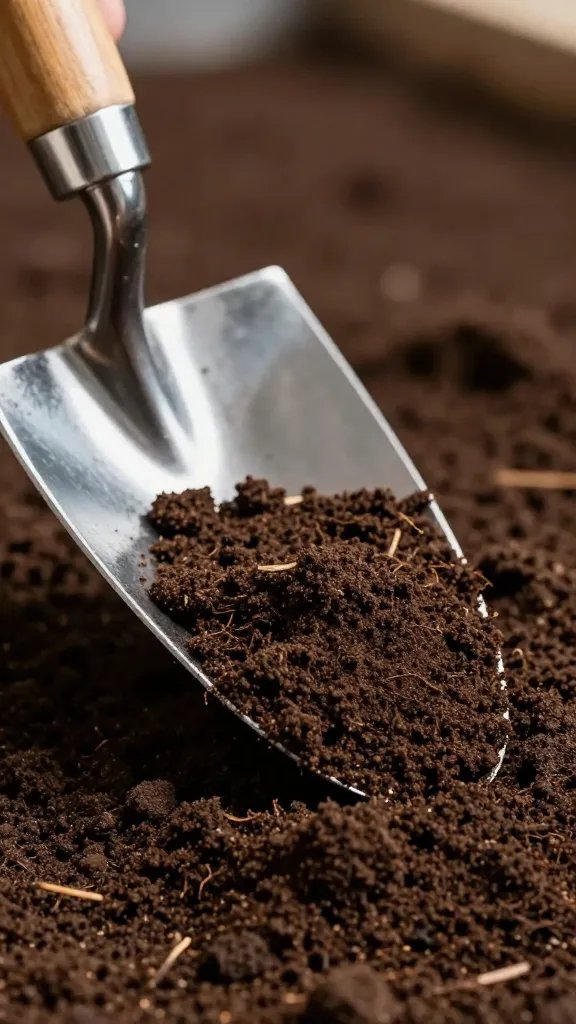
Let’s skip the vague advice. You want numbers? Here you go.
- New beds: Mix in 1–2 inches of compost into the top 6–8 inches of soil. That’s generous without going overboard.
- Existing beds (annual refresh): Add 0.5–1 inch on top as a dressing. No need to till.
- Vegetable gardens: 1 inch before planting, then 0.5 inch midseason if plants look hungry.
- Lawns: 0.25–0.5 inch raked in lightly. Any more can smother grass.
- Containers: 10–20% compost mixed into potting soil. Stop at 25% max or your pots retain too much water.
Rule of thumb: If your soil already looks dark and crumbly, back off. If it’s pale, compacted, or lifeless, add more (within reason).
Top-Dressing vs. Mixing: Which Works Better?
You can spread compost on top or work it in. Both methods have their moment.
- Top-dressing: Spread a thin layer (0.5–1 inch) around plants and let worms pull it down. Best for established perennials, shrubs, and no-dig beds.
- Mixing in: Blend 1–2 inches into the top 6–8 inches before planting annuals or starting a new bed.
Skip deep tilling. You’ll wreck soil structure and disrupt microbes. Shallow incorporation wins.
When Top-Dressing Shines
Use top-dressing if you:
- Grow perennials you don’t want to disturb
- Have mulch on top—compost slips under it nicely
- Want slow, steady improvement without drama
What About Mulch? Do You Still Need It?
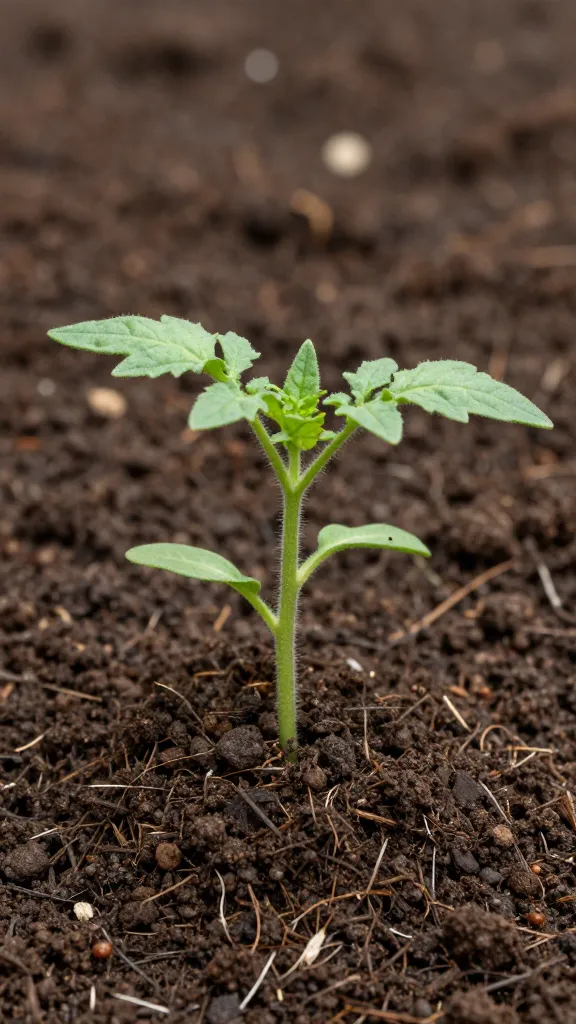
Short answer: yes. Compost feeds soil; mulch protects it.
Perfect combo: Compost first, then mulch on top.
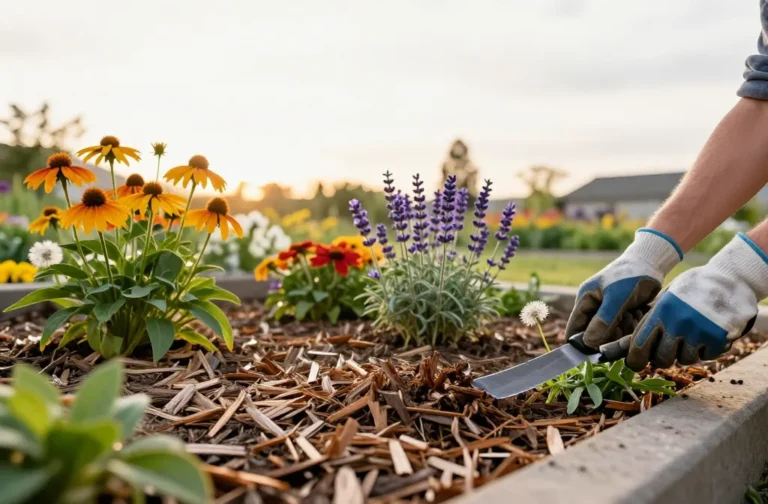
- Layering: 0.5–1 inch compost, then 2–3 inches of mulch (wood chips, straw, shredded leaves).
- Why it works: Compost delivers nutrients. Mulch keeps moisture in, weeds out, and temperatures stable.
FYI, compost alone as “mulch” dries out too fast and can crust. Not ideal.
Signs You’re Overdoing It
Think you might have gone heavy-handed with the black gold? Watch for these clues:
- Waterlogged soil: Soggy, smelly, or slow to drain—too much organic matter can act like a sponge.
- Leggy, weak growth: Plants look green but floppy. Excess nutrients plus shade-like conditions from heavy compost layers can do this.
- Salt buildup: Some composts (especially manure-based) raise salts. Leaves burn at the edges or curl.
- Fungal gnats galore: Thick, constantly damp compost attracts pests. Cute in theory, annoying in practice.
Fix it quickly: Rake off extra compost, aerate with a garden fork, and add a light mulch to regulate moisture.
Quality Matters: Not All Compost Is Created Equal
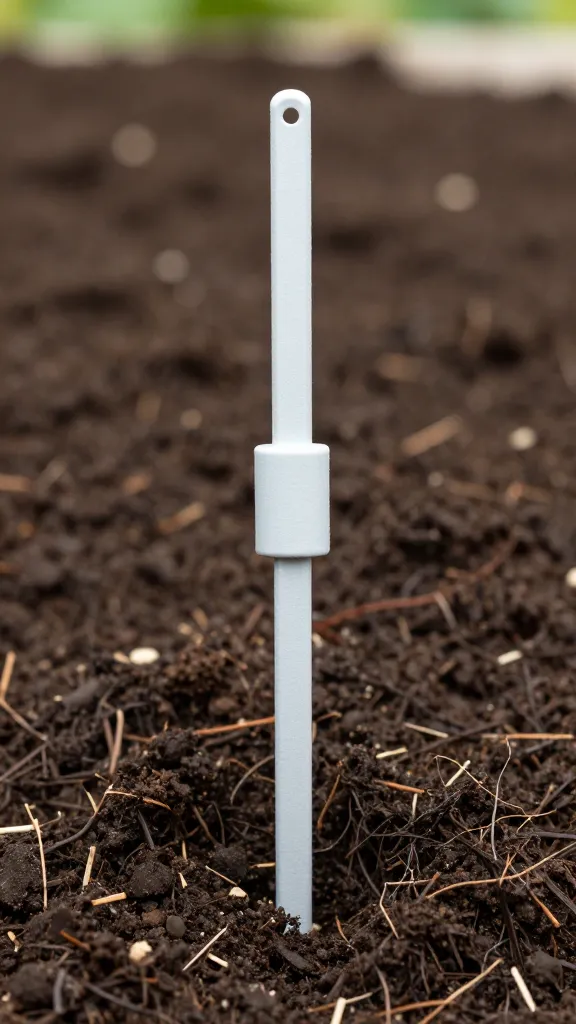
If your compost smells like a barn fire or a swamp, it’s not ready. Finished compost smells earthy and crumbles easily.
How to Spot Good Compost
- Texture: Fine and crumbly with no big chunks of recognizable stuff
- Smell: Clean, earthy scent (no ammonia or sour odors)
- Temperature: Cool to the touch—hot piles are still cooking
- Color: Dark brown to black, but not slimy
DIY vs. Store-Bought
- Homemade: Cheap, customizable, and satisfying. But it varies—screen it and let it finish curing.
- Bagged: Consistent and easy. Check labels for “STA Certified” or similar quality standards.
- Manure-based: Great when composted fully. Uncomposted manure can burn plants and add weeds. Hard pass.
Tailor Compost Use to Your Plants
Different plants, different vibes. Don’t treat tomatoes like lavender.
- Vegetables: Love rich soil. Aim for that 1-inch pre-plant layer. Side-dress heavy feeders (tomatoes, squash, corn) with 0.5 inch midseason.
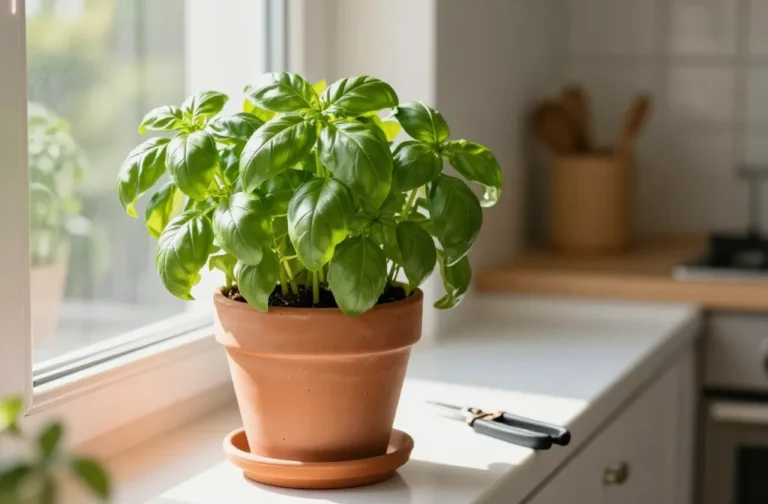
- Herbs: Many prefer lean soil. Go light—0.25–0.5 inch top-dress. Mediterranean herbs (rosemary, thyme, lavender) especially hate soggy roots.
- Perennials and shrubs: 0.5–1 inch top-dress in spring. Repeat lightly in fall if your soil seems tired.
- Fruit trees: 1 inch spread to the drip line, then mulch. Keep compost 6 inches away from the trunk, please and thank you.
- Seed starting: Use sterile seed mix. Add 10–20% sifted compost if it’s mature and fine, but don’t go heavy or you’ll invite damping off.
Timing: When to Apply for Best Results
You don’t need to micromanage, but timing helps.
- Spring: Add before planting annuals and veggies. Top-dress perennials as they wake up.
- Midseason: Light side-dress for heavy feeders if growth slows.
- Fall: Top-dress after cleanup. Cover with mulch so winter doesn’t wash it away. Worms will party all winter.
IMO, fall applications do the most with the least effort. Nature does the blending for you.
How to Apply Without Making a Mess
Simple methods keep you from dumping half the bin in one spot.
- Measure the area: Know your square footage so you don’t wildly over-apply.
- Spread evenly: Use a shovel flick or compost spreader. Target a uniform thin layer.
- Keep stems clear: Pull compost a few inches back from plant crowns and trunks to prevent rot.
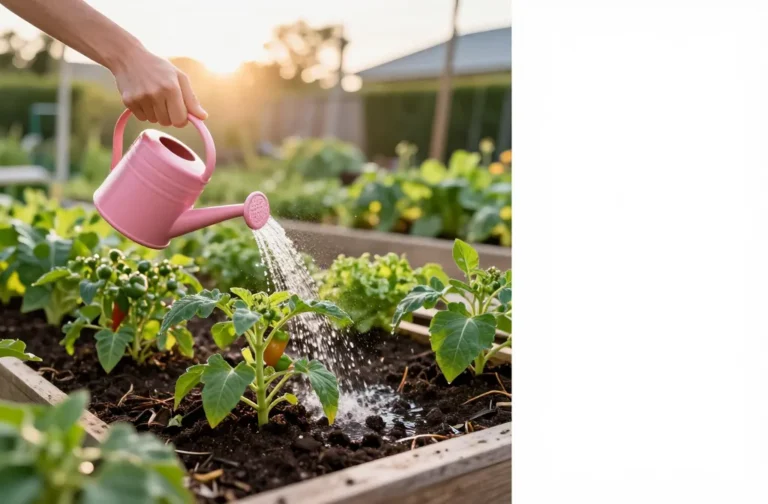
- Water lightly: Settle dust and activate microbes. Don’t flood it.
- Mulch on top: Lock in moisture and reduce nutrient loss.
Pro tip: If your compost is chunky, screen it with 1/2-inch hardware cloth. Your seedlings will thank you.
FAQ
Can I plant directly into pure compost?
You can, but your plants won’t love it. Pure compost holds water too well, shrinks as it breaks down, and can swing nutrient levels. Mix compost with native soil or potting mix for structure and balance.
How often should I add compost?
Once or twice a year works for most gardens—spring and/or fall. For veggies, add a light side-dress midseason if growth slows. Watch your plants and soil texture rather than the calendar.
Is unfinished compost bad for plants?
Yes, it can be. Unfinished compost can steal nitrogen as it finishes breaking down and may carry pathogens or weed seeds. Wait until it smells earthy and feels cool and crumbly.
What if my soil test shows high phosphorus?
Ease up on compost, especially manure-based types that skew high in phosphorus. Switch to leaf mold or wood-chip mulch, and feed with balanced fertilizers as needed. Soil tests save you from guessing—highly recommend.
Can I use compost tea instead?
Compost tea won’t replace compost. It may add some microbes, but it doesn’t improve soil structure or organic matter. Use tea as a supplement if you like, but still build the soil with real compost.
Why do my containers get waterlogged with compost?
Too much compost in pots retains water and reduces air spaces. Keep compost to 10–20% of the mix, add perlite or pumice for drainage, and make sure pots have plenty of holes. Your roots need air, not a spa day.
Conclusion
Compost works best like a good friend: supportive, reliable, and not smothering. Aim for thin layers, smart timing, and high-quality material. Mix for new beds, top-dress for established ones, then mulch and let the soil life do its thing. Use enough to help, not so much you create a bog—your garden (and your sanity) will thank you.