How To Revive Wilting Plants In 5 Steps Before They Die
Your plant does not have to become a tragic little twig on the windowsill. Most wilting plants just want a fast diagnosis, a little patience, and the right kind of help. Seriously, a few smart moves can turn that drama queen back into something thriving.
Before you panic-buy a replacement, take a breath and work through these five steps. You’ll figure out what your plant needs, avoid making things worse, and maybe even impress yourself a little. FYI, plants usually love a comeback story.
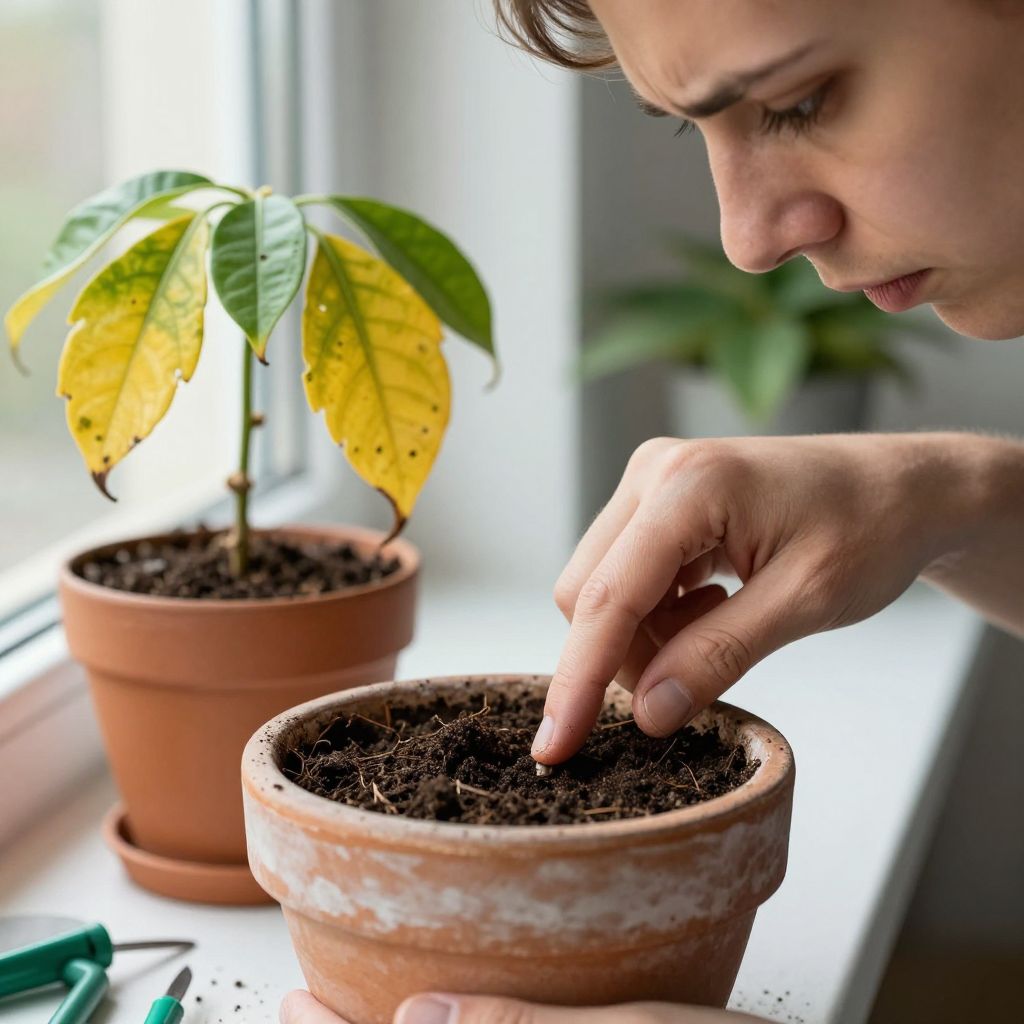
1. Play Detective And Check The Soil First
Wilting usually starts with the roots, not the leaves, so the soil tells the real story. Stick a finger about an inch or two down and see what you find, because soggy, dry, or compacted soil all point to different problems.
What To Look For
- Dry soil that pulls away from the pot usually means your plant needs water.
- Wet, mushy soil often means root rot or overwatering.
- Hard, crusty soil can block water from reaching the roots.
If the soil feels off, stop guessing and start adjusting. This one step often reveals the problem faster than any fancy plant gadget ever will, and it gives you a solid starting point.
2. Water Like You Mean It, But Not Like You’re Angry
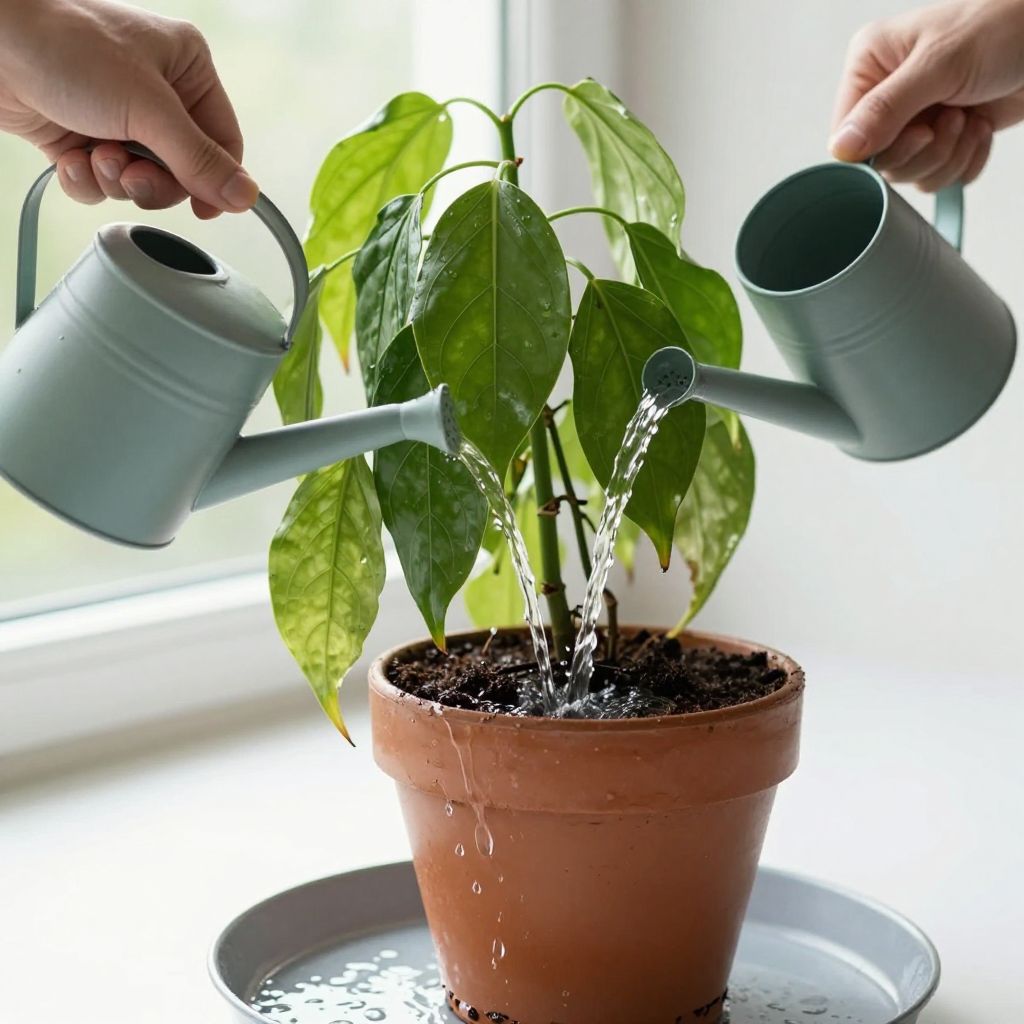
Once you know the soil situation, water accordingly. A thirsty plant needs a deep soak, while an overwatered plant needs a break and better drainage, not another splash because “maybe this time.”
Smart Watering Moves
- Water slowly until moisture reaches the root zone.
- Let excess water drain completely.
- Empty saucers so roots do not sit in water.
- For dry soil, repeat a gentle soak after a short pause if the soil repels water.
Watering wisely can wake up a droopy plant fast, especially if the problem started with neglect or a heat wave. Use this step whenever your plant looks limp, thirsty, or suspiciously sad by lunchtime.
3. Give The Leaves A Quick Trim And Clean-Up
Dead or crispy leaves do not magically recover, so remove the parts your plant no longer wants to support. Cutting away damaged growth helps the plant focus energy on healthy stems and leaves instead of babysitting a lost cause.
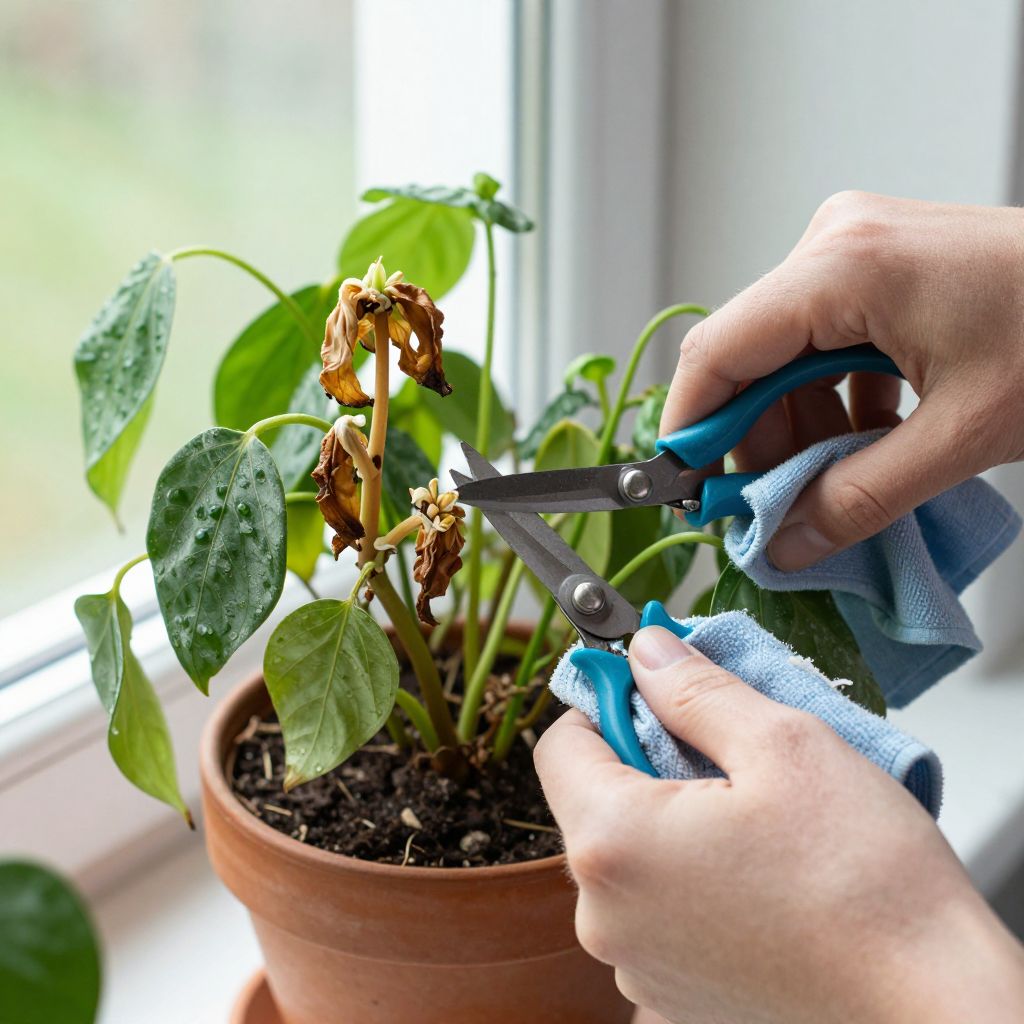
What To Snip
- Brown, crunchy leaves
- Soft stems that have clearly turned to mush
- Spent flowers or faded blooms
You can also gently wipe dusty leaves so they absorb more light. Think of it as a reset button, minus the tech support hold music, and use it whenever your plant looks cluttered and exhausted.
4. Move It To Better Light And Temperature
Sometimes the problem has nothing to do with water and everything to do with location, because plants can get oddly dramatic about where they live. A wilting plant may sit too close to a hot window, a cold draft, or a dark corner that feels moody but not helpful.
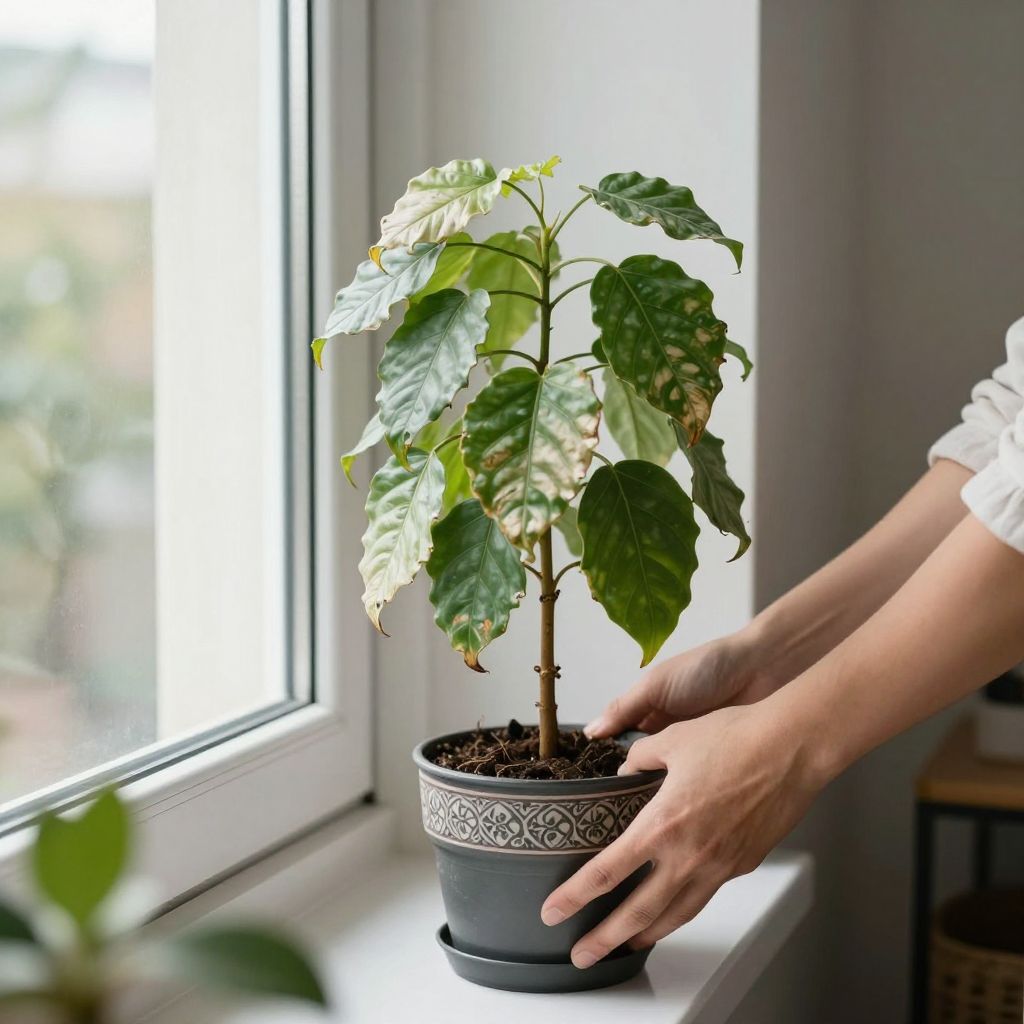
Better Placement Basics
- Bright, indirect light works for many houseplants.
- Keep plants away from vents, heaters, and drafty doors.
- Rotate the pot now and then so growth stays even.
Location matters more than people think, and a simple move can help your plant perk up within days. IMO, this is one of the easiest fixes because it costs nothing and can make a huge difference.
5. Rescue The Roots And Repot If Needed
If your plant still looks miserable after watering, trimming, and moving, the roots may need a serious intervention. Check for a pot that feels too small, soil that never drains well, or roots that circle the bottom like they’re trapped in plant jail.
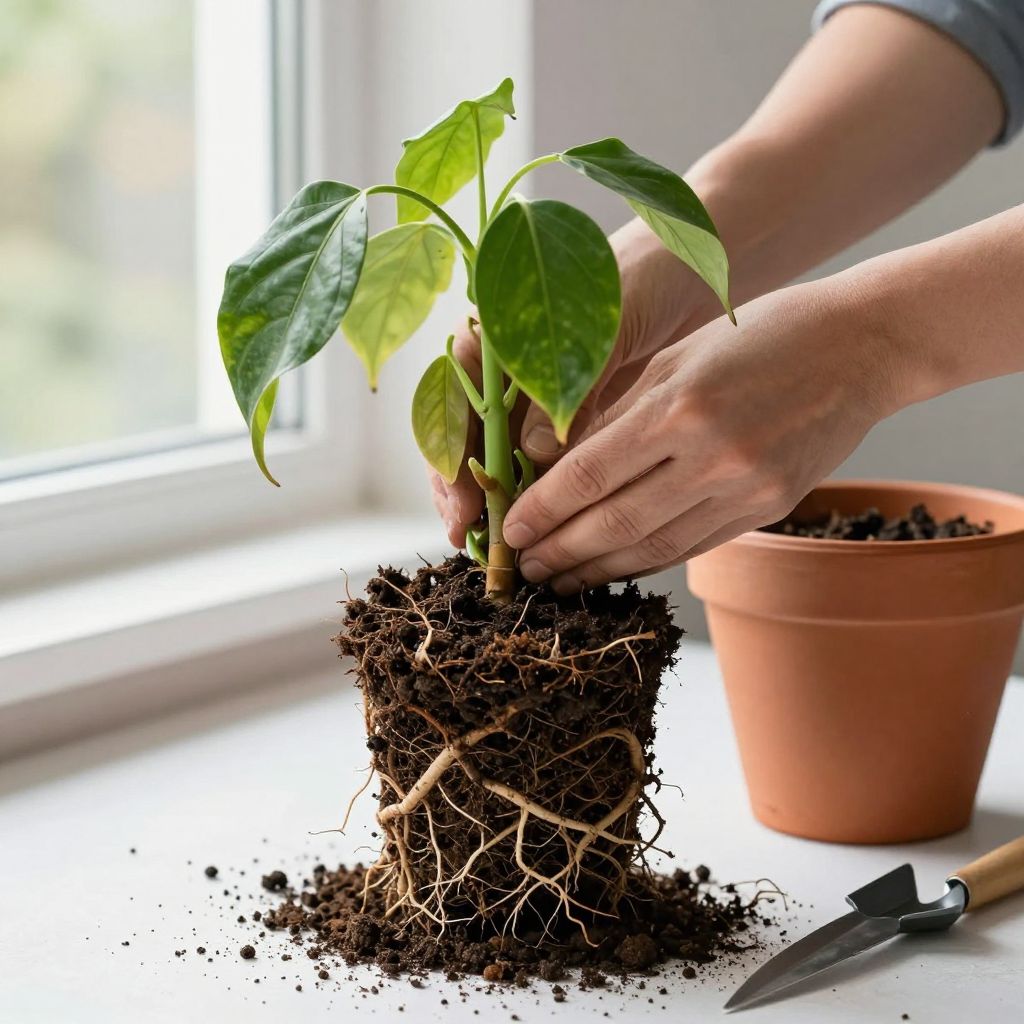
When To Repot
- Roots poke out of drainage holes.
- Water rushes straight through the pot.
- The plant keeps wilting even after careful care.
Choose a pot with drainage holes and fresh, airy soil so the roots can breathe again. This step works especially well for plants that outgrew their containers or sat in bad soil for too long, and yes, sometimes the roots need the fresh start more than the leaves do.
Wilting plants can look scary, but they rarely need a full funeral right away. Give them these five steps, watch closely, and adjust as you go, because plant rescue usually rewards patience. Trust me, a droopy plant can bounce back faster than you’d expect when you finally stop guessing and start helping.