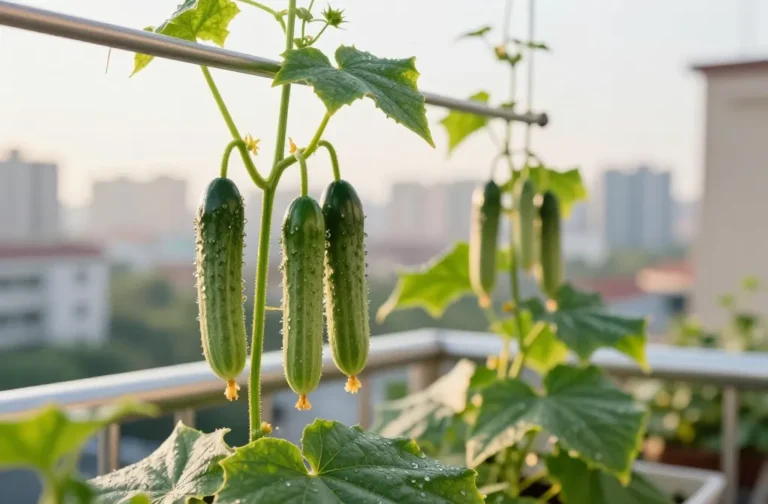
10 Signs Your Garden Is Overwatered Before It Turns Mushy
Your garden can absolutely get too much love. If the soil stays soggy, the roots start gasping, and suddenly your “lush” beds look more like a mini bog. The good news? You can spot the warning signs early and fix the mess before your plants throw in the towel.
Let’s get into the 10 biggest clues your garden is drowning and what to do about it. FYI, some of these signs look weirdly similar to underwatering, which makes gardening feel like a prank sometimes.
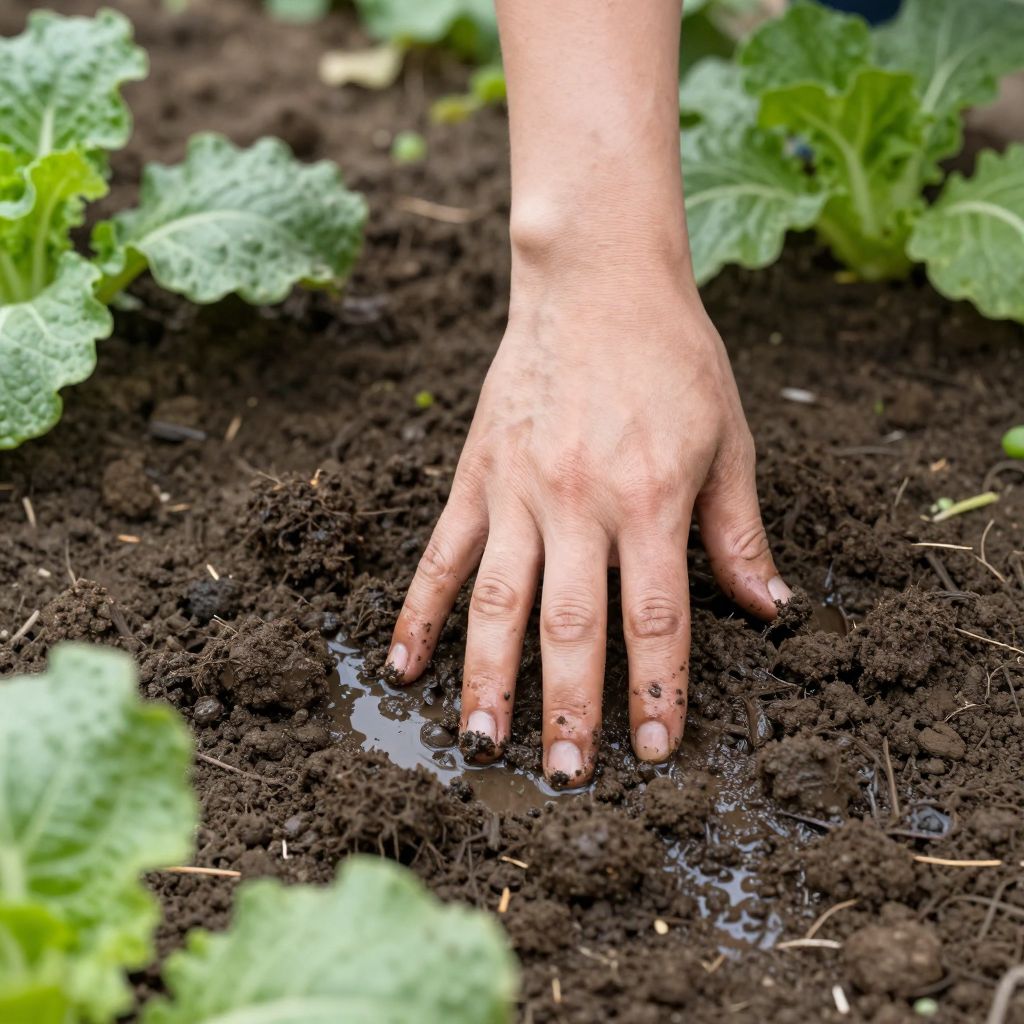
1. The Soil Feels Wet Long After Watering
If you touch the soil and it feels damp for days, your garden probably holds more water than it needs. Healthy soil should feel moist, not like a wrung-out sponge that never got the memo.
What to look for:
- Sticky, muddy topsoil
- Water pooling after irrigation or rain
- Soil that clumps together when you squeeze it
Cut back watering and check drainage fast, especially in heavy clay soil. This clue matters most when you want to stop root damage before it starts.
2. Leaves Turn Yellow, But Not the Cute Kind
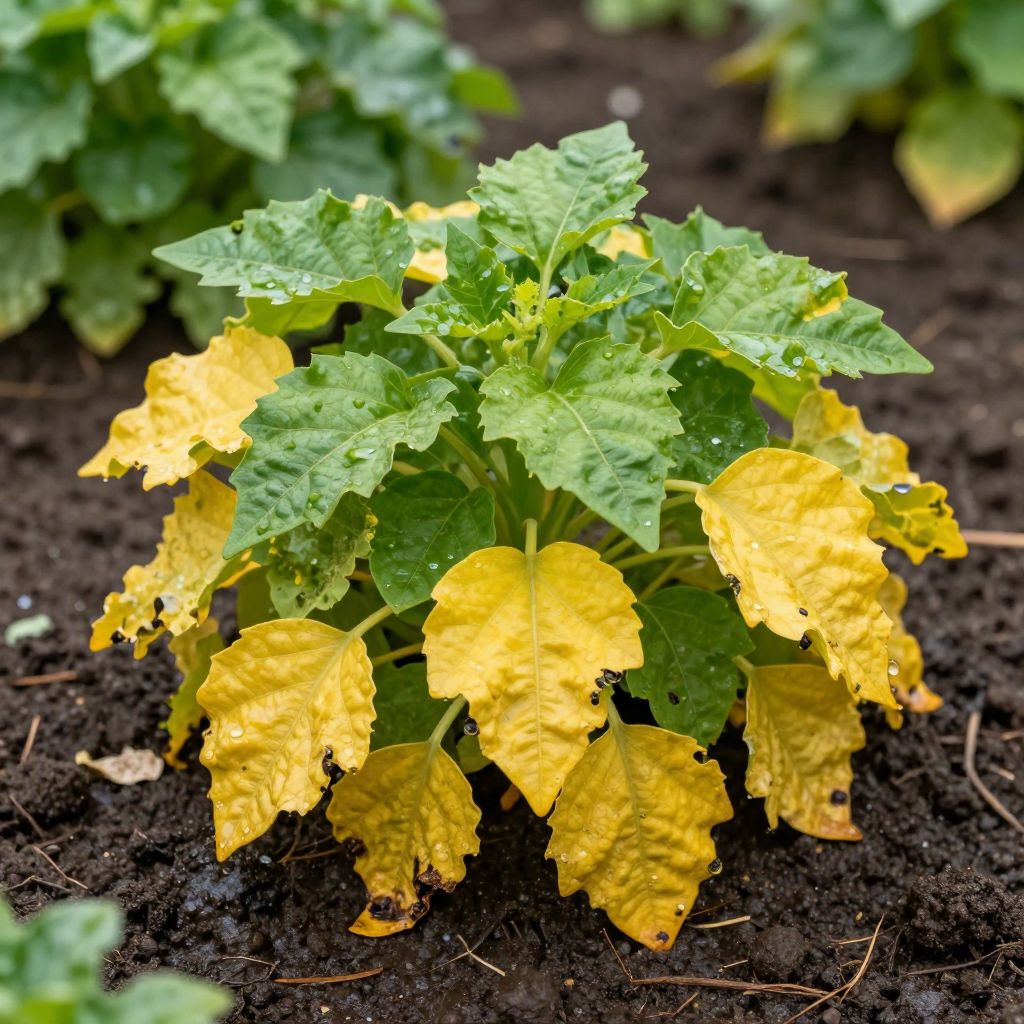
Yellow leaves can scream “water trouble,” and overwatering often causes the lower leaves to fade first. The plant can’t move oxygen properly, so the foliage starts looking tired and sad instead of vibrant.
Watch for:
- Yellowing on older leaves
- Leaves that feel soft or limp
- Yellow leaves dropping off early
Trim damaged foliage and ease up on watering. This sign works best as an early alarm before the whole plant starts throwing a tantrum.
3. Your Plants Look Droopy Even When the Soil Stays Wet
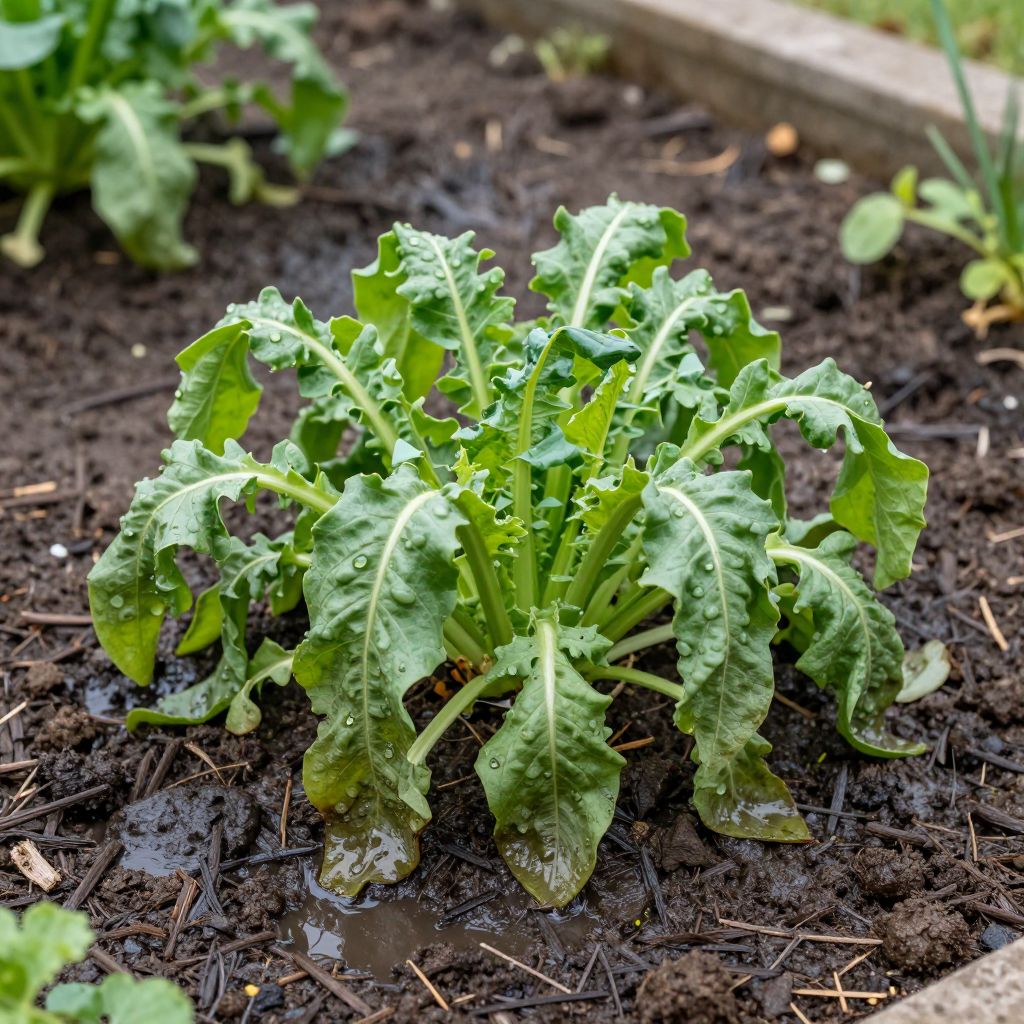
Drooping usually makes people reach for the hose, but wet soil changes the game. Overwatered roots struggle to pull in oxygen, so the plant wilts even though the ground stays saturated.
Quick check:
- Leaves hang down despite recent watering
- Stems feel weak or floppy
- The plant perks up only briefly, then sinks again
Hold off on watering and let the soil dry a bit before you try anything else. Trust me, this one fools a lot of gardeners.
4. Mushy Stems or Soft Bases Show Up
Soft stems and squishy plant bases usually mean rot has already started. That mushy feeling happens when roots and lower stems sit in wet conditions for too long.
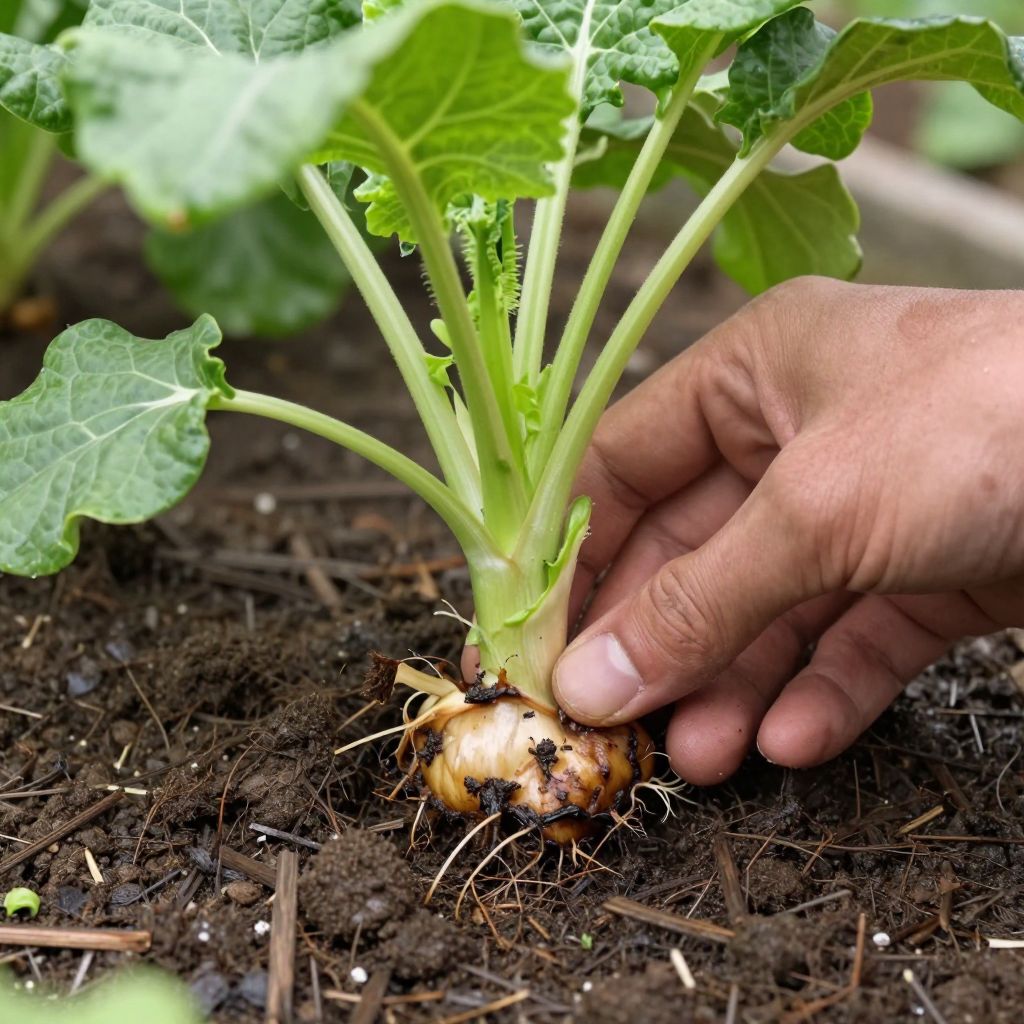
Red flags:
- Stem bases that feel soft when pressed
- Dark, slimy patches near the soil line
- Parts of the plant collapsing at the base
Remove badly damaged sections and improve airflow around the plant. This is your “act now” moment, because rot loves to spread like gossip.
5. Fungus or Mold Starts Hanging Around
Too much moisture invites fungal drama. When you spot mold, mildew, or weird fuzzy growth on the soil or plant surface, your garden basically sent you a distress signal.
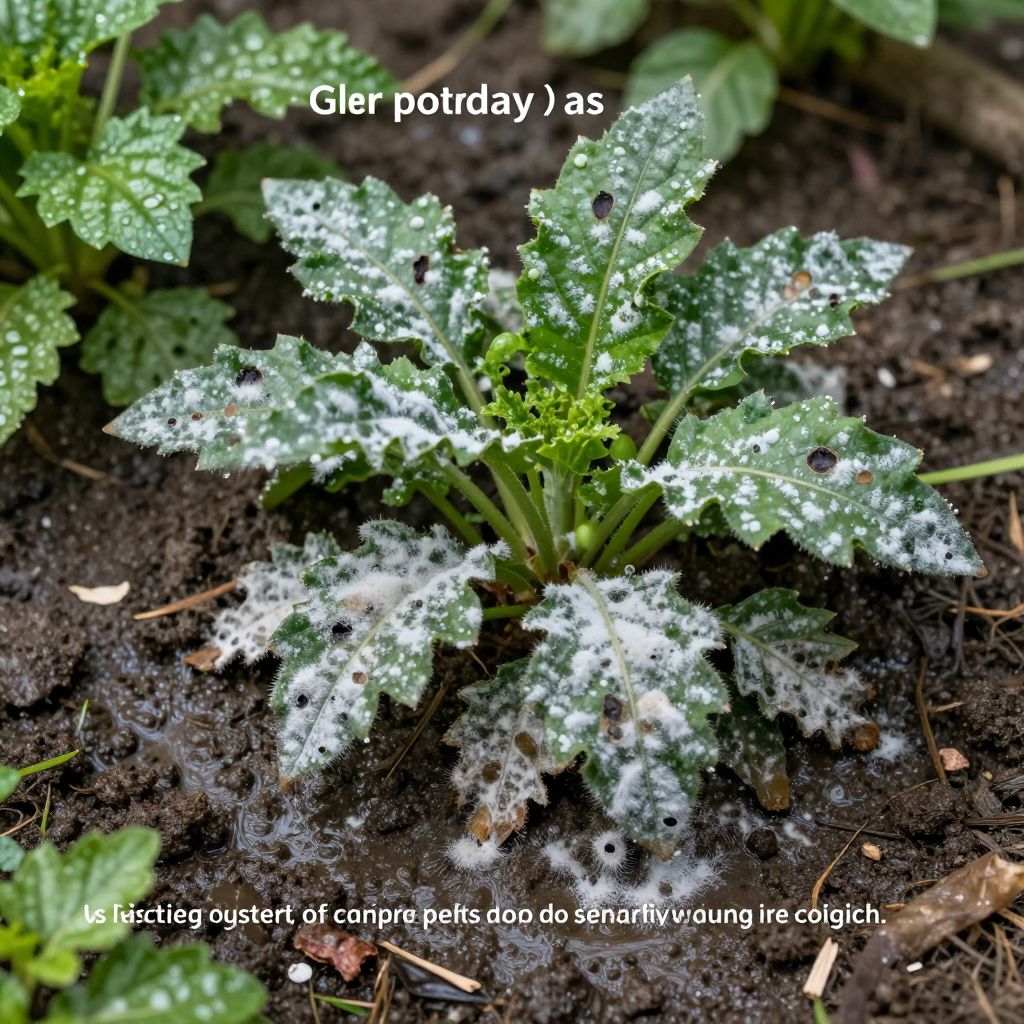
Common signs:
- White or gray fuzz on soil
- Powdery mildew on leaves
- Dark spots that spread fast
Remove affected debris and reduce watering right away. This works especially well in shady spots where moisture sticks around longer than it should.
6. The Garden Smells Funky
A healthy garden should smell like soil, leaves, and maybe a little rain. If you catch a sour, swampy, or rotten smell, your soil probably sits too wet for too long.
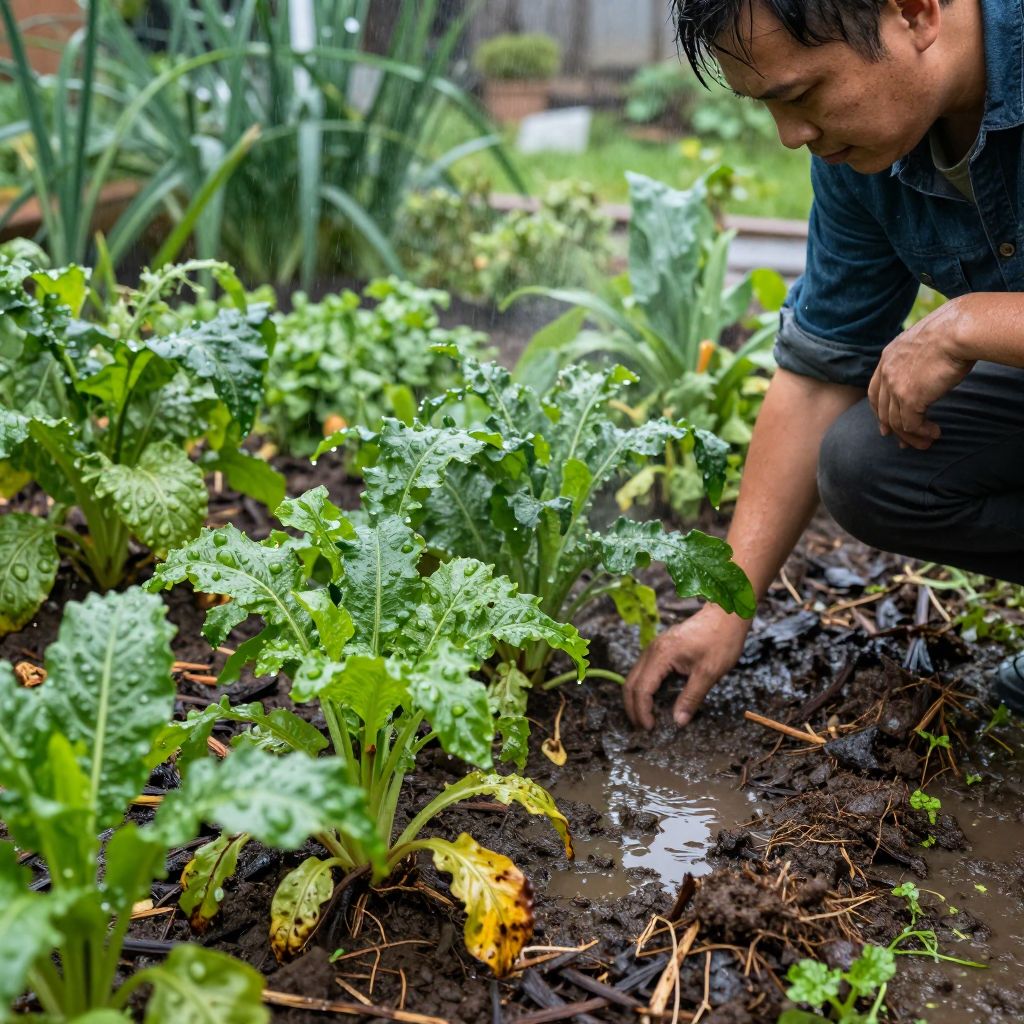
Smell clues include:
- Rotten egg or sour odors
- Musty smells near plant roots
- Stagnant water scent in beds or pots
That smell often means poor drainage or root rot already brewing. Seriously, if your garden smells off, don’t ignore it.
7. Pests Show Up for the Free Buffet
Overwatered plants often attract fungus gnats, slugs, and other moisture-loving pests. These little freeloaders love soggy soil and weak plants almost as much as gardeners hate them.
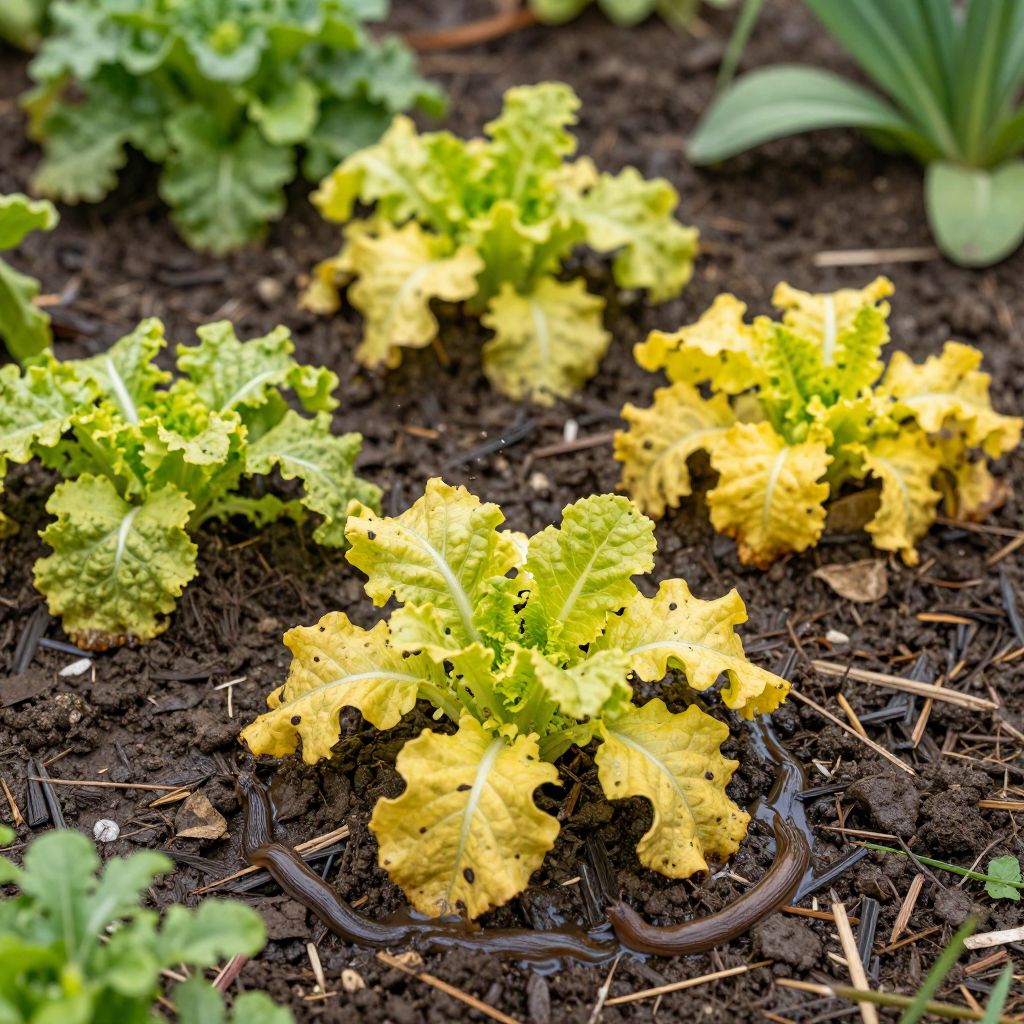
Look for:
- Gnats hovering over the soil
- Slime trails around beds
- Chewed leaves with soft, wet patches
Let the soil dry between waterings and clean up debris where pests hide. This step helps because fewer pests means less stress for plants already fighting soggy conditions.
8. Growth Slows Down Big Time
Plants need oxygen in the root zone to grow well, and too much water blocks that oxygen. When growth stalls, your garden might look alive, but it acts like it’s stuck in slow motion.
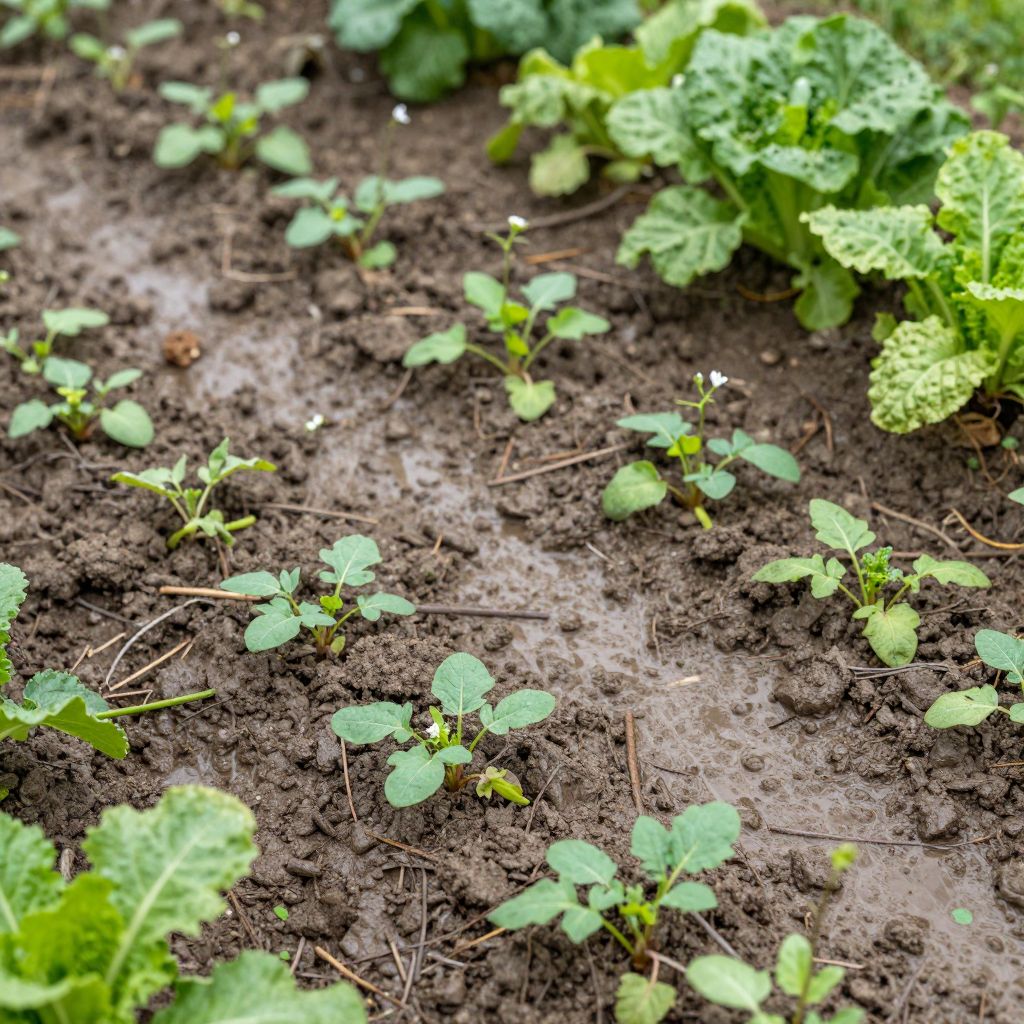
Signs of stalled growth:
- Small new leaves
- Few flowers or no fruit
- Stems that stop stretching upward
Feed less, water less, and focus on drainage first. Once the roots recover, growth usually bounces back with a little patience.
9. Soil Loses Its Structure
Healthy soil should feel crumbly and airy, not packed and greasy. Overwatering breaks that nice structure down, which makes it harder for roots to breathe and spread.
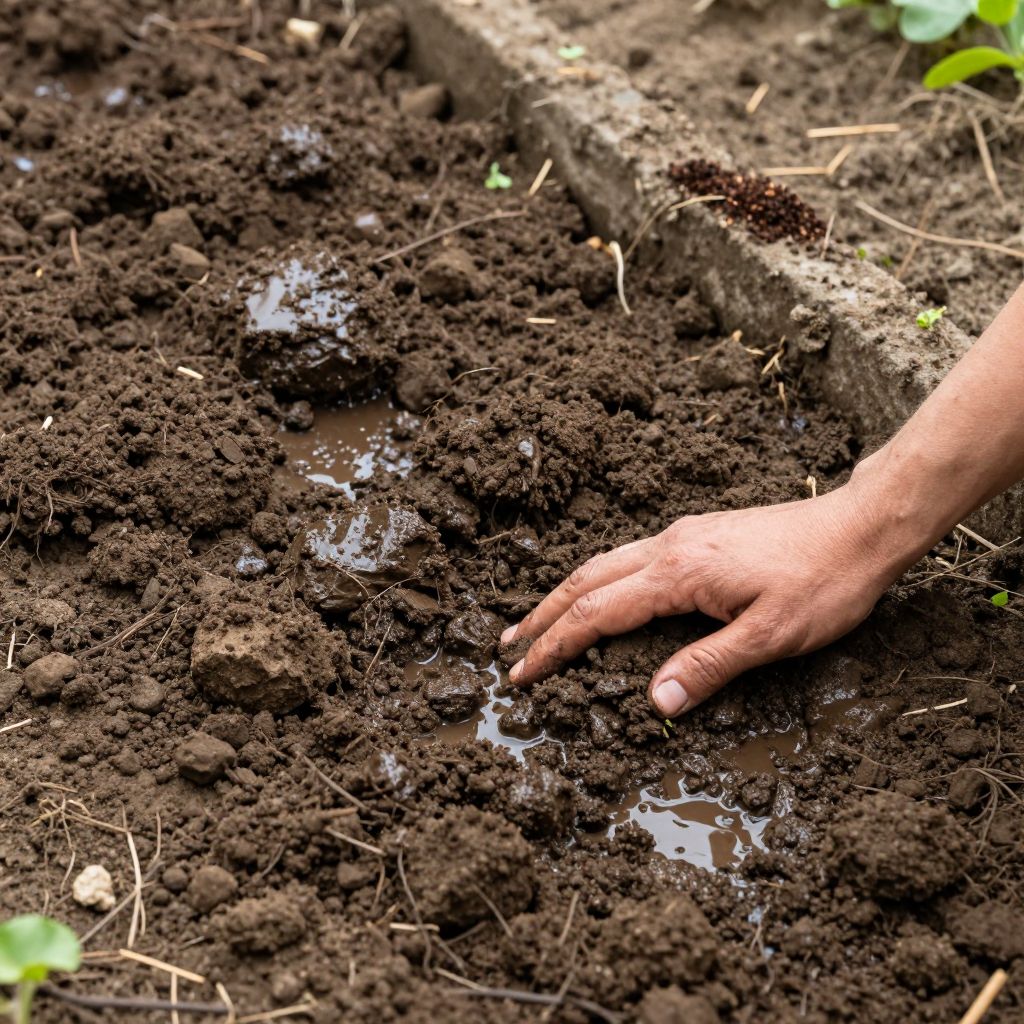
What soil trouble looks like:
- Compacted, heavy beds
- Water running off instead of soaking in
- Puddles forming after a light watering
Add compost, mulch lightly, and avoid stepping on wet beds. IMO, this fix pays off fast because better soil structure makes every future watering work smarter.
10. Roots Rot When You Check the Plant
This is the big one. If you gently inspect roots and see brown, black, mushy, or smelly roots instead of firm, pale ones, overwatering has already crossed the line.
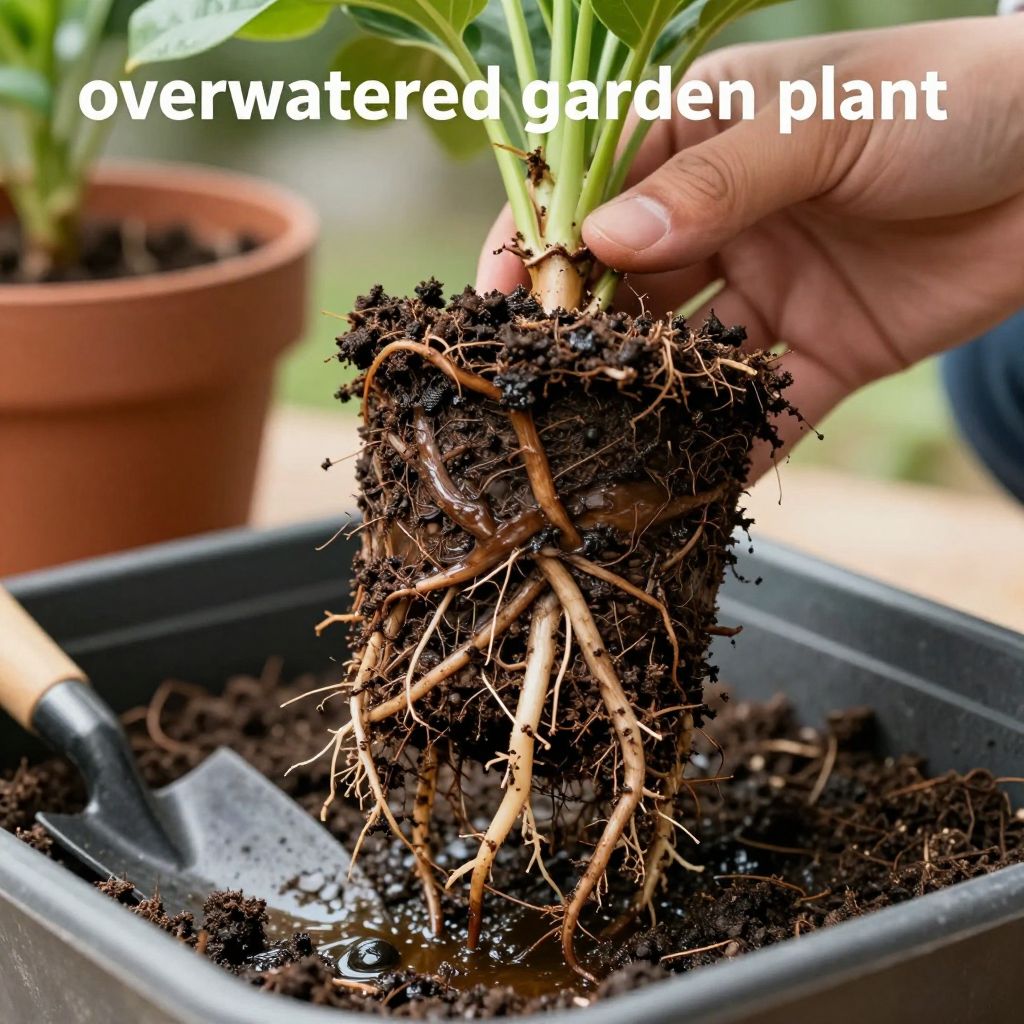
Healthy roots should:
- Feel firm, not slimy
- Look light-colored and fresh
- Smell earthy, not rotten
Trim dead roots, repot or replant in fresh well-draining soil, and water much less often. Use this step when you need a true rescue mission, not just a tiny adjustment.
Your garden can recover, and it usually bounces back faster than you expect once you stop the soggy cycle. Watch the soil, trust the clues, and give your plants the breathing room they deserve. A little restraint now can save you from a whole lot of mush later.