12 Perennials That Need Dividing Now for Bigger Blooms
Some perennials act like they own the garden bed. They sprawl, crowd their neighbors, and then have the audacity to bloom less every year.
That’s where division comes in. Split these plants at the right time, and you’ll usually get stronger roots, better airflow, and a flower show worth bragging about.
Ready to rescue the overcrowded suspects? Let’s get into the 12 perennials that deserve a little tough love right now.
1. Iris: The Drama Queen With a Crowded Rhizome
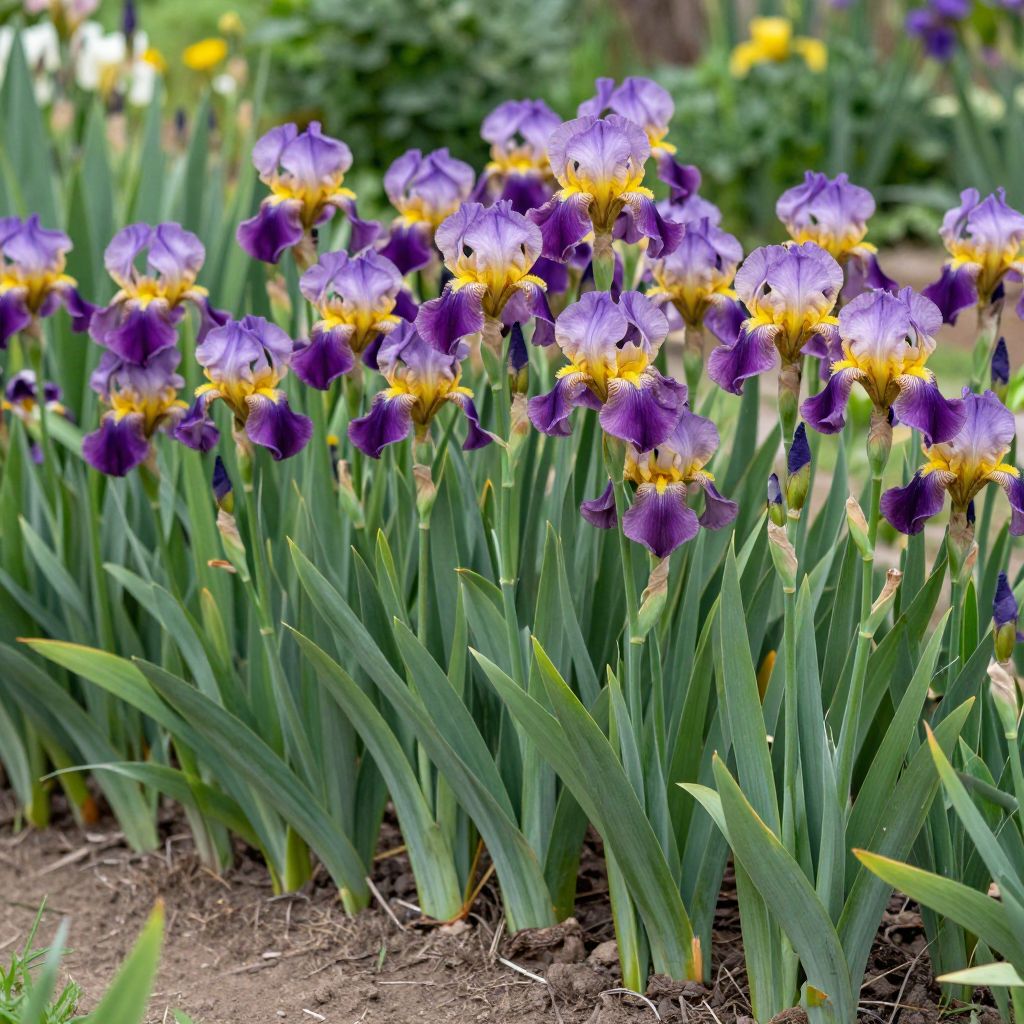
Irises love to put on a big show, but they hate being packed together. Once the rhizomes start stacking up on top of each other, blooms can drop fast.
Why Divide Them
Division helps irises breathe, spread out, and bloom harder. If you want fresh flowers instead of a leafy clump with trust issues, this is your move.
- Divide after flowering
- Keep the rhizomes near the soil surface
- Remove old, woody centers
Use this when your iris patch looks crowded or bloom count keeps shrinking.
2. Daylilies: The Overachievers That Still Need Space
Daylilies grow fast, and honestly, they can turn into a tangled mess if you ignore them long enough. You’ll still get foliage, but the blooms can get smaller and less frequent.
What To Watch For
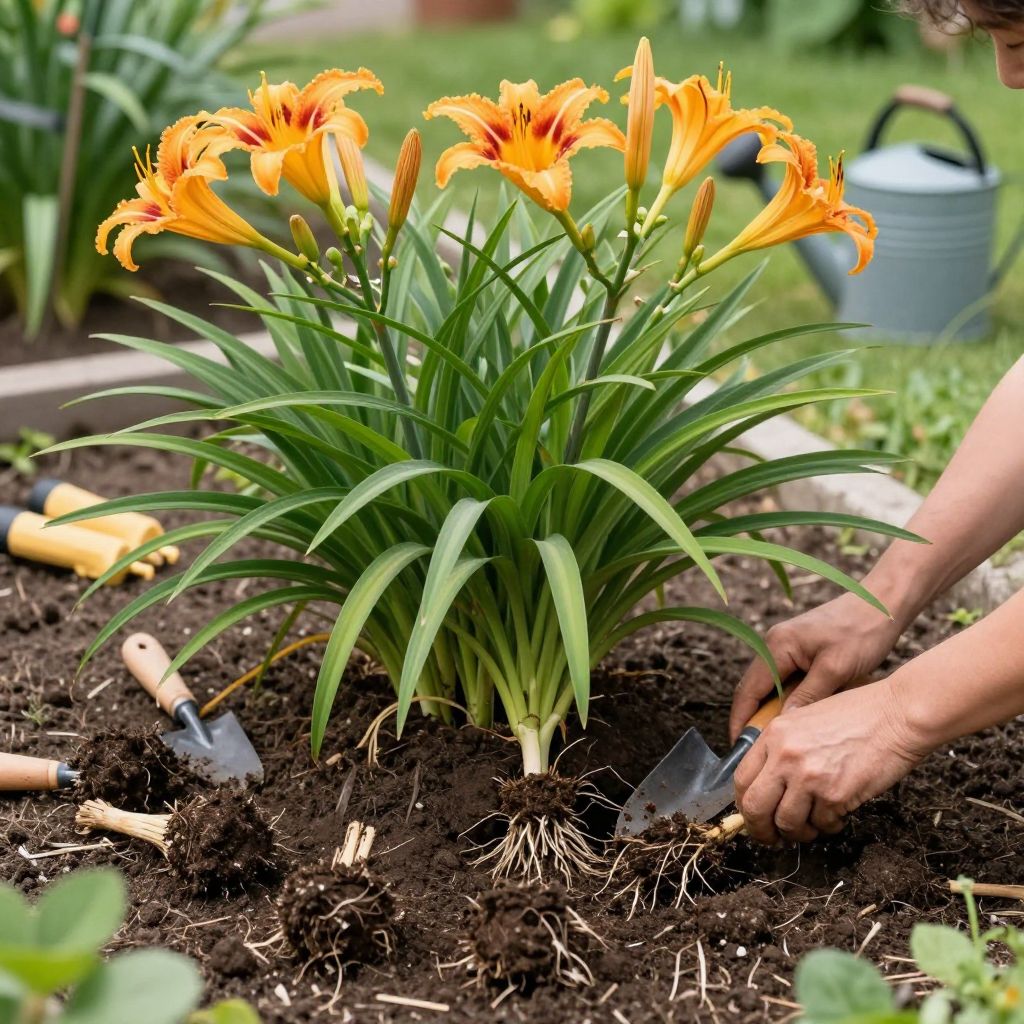
If the clump feels dense or flowers thin out, it’s time to split. FYI, daylilies recover quickly, so they make division feel almost suspiciously easy.
- Dig up the whole clump
- Separate healthy fans with roots attached
- Replant with room to spread
This works best when you want more plants and a fuller display next season.
3. Hostas: The Shade Lovers That Hate Being Cramped
Hostas look calm and low-maintenance, but they can get crowded in a hurry. When the center starts thinning or the leaves shrink, division helps them reset.
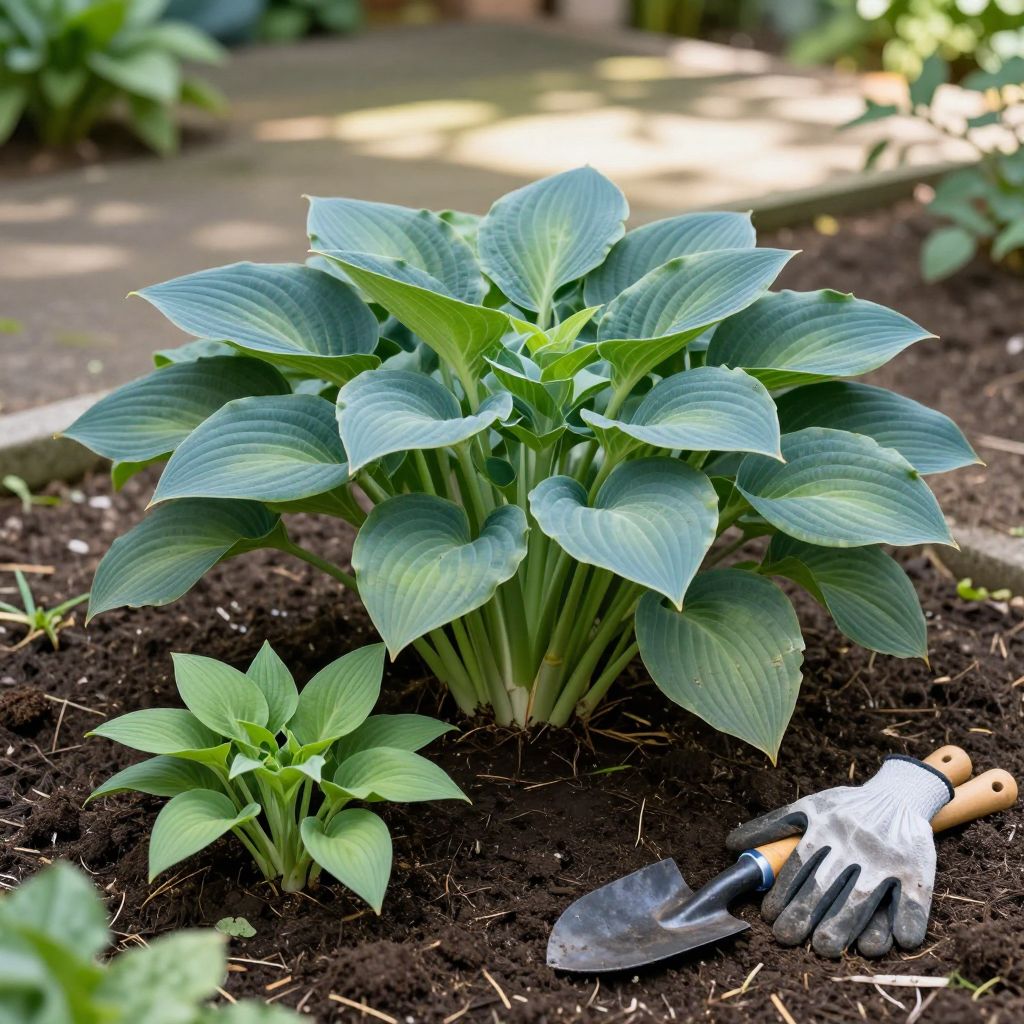
These plants thrive when you give them breathing room and fresh soil. Seriously, a split hosta often looks like it just got its life together.
- Divide in spring or early fall
- Look for healthy outer growth
- Throw out mushy or dead centers
Divide hostas when you want bigger foliage and a cleaner, fuller clump.
4. Peonies: The Bloom Machines That Reward Patience
Peonies do not love being moved around, but crowded clumps still need dividing eventually. When blooms decline and stems get congested, the plant needs a reset.
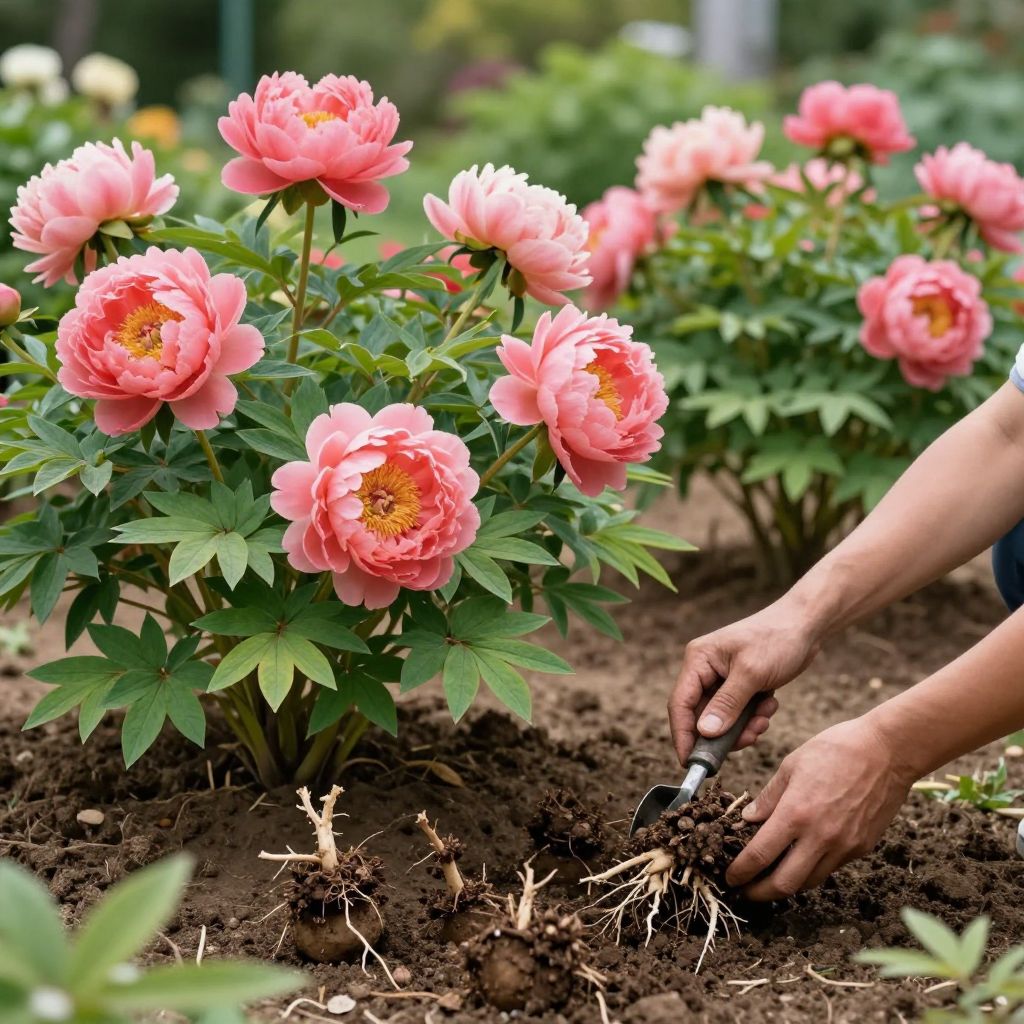
Take your time with these beauties. They may sulk a bit after division, but healthier spacing usually means better performance later.
Quick Tip
Keep each division to a few strong eyes and healthy roots. More isn’t always better here, and peonies love a bit of elegance anyway.
Use this when your peony patch looks tired, crowded, or oddly stingy with flowers.
5. Black-Eyed Susans: The Sunny Spreaders
Black-eyed Susans can take over a bed if you let them. They form dense clumps that compete with themselves, which makes blooms smaller and growth less vigorous.
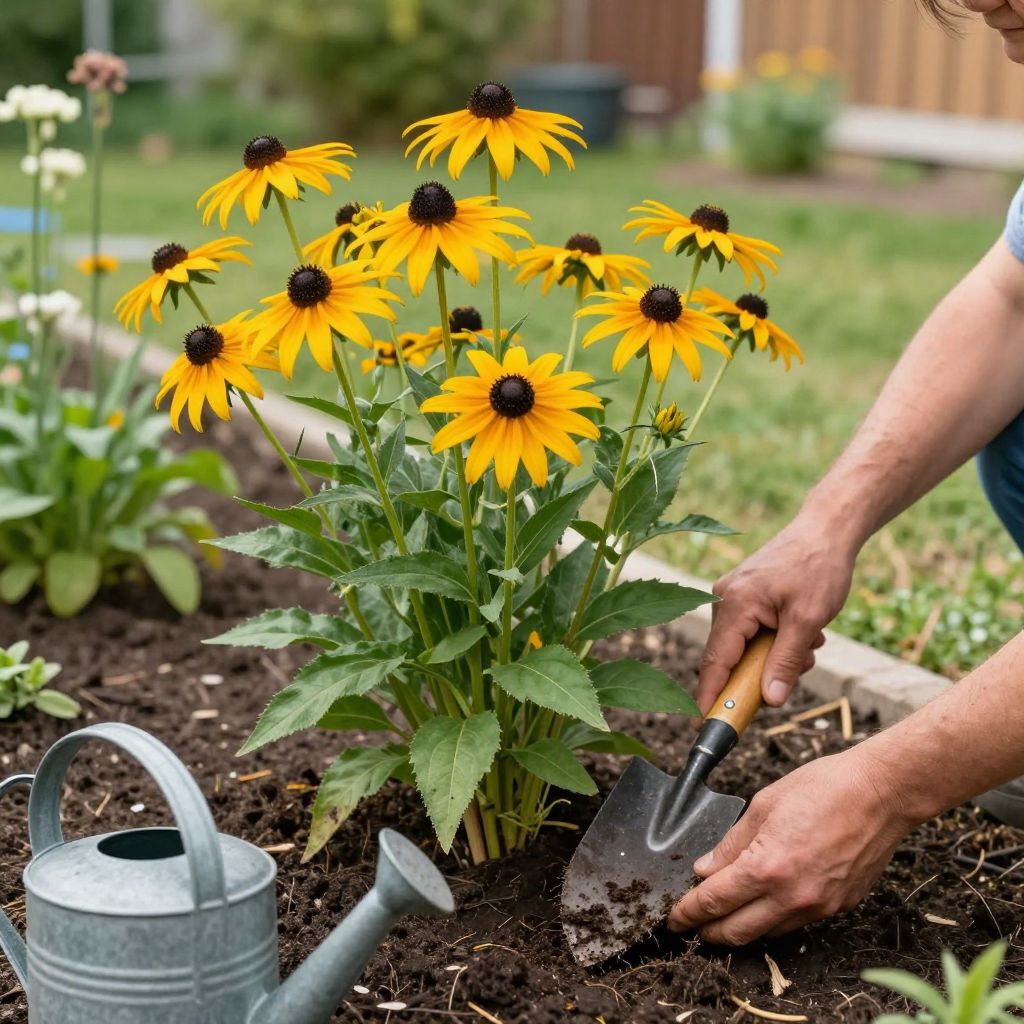
Dividing them keeps the plants productive and stops the center from turning into a sad, woody knot. Who knew being too successful could be a problem?
- Divide in spring or fall
- Replant vigorous outer sections
- Water well after splitting
This is the right call when the patch looks crowded and flower size starts shrinking.
6. Shasta Daisies: The Cheerful Clumps That Need a Reset
Shasta daisies bring the cottage-garden vibes, but dense clumps can get floppy and less floriferous. When the middle thins out, the whole plant starts looking a little worn out.
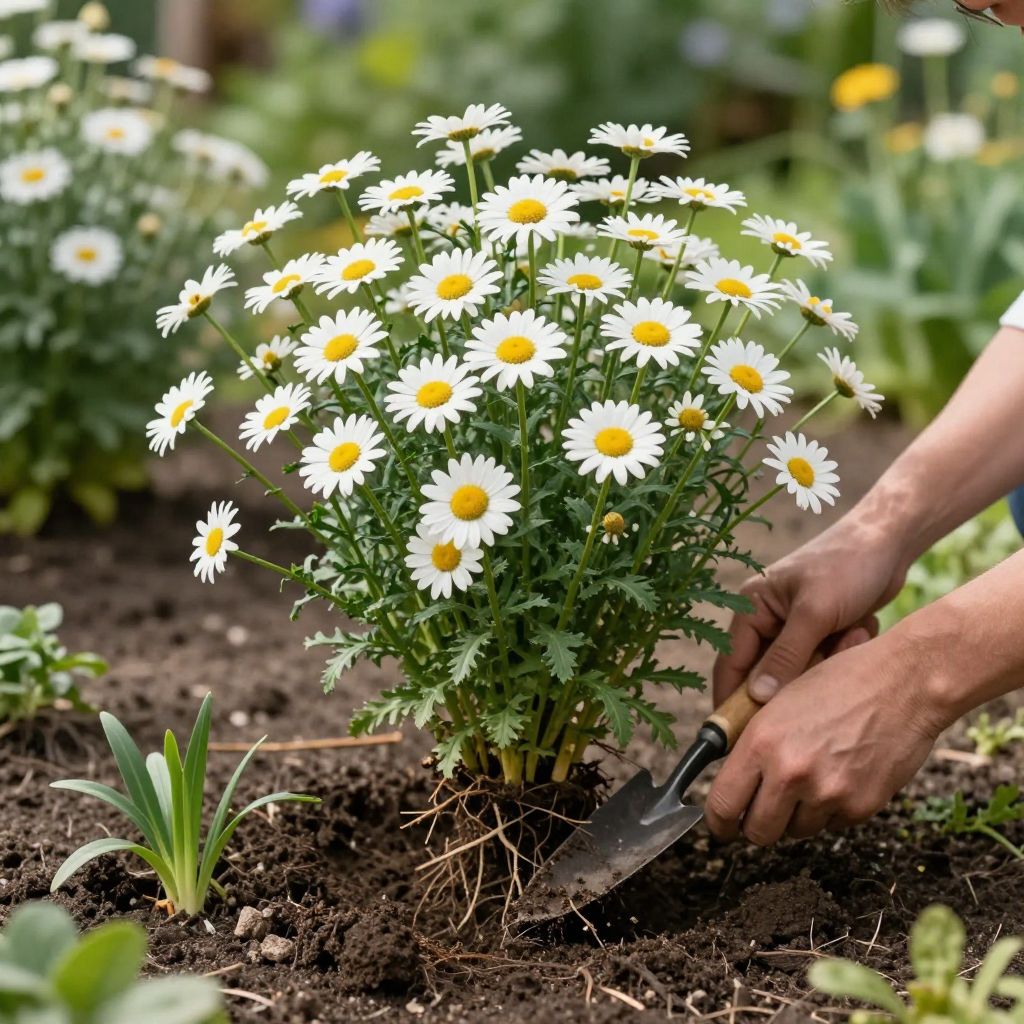
Division keeps the plant compact and encourages fresh flowering shoots. IMO, it’s one of the easiest ways to keep daisies from acting like they retired early.
Best Time To Divide
Go for it in early spring or right after blooming. That timing gives the plant time to rebuild before the next big show.
Use this for fuller plants and more reliable summer blooms.
7. Bee Balm: The Pollinator Magnet That Spreads Fast
Bee balm brings color, fragrance, and bees that seem to RSVP immediately. But when clumps get crowded, powdery mildew and weak blooms can sneak in.
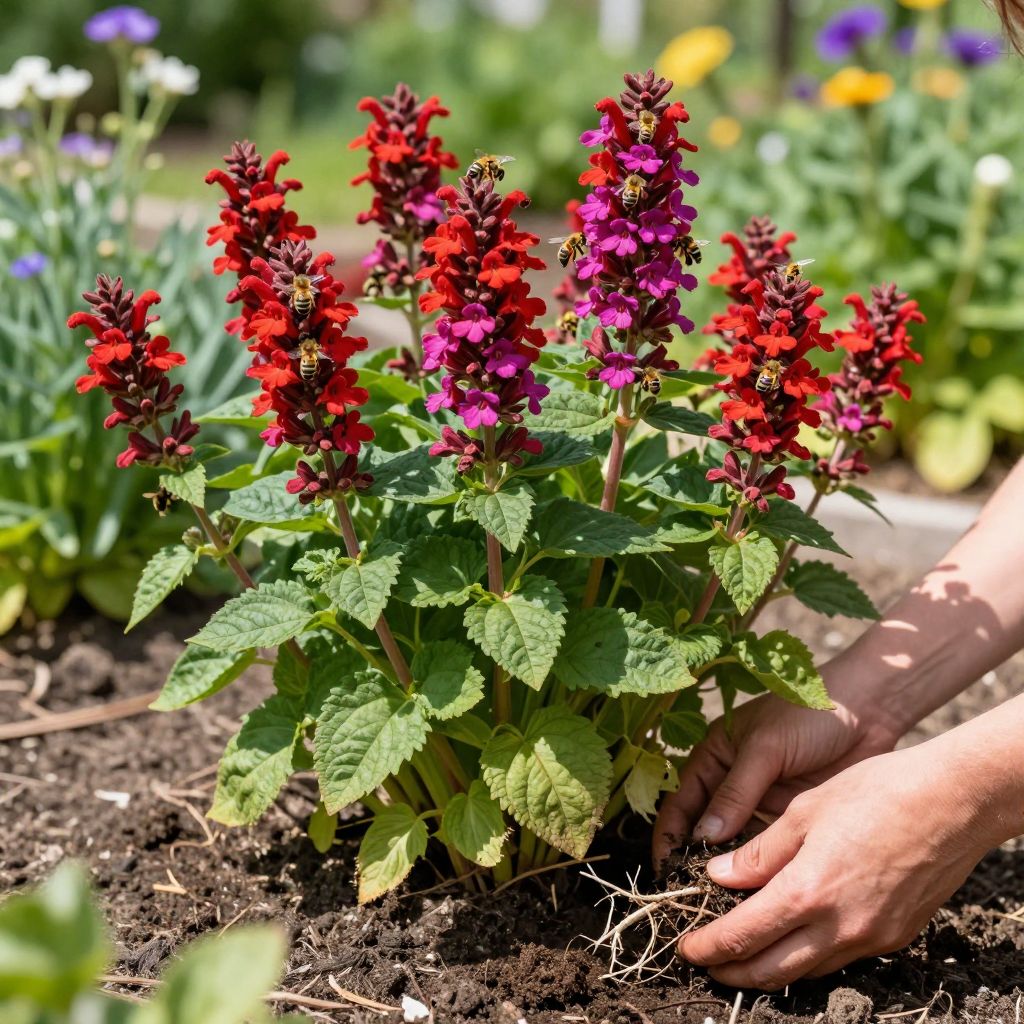
Division improves airflow, which helps the plant stay healthier and happier. And yes, your pollinators will still show up like it’s a garden concert.
- Divide every few years
- Choose healthy, disease-free sections
- Plant in a sunny spot with good air movement
Divide bee balm when you want better blooms and fewer mildew headaches.
8. Sedum: The Tough Cookie With a Soft Side
Sedum looks indestructible, and most of the time it pretty much is. Still, older clumps can get crowded in the middle and flop more than you want.
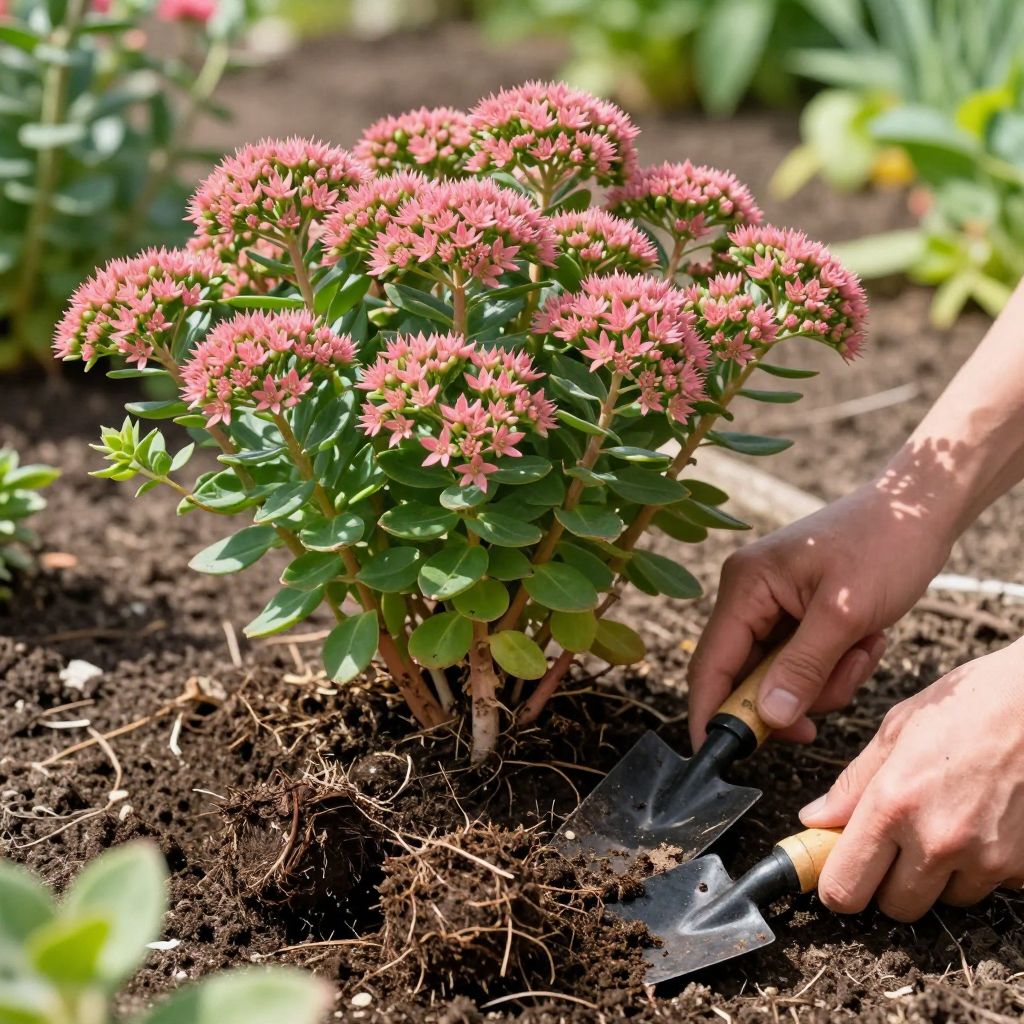
Splitting sedum keeps it tidy and encourages stronger stems. Trust me, a refreshed clump looks much better than a plant doing the botanical lean.
What Makes It Worthwhile
Division helps sedum stay compact, sturdy, and bloom-ready. It also gives you extra plants, which is always a win.
Use this when your sedum feels too wide, too woody, or too eager to collapse.
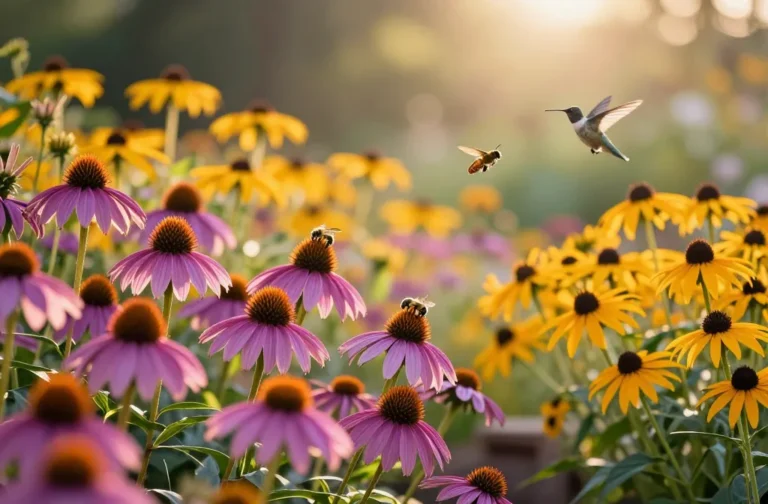
9. Coneflowers: The Pollinator Favorites That Grow Better in Packs
Coneflowers handle a lot, but they still benefit from division when clumps get old and congested. You’ll usually notice fewer blooms and weaker stems in crowded plants.
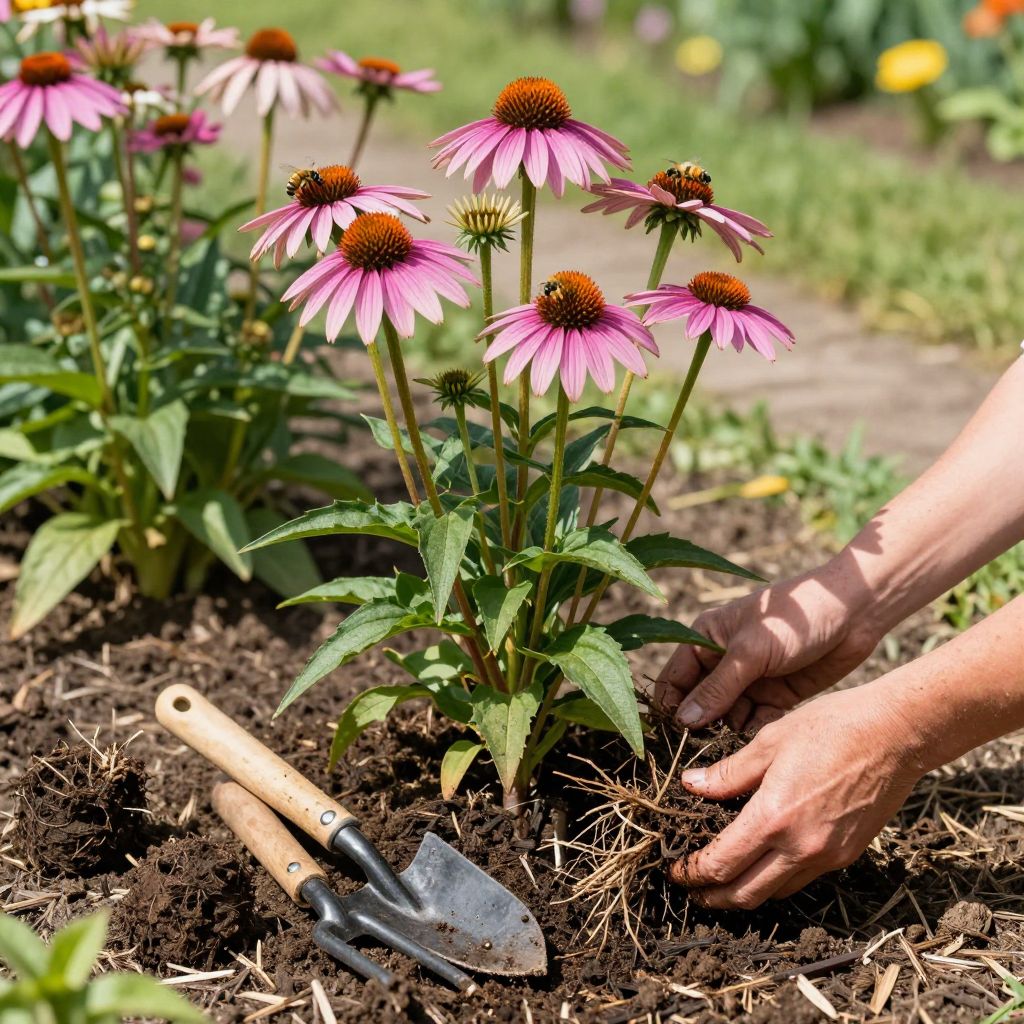
Dividing them gives the roots more room and helps the plant push out fresh growth. Plus, who doesn’t want more coneflowers? The bees have already voted yes.
- Divide in early spring or fall
- Replant divisions quickly
- Water deeply after planting
This works well when you want stronger plants and a longer bloom season.
10. Coreopsis: The Sunshine Streaks That Like Room To Shine
Coreopsis keeps the garden bright, but older clumps can get sparse in the center. When flowering slows down, division usually brings the sparkle back.
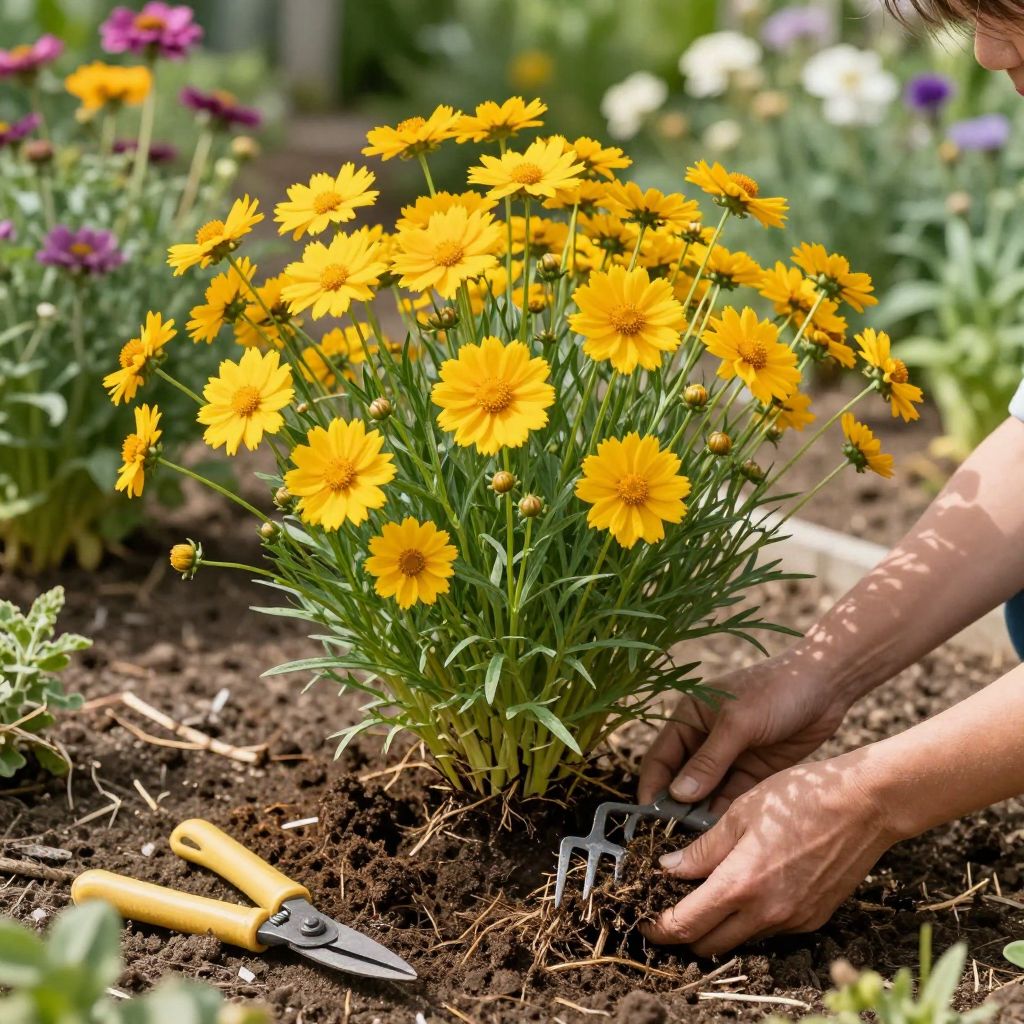
Fresh divisions grow more evenly and put energy into flowers instead of crowding themselves into a botanical traffic jam. Not glamorous, but effective.
Pro Move
Split coreopsis in spring or early fall and trim back tired growth before replanting. That little haircut helps a lot.
Use this when your coreopsis starts looking thin or blooms taper off early.
11. Salvia: The Upright Bloomers That Love a Fresh Start
Salvia plants can get woody or sparse at the base over time. When that happens, division helps refresh the plant and keep those spiky blooms coming.
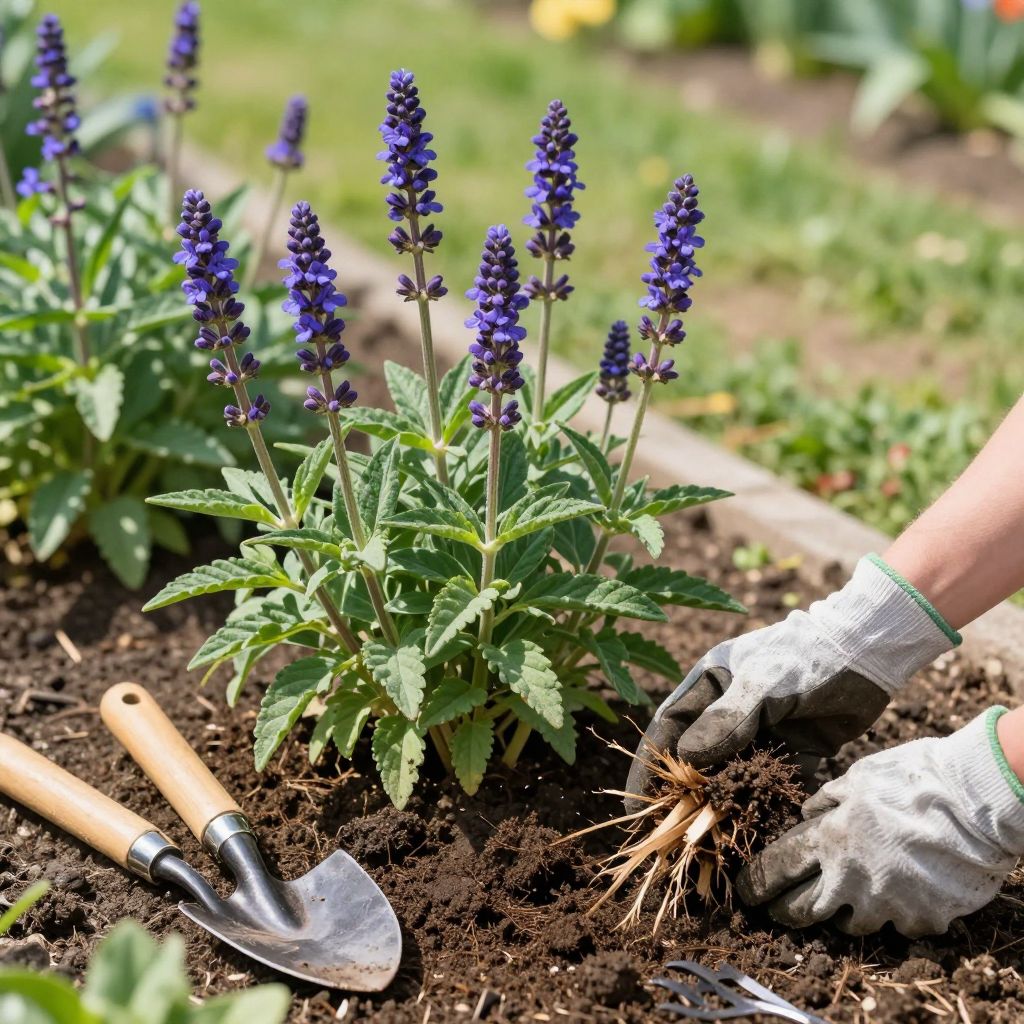
Healthy spacing also improves airflow, which salvia definitely appreciates. It’s basically plant skincare, and yes, it matters.
- Divide older clumps every few years
- Keep the healthiest outer growth
- Replant in well-drained soil
Divide salvia when you want cleaner growth and more reliable flowering.
12. Ornamental Grasses: The Big, Beautiful Space Hoggers
Ornamental grasses bring movement and texture, but mature clumps can get huge fast. Once the center dies out or the plant loses its shape, division brings it back to life.
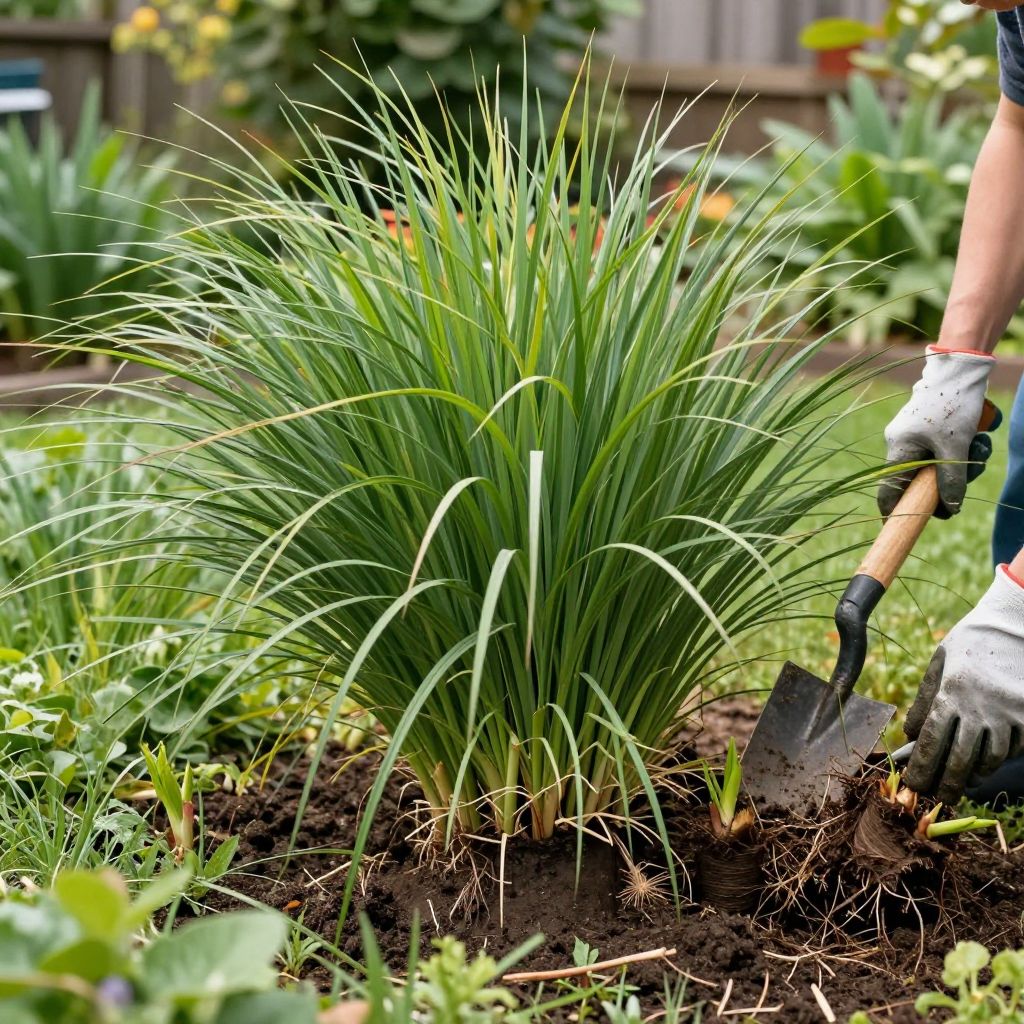
This job can feel a little intense, but the payoff is huge. You get neater plants, better growth, and a chance to keep those grasses from swallowing the entire neighborhood.
When To Do It
Divide in early spring before new growth really kicks in. That timing gives the grass a strong start and keeps the split less stressful.
Use this for any grass that looks tired, hollow in the middle, or just plain oversized.
Division might sound like garden chores with a side of chaos, but the results are worth it. Your perennials will bloom better, look healthier, and stop fighting for space like toddlers in a snack line.
Grab your shovel, pick a cool day, and give a few crowded plants the reset they need. Your garden will thank you with bigger blooms and way less drama.