6 Late-Summer Garden Jobs That Set You Up for a Better Fall Harvest
Late summer is when the garden starts acting dramatic. Some plants are fading, some are still producing like champs, and the whole space basically screams, “Help me before fall shows up.”
The good news? A handful of smart jobs now can turn that chaos into a much better harvest later. Do these six things, and your fall garden will look less like a scramble and more like a plan.
1. Clear Out The Slackers And Make Room For Winners
Some plants have already given you their best, and that’s fine. But if a tomato vine looks tired, a squash plant is done, or a crop keeps turning bitter, it’s time to stop feeding the dead weight.
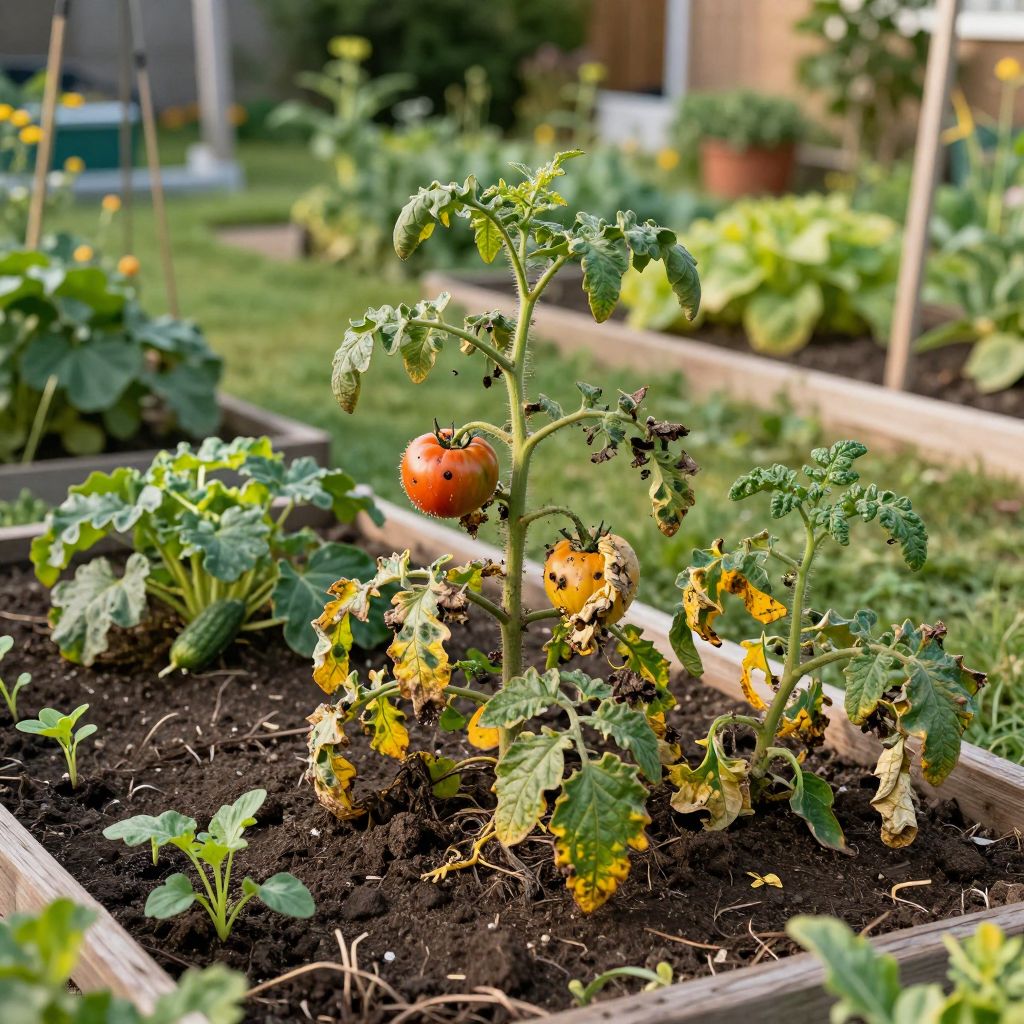
Pulling out spent plants opens up light, airflow, and space for your fall crops. It also cuts down on pests and disease, which love to hang around when old plants stay in the bed too long.
What To Remove First
- Barely producing cucumbers, beans, or squash
- Anything with heavy disease or pest damage
- Plants that have bolted or gone bitter
- Weedy corners that steal water and nutrients
If a plant looks like it’s just freeloading at this point, thank it for its service and move on. Your fall harvest will appreciate the extra breathing room.
2. Keep Watering Like You Mean It
Heat can trick you into thinking everything needs less water because the plants slow down. Nope. Late summer heat often dries soil fast, and stressed plants stop producing the way you want them to.
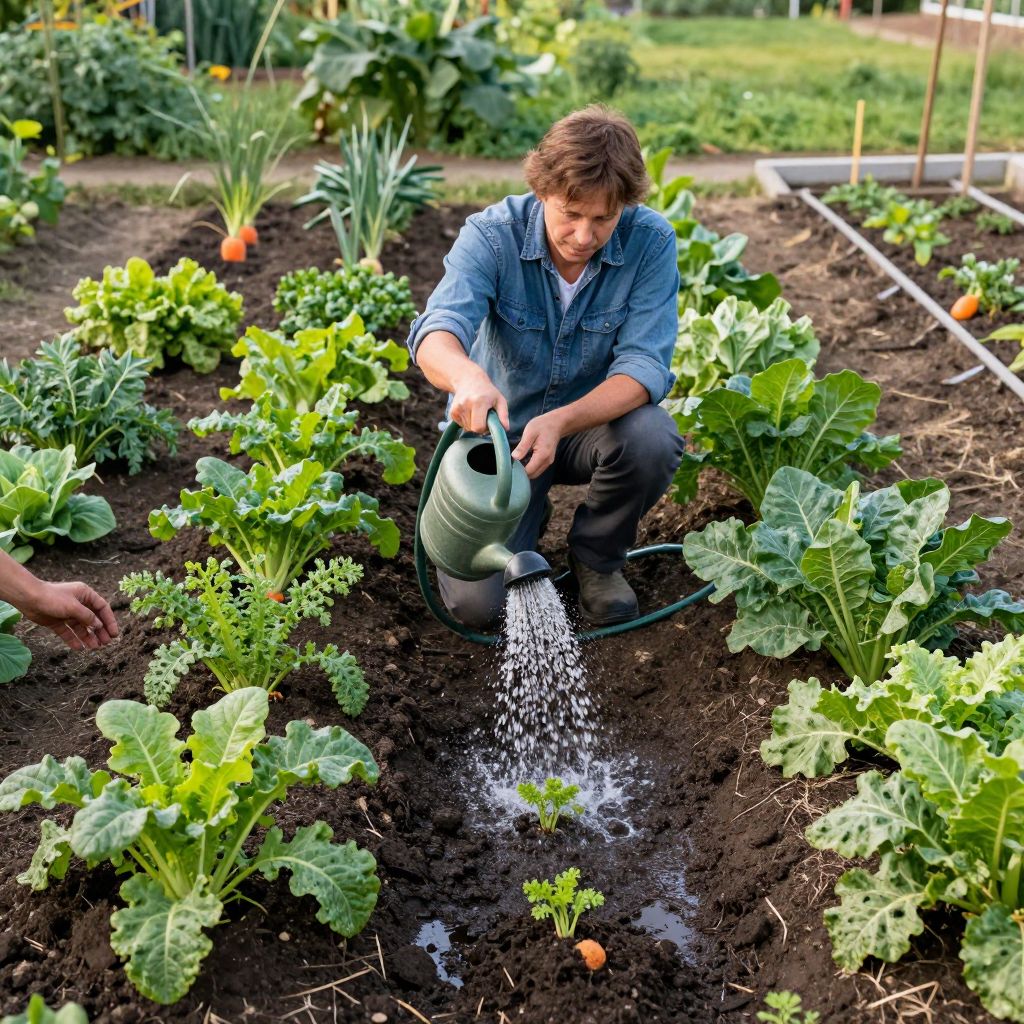
Deep, consistent watering helps roots grow stronger and keeps fruits, roots, and greens on track. Trust me, a thirsty garden turns into a cranky garden very quickly.
Smart Watering Habits
- Water early in the morning
- Soak deeply instead of giving quick sprinkles
- Check soil moisture with your finger before watering again
- Focus on the root zone, not the leaves
Use mulch if you can, because it slows evaporation and keeps the soil cooler. That matters even more when fall crops start settling in.
3. Feed The Soil Before You Feed The Plants
Late summer makes a great time to top off tired beds. The soil has likely spent months supporting tomatoes, peppers, beans, and whatever else you shoved in there back in spring.
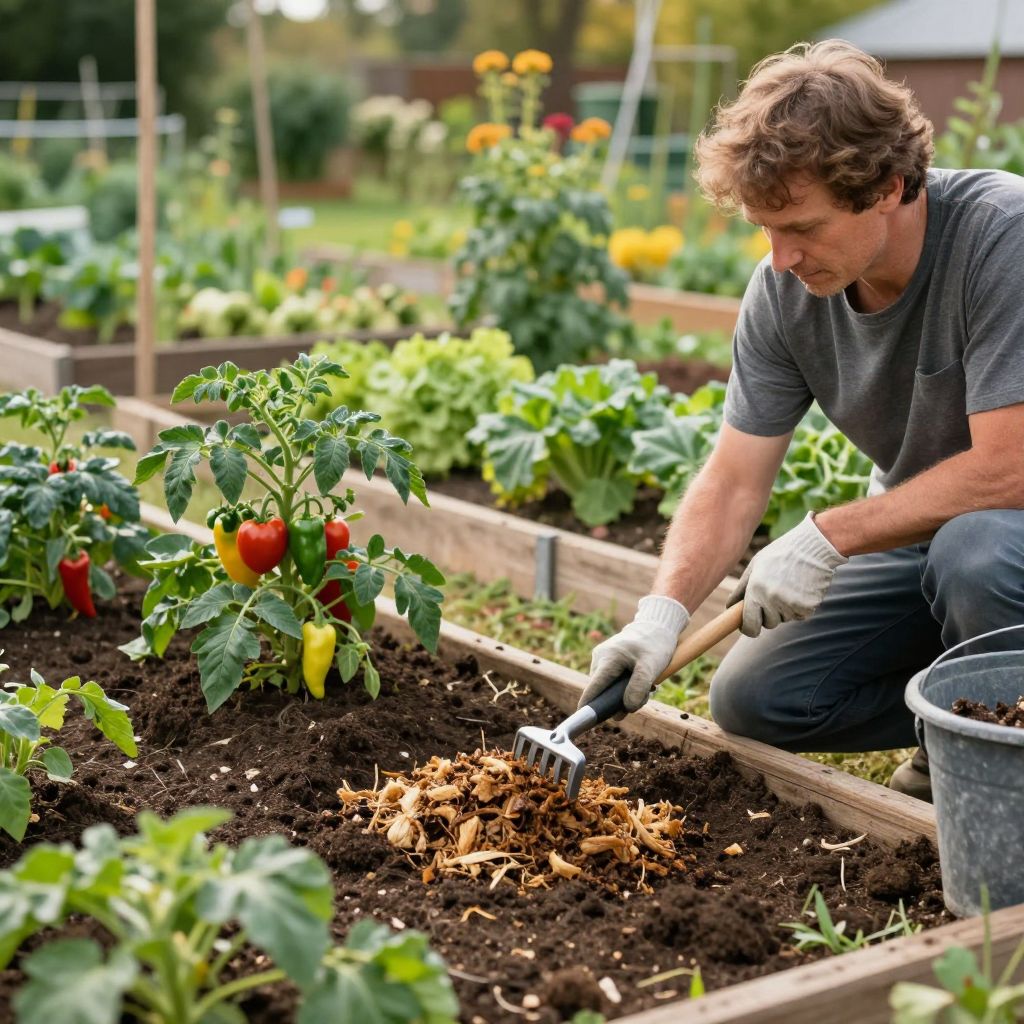
Adding compost or a balanced organic fertilizer gives fall crops a better starting point. FYI, healthy soil does a lot more heavy lifting than most people give it credit for.
Good Soil Boosters
- Finished compost
- Worm castings
- Slow-release organic fertilizer
- Thin layer of aged manure, if appropriate for your beds
Work amendments into the top layer or spread them as a top dressing, depending on what your bed needs. This one step can make a surprisingly big difference in how quickly new crops take off.
4. Sow Fall Crops Before The Window Slams Shut
Fall harvests do not happen by accident. You have to plant the seeds while the soil still holds enough warmth for quick germination, and late summer usually gives you that sweet spot.
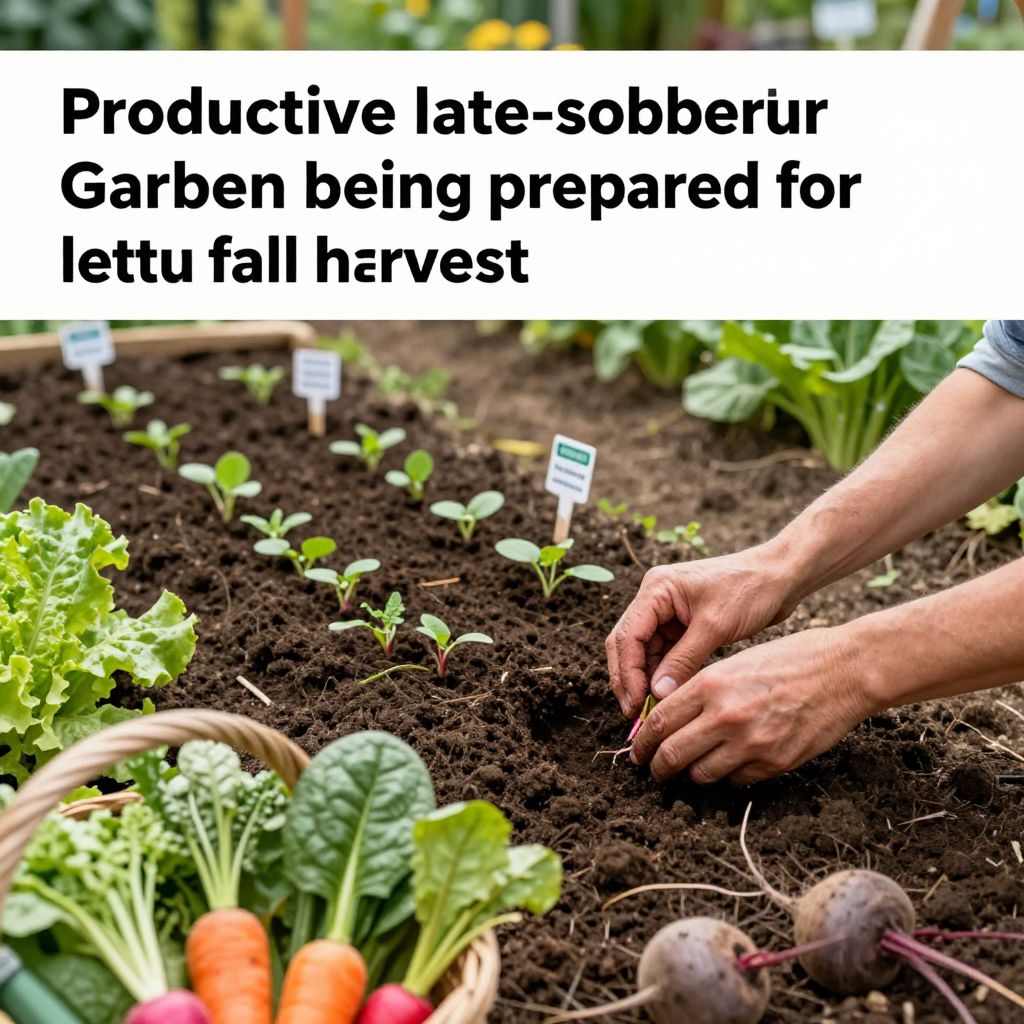
This is your chance to sneak in fast growers before the weather gets too chilly. Seriously, if you wait too long, your “fall garden” becomes a “maybe next year” garden.
Great Crops To Start Now
- Radishes
- Leaf lettuce
- Spinach
- Arugula
- Beets
- Carrots
- Bush beans in warmer zones
Check your local frost date, count backward, and choose crops with short days to maturity. A little timing now can mean a much fuller harvest basket later.
5. Prune, Train, And Support What’s Still Producing
Some plants still have plenty left in the tank, but they need a little coaching. Pruning can redirect energy into fruit production, while staking and tying keep plants from collapsing under their own ambitions.
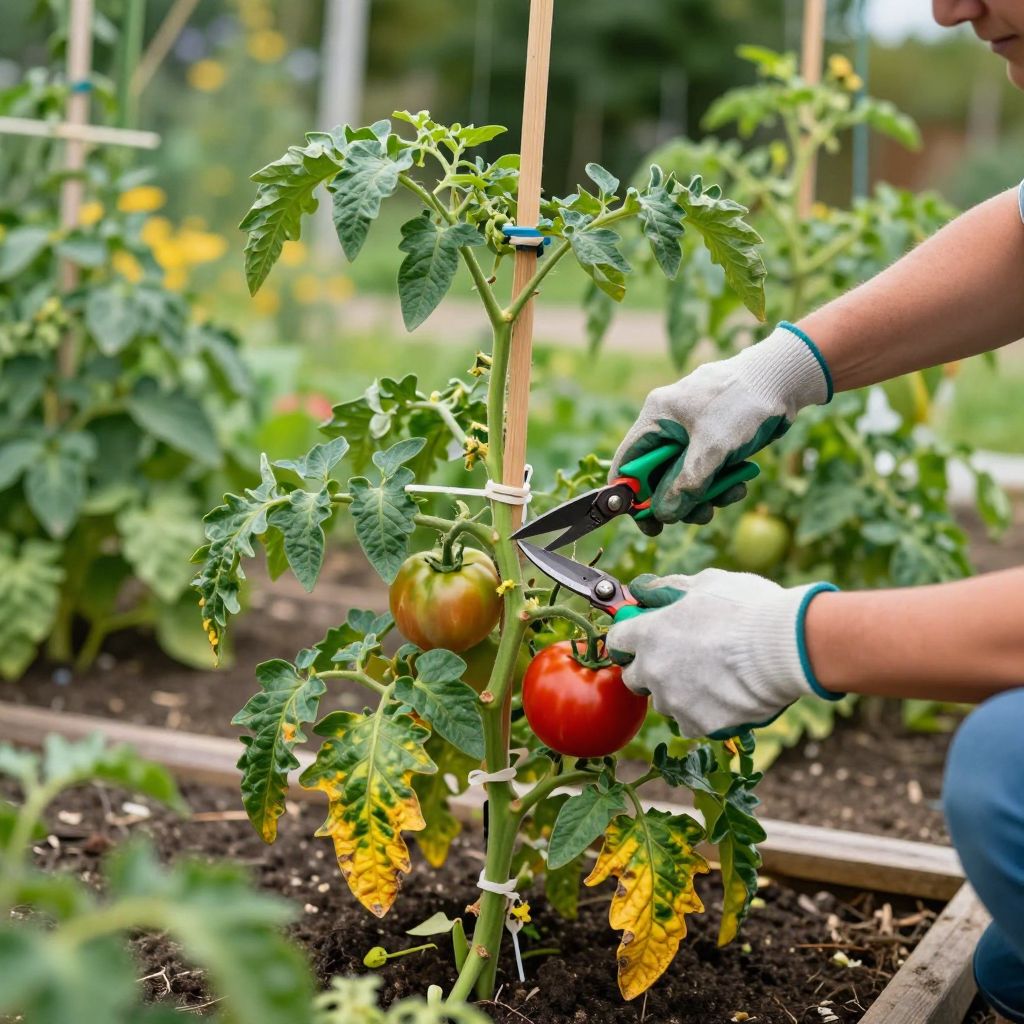
This job keeps the garden cleaner and makes harvesting easier too. No one wants to hunt for peppers in a leafy jungle, IMO.
Focus On These Tasks
- Trim overcrowded tomato growth
- Remove yellowing lower leaves
- Tie up heavy stems with soft garden ties
- Lift fruits off the ground when possible
Watch for plants that lean, sprawl, or shade out nearby crops. A little support now helps you get more usable produce before the season winds down.
6. Mulch And Protect For The Temperature Swings Ahead
Late summer can feel like a preview reel for fall: hot one day, cool the next, and occasionally rude in between. Mulch helps smooth out those swings by keeping roots more stable and soil moisture more consistent.
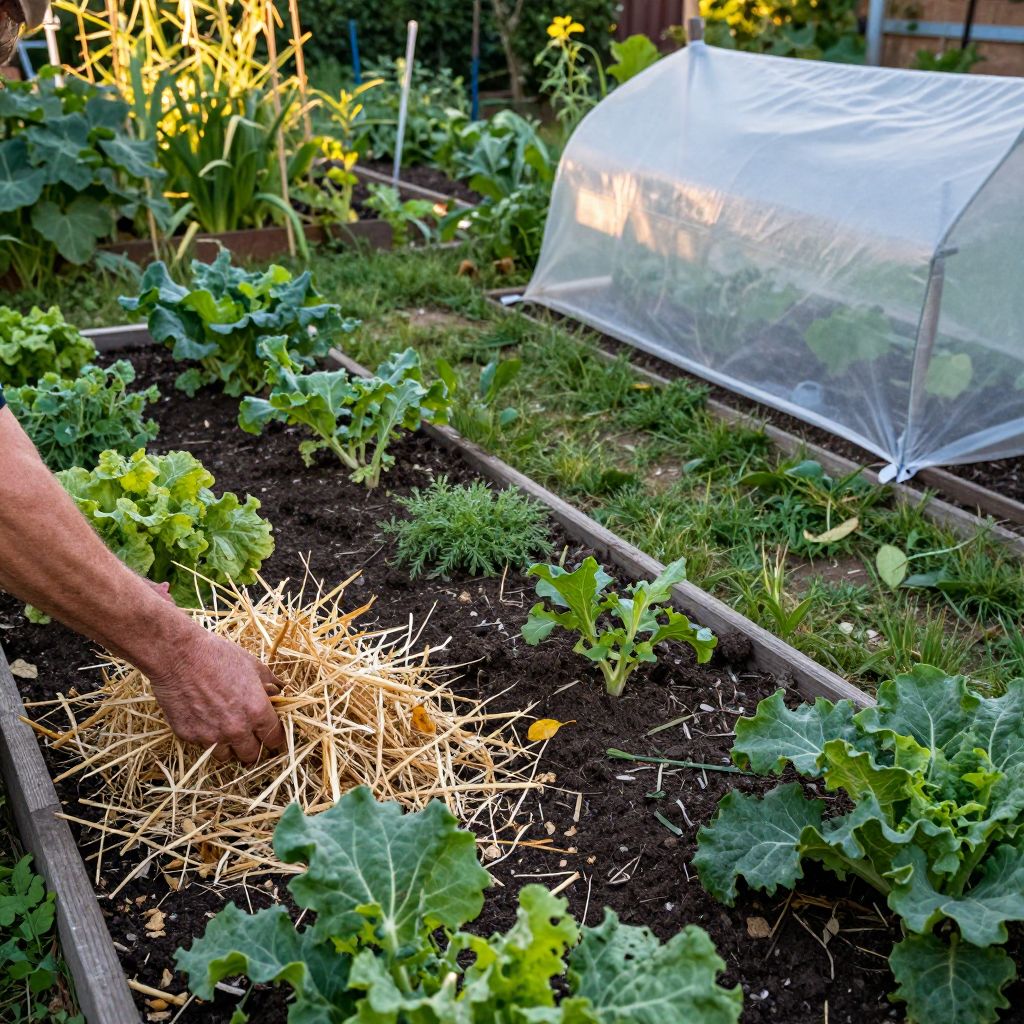
It also blocks weeds, which somehow always show up looking fresh no matter how tired the rest of the garden feels.
Best Mulch Moves
- Add straw, shredded leaves, or untreated grass clippings
- Keep mulch a little away from plant stems
- Refresh thin spots before planting new crops
- Use row covers or cloches if nights turn chilly early
This final layer acts like a safety net for your fall crops. When temperatures start bouncing around, your plants will have a much easier time settling in.
Late summer gardening does not need to feel overwhelming. Tackle these six jobs now, and you’ll give your fall harvest a serious head start with less stress and better results.
Pick one task today, then another tomorrow. By the time fall rolls in, you’ll be the person with the thriving garden and the smug little harvest basket.