15 Garden Tools Every Beginner Actually Needs—and 6 You Can Skip Right Now
- If you’re new to gardening, the tool aisle can feel like a trap dressed up as inspiration. Do you really need a fancy potato fork, a soil knife, and a gadget that sounds like it belongs in a spaceship? Probably not.
What you do need is a smart starter kit that helps you plant, water, weed, prune, and clean up without buying half the hardware store. Let’s cut the fluff and focus on the tools that actually earn their keep.
1. Start Strong With A Hand Trowel
A hand trowel is the MVP of beginner gardening. You’ll use it for digging small holes, moving soil, planting seedlings, and scooping compost without making a mess everywhere.
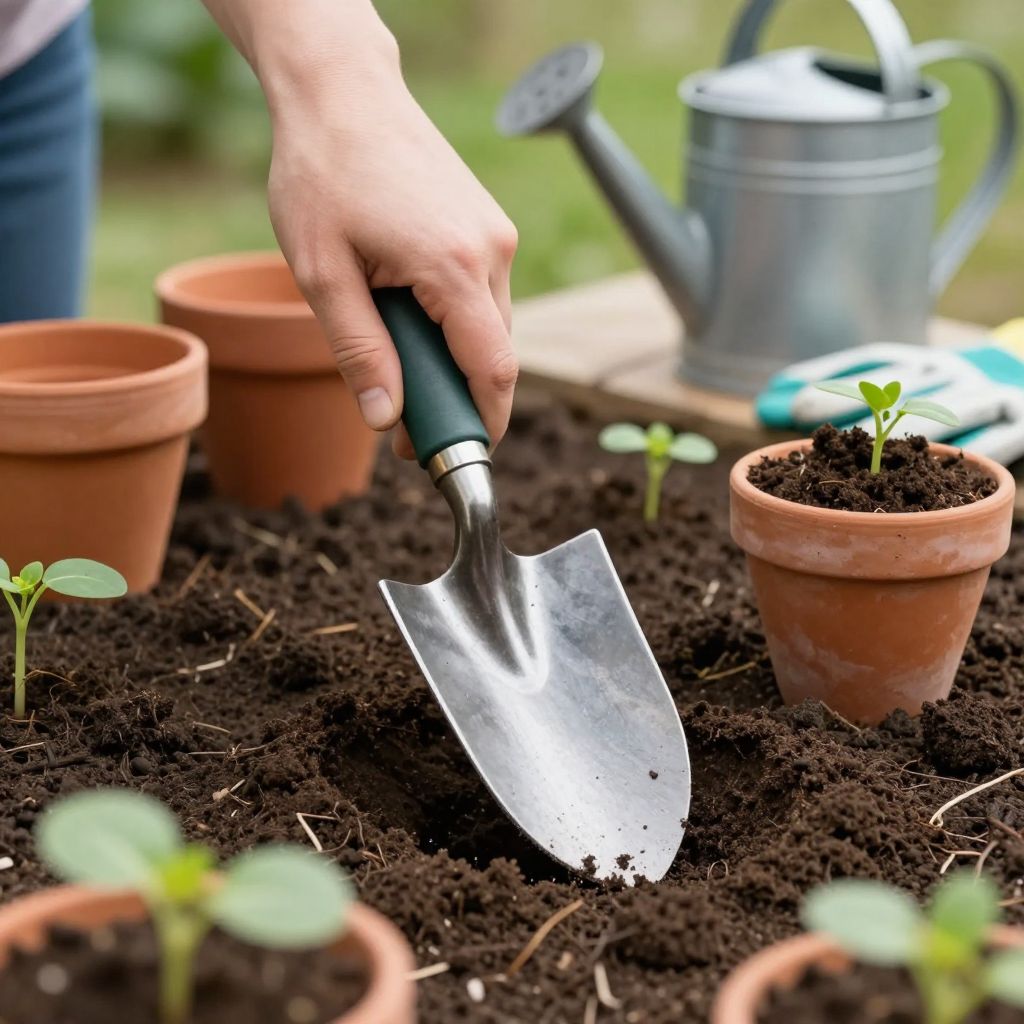
Pick one with a comfortable grip and a sturdy metal blade. Cheap trowels bend like sad spaghetti, and nobody needs that drama.
Use this one for potting, transplanting, and any job that asks for precision instead of brute force.
2. Make Weeding Less Annoying With A Hand Fork
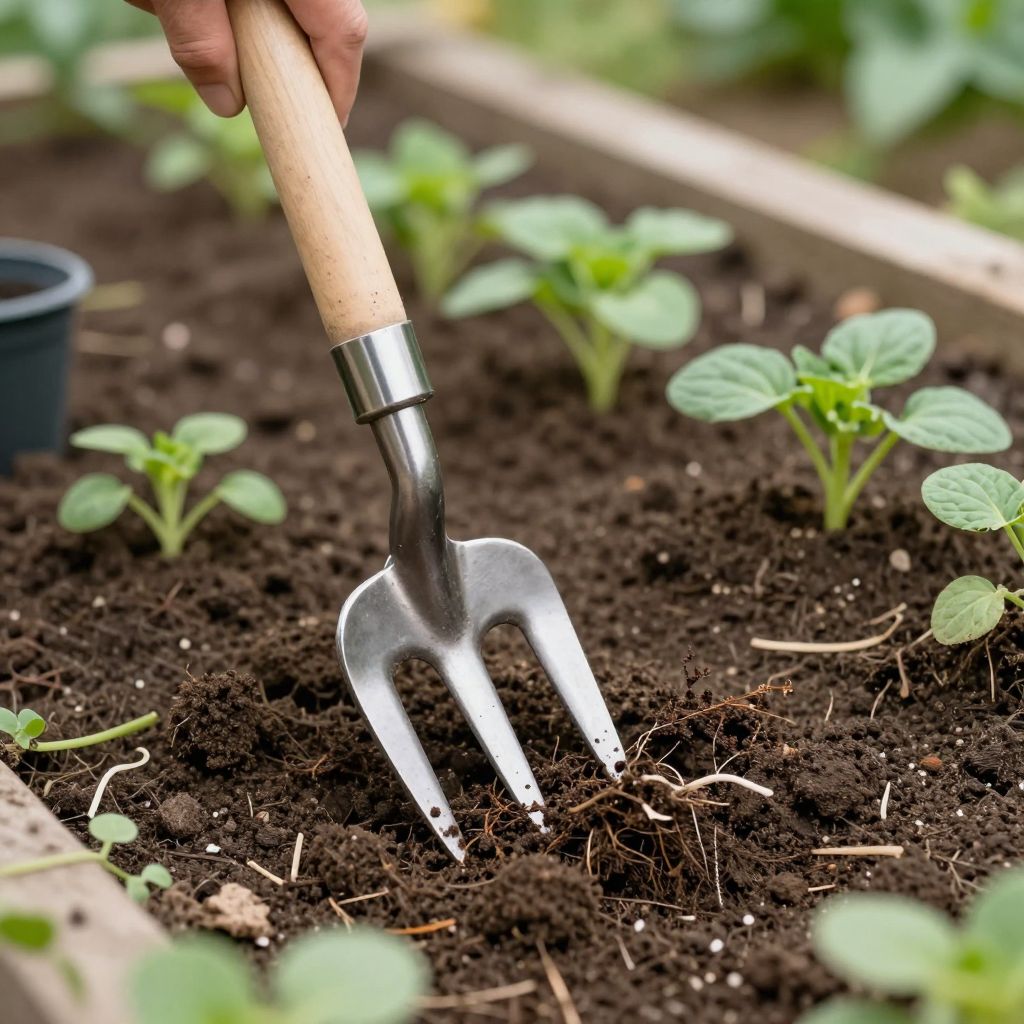
A hand fork loosens soil and pulls weeds with roots attached, which is the whole point, honestly. It works especially well in tight spaces where bigger tools feel clumsy.
Why It Helps
- Breaks up compacted soil
- Stirs in compost
- Lifts shallow weeds cleanly
Use it for beds, containers, and around seedlings when you want control without digging up the whole garden.
3. Save Your Knees With A Good Pair Of Gloves
Garden gloves sound boring until you meet thorny stems, rough soil, and surprise splinters. Then they suddenly become the best decision you made all week.
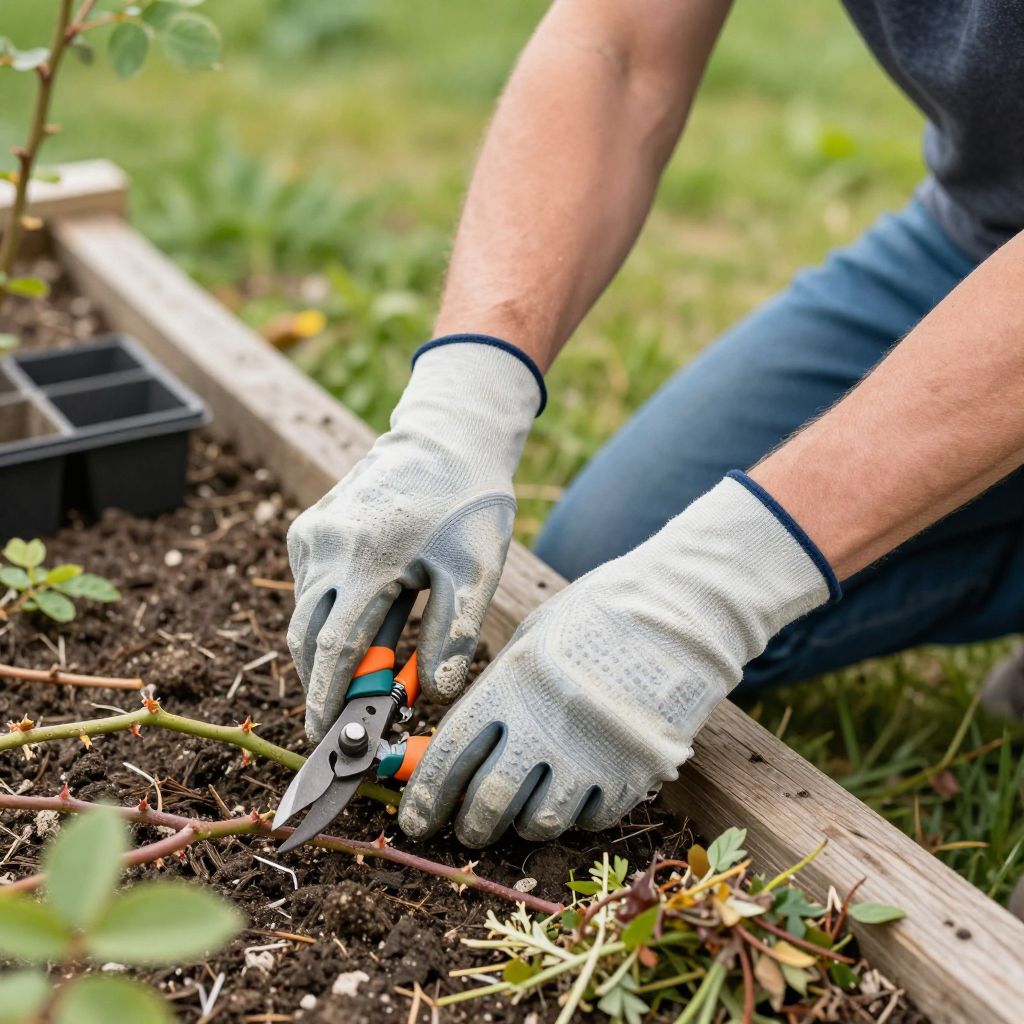
Look for gloves that fit snugly, breathe a little, and still give you enough grip to handle tools. FYI, one nice pair beats three flimsy ones every time.
Wear them anytime you prune, weed, repot, or touch anything vaguely sharp or itchy.
4. Keep A Watering Can Handy
A watering can gives you control, which matters way more than people think. It helps you water seedlings gently and avoid blasting soil out of pots like a tiny indoor hurricane.
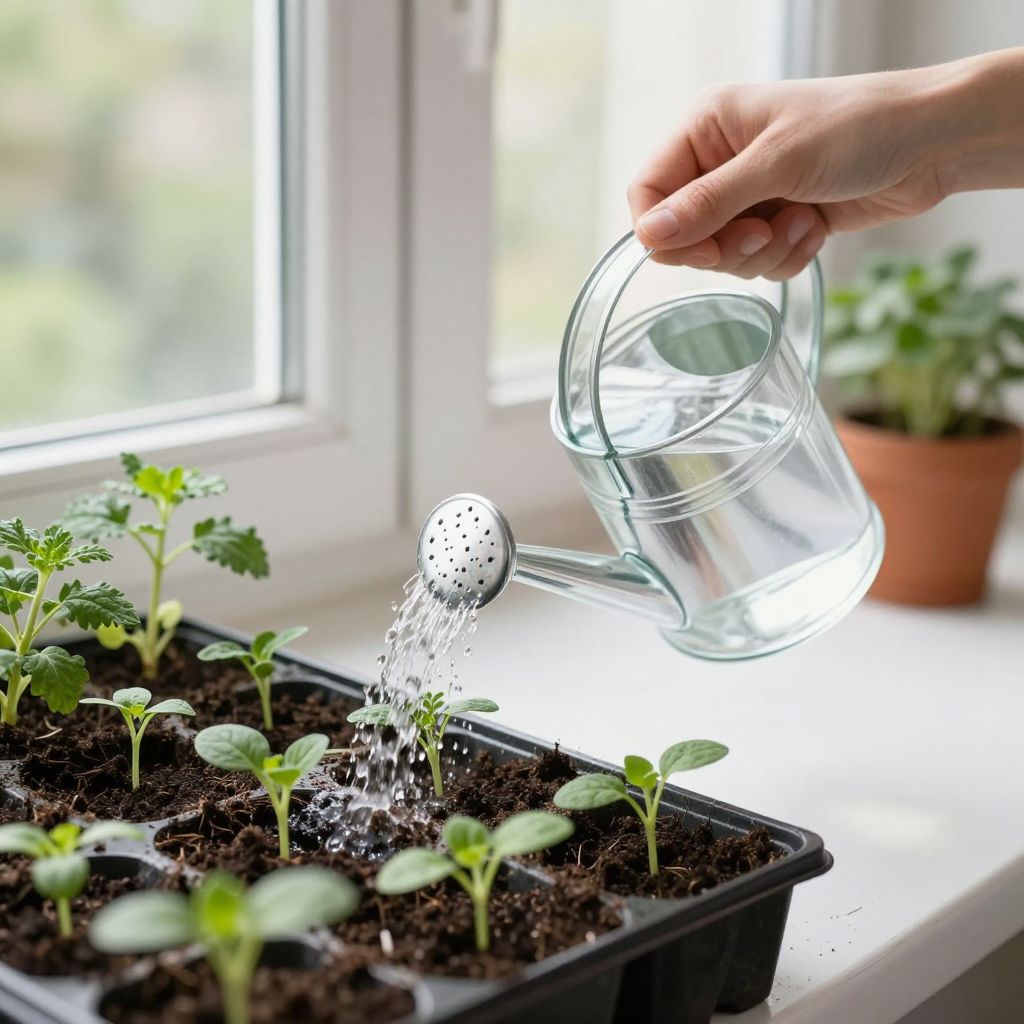
Choose a size you can actually carry when full. A giant can looks impressive until your arm starts filing a complaint.
Use it for containers, indoor herbs, seed trays, and delicate new plants that need a softer touch.
5. Measure Right With A Flexible Hose Or Nozzle
If you’re watering anything beyond a few pots, a garden hose with an adjustable nozzle makes life easier fast. You get better reach, faster watering, and a lot less back-and-forth.
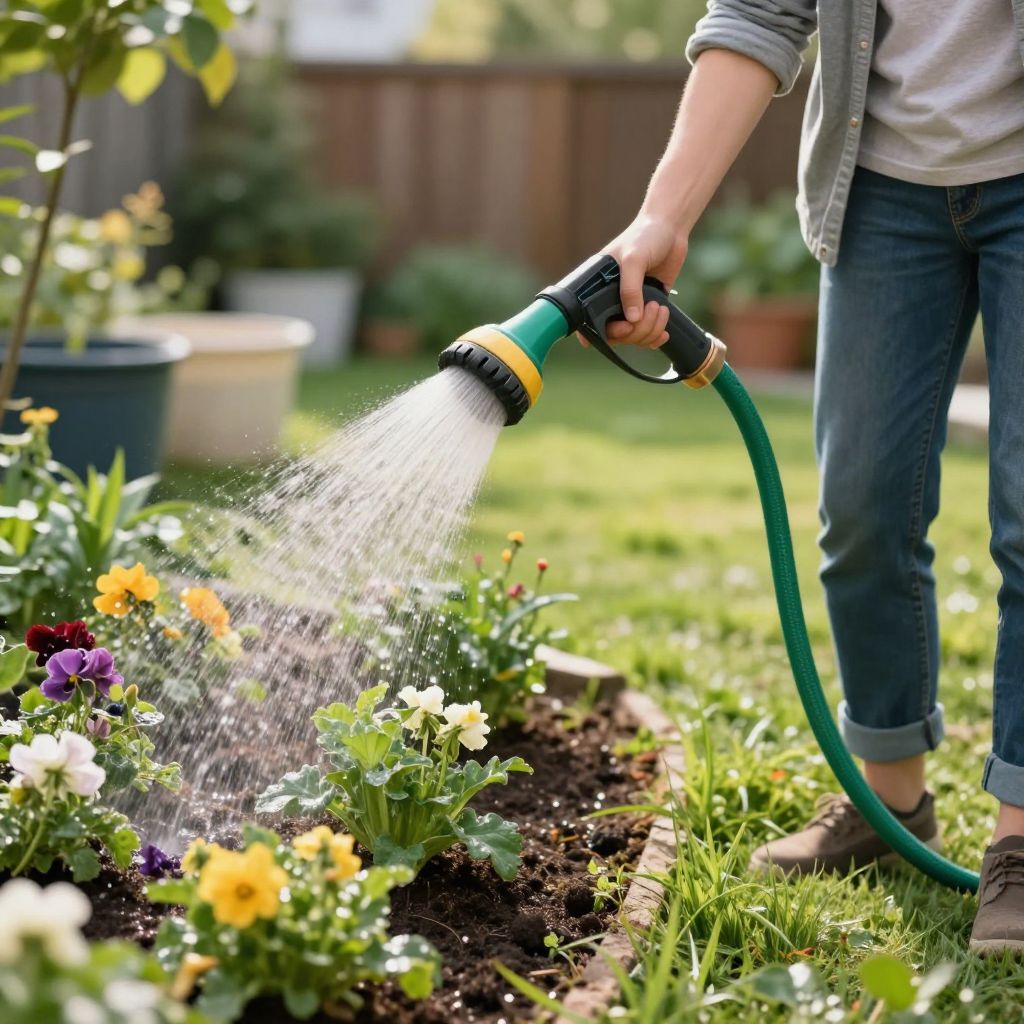
Look for a nozzle that lets you switch from a gentle shower to a stronger spray. That flexibility saves time and keeps your plants from getting bullied.
It works best for beds, larger containers, and lawn edges that need a quick drink.
6. Snip Cleanly With Bypass Pruners
Bypass pruners handle stems, small branches, and dead flower heads without crushing them. Clean cuts help plants recover faster, which sounds fancy but just means healthier growth.
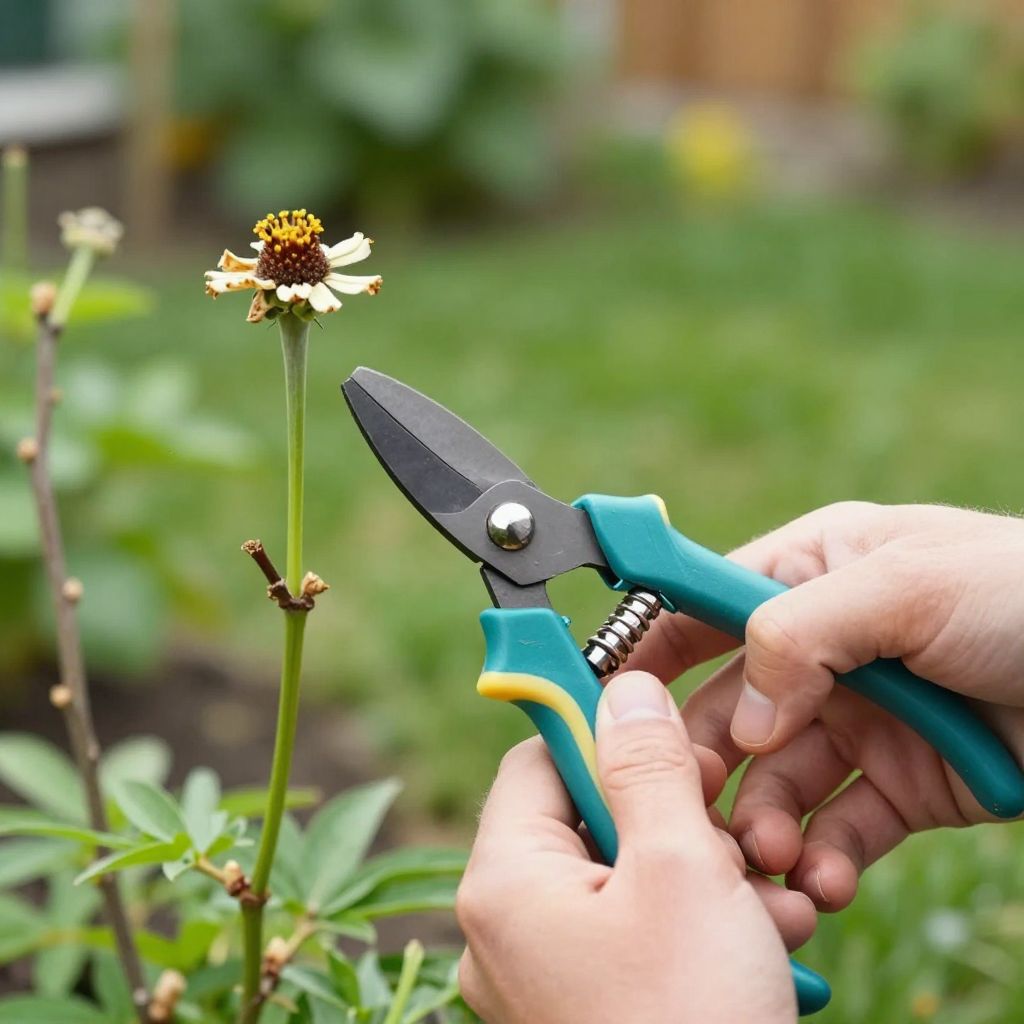
Skip the rusty bargain-bin pair and get one with a smooth spring and easy lock. Trust me, your hands will notice the difference.
Use pruners for deadheading, shaping shrubs, and trimming soft woody stems all season long.
7. Protect Bigger Jobs With Loppers
When branches get thicker than your pruners can handle, loppers step in. They give you extra leverage, so you can trim small limbs without feeling like you’re wrestling a tree.
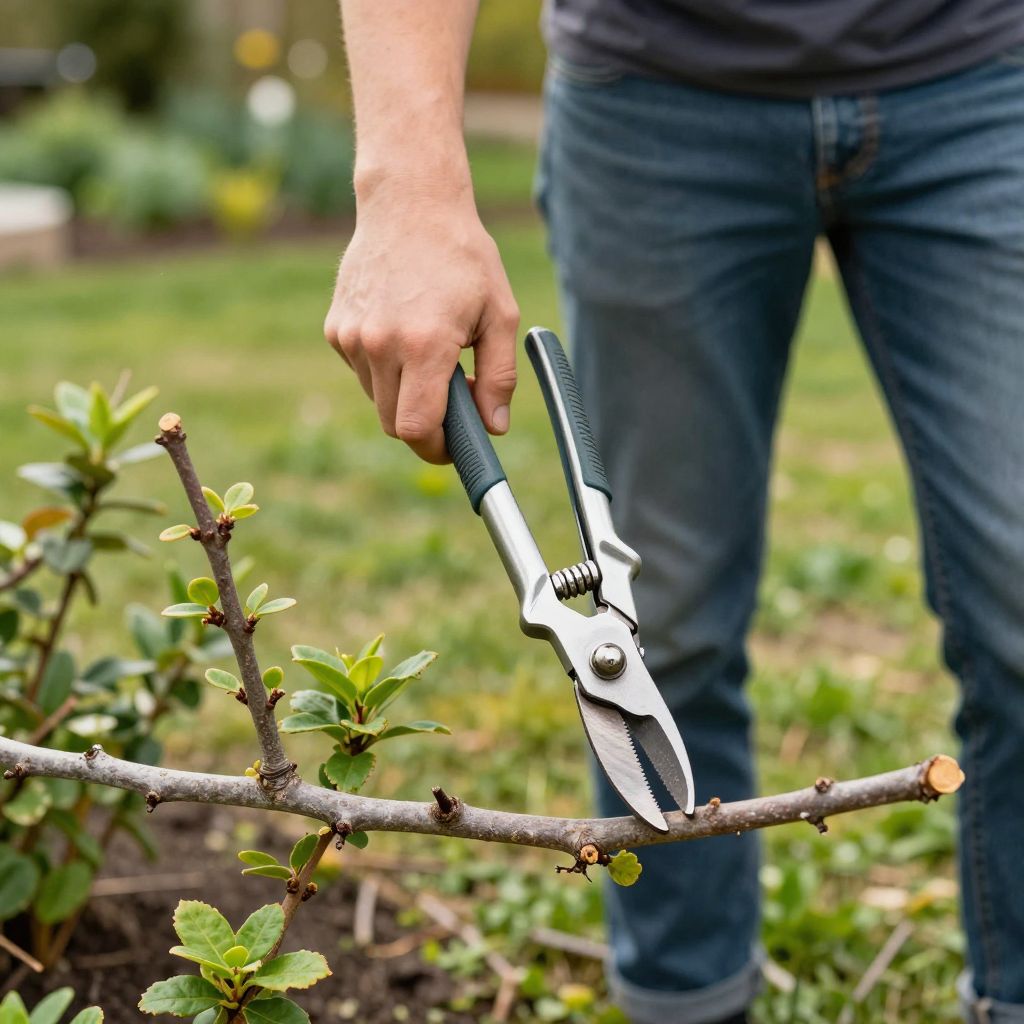
Choose a lightweight pair with long handles and sharp blades. If you need to lean your full body into the cut, the loppers are too dull or too small.
Use them for pruning shrubs, cutting back overgrowth, and tackling stems that need more muscle.
8. Rake The Mess Into Submission
A garden rake helps you level soil, gather debris, and smooth out beds before planting. It sounds old-school because it is, and that’s exactly why it still works.
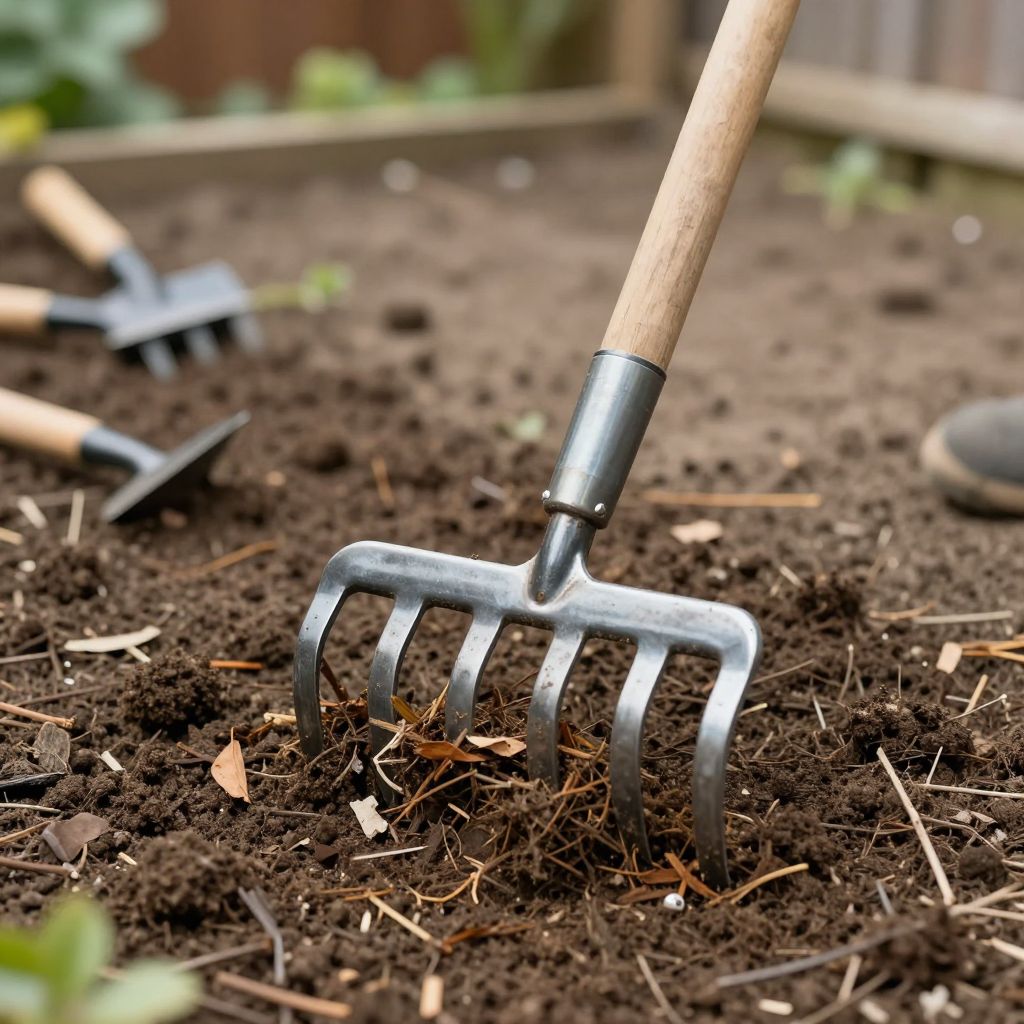
Look for a rake with strong tines and a comfortable handle. You’ll appreciate it when you need to clear leaves, twigs, or mulch without overthinking the job.
It’s especially useful during bed prep, fall cleanup, and general “why is everything everywhere” moments.
9. Move Soil Faster With A Small Spade
A spade gives you a clean edge for digging, cutting through roots, and moving soil with less chaos. It’s one of those tools that feels basic until you use a bad one and instantly regret everything.
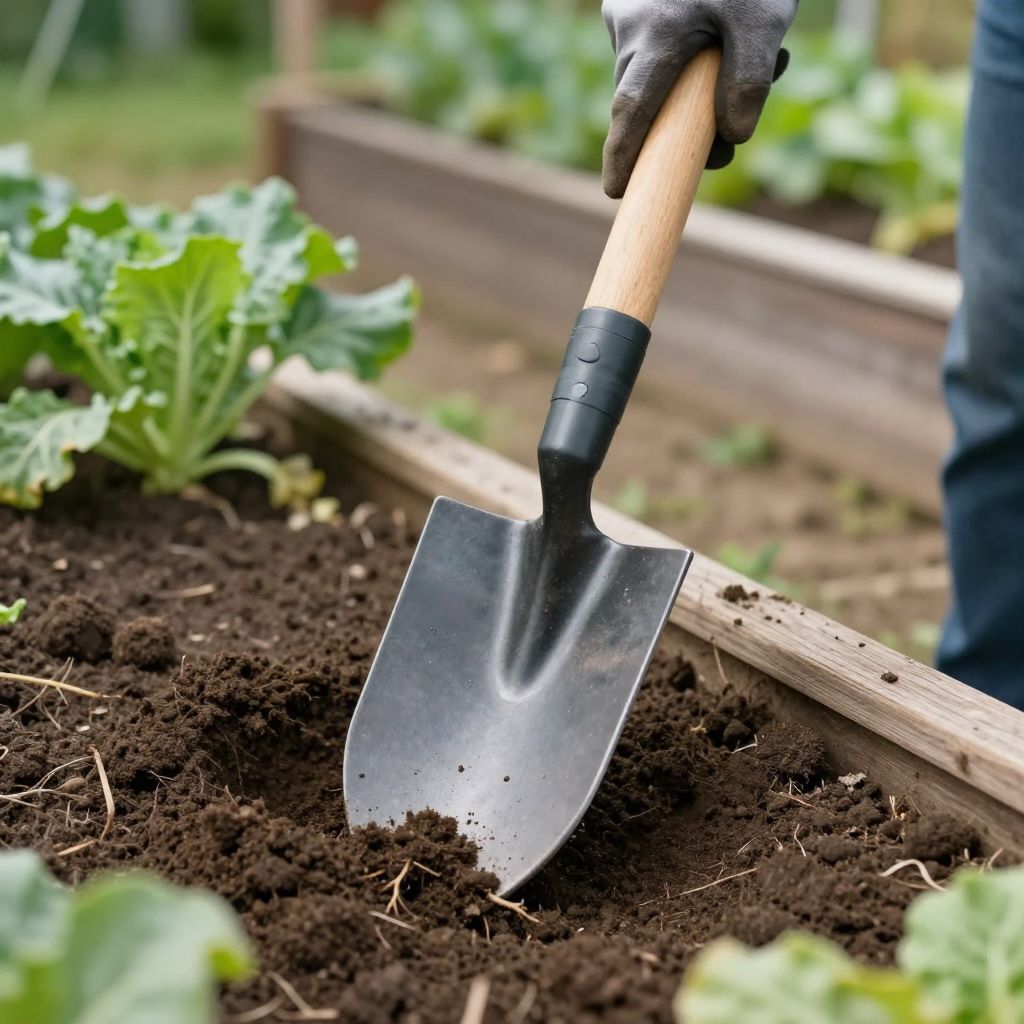
Pick one that feels balanced and solid in your hands. A sharp blade matters more than flashy features, IMO.
Use it for edging beds, slicing sod, and digging deeper holes than a trowel can handle.
10. Keep Soil In The Right Place With A Bucket Or Tub
A simple bucket or garden tub saves you from making ten tiny trips across the yard. You can haul weeds, compost, mulch, tools, and whatever else the garden throws at you.
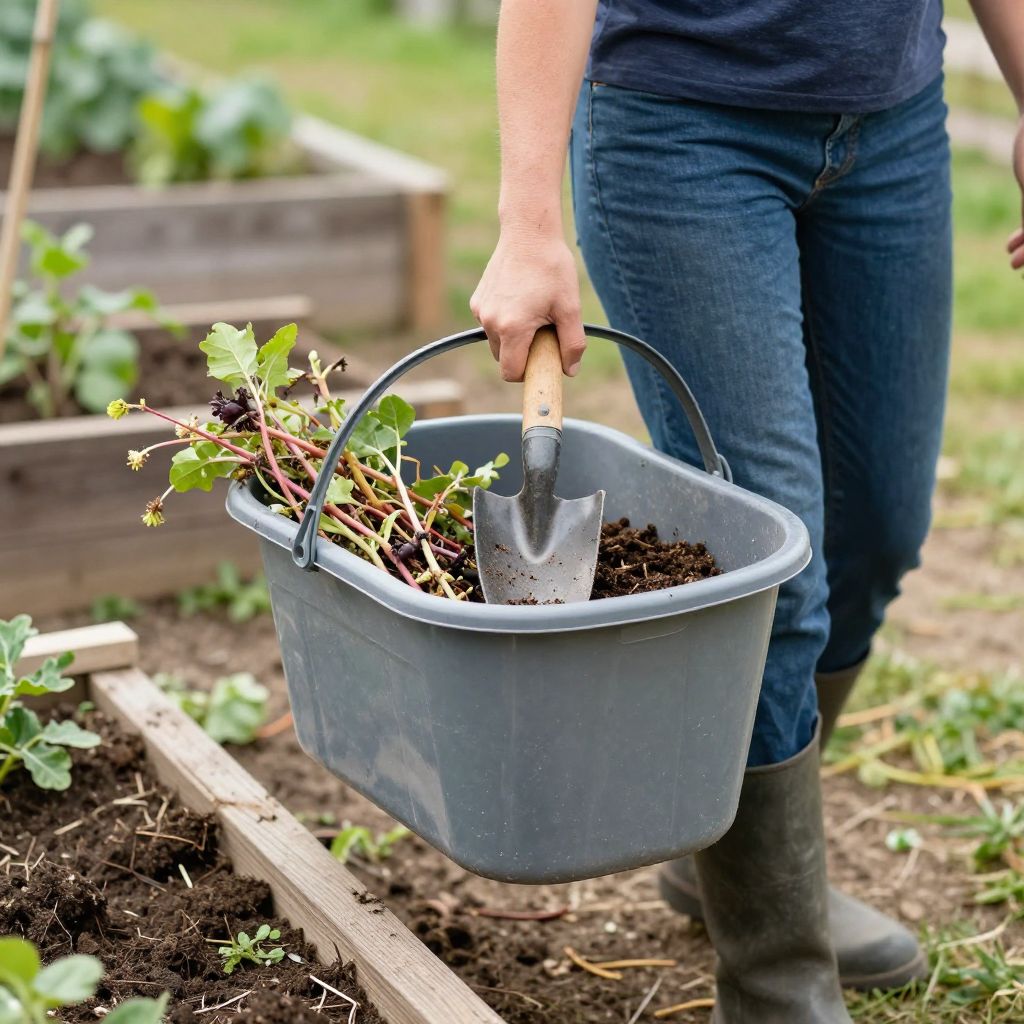
Choose something lightweight but sturdy enough to survive repeated use. Bonus points if it rinses out easily, because gardening gets messy fast.
Use it for cleanup, mixing soil, carrying supplies, and hauling all the random stuff you never planned for.
11. Mark Everything With Plant Labels
Plant labels sound optional until you forget what you planted three weeks ago. Then they become priceless, especially if you grow herbs, seedlings, or multiple varieties of the same crop.
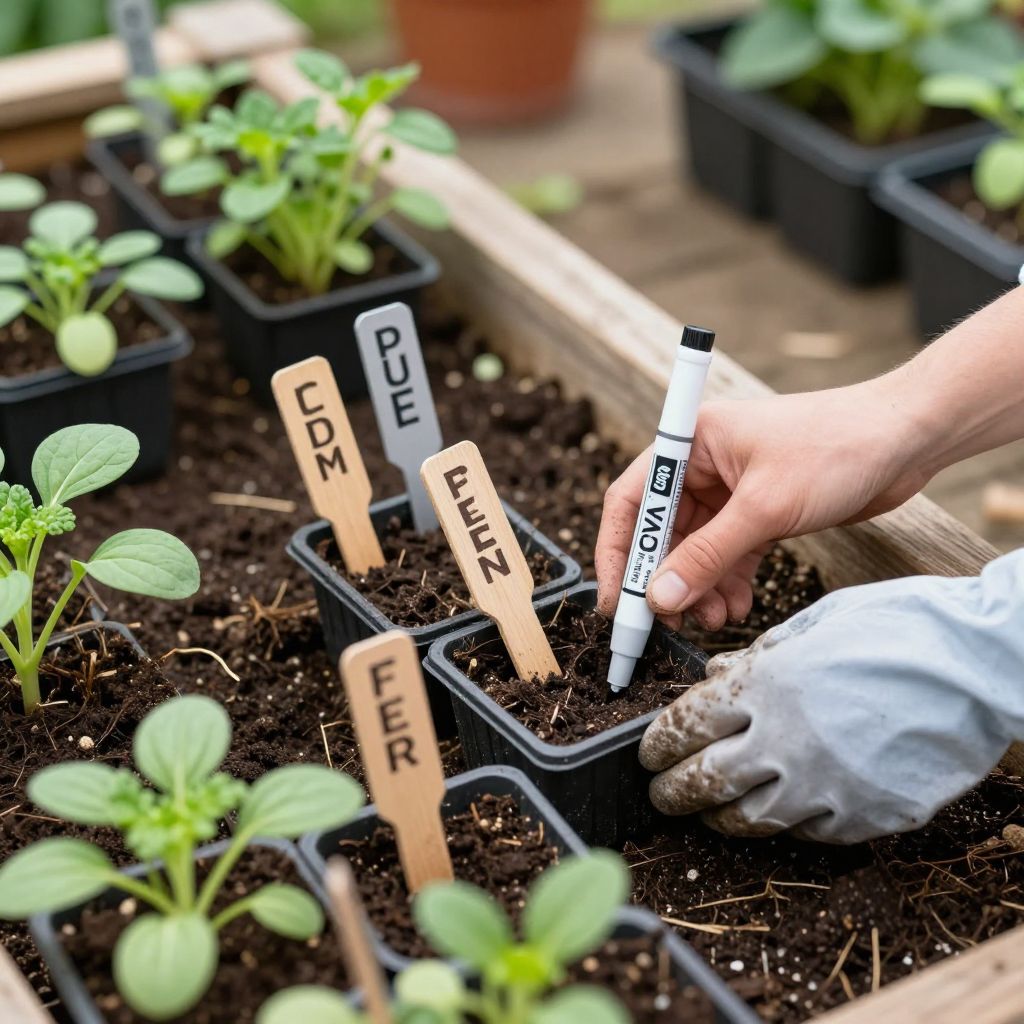
You can use plastic, wood, or metal labels as long as they stay readable. A waterproof marker helps too, unless you enjoy mystery seedlings.
Use them for seed trays, garden rows, container plants, and anything you want to identify later without guessing.
12. Feed Plants Better With A Small Hand Cultivator
A hand cultivator stirs compost, loosens crusty topsoil, and helps air reach the roots. It also makes small bed maintenance feel way less tedious.
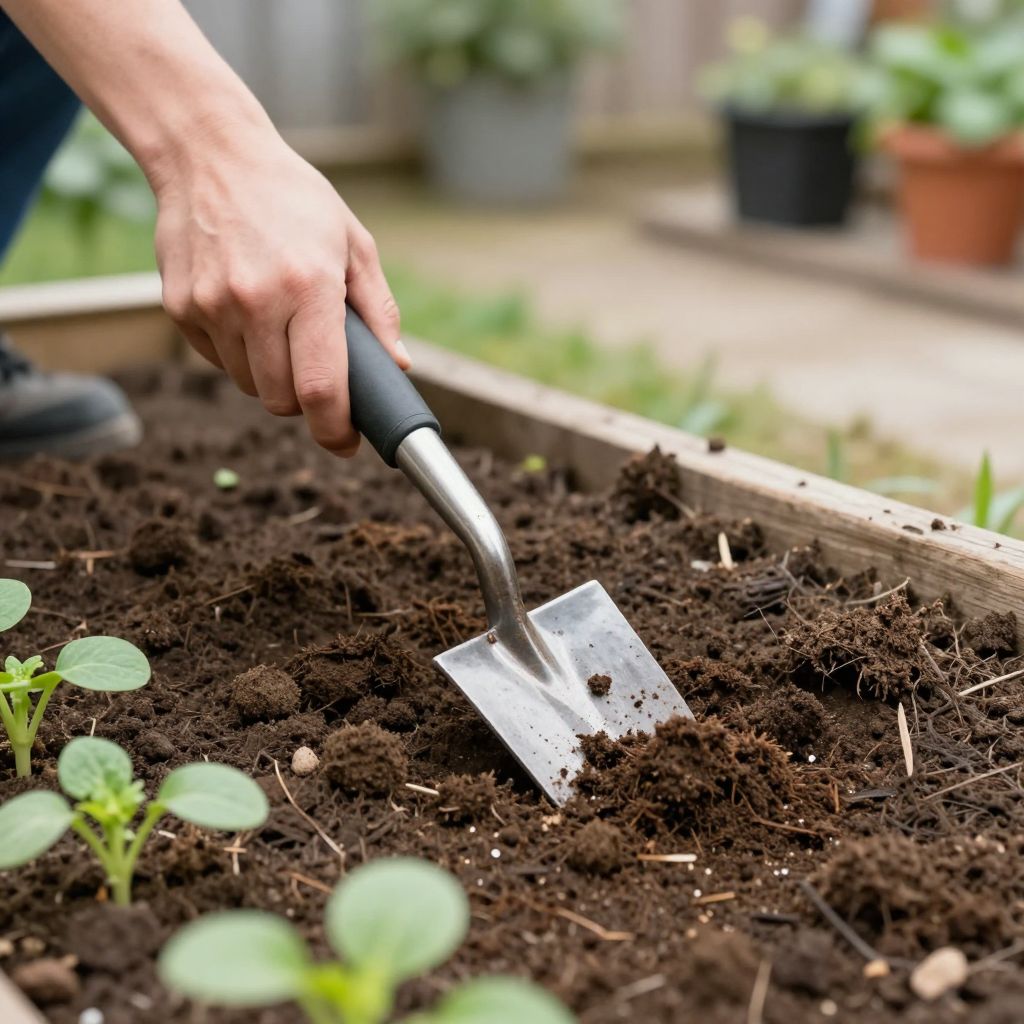
Look for one with sturdy tines and a grip that doesn’t dig into your palm. This tool handles light soil work without dragging out larger gear.
Use it when you refresh beds, mix in amendments, or prep container soil before planting.
13. Keep Water Where You Want It With A Mulch Rake
A mulch rake moves mulch, pine straw, and loose debris without flattening everything into a sad pile. It helps you spread material evenly, which looks better and works better.
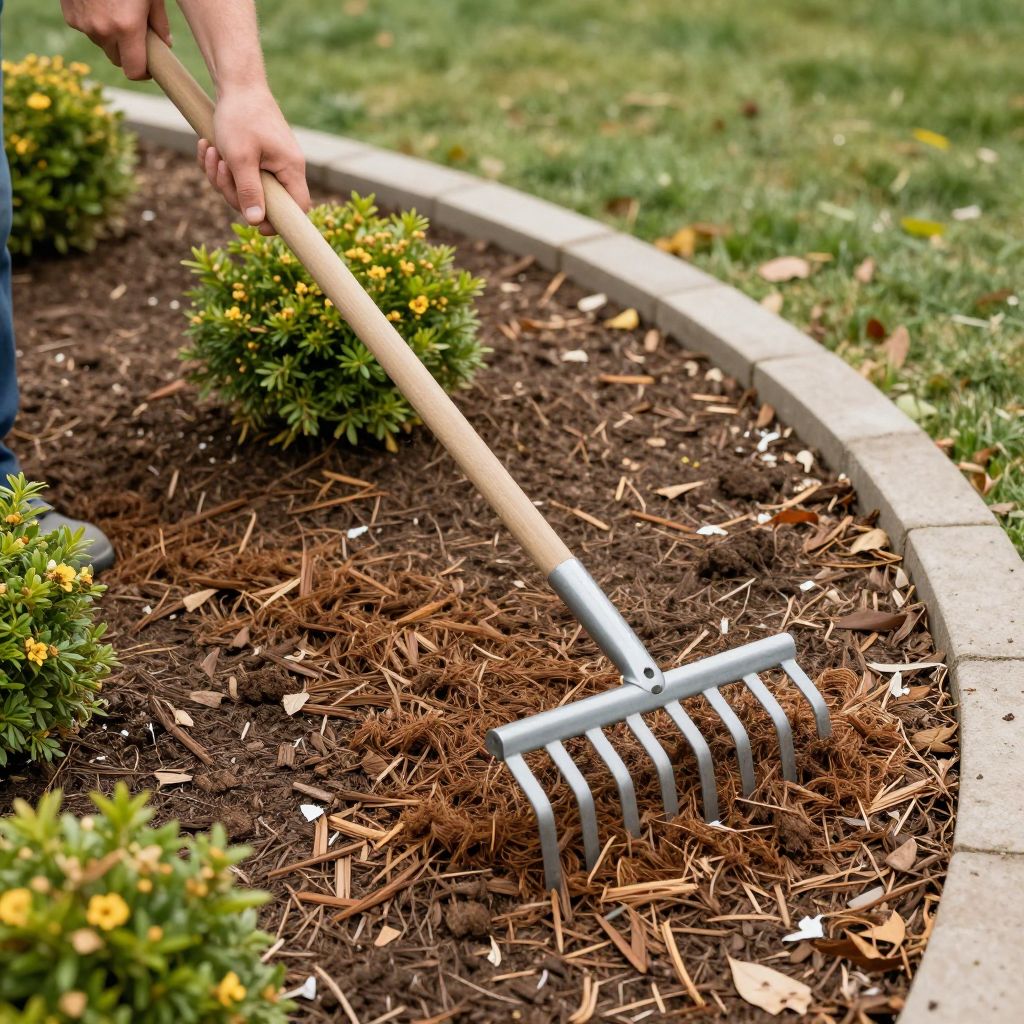
You do not need a giant landscaping monster here. A manageable rake with flexible tines will do the job just fine, seriously.
Use it when you refresh beds, spread mulch, or clean up after windy weather gets dramatic.
14. Trim Tiny Details With Micro Snips
Micro snips work great for herbs, flowers, and delicate stems that need a light touch. They feel especially handy when regular pruners seem too bulky for the job.
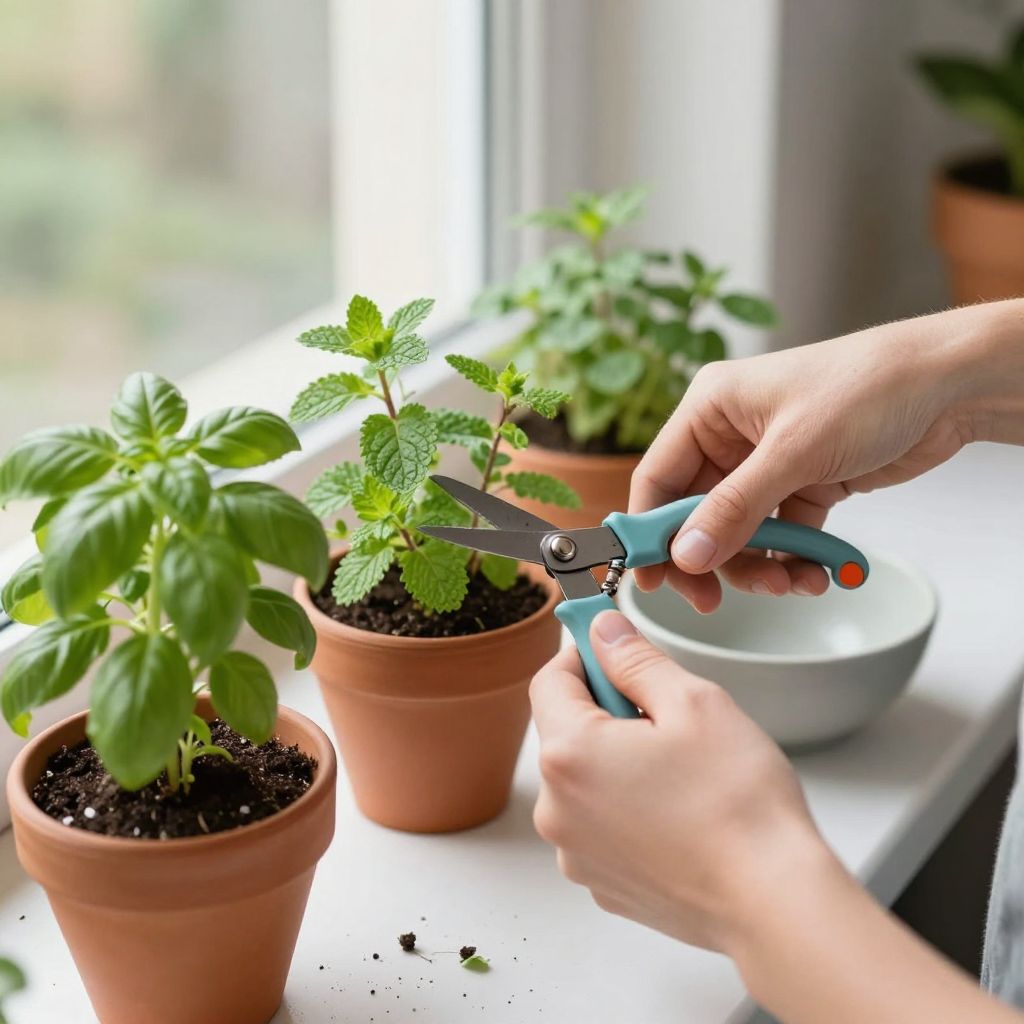
They also make harvesting basil, mint, and tender greens a lot easier. Tiny tool, big payoff.
Use them for indoor herbs, quick harvests, and cleanup on soft plants where precision matters.
15. Keep The Whole Kit Tidy With A Tool Caddy
A tool caddy keeps your beginner setup from turning into a pile of lost handles and muddy chaos. It makes grabbing what you need fast, which saves time and sanity.
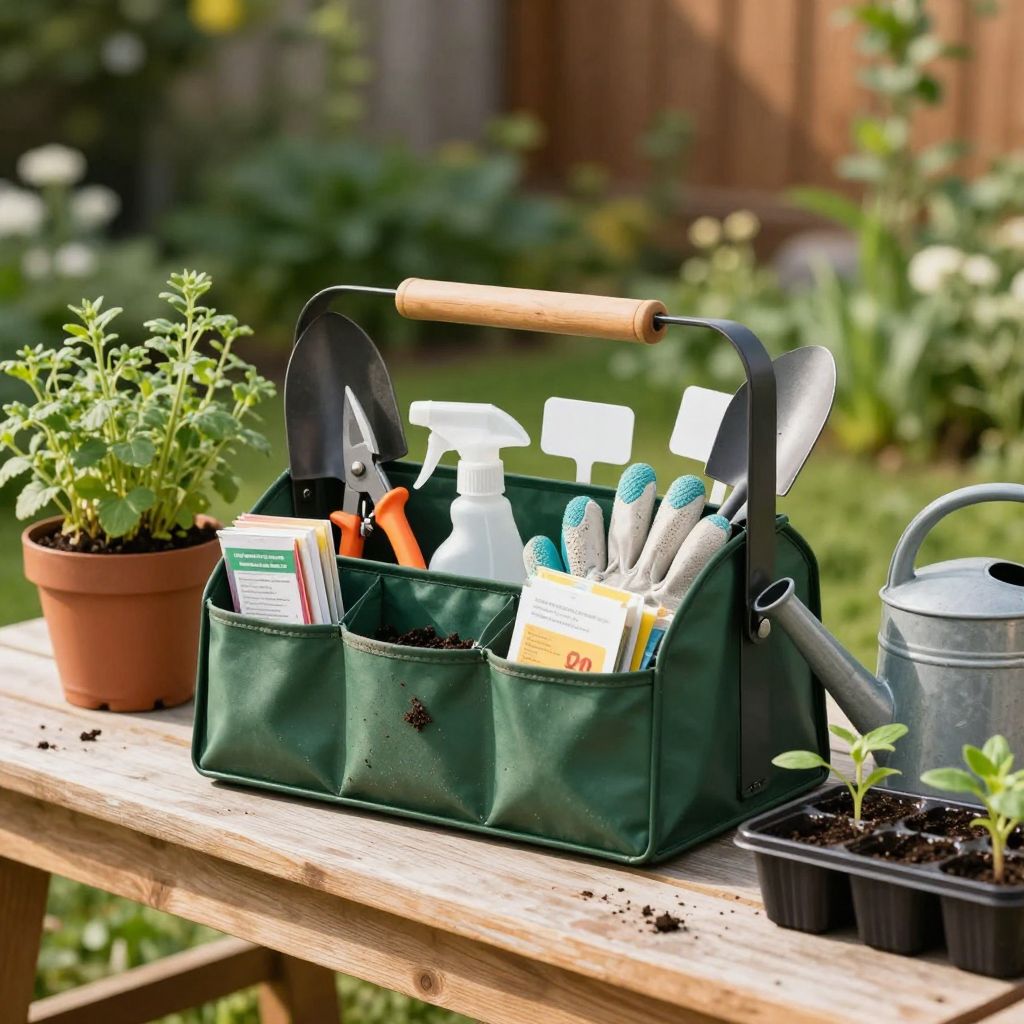
Pick one with compartments or pockets so everything has a home. Gardening feels more fun when you spend less time hunting for your pruners.
Use it to store your starter tools, carry supplies outside, and keep your essentials ready for the next planting day.
Six Garden Tools You Can Skip For Now
Some tools sound amazing until you realize you can absolutely live without them at the beginning. Save your money for plants, soil, or that one tomato variety you know you’ll become emotionally attached to.
- Soil knife if your trowel already handles most jobs
- Bulb planter unless you plant lots of bulbs
- Potato fork unless you grow root crops at scale
- Wheelbarrow if you only garden in containers or tiny beds
- Leaf blower because a rake usually does the trick
- Fancy multi-tool that promises to do everything and somehow does none of it well
Start with the basics, then add specialty tools only when your garden actually asks for them. That way, every purchase has a job instead of collecting dust in the shed.
The best beginner garden setup stays simple, useful, and easy to carry. Build your kit slowly, and you’ll spend more time growing things and less time shopping for gadgets you barely touch.